
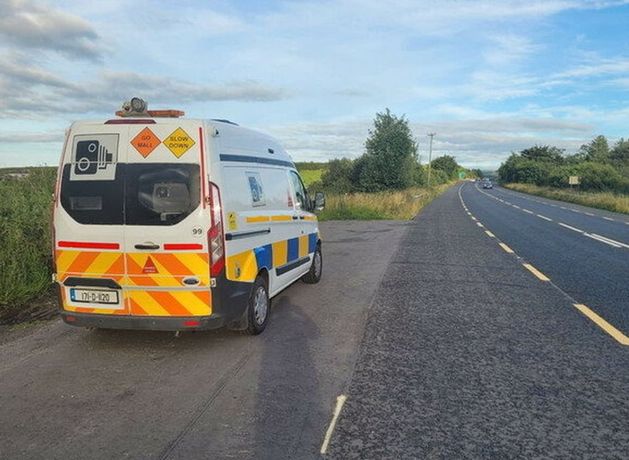
Every county in the country will see the new “safety camera zones” set up on their roads in 2026 in response to 190 deaths that occurred on Irish roads in 2025, the highest in a decade.
This compares to 175 deaths in 2024, 184 in 2023 and 155 in 2022.
The zones are stretches of road identified as high-risk locations and can include school safety zones, community engagement request zones and road works safety zones.
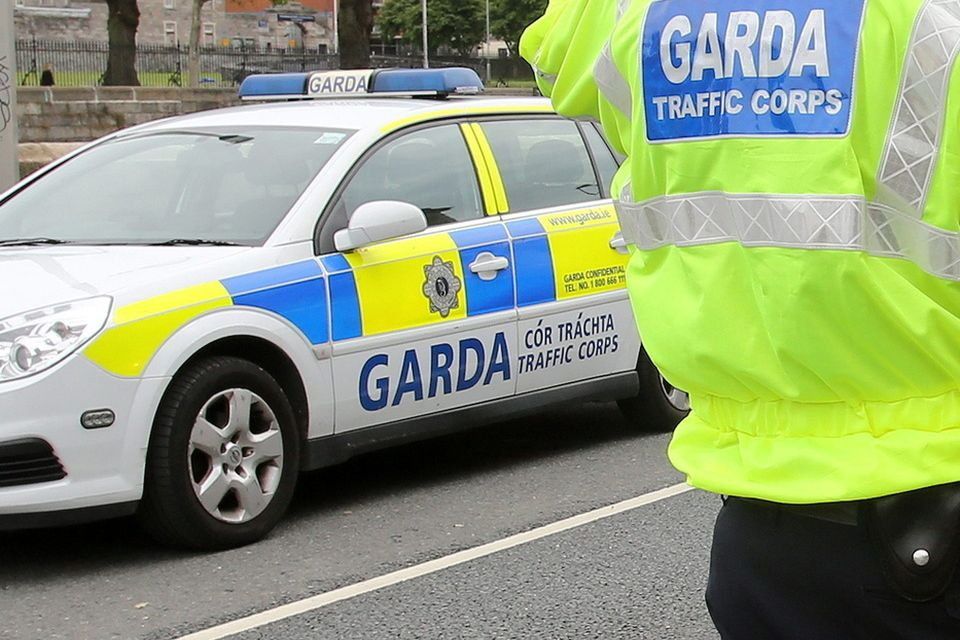
An Garda Síochána blames the ‘selfish’ minority of road users for increases in speed-related road deaths
They are chosen using Garda analytics relating to data obtained from records of serious and fatal crashes.
Dublin has received the largest number of the new speed zones as an additional 36 have been allocated to the capital.
With the second-largest number of new zones is Cork, which will see 30, followed by Donegal with 26 and Tipperary with 23.
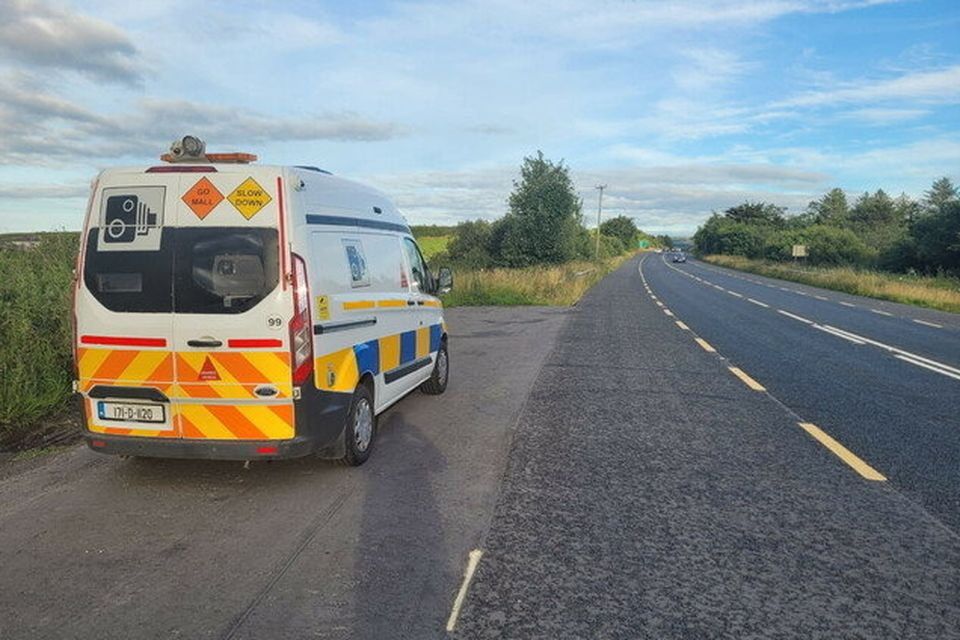
Garda speed vans. Stock image.
News in 90 Seconds – January 1st 2026
According to the latest available CSO data for road deaths by county in 2024, Dublin accounted for 21 of the total deaths in 2024, while Cork had 18. Donegal saw 17 people die on its roads and Tipperary had two fatalities.
Catharina Gunne of Garda Roads Policing and Community Engagement said that it is the “selfish” minority of reckless drivers who endanger the majority on Irish roads.
“The majority of drivers on Irish roads obey the speed limits, keeping themselves, their passengers and other road users safer. There is a small persistent cohort of selfish, dangerous drivers who choose to drive in excess of the posted speed limit. These drivers put themselves and members of their community at risk, particularly children, older people, cyclists and other motorists.
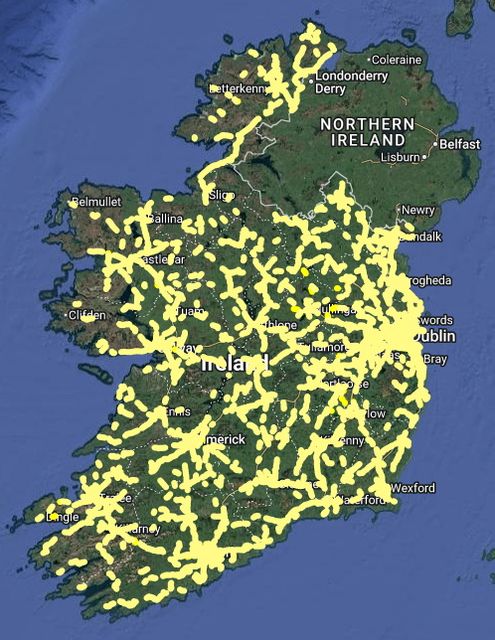
Map showing the locations of speed cameras. Image: An Garda Síochána
“An Garda Síochána’s priority is to ensure that the vast majority of people who use the roads responsibly are not put in danger by this minority of reckless drivers who continue to drive at excessive speed.”
Ms Gunne explained the process of identifying and rolling out the new speed camera zones in high-risk areas.
“GoSafe vans operate in areas that have a speed-related collision history where fatal, serious injury and minor injury collisions occur. In addition, locations which have been highlighted by members of the community as being areas of concern, have been included in the new zones.
“By identifying and targeting these high-risk areas, the aim is to reduce the number of fatal and serious injury collisions.”
Since 2010, An Garda Síochána has used mobile safety cameras through a service operated by GoSafe. The enforcement cameras are operated using a fleet of marked vehicles.
GoSafe monitoring commenced operation on a phased basis in November 2010. The operator remains contracted to provide speed enforcement activity as directed by An Garda Síochána.
Drivers are advised to familiarise themselves with the published safety camera zones, adhere to posted speed limits and drive to conditions at all times, particularly on busy regional routes and in built-up areas.
The precise locations for all speed camera zones in the country is available in an interactive map on the Garda website.