
Key Points
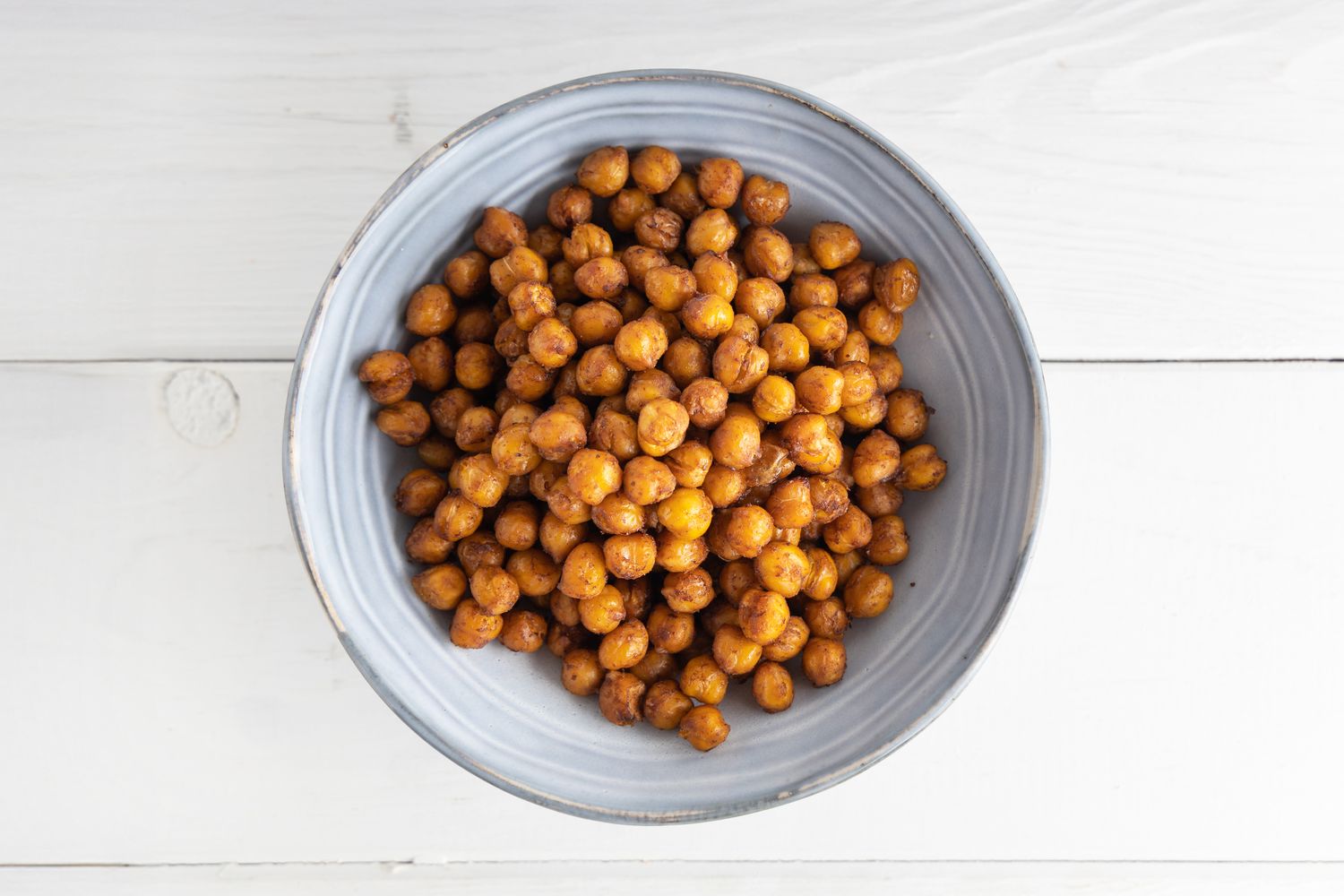
Chickpeas may not be the healthiest bean overall, but they’re nutrient-dense, affordable, and versatile enough to benefit almost any diet.Compared with other beans, chickpeas offer solid fiber, protein, and minerals, even if some legumes slightly outperform them.Eating a variety of beans—including chickpeas—supports gut, heart, and metabolic health better than focusing on just one type.
Whether you’re a vegan seeking protein sources or an omnivore who sometimes leans veg-forward, chances are you’ve considered the nutritional merits of chickpeas, perhaps comparing them to other legumes. Are chickpeas the healthiest beans—or does another bean boast more benefits? We asked nutrition experts to weigh in and discovered that there’s plenty to recommend this tasty, versatile, and healthy pantry staple.
Are Chickpeas the Healthiest Bean?
“Chickpeas aren’t the single healthiest bean, but they certainly rank among the most nutrient-dense,” says Kristen Lorenz, RD, LDN, a private practice dietitian specializing in metabolic health and longevity.
Similar to other pulses, chickpeas have more protein than other kinds of plant foods, but they don’t nab the top spot. “When comparing nutrition stats like fiber, protein, vitamins, and minerals to other beans like black beans, lentils, and red beans, chickpeas have slightly lower amounts,” says Amy Davis, RDN, founder of Amy Davis Nutrition.
What Are the Healthiest Beans?
Stacked against other legumes, studies have found that some kinds of lupins (also called lupini or lupine beans), popular in the Mediterranean and Latin America, are a nutrition powerhouse with protein comprising as much as 40 percent and fiber up to 30 percent of the dry weight—one of the highest combinations of these essential nutrients.
The Bigger Picture
Parsing each micronutrient doesn’t tell the whole story. Different analysis and cooking methods can impact nutrient numbers. And all legumes can help lower the risk of chronic diseases, so switching up the beans you eat is your best bet. “Since all legumes have a slightly different nutritional profile, eating different types of beans is a great approach,” Davis says. By rotating pulses, she notes, you’re getting a variety of vitamins, minerals, phytochemicals, and fibers.
The Benefits of Chickpeas
Fiber and Protein
“Chickpeas are a great choice to add to your plate, thanks to their nutrition attributes, low cost, and versatility in meals,” Davis says. They contain about 6 grams of fiber and 7 grams of plant protein per 100-gram serving (about half a cup). While chickpeas’ protein may not reach the stratosphere, they have high bioavailability; in fact, the quality of the protein is considered better than that of other pulses.
Blood sugar control: The fiber and plant protein in chickpeas help to slow down carb absorption, promoting better blood sugar stability and preventing spikes.
Weight management: Those factors make this legume a standout for satiety, Lorenz points out. “Regular intake of chickpeas is linked with better glycemic control, improved cholesterol levels, and more consistent fullness between meals,” she notes. Staying fuller for longer can result in naturally consuming fewer calories and maintaining a healthy weight, Davis adds.
Gut and heart health: The payoff of this pulse’s fiber and protein content extends even further. Thanks to their high levels of mostly soluble dietary fiber and resistant starch, chickpeas have a probiotic effect, acting as an energy source and encouraging the growth of beneficial bacteria in the gut microbiome. “Chickpeas have what many people need more of: fiber for gut and heart health, and protein for muscle maintenance,” Lorenz says.
Chickpeas don’t have all nine essential amino acids, so they’re not considered a complete protein. When combined with rice, seeds, or whole grains, they cross the threshold into a complete protein.
Antioxidants
Chickpeas boast antioxidants, including flavonoids and polyphenols, which are key to fighting free radical damage, helping to reduce oxidative stress and inflammation in the body.
“Thanks to their nutrient density, antioxidants, and fiber, chickpeas are associated with lower instances of chronic diseases like heart disease, cancer, and type 2 diabetes,” Davis says.
Vitamins and Minerals
This legume also wins the day when it comes to vitamins and especially minerals. They are an excellent source of manganese, folate (vitamin B9), copper, and potassium, plus they contain smaller amounts of iron, zinc, and magnesium, Davis says. Those minerals help to activate and regulate metabolism, supporting energy levels and muscle function.
Chickpeas’ rich mineral content fulfills daily requirements, plus their phosphorus, zinc, and manganese quotients outpace other pulses.
Essential Fatty Acids
The essential fatty acids (EFAs) in chickpeas—polyunsaturated fatty acids (PUFAs), monounsaturated fatty acids (MUFAs), saturated fatty acids (SFAs), and a small amount of alpha-linolenic acid (ALA) content—bolster the bean’s nutritional profile while also enhancing its flavor and texture.
These EFAs are beneficial for maintaining healthy cholesterol levels and can help decrease diabetic conditions and obesity. Though chickpeas have a higher fat content than other pulses, it’s still low compared to foods like avocados or seeds, Davis says.
Canned Chickpeas vs. Dried
Chickpeas are most commonly sold dried or canned. Whether you’re prepping homemade hummus, curries, or vegetarian grain bowls, canned chickpeas get meals on the table in a flash. Though less convenient, dried chickpeas (once soaked and cooked) have a leg up taste-wise and a pleasing, firmer texture.
Both are obviously healthy with a small caveat. “Nutritionally, canned chickpeas often have more sodium than those you cook from scratch,” Lorenz points out. Luckily, there’s an easy solution. “Rinsing canned chickpeas significantly reduces sodium, and once drained and rinsed, delivers the same fiber, protein, and micronutrients as the dried beans,” she says.