

Listen to this article
Estimated 4 minutes
The audio version of this article is generated by AI-based technology. Mispronunciations can occur. We are working with our partners to continually review and improve the results.
City of London officials are urging pet owners to stay updated on their animals’ vaccinations as they report an uptick in canine distemper virus, a highly contagious and often fatal disease found among raccoons, skunks and coyotes that can be transmitted to unvaccinated pets.
Last year, the city received approximately 1,300 calls regarding wildlife with suspected distemper, of which 860 were raccoons. It marks a 10 per cent increase from 2024, according to Dr. Kim Millar, the city’s veterinarian.
“The most common ones are raccoons and skunks,” she said. “Distemper virus tends to go in spikes so when the wildlife population gets very large because of mild winters or easy access to food, the virus spreads more quickly and that’s when we notice it more.”
The virus affects their respiratory, gastrointestinal and nervous systems. It’s more commonly seen during warmer months, which Millar believes is due to more people being outdoors. It has no cure and can only be managed through medication, with a high fatality among wildlife.
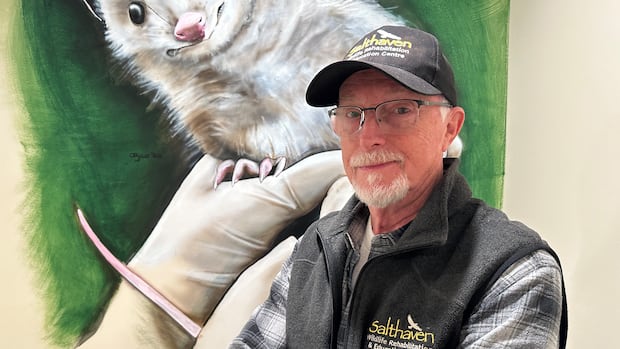
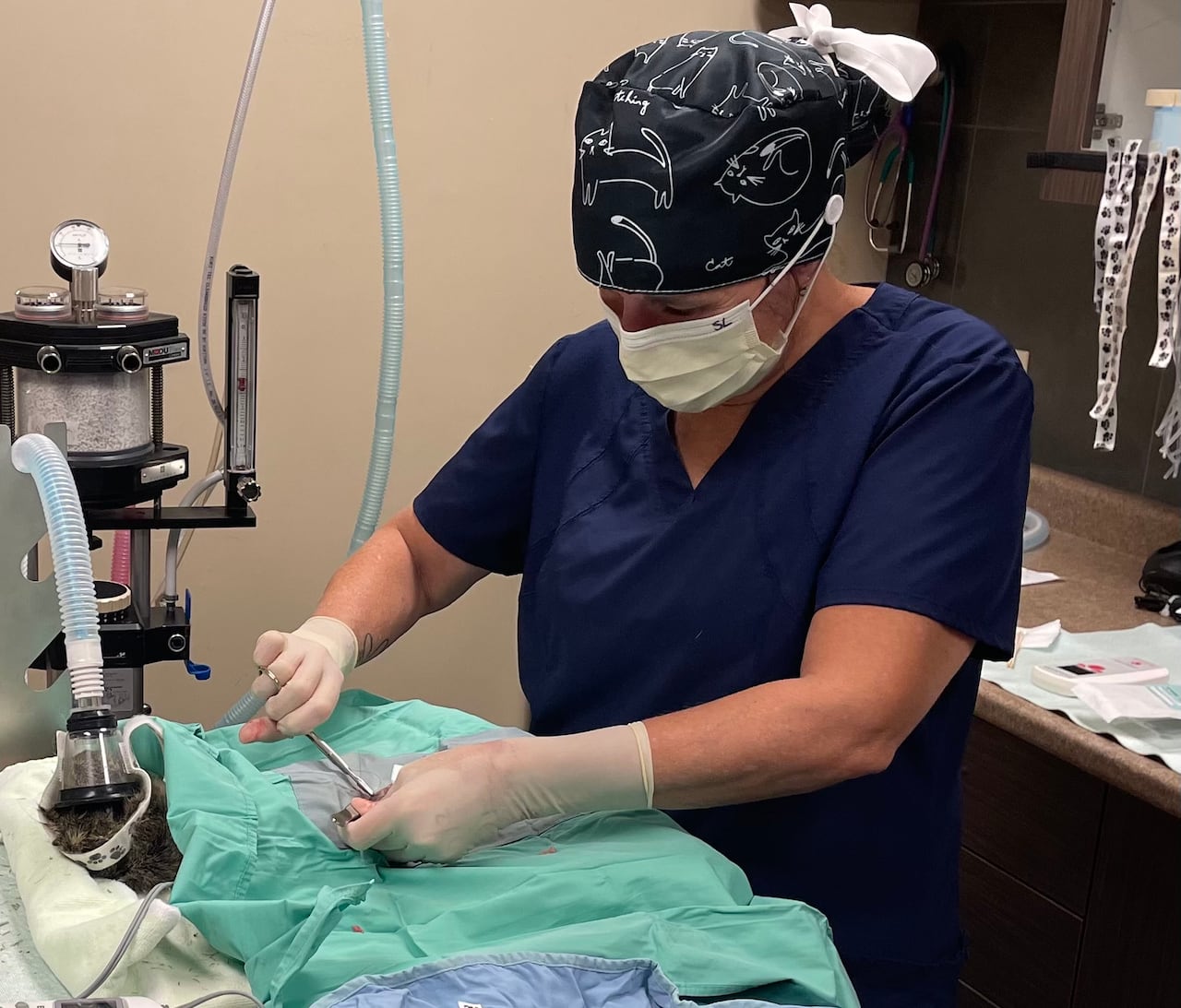 Dr. Kim Millar, the City of London’s veterinarian, says vaccination is the best way to prevent domestic animals from contracting canine distemper virus.
(Submitted by Kim Millar)
Distemper vaccines are an effective way to prevent the disease among pets, Millar said, who has seen very few cases of the virus among domestic animals. There is no evidence to suggest that humans can be infected, she added.
Brian Salt, owner of Salthaven Wildlife Rehabilitation and Education Centre in nearby Mount Brydges, said he receives about half a dozen calls daily for raccoons and skunks with distemper.
“We’ve known about distemper for several years now, but it has been increasing for sure. I can’t really say if the condition is worse, or if more people just know, but we’re getting a lot of calls,” said Salt, whose agency has stopped taking raccoons.
How to spot the virus
The disease spreads through aerosol droplets, bodily fluids or direct contact with an infected animal, Millar said. Mild symptoms can range from lack of energy, decreased appetite and fever, whereas severe symptoms can include shortness of breath, nasal discharge, redness and thick, yellow, crusty discharge in the eyes, she added.
More noticeable are often neurological symptoms such as inco-ordination, with animals circling around appearing disoriented, seizures and thickening of the skin on their nose and the foot pads, said Millar. A bigger telltale sign is how they react around humans.
“Usually, they’ll have a lack of fear of humans or other animals, so typically if you approach a raccoon they would run away. If they stay still, they’re curled up on a deck or they’re not moving when they see humans, that can be one symptom,” she said.
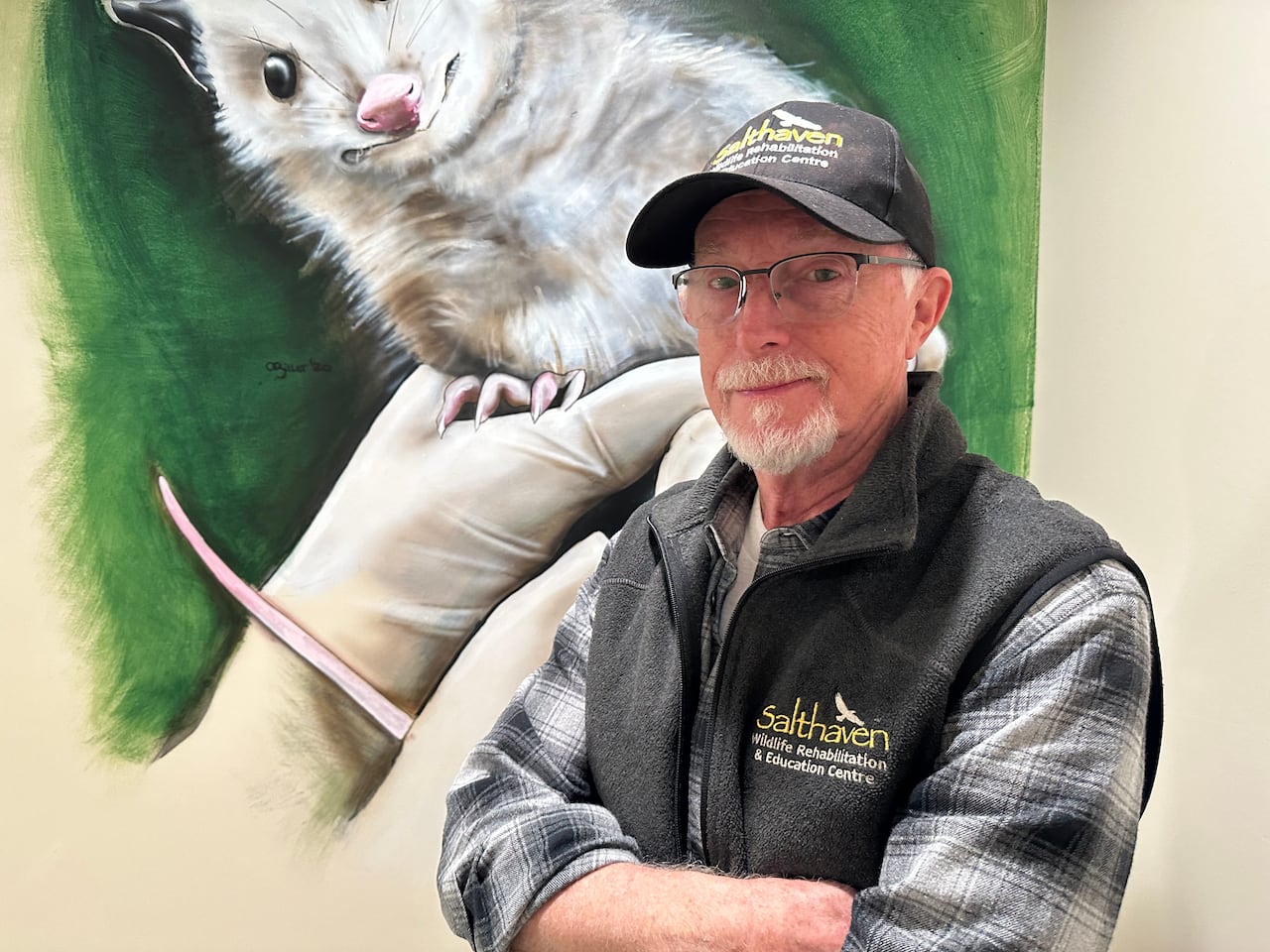 Brian Salt is director and founder of Salthaven Wildlife Rehabilitation & Education Centre located in Mount Brydges, Ont. (Andrew Brown/ CBC News)
Raccoons can carry both canine and feline distemper (common among cats), according to Salt, who added that the virus can also linger outside the host animal for several months under cool and damp conditions.
“If a raccoon defecates or pees in your backyard and your dog is sniffing around and he’s not vaccinated, he’s susceptible to the virus,” said Salt, noting provincial guidelines recommend that animals with distemper should be humanely euthanized to quell the virus.
“Once the distemper symptoms become neurological, there’s no coming back from that virus. They’re going to die and it doesn’t make sense to have them go through that horrible process.”
What to do if you see an animal with distemper
Both Millar and Salt suggest calling the London Animal Care Centre to pick up the distempered animals as they can be a danger to themselves and others.
“These animals can wander out in traffic and cause an accident with somebody swerving to miss them,” said Salt. “They oftentimes will end up just crawling off into the woods and dying or they infect other animals and the virus just keeps motoring on.”
However, many surrounding rural areas such as Lucan and Woodstock don’t have the same resources or agencies and sometimes require provincial police to step in, especially if the animals are near major roads like Highway 401.
Millar suggests not leaving open garbage or food out in the yard to prevent attracting wildlife and keeping pets safe.