
In today’s digital world, nutrition advice travels faster and wider than ever before. A swipe here, a reel there, and suddenly the loudest voices online are shaping public choices around food, nutrition and health.
For those of us working in nutrition and healthcare, the scale and speed of misinformation has become one of the defining public health challenges of our time.
The global wellbeing industry is now worth an estimated $6.2 trillion, a 25% rise since COVID. With this growth has come a flood of unregulated advice, marketing disguised as education, and content designed to sell rather than protect health. Nutrition misinformation is no longer shared quietly between friends, it can now reach millions within minutes.
 A study of Gen Z TikTok users and influencers found that 87% of young people now look to TikTok for nutrition and health advice rather than consulting medical professionals (James Manning/PA)


Research highlights just how significant this shift has been. A study of Gen Z TikTok users and influencers conducted by MyFitnessPal and the Irish Institute of Digital Business at Dublin City University found that 87% of young people now look to TikTok for nutrition and health advice rather than consulting friends, family or medical professionals. When over 67,000 videos were analysed against established public health and nutrition guidelines, only 2.1% aligned with the evidence.
 Despite the known risks associated with many diet trends, 30% of participants tried them anyway
Among the most commonly promoted diets were detoxes, foods claiming to “burn belly fat,” liquid cleanses, the cabbage soup diet and carnivore diet. Despite the known risks associated with many of these trends, 30% of participants tried them anyway, and almost one third reported experiencing adverse effects as a result.
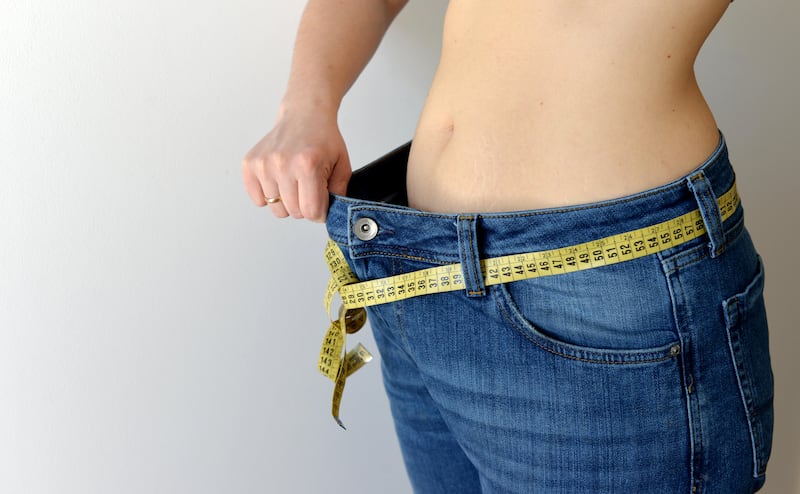 Among the most commonly promoted diets on TikTok were detoxes, foods claiming to “burn belly fat” (Alamy Stock Photo)
Nutrition science is complex. It rarely offers simple, one-size-fits-all answers, and it does not lend itself easily to dramatic before and after claims. In a digital world driven by persuasive messaging and quick fixes, it is understandable that people are drawn to confident, simplified explanations, even when they lack context or scientific backing.
For those of us working in nutrition and healthcare, the scale and speed of misinformation has become one of the defining public health challenges of our time
— Julianne Dickenson
The real world consequences of nutrition misinformation are starkly illustrated by the experience of Una Donnelly, surgical dietitian at St Vincent’s Private Hospital, Dublin.
A patient, affected by cancer, had been influenced by a wellness expert — advice that was, alarmingly, accessed through his private health insurance provider. He was encouraged to adopt extensive and unnecessary dietary restrictions. Foods eliminated included gluten, dairy, potatoes, caffeine, cashew nuts, beer and wine.
There was no scientific evidence that removing these foods, or taking the expensive supplements recommended, would improve the symptoms of his neuroendocrine tumour or support post-operative recovery.
When it came to his second surgery and oncology diagnosis, he presented malnourished. He had experienced an unintentional weight loss of three stone (that’s approximately 22% of his body weight) and was meeting just 35% of his daily energy and protein requirements.
The consequences were far-reaching. Medical complications, reduced quality of life, prolonged hospital stay and an excessive requirement for specialist dietetic input.
Beyond the physical effects, the misinformation caused financial strain, psychological harm a fear of food and mistrust of healthcare professionals . This case is sobering evidence that nutrition misinformation is not simply frustrating or misleading, it can directly undermine treatment, delay recovery and negatively affect long-term health outcomes.
When you are unqualified, there are often no consequences. There is no professional accountability, no regulatory body and no ethical framework to answer to. If advice causes harm, there is little to lose.
Dietitians are the only nutrition professionals regulated by law, with mandatory training standards, ongoing professional development and an ethical code of conduct comparable to that of doctors and other regulated healthcare professionals. This regulation exists for one reason, to protect the public.
During January, a time traditionally flooded with diet trends, detoxes and “new year” promises, the message is simple – before jumping on Dr Google or the latest nutrition trend, seek advice from a qualified and registered nutrition professional. Your health deserves evidence, not algorithms.
Solutions Weight Management by Julianne Dickenson offers specialist dietetic obesity and weight management services. Visit: info@solutionsweightmanagement.co.uk https://solutionsweightmanagement.co.uk