
We’ve always wanted to be able to predict what comes next. Our cultural history is littered with examples that seem to share one common theme: the sooner the prediction is due to come true, the more likely it is to be accurate.
Few works illustrate that quite as much as Things to Come, Alexander Korda’s 1936 film which was based on The Shape of Things to Come by HG Wells, with Wells also writing the screenplay.
The film, which is beautifully shot, predicts the dominance of aerial bombardment in warfare. Wells and Korda didn’t have to wait long to see this vision come to fruition in the most brutal of manners.
The further the film proceeds, however, the more it strays from what actually happened. Korda and Wells predicted a device similar to a helicopter but closer to a rotocopter plane. Humanity visiting the moon was also predicted in the film, although Things to Come thought this wouldn’t occur until 2036, never mind the far closer 1969.
That’s the problem with estimating what will come next with technological advancement. It’s awfully similar to meteorology; the further into the future you predict, the more likely you are to be inaccurate or wholly wrong. And given the pace of technological change, where you are right or close to it, it tends to happen sooner than predicted.
[ The AI revolution is an opportunity for Ireland – and the planetOpens in new window ]
So let’s look at the most obvious near-term impact first, artificial intelligence (AI). The movement from AI being a tool to a clear agentic actor, operating either autonomously or semi-autonomously, seems the safest bet to make for the year to come.
How big that impact will be is going to depend an awful lot on people. For all the potential productivity gains out there, how ready institutions are to use AI is what will decide the nature of its impact.
There’s already a visible gap between the capability of the models out there and the ability of organisations to deploy them safely. One reason for this is the unnecessary rush by AI companies to iterate before the market has adapted to each new offering.
That’s probably one of the reasons why Michael Burry, made famous by the movie The Big Short, has bet heavily against AI businesses. They are burning capital in a race with each other when, in reality, a more measured approach would probably deliver a more stable and sustainable market.
The other near-term certainty is increased strain on the very infrastructure we use both to advance technology and to work with it. There’s already a shortage of Ram as so much of it is being used by AI companies.
This reflects the increasing strain on the infrastructure required to power this technology. Pressure on power grids, water supplies and planning bottlenecks will present real issues for the widespread roll-out of the technology.
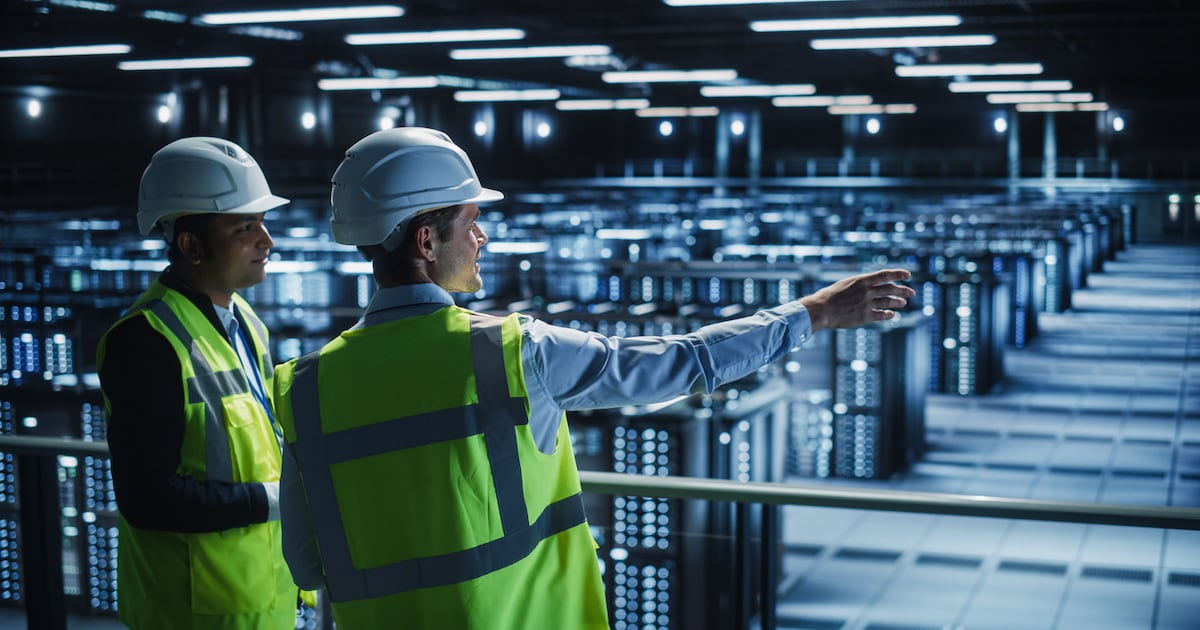
Essentially, 2026 will be the year where physical constraints reassert themselves after more than a decade of advancement being software-led. The data centre explosion that came with the cloud has become more of an issue in the AI era.
The pandemic and the delays to movement of chips gave us a look at what kind of impact that can have. Back then, it was electric cars and Playstations that dominated the discussions on shortages. In 2026, such shortages could hit at every level of work and life given the increasing infrastructural pressures.
This will have a mixed impact on cybersecurity. AI-based attacks will obviously increase, but potentially not at the rate that may have been predicted just a few years ago. Malicious actors will feel the same infrastructural squeeze that the rest of us do, although that will likely make them more inclined to target infrastructure as well in 2026.
The companies looking to deliver advancements in the coming year are likely to face another human-led reality – the clear divide between how the US, the EU and China want to apply security and regulatory standards in the expanding digital world.
The US already wants TikTok to be regionalised in format for its users, while Australia’s social media restrictions on minors also point to a need for more localised approaches from global companies.
Things to Come predicted a unified technocratic process to avoid all of this. That, for good and bad, hasn’t come to pass. While the international nature of business and trade is more visible now, it’s really only the visibility of those connections that has changed over time, rather than their depth.
That’s also why trying to be precise when looking into the future is a fool’s errand. We have a good idea of what will happen in 2026, but it’s what none of us sees coming that will likely be the biggest factor.
Events outside the realm of technology will influence innovation. We need look no further back than the pandemic for that. The “unknown unknowns”, as [late former US secretary of defence] Donald Rumsfeld called them, will hold the most intrigue.
Things to Come is available to watch free and legally on YouTube. It’s an excellent piece of work that holds up well. It’s worth watching for its quality alone but also to see just how easily we can be foolish in our expectations for what lies ahead.