
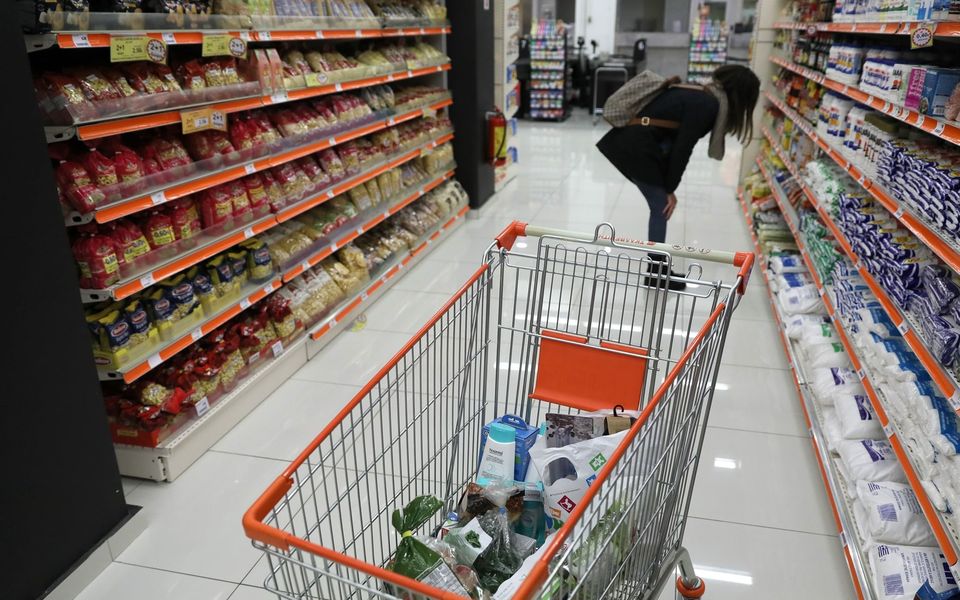
Due to high prices and persistent inflation, especially in food items (led by the price of olive oil), 46% admit to keeping a tight budget, while a considerable 37% say they have switched to lower-quality products – against just 15% of consumers in other countries.
Greece ended 2025 with rising inflation, as government measures proved insufficient to rein in prices, which at best remained stable at elevated levels. Structural problems in the Greek market, combined with the emergence of new domestic and international drivers of inflationary pressure, lay behind this outcome. As a result, although the average annual increase in the consumer price index in 2025 was significantly lower than during the 2022-2024 period, consumers saw persistently high prices across a broad range of goods and services gnawing away at their incomes.
A defining feature of 2025 was the emergence of a new source of price increases, this time in the services sector, while food prices failed to show the desired decline, registering only a slowdown in their rate of increase. Even where prices fell for some basic food items – such as olive oil following a massive surge in 2024 – new spikes emerged, including in beef, coffee and chocolate. Energy prices declined, but not enough to offset the burden on households and businesses by the sharp increases of 2022 and 2023.
The average annual change in the national consumer price index stood at 9.6% in 2022, 3.5% in 2023 and 2.7% in 2024. According to Eurostat estimates, Greece’s harmonized inflation rate rose by 2.9% in December 2025 compared with December 2024, up from 2.8% in November. Inflation in Greece moved in the opposite direction to that of the eurozone, where it slowed slightly to 2% from 2.1%.
Based on December data, average inflation for 2025 stood close to 3%, confirming revised estimates by the Bank of Greece, which raised its forecast to 3.1% from an initial 2.5%. A negative surprise was food inflation, which climbed to 3.5% in December – the highest level of the year – up from 2.7% in November, compared with 2.6% in the eurozone. Service prices rose sharply again, increasing 4.5% year-on-year, while energy prices remained negative. The acceleration in food prices came despite a widely promoted government initiative to contain prices, which has had a limited impact.
Looking ahead, however, both the government and the Bank of Greece forecast a slowdown in inflation in 2026, targeting rates of 2.2% and 2.6%, respectively.