
Reading Time: 2 minutes
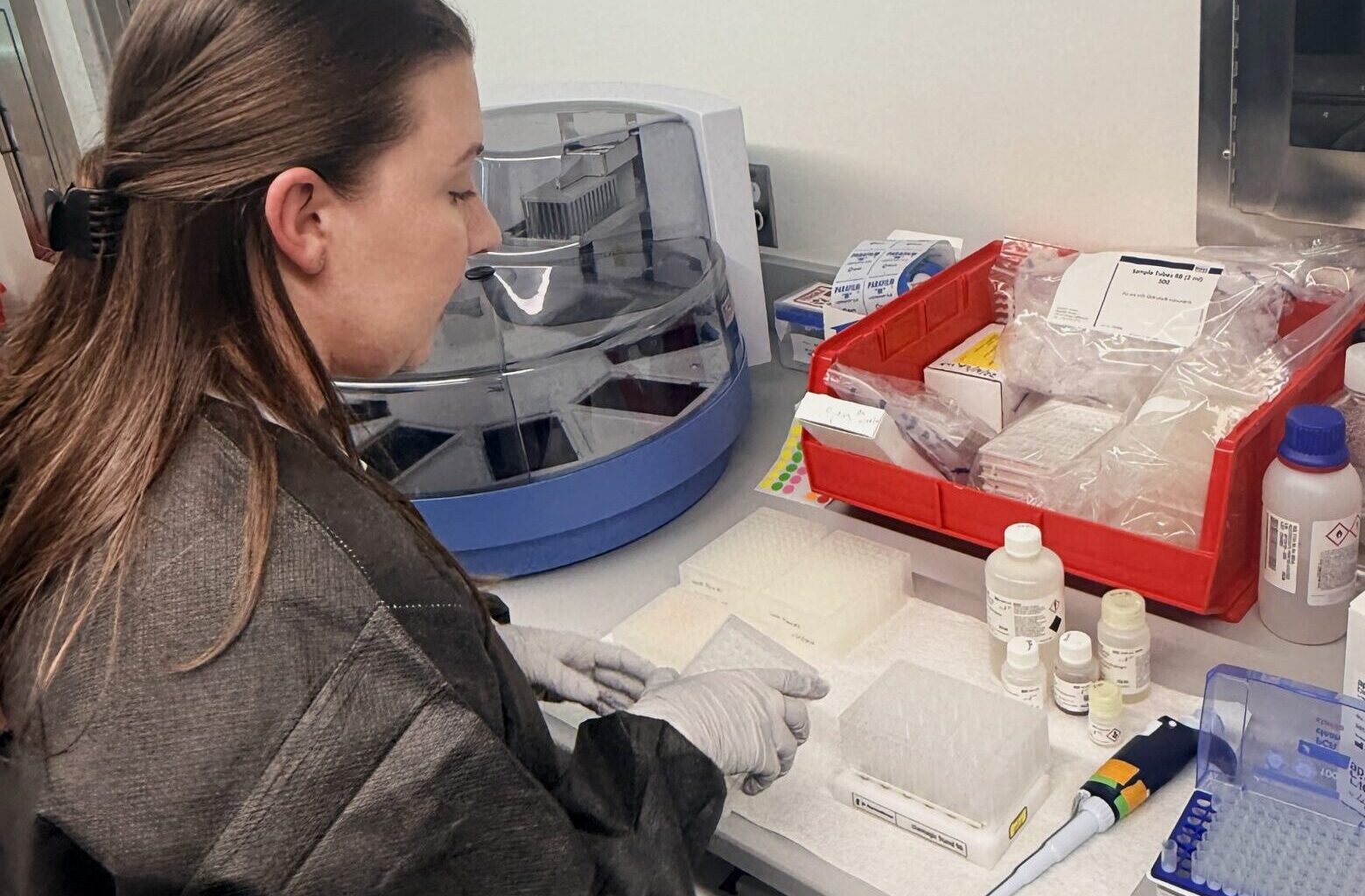
For the first time, the County’s public health lab today began routine in-house wastewater testing, with the results available on an online public dashboard.
Routine wastewater testing gives public health officials a snapshot of what diseases are circulating locally and the ability to track trends often before they are detected through the medical community’s robust testing. Along with the public visibility of the dashboard, trends are available to the medical community.
This type of testing began regionally during the Covid-19 pandemic with SEARCH (San Diego Epidemiology and Research for COVID Health), which was a County supported partnership with Scripps Research and the University of California San Diego which operated the necessary equipment. Federal funding for SEARCH ended in December 2025.
Following the May 2025 opening of the County’s new state-of-the-art Public Health Lab, specialists began the training and equipment certification necessary for wastewater testing.
“Bringing wastewater testing in house with our new lab is just one example of the County’s expanded ability to protect the public’s health and act quickly to confront emerging disease outbreaks,” said Dr. Sayone Thihalolipavan, M.D., M.P.H., County public health officer.
Wastewater testing works by collecting samples from regional sewage treatment plants. When people are sick with certain infections like flu or Covid, the viruses or bacteria are shed when they use the bathroom, shower, or wash their hands or clothes.
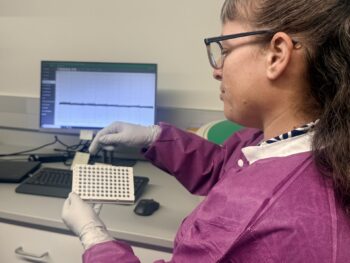
Locally, sewage water samples are collected for testing from the Point Loma Wastewater Treatment Plant, South Bay Water Reclamation Plant and the Encina Wastewater Authority.
The County’s wastewater testing will routinely look for Covid-19 (SARS-CoV-2), Influenza A and B, and respiratory syncytial virus or RSV. Molecular scientists can also use sequencing to figure out what specific strains of Covid are circulating in San Diego County. In the future, the County will expand testing to prioritized diseases.
Wastewater data is crucial for public health departments. It provides non-invasive and anonymous information about the health of our community, including for those who are sick but may not yet have any symptoms. Wastewater data can be used by public health departments to act quickly before a disease spreads in a community and track for the recurrence of disease.
Collecting population health data this way gives us a snapshot of what diseases are affecting people locally that might be missed by clinical testing.
Paired with surveillance data, public health officials can make decisions about the deployment of public health tools, health messaging and recommendations for the public, and alerting local health partners.
People can view wastewater data on a new dashboard available online on the County’s public health website.