
January 7, 2026
The letter below (a button to download it as a .pdf file is at the bottom of this page) was sent to seven top officials at the World Health Organization on Wednesday 7 January. Press coverage: The Guardian (9 January 2026); The BMJ (9 January 2026).
Dear Director-General Ghebreyesus and Colleagues,
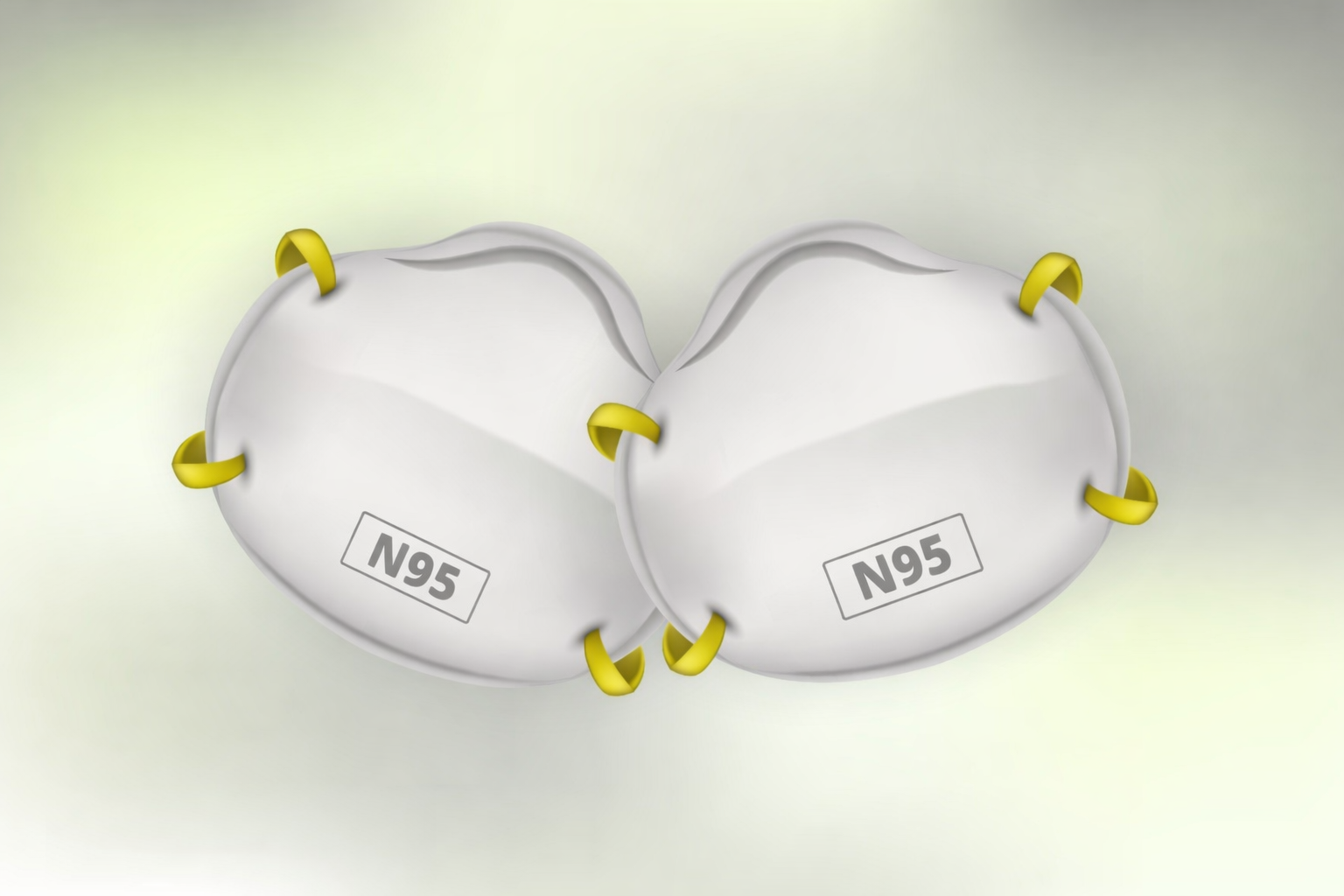
Thank you for your efforts to advance global public health through turbulent times. We are experts from around the globe in medicine, public health, law, industrial hygiene, and other disciplines, and we write today out of deep concern — and with sincere hope for change — regarding the World Health Organization’s historical and ongoing position on failing to advocate for the use of respirators [1] in healthcare settings.
In summary: (1) Surgical masks provide inadequate protection against airborne pathogens; (2) the current WHO guidelines are harming healthcare workers (HCWs) and patients; and (3) WHO as a global healthcare safety leader has the power to reduce disease burden in healthcare settings through more effective advocacy.
WHO should lead decisively toward safer healthcare by establishing respirators as the universal default for all healthcare encounters, with clearly defined, locally-determined off-ramps based on transparent risk indicators and the use of effective engineering controls. This recommendation would align WHO policy with science and existing safety standards and would improve safety for both patients and healthcare providers.
We present our rationale in more detail below, and we offer a seven-step plan WHO should implement. The plan includes improving IPC Guidelines, correcting prior misinformation, supporting equitable access to respirators worldwide, and convening a broadly representative panel of experts and stakeholders to promote implementation of these improved healthcare safety measures.
The Time is Now
In light of WHO’s recent recognition of the airborne transmission of SARS-CoV-2 and other pathogens (Morawska et al. 2023), and in light of a consistent pipeline of scientifically-accepted evidence of the superiority of respirators over surgical masks, we respectfully submit that the time is now for WHO to correct prior missteps and properly protect patients and healthcare workers (HCWs) by advocating for respirator use as a universal standard in healthcare. We note that such a recommendation has recently been proposed in Canada (Canada Z94.4-251) and affirmed in the UK (BOHS COSHH, 2025).
We urge WHO to recommend respirators be used in every encounter in all healthcare settings, as a reasonable default position to protect HCWs and patients against respiratory transmitted pathogens such as SARS-Cov-2 which continues to circulate globally and to mutate. WHO could certainly also recommend that governments and establishments establish off-ramps when respirators need not be used, based on local and transparent risk assessment of factors such as community infection rates, CO2 (or viral) levels in room air, and the use of far UV light, HEPA filtration, or other environmental controls, etc. We emphasize that the evidence shows that on the ground, mandates and norms are more effective than mere recommendations (Lu, et al., 2021).
The remainder of this letter discusses the urgent need for more respiratory protection in healthcare, and the use of effective devices rather than ineffective ones. Although respiratory protection is merely one element in a comprehensive response to reduce illness in HCWs and patients, we confine our remarks to this element for reasons that will be obvious in the document.
The Case Is Clear: Surgical Masks Do Not Provide Adequate Protection.
There is now overwhelming evidence — from decades of laboratory science, aerosol physics, and occupational hygiene — that surgical masks, which were not designed for wearer or patient protection against respiratory infection, are vastly inferior to respirators (Greenhalgh et al. 2024). The CDC states: “Surgical masks are not respiratory protective devices, such as respirators” (CDC/NIOSH 2020). Respirators are regulated on their ability to achieve a specific minimum protection factor, while surgical masks are not (CCOHS 2025). Respirators for health care settings are plentiful, affordable, comfortable, and safe, with new models developed routinely that provide additional breathability, ecological sustainability, and reusability. There is no rational justification remaining for prioritizing or using surgical masks in healthcare environments. There is even less justification for allowing HCWs to wear no face covering at all, or for facilities to discourage respirator or mask use by patients.
The use of surgical masks as primary respiratory protection in healthcare settings represents a critical mismatch between the hazard and the protective equipment provided and is fundamentally inconsistent with core principles of occupational safety (IOSH, 2025). It is now well-established that humans infected with pathogens continuously emit potentially infectious, aerosol-sized particles during all respiratory activities (Bagheri et al 2023; WHO 2024). When we combine this with what we know about exposure volumes, the contrast becomes stark: a few ballistic droplets have a very narrow target zone, whereas aerosols spread throughout the entire breathing airspace (US EPA, 2023; Wang et al. 2021). Moreover, infections initiated in the lower respiratory tract typically require lower infectious doses and lead to more severe clinical presentations (Thomas 2013). So currently, we are protecting HCWs and their patients against a droplet in an ocean of aerosols. This inadequacy would not be tolerated in any other industry—nor should it be in healthcare.
We see the consequences of this failed protection every day: healthcare-acquired infections (Sandu et al. 2025) (and subsequent deaths and chronic illness) are alarmingly common, and HCWs consistently top the statistics for acute and chronic infection-related absences. (EU OSHA 2024). It is eye-opening that SARS-CoV-2 infection caused a 250% increase in HCW’s work-related fatal accidents (death due to occupational SARS-CoV-2) in 2020 in EU data. In addition, presenteeism (working while ill) is pervasive in health care settings (Linsenmeyer et al. 2023). These tendencies place immense strain on our already critically burdened system.
We have an undeniable opportunity to radically improve this situation. Laboratory and field studies have long shown that respirators can reduce inhaled exposure to infectious aerosols by approximately 80% and up to 98%, even without professional fit testing (Lai et al, 2024; Duncan et al., 2021; Clapp et al. 2020). Initial and periodic fit testing further improves respirator performance, may be required by regulation in some settings, and is not unduly burdensome to employers. When both parties in a healthcare encounter wear respirators, the resulting exposure can be reduced by 96% or more (Bagheri et al. 2021). In stark contrast, surgical masks tend to reduce exposure merely by about 40% or even less (USEPA 2020). This is far from a marginal difference; depending on the shape and parameters of the dose-response function relating the concentration of SARS-CoV-2 or other virions in the breathing zone to the infectious dose for any particular individual, a respirator could easily prevent transmission of disease between an HCW and patient, whereas a surgical mask could easily fail to reduce exposure to below the infectious dose.
Randomized controlled trials and epidemiological studies that attempt to assess the impact of surgical masks or respirators in reducing disease, hospitalizations, or deaths in community settings are inherently flawed and misleading due to substantial methodological limitations and lack of statistical power (Greenhalgh et al, 2024; Kollepara et al. 2021). They are not capable of measuring true exposure reduction, because subjects in the “protected” group may be unmasked for large portions of the day, while subjects in the control group may be protected at some times (see, e.g., Alfelali et al. 2020). Studies that measure disease or severe disease add substantial and unmeasured noise from individual variations in susceptibility and exposure. At best, these studies show that mandates for respirator use may be difficult to enforce outside the workplace— they do not and cannot disprove the well-documented physical efficacy of respirators themselves (Brosseau et al., 2023).
Current WHO Guidance is Contributing to Harm
While we acknowledge the important work that WHO did in clarifying the airborne nature of SARS-CoV-2 and other pathogens (WHO 2024), we are deeply alarmed that WHO continues to support policies allowing HCWs to wear surgical masks — or no respiratory protection at all — when caring for patients. This position is not only scientifically indefensible but also dangerous:
It contributes directly to HCW acute and chronic illness, burnout, and staffing shortages.It exposes patients to preventable and potentially even lethal risk. Hospital-associated infections by SARS-CoV-2 carry consistently higher mortality rates than community-associated infections (Langlete et al, 2025). Patients who want to protect themselves are needlessly and wrongfully placed in a vulnerable position when HCWs refuse to use respirators and may even discourage or forbid patients from doing so.For patients, the time spent in healthcare settings may represent the single highest exposure risk they face all year — due to high infection prevalence, close proximity, and lack of airborne precautions.It erodes public trust and exposes a lack of competence, professionalism and ethics in healthcare in a very visible way, thus damaging the reputation and influence of the medical profession which can lead to reduced compliance with professional guidance and increased vulnerability to misinformation (Dorfman et al., 2023).The Path Forward: WHO as a Global Healthcare Safety Leader
While we understand that WHO does not directly mandate policies worldwide, its influence on global health policy is profound. We urge you to act now to address the threat of airborne transmission, and take the following steps:
Update IPC Guidelines to recommend respirators (e.g., N95, FFP2/3, elastomeric) in all healthcare settings — not just during outbreaks or high-risk procedures, but as a baseline occupational safety standard. The Guidelines could recommend locally-determined off-ramps based on precautionary interpretations of current local and establishment-specific conditions.Revisit prior statements about how SARS-CoV-2 is transmitted, and unambiguously inform the public that it spreads via airborne respiratory particles (a term subsuming both “aerosols” as well as “droplets”). Restoring public trust begins with transparency and accountability. To close the knowledge gap, provide comprehensive training and education on risk reduction for airborne hazards.Leverage WHO’s partnerships and procurement infrastructure to support equitable access to certified respirators globally — particularly for healthcare systems in low- and middle-income countries. Over time, surgical masks should be produced in progressively smaller quantities, as safer, more effective respirators have been and remain readily available.Launch global campaigns normalizing the use of respirators as a basic tool of infection prevention — not as emergency gear, but as modern personal protective equipment.Integrate universal respiratory protection into pandemic preparedness frameworks, including the forthcoming WHO Pandemic Accord. Respirators must no longer be treated as optional, nor as luxury items.Convene multidisciplinary experts, including industrial hygienists, aerosol scientists, social scientists, healthcare workers, disease transmission modelers, and patient advocates, as well as infectious disease modelers, to advise on implementation and adherence.Clearly, publicly, and regularly reinforce the message that while WHO had stopped referring to SARS-CoV-2 as a Public Health Emergency of International Concern in 2023, the pandemic is still ongoing. This will make countries accountable for mitigating the ongoing risks or covering the ongoing costs of inaction.
We emphasize that if it is the case that not every country can afford to shift from surgical masks to respirators (which we dispute, given how small this marginal cost is compared to the much larger costs of health care), WHO should not recommend waiting until these recommendations can be applied everywhere before they are applied anywhere. We must not compromise everyone’s health by citing the impossibility of a uniform, instantaneous change. Instead, we must strive for continuous improvement, where best practices and innovations gradually spread from early adopters to others, progressively elevating the overall level of protection across the entire system. [2]
These steps would not only align WHO policy with current science — they would save lives, particularly of the HCWs and patients most vulnerable to healthcare-acquired infections. They would also signal that WHO has the courage and humility to adapt, lead and usher in a new era of respiratory protection.
A Final Thought
We understand that many public health leaders made decisions under conditions of crisis and uncertainty. But now that it is universally acknowledged that SARS-CoV-2 and other respiratory-transmitted viruses are airborne, inaction is no longer justifiable. History will remember not only what WHO said during the early pandemic — but how it responded after the evidence for airborne transmission became indisputable, and in light of the long-settled scientific conclusion that only respirators can provide significant exposure and risk reduction.
We urge you to lead decisively — with scientific rigor, equity, and integrity. We are confident that WHO can chart a bold course — one that future generations will look back on as a pivotal step toward a healthier, fairer, and more resilient global health system.
We would be happy to discuss the content of this letter with you and any others at WHO; please contact us via Dr. Adam Finkel (adfinkel@umich.edu).
Authors, Endorsers and Signatories
This letter was authored by a core drafting group drawn from medicine, public health, occupational health, law, and systems science, working collaboratively across disciplines.
It is endorsed by senior clinicians, public health leaders, occupational hygienists, aerosol scientists, legal scholars, patient advocates, and policy experts from multiple countries.
The letter is supported by over 2,300 signatories worldwide, representing healthcare workers, researchers, educators, patients, and concerned members of the global health community.
A complete list of endorsers and signatories is provided in Appendix A.
Affiliations are listed for identification purposes only.
Sincerely,
Yaneer Bar-Yam, PhD, co-Founder, World Health Network; Professor and President, New England Complex Systems Institute
Adam M. Finkel, ScD, CIH, Clinical Professor of Environmental Health Sciences, University of Michigan School of Public Health, and formerly (1995-2000) the chief regulatory official at the U.S. Occupational Safety and Health Administration
Greta Fox, MS, NP, World Health Network (WHN)
Lotta-Maria Oksanen, MD, PhD, Postdoctoral Researcher, Airborne Infections and Protective Measures; Resident Physician, University of Helsinki; Faculty of Medicine, Helsinki, Finland
Špela Šalamon, MD, PhD, (World Health Network)
Liza K. Tóth, JD, BSc (Chem), Retired US Intellectual Property Attorney (CA, USPTO), Science and Policy Member, World Health Network
Joe Vipond, MD, FCFP, CCFP (EM), BSc (hon), Clinical Assistant Professor Department of Emergency Medicine, University of Calgary, Co-Chair and Co-founder of the Canadian Covid Society
ENDORSED BY:
Verónica Athié-Morales, BSc, MSc, PhD – Microbiology, Biochemistry, Toxicology, Immunology, ConCiencia ECAI, Mexico
Samuel R. Bagenstos, JD, Frank G. Millard Professor of Law at the University of Michigan
Michael Baker, MBChB, FAFPHM, FNZCPHM, Professor of Public Health, University of Otago, Wellington, New Zealand
Jeffrey S Birkner PhD, CIH
Ludovica Bricca, MD, Specializing in Hygiene and Preventative Medicine, Università della Cattolica del Sacro Cuore – Rome
Lisa M Brosseau, ScD, CIH, Professor (retired), Owner, Colfax South LLC; Research Consultant, University of Minnesota, Center for Infectious Disease Research and Policy
Professor Giorgio Buonanno, PhD, University of Cassino and Southern Lazio, Italy.
Adjunct professor, Queensland University of Technology (QUT), Brisbane, Australia
Danilo Buonsenso, MD, MSc, PhD, Università Cattolica del Sacro Cuore, Roma, Italia
Professor Stephanie J. Dancer, BSc, MB.BS, MD, MSc, FRCPath, DTM&H, FRCP(Ed), FESCMID, FISAC, Consultant Microbiologist, NHS Lanarkshire & Professor of Microbiology, Edinburgh Napier University, Scotland
Joseph L. Eastman, PhD, WHN Science and Policy Group
Andrew Ewing, PhD, Chair, WHN Long COVID Advisory Group; Professor of Chemistry and Molecular Biology, University of Gothenburg, Sweden; Elected member of the Swedish Academy of Sciences
Anthony Fenn, FRCS, MBA, MSc, Public Health
Eric Feigl-Ding, ScD, Epidemiologist, Health Economist
Lyne Filiatrault, MDCM, FRCPC, Canadian Aerosol Transmission Coalition
Gregg Gonsalves, PhD, Associate Professor, Epidemiology of Microbial Diseases, Yale School of Public Health
Trisha Greenhalgh, OBE, MD, FRCP, FRCGP, FFPH, Professor of Primary Care Health Sciences, University of Oxford
Tee L. Guidotti, MD, MPH, DABT, FRCPC, FFOM RCP, FFPM RCPI, Fellow, Royal Society of Canada, Retired Professor of Occupational and Environmental Medicine, Pulmonary Medicine, Epidemiology; University of Alberta, The George Washington University
Dr Rajiv Kumar Gupta, MD, Professor and Head, Community Medicine, Govt. Medical College Jammu, India
Matti TJ Heino, Social Psychologist
Kevin Hedges, PhD, FAIOH, CIH, COH, Workplace Health Without Borders WHWB (International) and Canadian Aerosol Transmission Coalition (CATC)
Michael Hoerger, PhD, MSCR, MBA, Program Lead for Cancer Population Science, Tulane Cancer Center
Jonathan Howard, MD, Chief of Neurology, Bellevue Hospital
Barry Hunt, BSc, Executive Director, Coalition for Community and Healthcare Acquired Infection Reduction (CHAIR)
Jose L. Jimenez, PhD, Distinguished Professor of Chemistry; Fellow of CIRES, University of Colorado
Dr David Joffe MBBS(Hon.) PhD, FRACP, World Health Network Long Covid Expert Advisory Group, Vice-Chair, Visiting Medical Officer, Respiratory and Sleep Medicine, Royal North Shore Hospital
Douglas B. Kell CBE, Research Chair in Systems Biology, University of Liverpool
Dr. Asad Khan, FRCP(Edin), FRACP, Consultant Respiratory Physician, Manchester, UK (Retired)
Prashant Kumar, PhD, Global Centre for Clean Air Research (GCARE), University of Surrey, UK
Professor Julia Lawton, School of Population Health Sciences, University of Edinburgh
Cam Mackey, President & CEO, International Safety Equipment Association (ISEA)
Dr. Nancy Malek, MBBS, FANZCA, WHN Long COVID Advisory Group
Nancy M. McClellan, MPH, CIH, CHMM, CEO, Occupational Health Management, PLLC
Professor Martin McKee, CBE, MD, DSc, FMedSci, Professor of European Public Health, London School of Hygiene and Tropical Medicine, Past President, British Medical Association & European Public Health Association, Research Director European Observatory on Health Systems & Policies
George Monbiot, author, journalist, environmental activist
Distinguished Professor Lidia Morawska, PhD, Director, International Laboratory for Air Quality and Health (WHO CC for Air Quality and Health), Queensland University of Technology, Brisbane, Australia
Stefano Pallanti, MD, PhD, Instituto di Nueroscienze
Narender Paul, Chief Operating Officer CORD, India
Prof Etheresia Pretorius, PhD, Stellenbosch University South Africa
Prof. Sunil Raina, MD, Dr. RP Government Medical College, Tanda (HP), India & World Health Network
Walter Ricciardi, MD, MPH, MSc, Hon PhD, Professor of Hygiene and Director of the school of Hygiene and Public Health, Università Cattolica del Sacro Cuore (UCSC) (Rome). He is Chair of the Mission Board for Cancer (EC), the Scientific Committee of Human Technopole Foundation, and the European Mission Board for Vaccination.
James D. Sessford, R. Kin, PhD, Research Associate at University of Toronto, Co-Investigator on long COVID grant from Long COVID Web
Kristin Shrader-Frechette, PhD, O’Neill Family Professor Emerita, Department of Philosophy and Department of Biological Sciences, University of Notre Dame
Lawrence Sloan, MBA, CAE, FASAE, CEO, American Industrial Hygiene Association (AIHA)
Raymond Tellier MD MSc FRCPC CSPQ FCCM D(ABMM), Associate Professor McGill University
Desmond Whyms, BA, MA, DipPH, Retired Senior Public Health Advisor UK DFID/FCDO
This letter is authored and endorsed by medical doctors, researchers, occupational hygienists, public health professionals, lawyers, patient advocates, and concerned members of the global health community. Affiliations of individuals provided for purposes of identification only.
[1] Surgical masks are not respirators; they are not designed for, or capable of, providing personal or community protection against airborne contaminants. Respirators include filtering-facepiece respirators (N95, FFP2/3, KN95, and similar devices worldwide). They also include devices with an elastomeric flange that provides even a tighter fit to the wearer’s face. These devices are re-usable. Crucially, respirators that attach with two elastic straps to the neck and crown of the head offer tighter fit and thus significantly more protection than ones that use ear loops (Duncan et al. 2021).
[2] We urge WHO to pay no attention to diversionary arguments and excuses. The physiological effects of wearing a respirator are insignificant, and certainly do not involve meaningful amounts of CO2 accumulation (Spang et al., 2021).
REFERENCES CITED
Alfelali, M., Haworth, E. A., Barasheed, O., Badahdah, A.-M., Bokhary, H., Tashani, M., Azeem, M. I., Kok, J., Taylor, J., Barnes, E. H., El Bashir, H., Khandaker, G., Holmes, E. C., Dwyer, D. E., Heron, L. G., Wilson, G. J., Booy, R., Rashid, H., & Hajj Research Team. (2020). Facemask against viral respiratory infections among Hajj pilgrims: A challenging cluster-randomized trial. PloS One, 15(10), e0240287. https://doi.org/10.1371/journal.pone.0240287
Bagheri, G., Thiede, B., Hejazi, B., Schlenczek, O., & Bodenschatz, E. (2021). An upper bound on one-to-one exposure to infectious human respiratory particles. Proceedings of the National Academy of Sciences of the United States of America, 118(49). https://doi.org/10.1073/pnas.2110117118
Bagheri, G., Schlenczek, O., Turco, L., Thiede, B., Stieger, K., Kosub, J. M., Clauberg, S., Pöhlker, M. L., Pöhlker, C., Moláček, J., Scheithauer, S., & Bodenschatz, E. (2023). Size, concentration, and origin of human exhaled particles and their dependence on human factors with implications on infection transmission. Journal of Aerosol Science, 168, 106102. https://doi.org/10.1016/j.jaerosci.2022.106102
British Occupational Hygiene Society. (2025). Guidance for Healthcare Employers and Workers on the use of Fluid Resistant Surgical Masks and Respirators. https://www.bohs.org/app/uploads/2025/07/COSHH-and-Healthcare-Respiratory-Protection.pdf
Brosseau, MacIntyre, Ulrich, & Osterholm. (2023). COMMENTARY: Wear a respirator, not a cloth or surgical mask, to protect against respiratory viruses. https://www.cidrap.umn.edu/covid-19/commentary-wear-respirator-not-cloth-or-surgical-mask-protect-against-respiratory-viruses
Canadian Standards Association (CSA). (2025). public draft of CSA Z94.4-25: Selection, Use, and Care of Respirators.
CCOHS. (2025, August 28). Respirators – respirators versus surgical masks versus non-medical masks. Canadian Center for Occupational Health and Safety. https://www.ccohs.ca/oshanswers/prevention/ppe/surgical_mask.html
Clapp. P.W., et al. (2020). “Evaluation of Cloth Masks and Modified Procedure Masks
as Personal Protective Equipment for the Public.” JAMA Internal Medicine, 181(4): https://doi.org/10.1001/jamainternmed.2020.8168
Dorfman, D., Raz, M., & Berger, Z. (2023). Physicians’ refusal to wear masks to protect vulnerable patients-an ethical dilemma for the medical profession. JAMA Health Forum, 4(11), e233780. https://doi.org/10.1001/jamahealthforum.2023.3780
Duncan, S., Bodurtha, P., & Naqvi, S. (2021). The protective performance of reusable cloth face masks, disposable procedure masks, KN95 masks and N95 respirators: Filtration and total inward leakage. PloS One, 16(10), e0258191. https://doi.org/10.1371/journal.pone.0258191
EPA. (2021, April 5). EPA researchers test effectiveness of face masks, disinfection methods against COVID-19. US EPA. https://www.epa.gov/sciencematters/epa-researchers-test-effectiveness-face-masks-disinfection-methods-against-covid-19
EPA. (2025, March 31). Indoor air and Coronavirus (COVID-19). US EPA. https://www.epa.gov/indoor-air-quality-iaq/indoor-air-and-coronavirus-covid-19
EU-OSHA. (2024). OSH in figures in the health and social care sector. European Agency for Safety and Health at Work. https://osha.europa.eu/sites/default/files/documents/HeSCare-OSH-Figures_EN.pdf
Greenhalgh, T., MacIntyre, C. R., Baker, M. G., Bhattacharjee, S., Chughtai, A. A., Fisman, D., Kunasekaran, M., Kvalsvig, A., Lupton, D., Oliver, M., Tawfiq, E., Ungrin, M., & Vipond, J. (2024). Masks and respirators for prevention of respiratory infections: a state of the science review. Clinical Microbiology Reviews, 37(2), e0012423. https://doi.org/10.1128/cmr.00124-23
IOSH. (2025). Principles of good occupational safety and health. https://iosh.com/about/what-we-do/osh-principles
Kollepara, P. K., Siegenfeld, A. F., Taleb, N. N., & Bar-Yam, Y. (2021). Unmasking the mask studies: why the effectiveness of surgical masks in preventing respiratory infections has been underestimated. Journal of Travel Medicine, 28(7). https://doi.org/10.1093/jtm/taab144
Lai, J., Coleman, K. K., Tai, S.-H. S., German, J., Hong, F., Albert, B., Esparza, Y., Rastogi, D., Srikakulapu, A., Kalliomäki, P., Schanz, M., Smith, A. A., Sierra Maldonado, I., Oertel, M., Fadul, N., Gold, T. L., McPhaul, K., Ma, T., Cowling, B. J., & Milton, D. K. (2024). Relative efficacy of masks and respirators as source control for viral aerosol shedding from people infected with SARS-CoV-2: a controlled human exhaled breath aerosol experimental study. EBioMedicine, 104(105157), 105157. https://doi.org/10.1016/j.ebiom.2024.105157
Langlete, P., Eriksen-Volle, H.-M., Paulsen, T. H., Raastad, R., Fagernes, M., Bøås, H., & Himmels, J. (2025). Healthcare-associated COVID-19 infections and mortality. The Journal of Hospital Infection, 158, 61–68. https://doi.org/10.1016/j.jhin.2025.01.008
Linsenmeyer, K., Mohr, D., Gupta, K., Doshi, S., Gifford, A. L., & Charness, M. E. (2023). Sickness presenteeism in healthcare workers during the coronavirus disease 2019 (COVID-19) pandemic: An observational cohort study. Infection Control and Hospital Epidemiology: The Official Journal of the Society of Hospital Epidemiologists of America, 44(10), 1693–1696. https://doi.org/10.1017/ice.2023.47
Lu, J. G., Jin, P., & English, A. S. (2021). Collectivism predicts mask use during COVID-19. Proceedings of the National Academy of Sciences of the United States of America, 118(23), e2021793118. https://doi.org/10.1073/pnas.2021793118
Morawska, L., and 32 others (2023). Coronavirus disease 2019 and airborne transmission: Science rejected, lives lost. Can society do better? Clinical Infectious Diseases, 76, 1854-1859.
Sandu, A. M., Chifiriuc, M. C., Vrancianu, C. O., Cristian, R.-E., Alistar, C. F., Constantin, M., Paun, M., Alistar, A., Popa, L. G., Popa, M. I., Tantu, A. C., Sidoroff, M. E., Mihai, M. M., Marcu, A., Popescu, G., & Tantu, M. M. (2025). Healthcare-associated infections: The role of microbial and environmental factors in infection control-A narrative review. Infectious Diseases and Therapy, 14(5), 933–971. https://doi.org/10.1007/s40121-025-01143-0
Spang, R. P., & Pieper, K. (2021). The tiny effects of respiratory masks on physiological, subjective, and behavioral measures under mental load in a randomized controlled trial. Scientific Reports, 11(1), 19601. https://doi.org/10.1038/s41598-021-99100-7
Thomas, R. J. (2013). Particle size and pathogenicity in the respiratory tract. Virulence, 4(8), 847–858. https://doi.org/10.4161/viru.27172
Wang et al. , Airborne transmission of Respiratory Viruses, Science Vol. 373, No.6558 https://www.science.org/doi/10.1126/science.abd9149
WHO Global Consultation Report on proposed terminology for pathogens that transmit through the air (2024) https://www.who.int/publications/m/item/global-technical-consultation-report-on-proposed-terminology-for-pathogens-that-transmit-through-the-air
Last reviewed on
January 9, 2026