
A new year, a new U-turn.
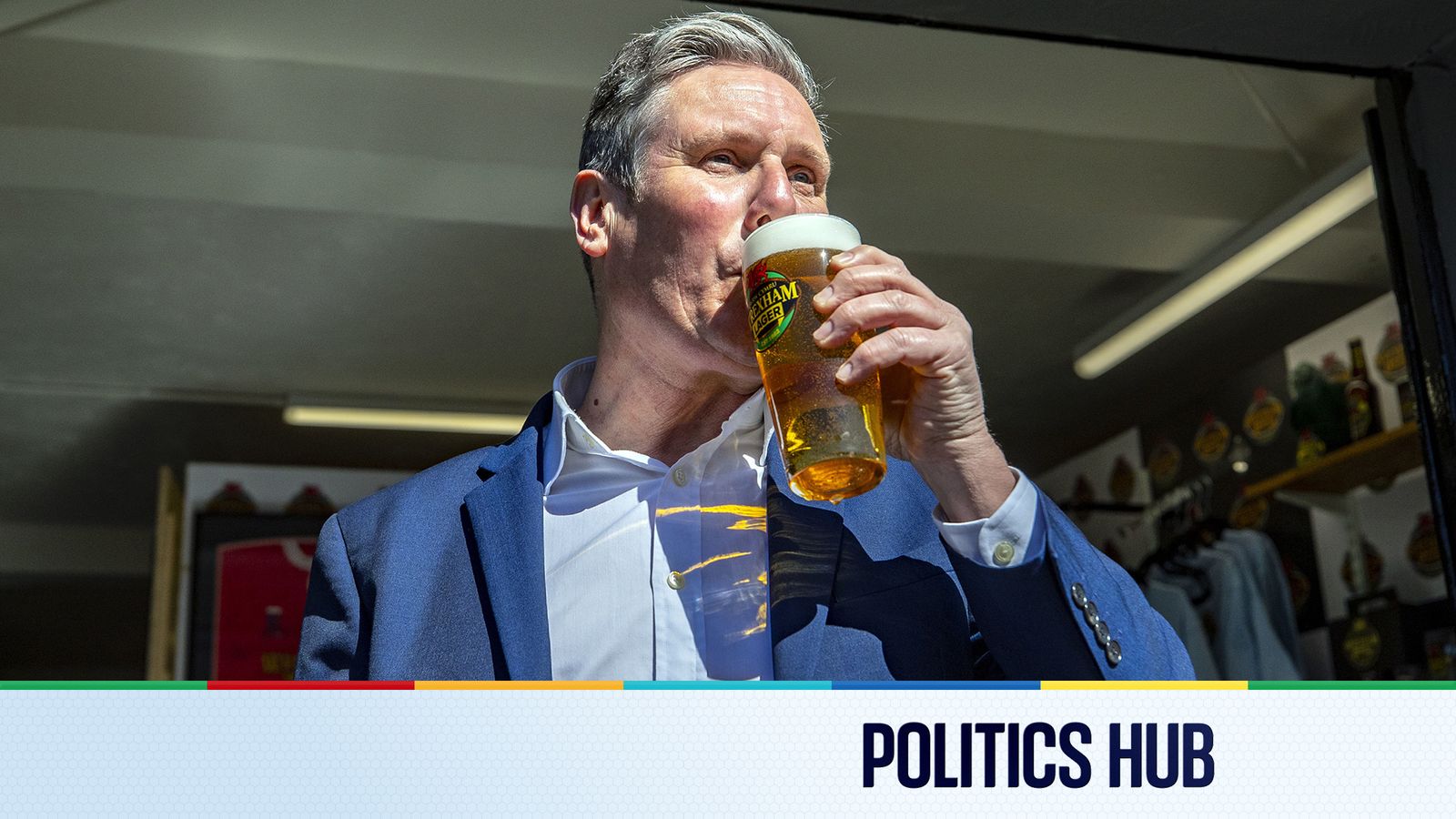
The Treasury made it clear yesterday they are going to step in to bail out pubs fearing last orders over a massive hike in business rates prompted by the chancellor’s decision to end COVID-era support, and the three yearly revaluations of property rates.
Overall the sector was braced for an average increase of 76% by 2030, prompting more than a thousand pubs to ban Labour MPs from the premises over Christmas and a growing campaign against the changes from both opposition parties and the government’s own backbenches. A substantial group of Labour MPs were even set to rebel in a vote next week.
Clearly, being barred from the local bar was quite the spur to action.
But the chancellor’s forthcoming largesse is targeted at pubs rather than other parts of the hospitality industry, who are demanding their own share of support. Hotels for example are set to be even harder hit than pubs– with a 115% rates increase currently expected by 2030.
But Treasury sources tell me that’s not currently in the frame.
“This is specifically about pubs. We’re not saying ‘no’ in general – the chancellor always keeps all taxes under review – but that’s not what this package is about.
“Pubs have their own separate valuation method to the rest of the industry, in the past that was supported by the sector, but it’s no longer up to scratch.”
I’m told business rate reform will be a key strand of the three-part package, with changes planned to the way pub valuations are carried out.
This wouldn’t come into force until 2029 – so the Treasury is also potentially looking at shorter term relief too.
Meanwhile, a series of licensing reforms which were already underway are set to be rolled into the final package – this is likely to include changes to the rules around opening hours, or licences for pavement drinking outside pubs.
As to when all of this will be unveiled, or how much it will cost – I’m told all will be revealed in the “coming days”.
The Times newspaper reports that the total bill for all of this is set to cost taxpayers some £300m – although the Treasury insists no final figure has been set, with changes possible until the last minute.
Whatever the bill, it’s not the smoothest start to 2026 for a government already under pressure – the seventh U-turn on a major policy since coming into office 18 months ago. But perhaps this time – unlike with the farmer’s inheritance taxes, or the winter fuel payments – they’ve acted quickly enough to prevent the worst of the political damage.
Anna Turley, the chair of the Labour Party, was on the defensive this morning, insisting the forthcoming announcement isn’t about making a U-turn, but about “listening, a sign of a government that has been in touch with people….it’s a sign of a confident government”.
And I’m told the Treasury genuinely hadn’t realised how bad the situation would be in advance, and they’re keen to change course.
“We only had the aggregate data from pubs before,” my source says.
“Due to taxpayer confidentiality we can’t see the individual data, so we couldn’t see in advance how all of the changes would affect individuals.
“It’s only since the announcement when we’ve been speaking to individual businesses about how the new rateable values will affect them that we can see it’s not playing out as it should do.
“There’s a big discrepancy between the significant winners and losers and that’s not how it should be.”
But while the nation’s beloved pubs may well be popping the corks this weekend – it’s cold comfort for the rest of the hospitality industry, who’ll be busy trying to learn the lessons from their successful campaign.