
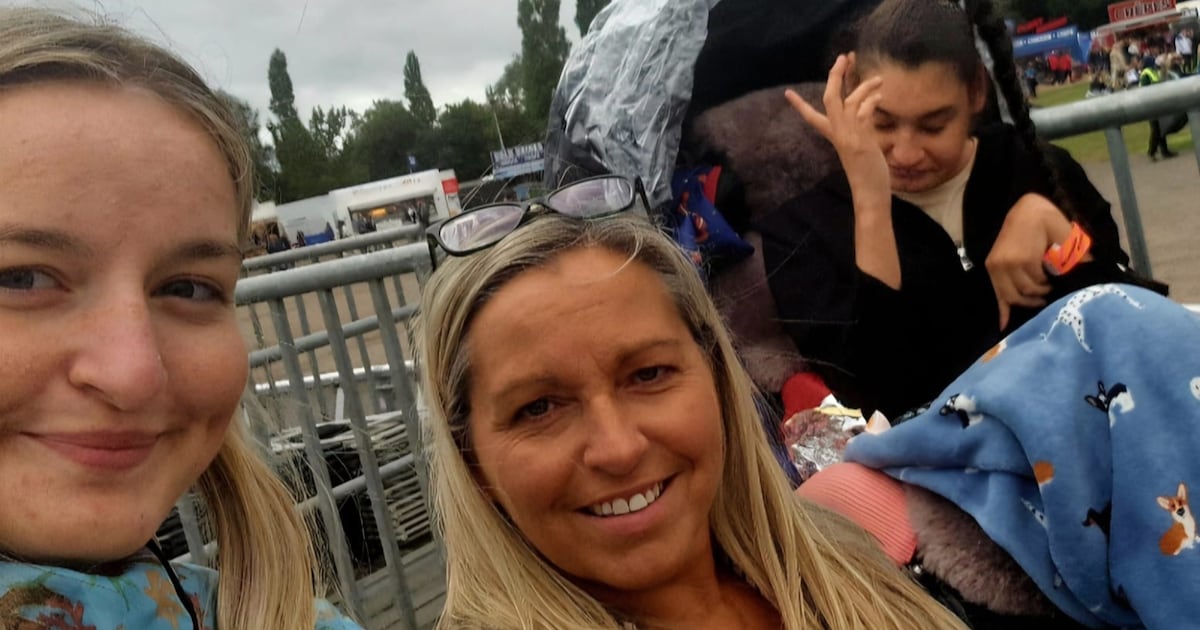
A Co Derry family has told of how they have had to go through the “degrading” experience of changing their disabled loved one on bathroom floors when attending medical appointments as less than one in five hospitals have dedicated changing place facilities.
Currently, only four of the north’s 25 local, general, area and regional hospitals as defined by the Department of Health (DoH) in October 2024 have changing place toilets.
These include the Southwest Acute and Altnagelvin Hospitals in the Western Trust, Antrim Area Hospital in the Northern Trust and Craigavon Area Hospital in the Southern Trust.
Read more: New specialised public toilets for people with complex needs to be introduced across Belfast


The toilets are typically larger than standard disabled bathrooms and contain adjustable changing benches, track hoist systems, privacy screens and adjustable wash basins.
In 2022, legislation was brought in by then-Finance Minister Conor Murphy which made such facilities a requirement in any new buildings where people gather, such as hospitals or entertainment spaces.
Speaking to The Irish News, Coleraine mother and daughter Tracey Henry and Kayla (20) said they were campaigning for the facilities to be extended to all of the north’s hospitals.
Tracey’s oldest daughter, 23-year-old Ellie, has quadriplegic cerebral palsy and is a full-time wheelchair user.
Ms Henry described the process of having to attend appointments in hospitals without changing facilities as a “nightmare”.
“If you want to change her, you’ve got to take her to a disabled bathroom – one where you can’t even get her chair into,” she said.
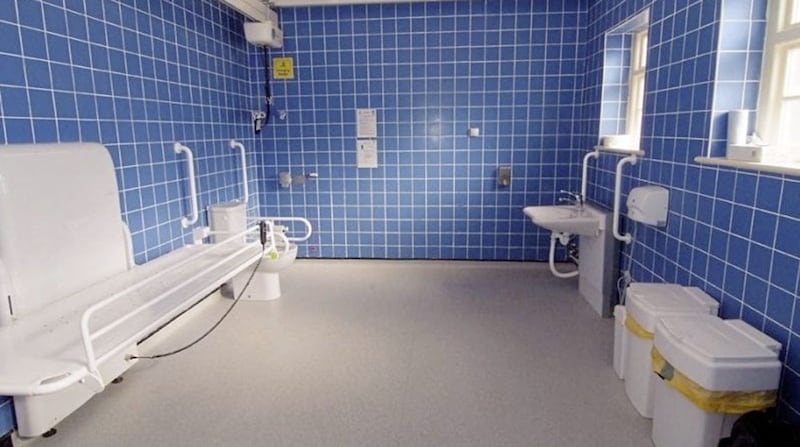 Changing places, like the one pictured, include features such as hoists and adjustable changing benches
“We have to take her, lift her and put her onto the floor and leave her chair outside.
“The floors are like any toilet floors are, absolutely a disgrace. Or she stays wet, and you have to take her into a shopping centre, where we know has a changing place.”
She added that the experience is “really degrading” and “hard work”, often having to bring extra blankets or coats to pad out the floors.
“It’s not the way it should be and it’s not dignified for her,” she said.
Ellie’s younger sister Kayla, who has launched a petition calling on the department to allocate dedicated funding to ensure facilities are installed in all hospitals, said that the issue had been “nagging” at her “for a while”.
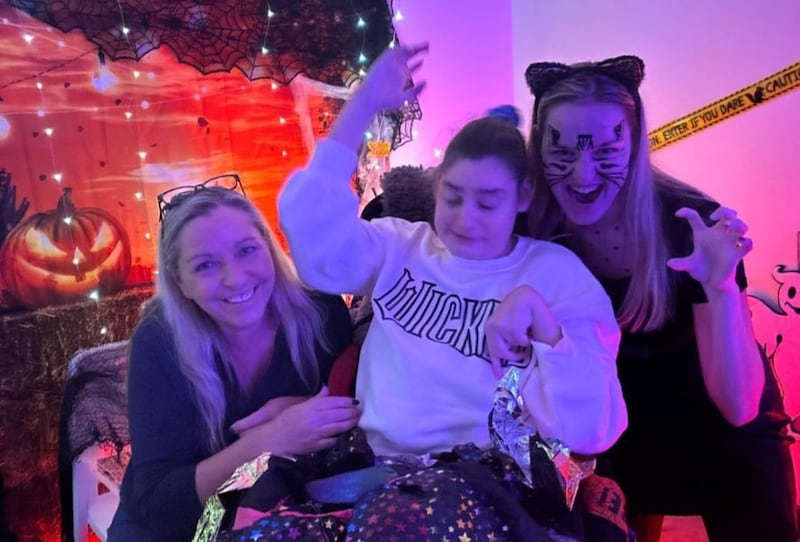 Tracey and Kayla pictured with Ellie (middle), who has quadriplegic cerebral palsy and is a full-time wheelchair user PICTURE: TRACEY HENRY
“It’s been a long-term thing with my sister,” she said.
“As soon as she couldn’t fit in a nappy you had to change her on the floor and it’s so dehumanising and it’s not right in this day and age.”
Having spoken with other families and individuals who are in a similar position, she said she’s heard from some who have had to “wet themselves” or “urinate outside then go into transport soaking wet”.
“Any disabled person could use the accessible change because they have a toilet in them but not every disabled person can use a disabled toilet and that’s what the difference is,” she added.
A DoH spokesperson said that all trusts have “disability action plans in place” and that all hospitals “currently provide public ambulant toilets and wheelchair accessible toilets, which allow a wheelchair user to use the facilities independently.”
They added that changing place facilities have been considered at design stage of all new healthcare buildings since 2009 and that they will continue to comply with requirements.
“Over time this will mean that the quantity of these facilities will increase across the healthcare estate,” they said.
However, they said that given the “severe financial challenges” and budgetary demands there were no plans to centrally fund the provision of such facilities in “any existing hospitals or health centres where currently not provided”.
The department recommended that patients should contact hospital staff in advance to make arrangements for “safe and dignified” changing facilities.