
A 17-year-old boy died in Ibagué died from yellow fever, health authorities confirmed. The death occurred in the pediatric intensive care unit of the ‘Federico Lleras Acosta’ Hospital, a reference center for the department.
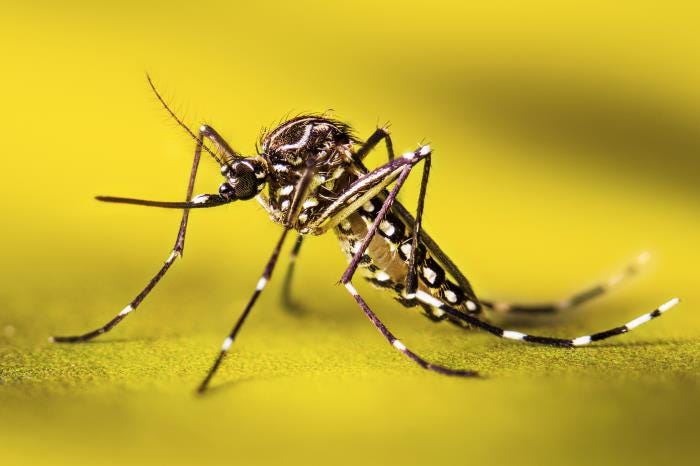 Image/CDC
According to the official report, the teenager had been referred on January 7 from a rural area of the municipality of Ataco, after showing a rapid deterioration in his health. Although he was treated by a specialized medical team, the disease progressed unfavorably.
The hospital specified that the patient had a vaccination record; however, the yellow fever caused multisystemic complications, which ultimately led to his death on the morning of January 10.
Following this event, health authorities reiterated the epidemiological alert in the department and reinforced the call for prevention, especially in endemic areas of Tolima, where a high percentage of the cases reported nationwide are concentrated.
The Department of Health reminded citizens of the importance of verifying and keeping their vaccination records up to date, as well as going immediately to a health center if they experience symptoms such as high fever, jaundice, persistent vomiting, bleeding, or neurological alterations, signs that may indicate serious complications.
As a preventive measure, during the long weekend from January 10 to 12, the Mayor’s Office of Ibagué activated a special yellow fever vaccination campaign, with vaccination points available at Perales National Airport, the Bus Terminal, medical centers, intermediate care units, and police and army health posts.
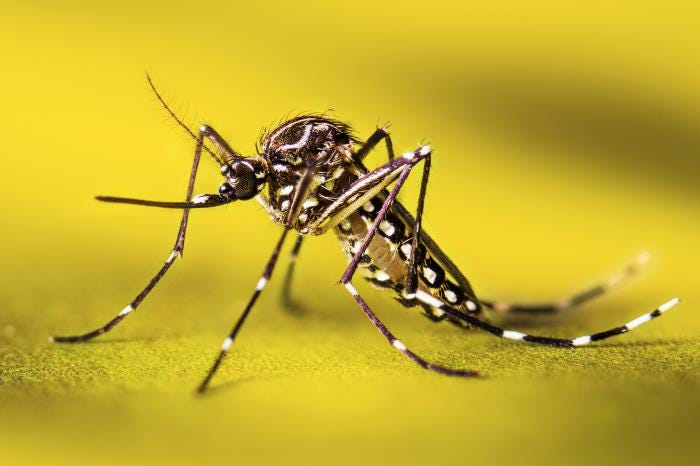
Authorities insisted that the vaccine is free, safe, and essential for saving lives, especially for those who reside in or travel to risk areas, reiterating the call for shared responsibility among citizens to prevent further fatal outcomes. Yellow fever is an acute viral disease transmitted by mosquitoes, of great epidemiological importance in Colombia, a country that presents favorable ecological conditions for its circulation. The virus belongs to the Flavivirus genus and is maintained in nature through two transmission cycles: the sylvatic cycle, which involves mosquitoes of the genus Haemagogus and non-human primates, and the urban cycle, mainly associated with the Aedes aegypti mosquito.
Subscribe to Outbreak News TV on YouTube
In Colombia, yellow fever is endemic in large jungle and rural areas, especially in regions below 2,200 meters above sea level. The departments at highest risk include areas of the Amazon, the Orinoco region, the Middle Magdalena region, and sectors of the Pacific coast. Human cases usually occur in unvaccinated people who enter areas of active transmission, such as rural workers, miners, farmers, or travelers.
Clinically, the disease can range from mild cases with fever, headache, and myalgia, to severe forms characterized by jaundice, hemorrhages, liver and kidney failure, with a high mortality rate in severe cases. There is no specific antiviral treatment, so care is primarily supportive.
Vaccination is the main prevention and control measure. The yellow fever vaccine is safe, highly effective, and confers long-lasting immunity. In Colombia, it is part of the national vaccination schedule in risk areas and is mandatory for those traveling to endemic areas. Other strategies include epidemiological surveillance, vector control, and timely reporting of epizootics in primates, which act as sentinel events.
In the Colombian context, yellow fever continues to represent a public health risk, making it essential to maintain adequate vaccination coverage and strengthen prevention efforts, especially in the face of environmental and climatic changes that favor the expansion of the vector.