
The festive season can lead to money woes – but one silver lining is the ability to claim back tax in the New Year
14:33, 14 Jan 2026Updated 14:34, 14 Jan 2026

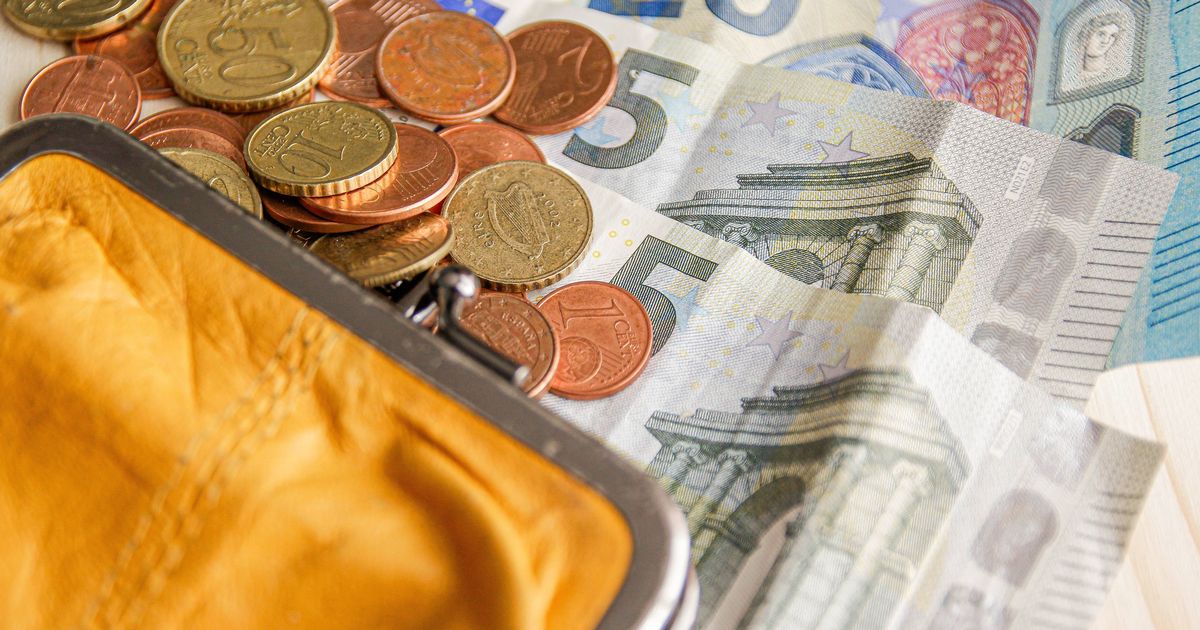
Money (stock)(Image: )
January can be a tough month for workers, as following an early payday in December, the typical Christmas expenses can make it difficult to stretch the final paycheck of the year out until the end of January.
For those who were a bit overly-generous when giving gifts or overspent on one too many Christmas nights out, it may be worth filing your income tax return to see if the taxman owes you anything back for 2025.
Due to tax overpayments, some people may be entitled to hundreds of euros, and certain essential expenses can also be claimed back through Revenue’s online services.
The best part is that it can all be done in one afternoon by logging into the MyAccount section of ros.ie and Revenue has outlined the steps you need to take to claim back any money owed.
PAYE workers
“PAYE taxpayers should submit a PAYE Income Tax Return to confirm their final tax position for a specific tax period,” Revenue says.
Once a PAYE Income Tax Return has been completed for a given year, a Statement of Liability will be issued and confirm if a taxpayer has:
Overpaid Income Tax or Universal Social Charge (USC) to Revenue and are due a refundUnderpaid Income Tax or USC to Revenue and how that amount will be collectedHave a balanced final tax position for a specific tax (meaning that there is no refund due or underpayment on record).
Any refund due will be transferred directly to the individual’s bank account within three to five working days. If a customer does not provide their bank details, the refund will be issued by cheque to their confirmed address on record.
What happens if you owe money?
If a PAYE taxpayer has a confirmed underpayment of Income Tax or USC of less than €6,000, Revenue will collect the liability through a reduction of their tax credits over a four-year period, from 2026 onwards.
“Should an individual prefer not to have their tax credits reduced, they have the option to pay any outstanding liability partially or in full through the ‘Payment/Repayments’ section’. For underpayments in excess of €6,000, correspondence will be issued directly to the person concerned in relation to the liability,” Revenue added.
What expenses can people claim tax on?
Many people are unaware that they can claim back tax on a range of medical expenses. The list includes doctors’ and consultants’ services, diagnostic procedures, IVF, psychologist or psychotherapist visits, drugs and medicines, physio, special diet expenses for coeliacs and diabetics, medical devices costs and much more.
“Individuals may be eligible to claim relief for remote working or tuition fees depending on their specific circumstances,” Revenue added.
Renters can also avail of a €1,000 credit.
How can people claim real-time expenses?
“A Real Time Credit facility is available for PAYE taxpayers on myAccount. The facility allows taxpayers to claim tax credits and reliefs for certain qualifying expenditure in real time.
“When a claim has been processed, an amended Revenue Payroll Notification (RPN) will be made available to their employer. This will allow for the relevant adjustment to be made through payroll and to receive a refund, if due.”
What about self-employed people?
You should register for Income Tax self-assessment if you are self-employed or your only or main source of income is rental income, investment income, foreign income (including pensions), maintenance payments, fees that are exempt from PAYE or you profited from share options or share incentives.
You must register for self-assessment if your taxable non-PAYE income exceeds €5,000 or your gross non-PAYE income exceeds €30,000.
“Under self-assessment, there is a common date for the payment of tax and the filing of tax returns. You must file your tax return on, or before, 31 October in the year after the year to which the return relates.”
This system, which is known as Pay and File, requires you to file your return for the previous year, make a self-assessment for that year, pay the balance of tax for that year, and pay preliminary tax for the current year.
Are there any specific credits self-employed people can claim back?
Similar to PAYE taxpayers, there are a range of tax credits that self-assessed and self-employed taxpayers can claim, including health expenses, remote working expenses and the Earned Income Credit.
The Earned Income Credit is allowed in respect of the pay that you earn. It can be claimed by people who are self-employed. Contributions made to pension schemes are eligible for tax relief at your marginal tax rate of up to 40%, subject to conditions.
Visit Revenue.ie for more information.