
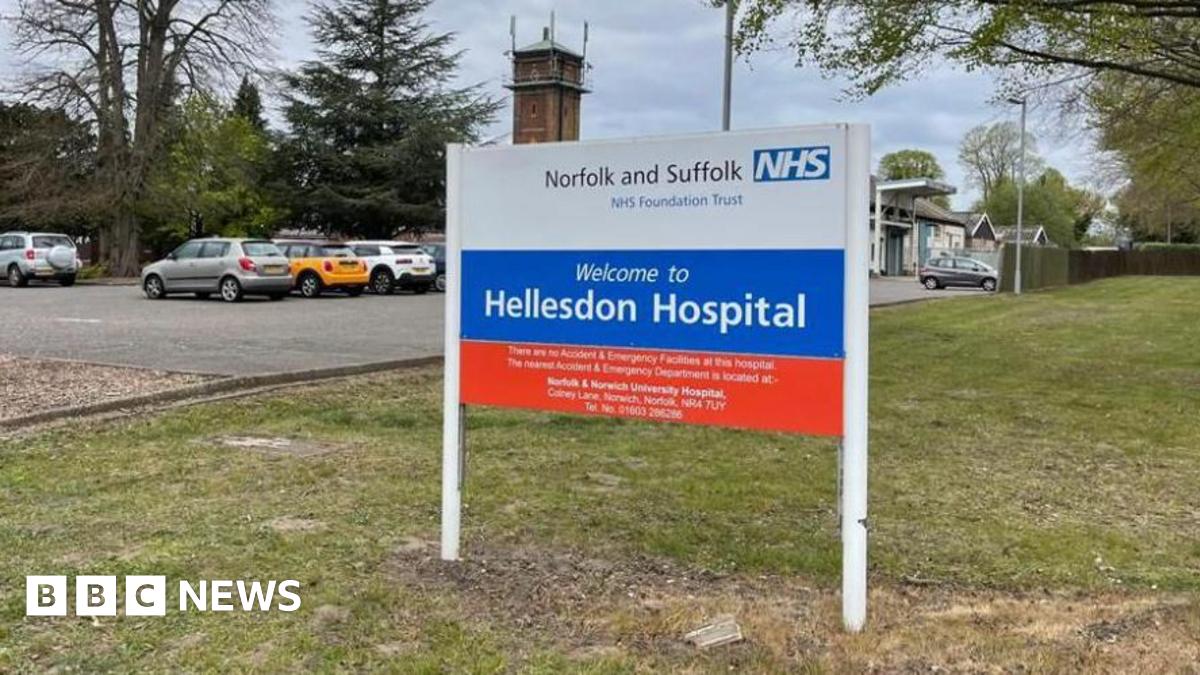
The trust was previously called one of the worst-performing mental health trusts in the country, having been in and out of special measures for nearly a decade.
It was removed from special measures in February 2025 and now has an overall rating of Good, with some areas rated as Requires Improvement.
For 2025-26, it had a planned income of £375m, but in a report to Suffolk County Council, the trust outlined financial challenges for the next financial year.
It said it would still need to find £18.7m – or 5% – in efficiencies in 2025-26, was “facing a gap to break even” of £29.6m in 2026-27, and was looking to make “permanent efficiencies”.
Passingham was concerned this could mean jobs would be lost.
“You just don’t take £29.6m out of the service and expect there to be no impact on jobs or services,” he said.
“When you see that your employer is being required to make £29m worth of savings, you can’t help but wonder and worry if that means your job is going to go or get harder and worse.”