
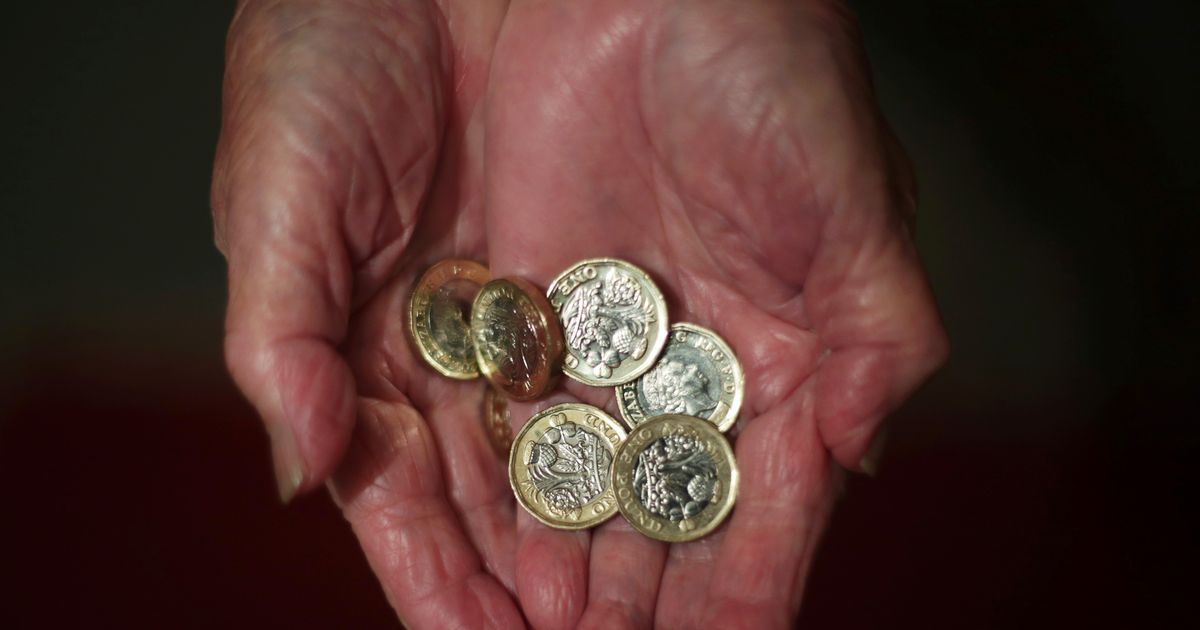
It was announced last year that the basic and new State Pensions will be increased by 4.8% from April 2026
How much State Pension rates are increasing in 2026(Image: PA)
Both the basic and new State Pensions will be rising in 2026 as well as many benefits from the Department for Work and Pensions. Benefits linked to inflation are set to rise by 3.8% from April, while others will get a 2.3% boost. The Secretary of State for Work and Pensions is required to review the level of benefits and State Pensions each year.
It was announced last year that the basic and new State Pensions will be uprated by 4.8% from April 2026, under what is known as the “triple lock” guarantee. The amount of money you will receive depends on which State Pension you are receiving.
Under the triple lock, the State Pension typically goes up each April by the highest of: Average wage growth, September’s Consumer Price Index (CPI), or 2.5%. Below are the new Pension Rates being introduced later this year:
Pension rates in 2026/27
The full rates for 2026/27 will be:
– £241.30 per week for the new State Pension (for those reaching State Pension age on or after April 6 2016) – up from £230.25 in 2025/26.
– £184.90 per week for the basic State Pension (the core amount in the old State Pension system) – up from £176.45 in 2025/26.
You’ll be able to claim the new State Pension when you reach State Pension age if you are a man born on or after April 6 1951 or a woman born on or after April 6 1953.
If you were born before, these rules do not apply. Instead, you’ll get the basic State Pension. You may also get Additional State Pension.
You’ll need ten qualifying years on your National Insurance record to get any new State Pension. According to the DWP, a qualifying year is one in which you were:
– working and made National Insurance contributions
– getting National Insurance credits for example if you were unemployed, ill or a parent or carer
– paying voluntary National Insurance contributions
The State Pension age in the UK is set to rise from 66 to 67 this year, with the change expected to affect all men and women by 2028. This adjustment, originally set out in legislation in 2014, is part of a broader plan that will see the State Pension age increase further to 68 between 2044 and 2046.
The Pensions Act 2014 provides for a regular review of the State Pension age, at least once every five years. The review will be based around the idea people should be able to spend a certain proportion of their adult life drawing a State Pension.
Your State Pension age is the earliest age you can start receiving your State Pension. It may be different to the age you can get a workplace or personal pension.
Anyone of any age can use the online tool at GOV.UK to check their State Pension age, which can be an essential part of planning your retirement.