

There is no doubt about it – the ability to cook well is akin to producing art and, like any artist, a good chef will want to showcase their creation exactly how it was imagined.
But what happens when someone makes a genuine and polite request for food to be altered slightly to accommodate their taste? What do chefs really think? And are patrons justified in walking away if their special requests are not met?
This is what Dubliner Aileen Halpin, who “has an aversion to a number of different things” does when she asks to go off the menu but a restaurant will not accommodate her.
“I don’t like mushrooms or fish and I am quite picky about the meat and vegetables I eat,” says Halpin. “I also have a dislike of creamy sauces, and most gravy in general, so I will usually check straightaway to see if a plain dish can be prepared for me. If not, nine times out of 10, I will leave and go somewhere else.
“Fortunately I don’t have to do this very often as in most of the restaurants I go to, the chefs are willing to fry a piece of chicken or steak for me and not mess about with it too much. But there have been occasions where I’ve asked the waiter to check what they can do for me, and have been told that they are too busy to go ‘off menu’.”
This is “very poor customer service” in Halpin’s view.
“Not only will my night, and that of the people who I am with, be ruined, but also I will never go back to that place again. It isn’t a huge request and although I know that a lot of thought might have gone into a dish, if someone doesn’t like it, nothing is going to change their mind, so it would be better to just try to accommodate them, within reason of course,” she says.
Michael Callaghan, executive sous chef at Eden Bistro at Lyrath Estate in Kilkenny, says he does his best to modify dishes to suit a customer’s taste because a menu shouldn’t be driven by rules.
 Michael Callaghan, executive sous chef at Eden Bistro at Lyrath Estate in Kilkenny
“One of the most common questions I hear in the kitchen is, ‘Can you make something that’s not on the menu?’ and my answer is almost always yes,” he says. “As a chef, I’ve never believed the menu should be a rigid set of rules. Instead – it’s a guide, an expression of ideas, seasonality and balance. Cooking, at its heart, is about feeding people well, not forcing them into choices that don’t suit their needs.”
Callaghan says that when someone orders off menu, it’s often because they know what makes them feel good. He believes cooking should adapt to people, not the other way around.
“Today’s diners are more informed than ever, and that’s something I genuinely respect. Allergens, dietary intolerances and personal health considerations are no longer fringe concerns, they’re part of everyday dining. Whether it’s gluten, nuts, dairy or something less common, understanding allergens isn’t an inconvenience; it’s a responsibility.”
Callaghan has also noted a shift in how patrons think about food and energy.
“Many guests calorie count or simply want to eat lighter, cleaner dishes,” he says. “Not everyone wants heavy sauces, rich creams or overly indulgent plates, especially at lunchtime or midweek, and that’s perfectly fine. Cooking without cream doesn’t mean sacrificing flavour. In fact, it often pushes chefs to be more creative: using herbs, spices, reductions, good-quality oils, fresh vegetables and thoughtful techniques to build depth without weight.”
[ Twelve great-value restaurant deals for JanuaryOpens in new window ]
At Fota Island Resort in Cork, executive head chef Satish Jothi also always tries to make allowances for individual requirements, but he notes that omitting an ingredient is sometimes not advisable.
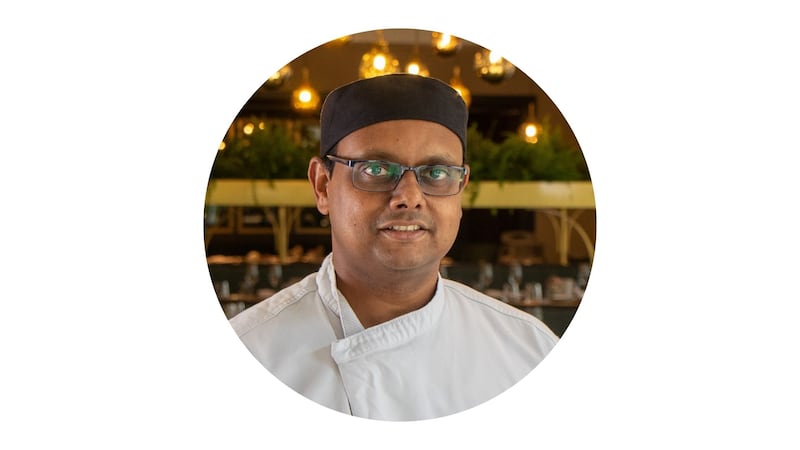 Satish Jothi, executive head chef at Fota Island Resort
“In general, I try to accommodate requests depending on their nature and whether they relate to a preference, intolerance or allergy,” says Jothi. “We are very accommodating with minor adjustments. However, there are occasions where I feel strongly about serving a dish as it was intended, particularly when the ingredient in question is integral to the flavour or balance of the dish.”
With a five-star experience in mind, Jothi will, where appropriate, offer guidance on the best option for off-menu requests. This could be calling ahead to flag a preference, choosing an alternative dish or, in some cases, selecting another restaurant within the hotel that may better suit a customer’s tastes.
Jenny Flynn, executive chef at Faithlegg Hotel in Co Waterford, will also try her best to help a guest who asks for something to be prepared without a particular ingredient, but will “inform them that this change could affect the flavour or balance of the dish”.
 Jenny Flynn, executive chef at Faithlegg Hotel in Co Waterford
One solution in this kind of situation seems to be advance warning, allowing a busy kitchen to accommodate requests without unexpected disruption.
James O’Sullivan head chef at Landline, Park Hotel Kenmare, Co Kerry, can attest to this.
“At Park Hotel Kenmare, true hospitality means listening to our guests and adapting with skill and care,” says O’Sullivan. “Every dish is designed with intention, but if someone prefers to avoid an ingredient, whether it’s cream, coriander or anything else, our instinct is to find a thoughtful alternative rather than say no.
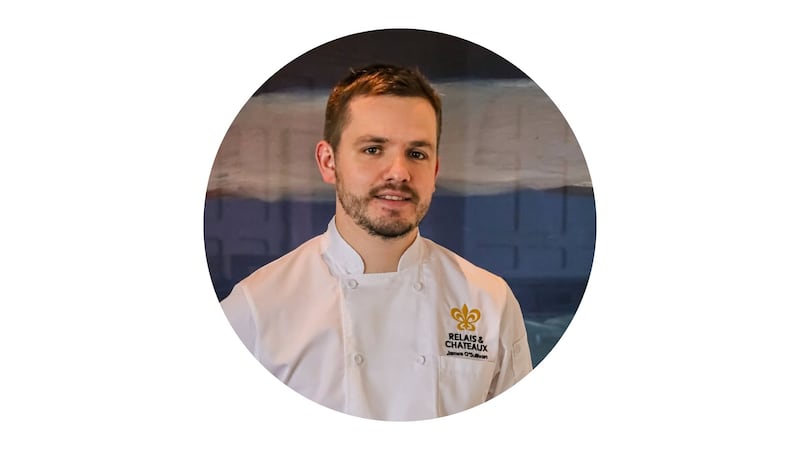 James O’Sullivan, head chef at Landline, Park Kenmare
“If guests have particular preferences, calling ahead is always helpful, but even in the moment we will always do our best. Great cooking isn’t rigid; it’s responsive, and our goal is to ensure every guest leaves the table delighted.”
Tim Daly, head chef at The Kingsley in Cork city, agrees and says his approach is very much “no problem“.
“Food should be enjoyed, and if a small change such as leaving out cream or an ingredient someone dislikes makes the dish more enjoyable, we are always happy to accommodate that,” he says. “While we do put a lot of thought into how a dish is created, the guest experience always comes first.
There are times, however, where “a dish is built around a particular ingredient”.
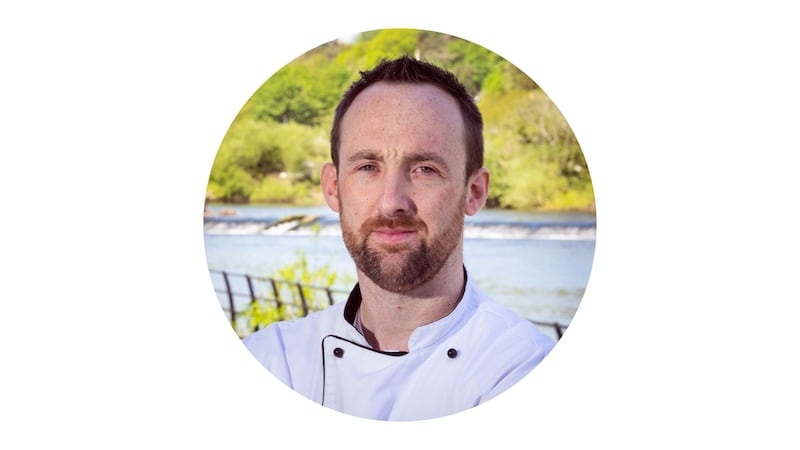 Tim Daly, head chef at The Kingsley in Cork
“In those cases, we explain this clearly and suggest an alternative that we know will suit the guest. So, my advice to guests would always be to let the team know. If they can mention preferences when booking, that is ideal, but even on the night we will do our best to help. Good communication between the floor and the kitchen makes all the difference.”
Flynn agrees that learning of specific dietary requirements in advance works best for everybody.
“This means we can work together to ensure they won’t feel restricted by the menu,” she says. “We do of course get some interesting requests, like [once we were asked for] a salad with no salad. But, in hospitality, the guest comes first, so we always make it work.”