
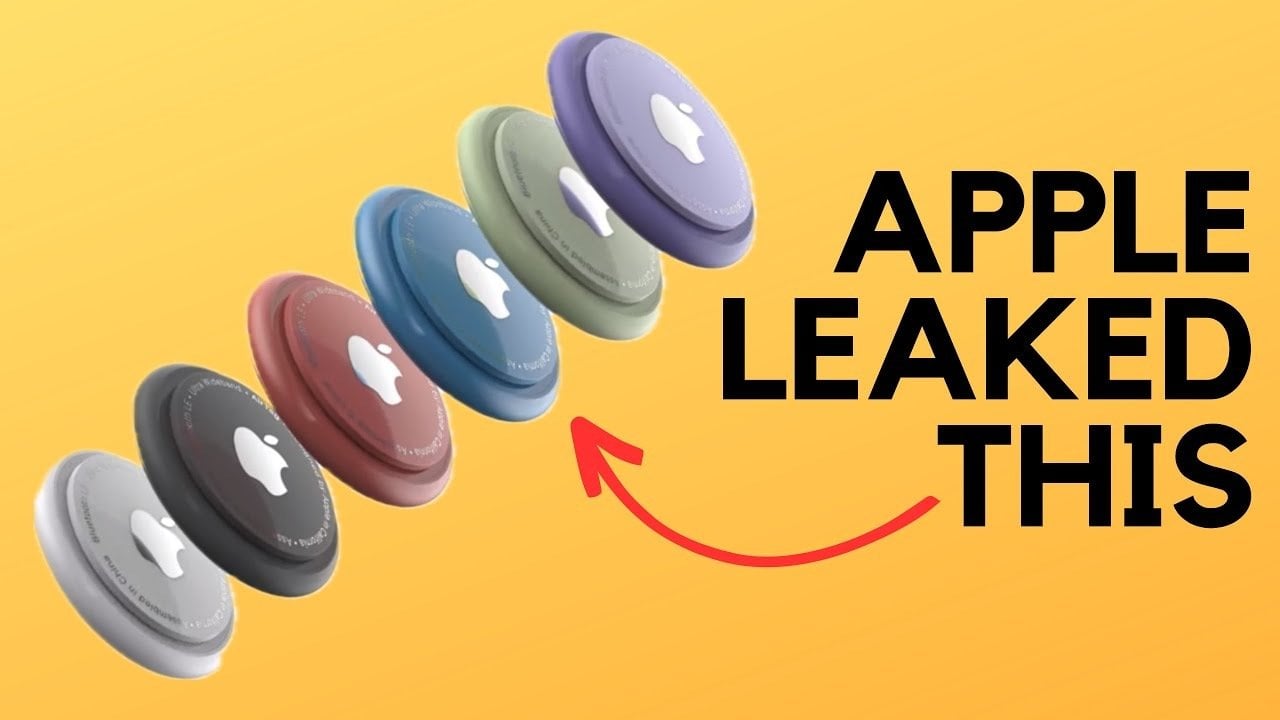
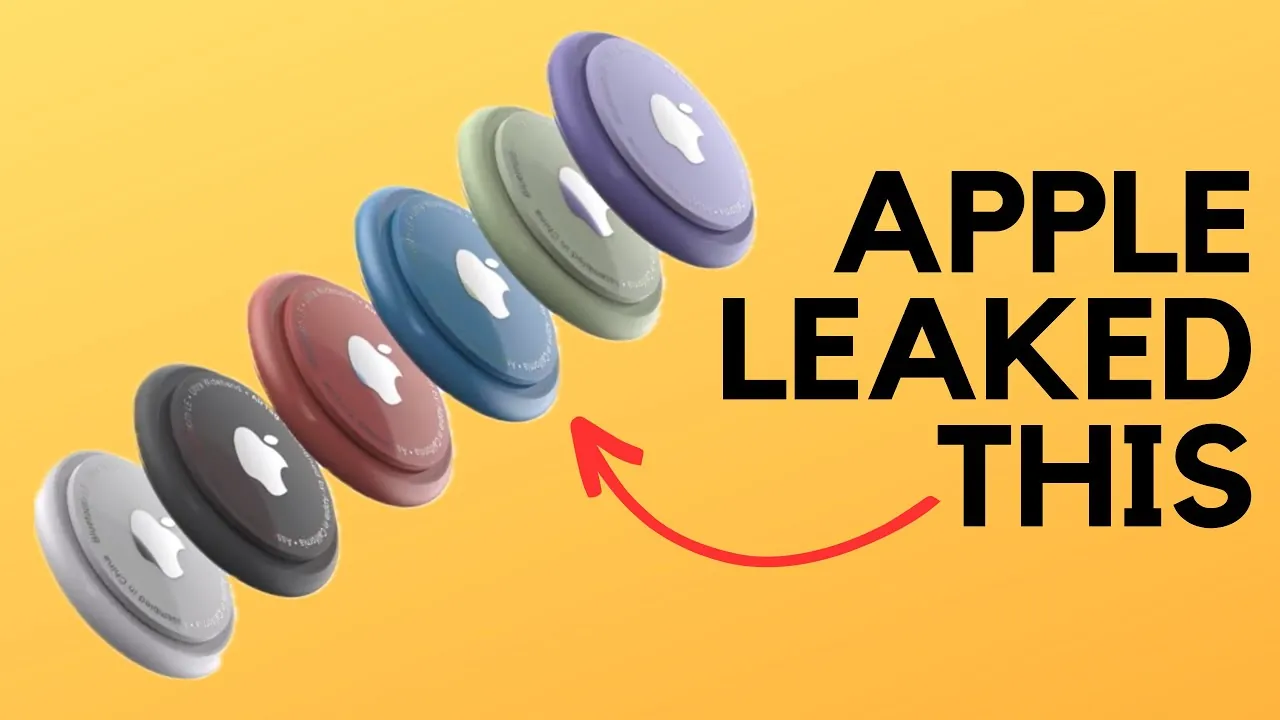
The second-generation AirTag, informally referred to as the “2025 AirTag,” has been unveiled through an internal build of iOS 26. While the design remains consistent with the original model, the AirTag 2 introduces a range of refinements aimed at enhancing functionality, usability, and reliability. Expected to launch in early 2026, this updated tracker will debut alongside updates to Apple’s smart home ecosystem, including the HomePod Mini and Apple TV 4K. These improvements reflect Apple’s commitment to refining its products to meet user needs while maintaining compatibility within its ecosystem. The video below from SaranByte gives us more details about the new AirTag 2.
Key Improvements in Pairing and Management
Managing multiple AirTags has often been a source of frustration for users, particularly when assigning names or emojis to differentiate between devices. The AirTag 2 addresses this challenge with a more intuitive pairing system and enhanced management tools. These updates simplify the process of organizing and identifying your AirTags, reducing confusion and improving the overall user experience. For those who own several AirTags, this streamlined approach will save both time and effort, making the device more practical for everyday use.
The new pairing system also integrates seamlessly with Apple’s ecosystem, making sure that users can manage their AirTags efficiently through the Find My app. This improvement underscores Apple’s focus on delivering user-friendly solutions that enhance convenience without compromising on functionality.
Battery Monitoring: A Practical Upgrade
One of the standout features of the AirTag 2 is its precise battery percentage reporting, a significant improvement over the original model. The current AirTag only notifies users when the battery is critically low, often leading to unexpected interruptions. In contrast, the AirTag 2 allows users to monitor battery levels with greater accuracy, making sure they can replace the battery before it runs out. This practical upgrade enhances reliability and minimizes the risk of losing track of your belongings due to a dead battery.
Apple has retained the user-replaceable CR2032 battery, a decision that balances cost-effectiveness with user convenience. This choice ensures that users can continue to replace the battery easily without needing specialized tools or assistance, maintaining the device’s accessibility and practicality.
Enhanced Tracking for Real-World Scenarios
The AirTag 2 introduces significant improvements in real-time movement tracking, making it more reliable in challenging environments. Whether you’re navigating crowded airports, bustling urban areas, or locations with high interference, the enhanced tracking capabilities provide greater precision and speed. These upgrades are particularly beneficial for users who frequently travel or rely on their AirTags to locate valuable items in complex settings.
The improved tracking performance is powered by advancements in Apple’s ultra-wideband (UWB) technology, which enhances the device’s ability to pinpoint the exact location of your belongings. This ensures that users can locate their items with confidence, even in scenarios where the original AirTag might struggle.
Hardware Upgrades for Better Performance
At the core of the AirTag 2 is a new ultra-wideband (UWB) chipset, which delivers enhanced precision, range, and accuracy. This advanced hardware represents a significant step forward in tracking technology, allowing users to locate their items more efficiently. Additionally, the AirTag 2 features upgraded speakers with louder and clearer sound output, addressing safety concerns and improving usability in noisy environments. These hardware enhancements elevate the overall performance of the device, making it a more reliable tool for everyday use.
The improved speaker system is particularly useful for situations where visual tracking is insufficient, such as locating an item hidden under furniture or in a cluttered space. By combining advanced hardware with user-friendly features, the AirTag 2 offers a more comprehensive solution for tracking and locating items.
Design and Ecosystem Integration
Apple has opted to retain the compact and durable design of the original AirTag, which has proven to be both functional and aesthetically pleasing. However, the absence of a wallet-friendly, card-shaped option remains a notable omission, particularly for users who prefer a slimmer form factor for specific use cases. Despite this, the AirTag 2’s design continues to prioritize durability and ease of use.
The device is designed to integrate seamlessly with Apple’s expanding ecosystem, including smart home products like the HomePod Mini and Apple TV 4K. Its release may coincide with the rumored Apple Home Hub, further enhancing its compatibility with Apple’s smart home offerings. This integration ensures that the AirTag 2 remains a versatile and valuable addition to Apple’s product lineup.
Release Date and Pricing
The AirTag 2 is expected to launch in early 2026, aligning with Apple’s typical product release schedule. Pricing is anticipated to remain consistent with the current model, making it an appealing option for users seeking advanced tracking capabilities without a significant cost increase. For those considering an upgrade, the AirTag 2’s improvements in tracking, battery monitoring, and usability may justify the wait.
However, the original AirTag remains a reliable and cost-effective choice, particularly when available at discounted prices. Users who are satisfied with the performance of their current AirTags may not feel an immediate need to upgrade, but the AirTag 2 offers a compelling set of features for those seeking the latest advancements.
AirTag vs. AirTag 2: What’s Different?
While the original AirTag has proven to be a dependable tracking device, the AirTag 2 introduces several meaningful upgrades that enhance its functionality and usability. Key differences include:
Precise battery percentage reporting for improved power management and reliability.
Enhanced real-time tracking for greater accuracy in challenging environments.
Upgraded hardware, including a new UWB chipset and louder, clearer speakers.
For users who prioritize advanced features and improved performance, the AirTag 2 offers a compelling upgrade. However, those who are satisfied with their current AirTags may find that the original model continues to meet their needs effectively.
Refining the AirTag Experience
The AirTag 2 exemplifies Apple’s approach to incremental innovation, focusing on practical enhancements that address user needs. With improved tracking, better battery monitoring, and streamlined management, the AirTag 2 is designed to provide a more reliable and user-friendly experience. Set to launch in early 2026, it promises to strengthen Apple’s position in the smart tracking market while integrating seamlessly into its expanding ecosystem. Whether you’re a current AirTag user or new to the product, the AirTag 2 delivers meaningful upgrades that enhance its value as a dependable tracking tool.
Explore further guides and articles from our vast library that you may find relevant to your interests in AirTag 2.
Source & Image Credit: SaranByte
Filed Under: Gadgets News
Latest Geeky Gadgets Deals
Disclosure: Some of our articles include affiliate links. If you buy something through one of these links, Geeky Gadgets may earn an affiliate commission. Learn about our Disclosure Policy.