
Found in foods and supplements, omega-3 fatty acids are a type of polyunsaturated fat that plays an important role in both heart and brain health. These good-for-you nutrients have been linked to lower inflammation, reduced blood pressure, and healthier blood vessels, among other benefits. But there’s often confusion about exactly how much you actually need to support cognitive function and cardiovascular wellness.
Omega-3 fatty acids come in three main forms: EPA, DHA, and ALA. EPA and DHA are found primarily in seafood, while ALA comes from plant-based sources.
EPA and DHA are often emphasized more than ALA for heart health. “They influence several pathways relevant to cardiovascular disease, including lowering triglycerides, modestly improving blood pressure, and supporting endothelial function,” Michelle Routhenstein, MS, RD, CDCES, CDN, a preventive cardiology dietitian at EntirelyNourished.com, told Health.
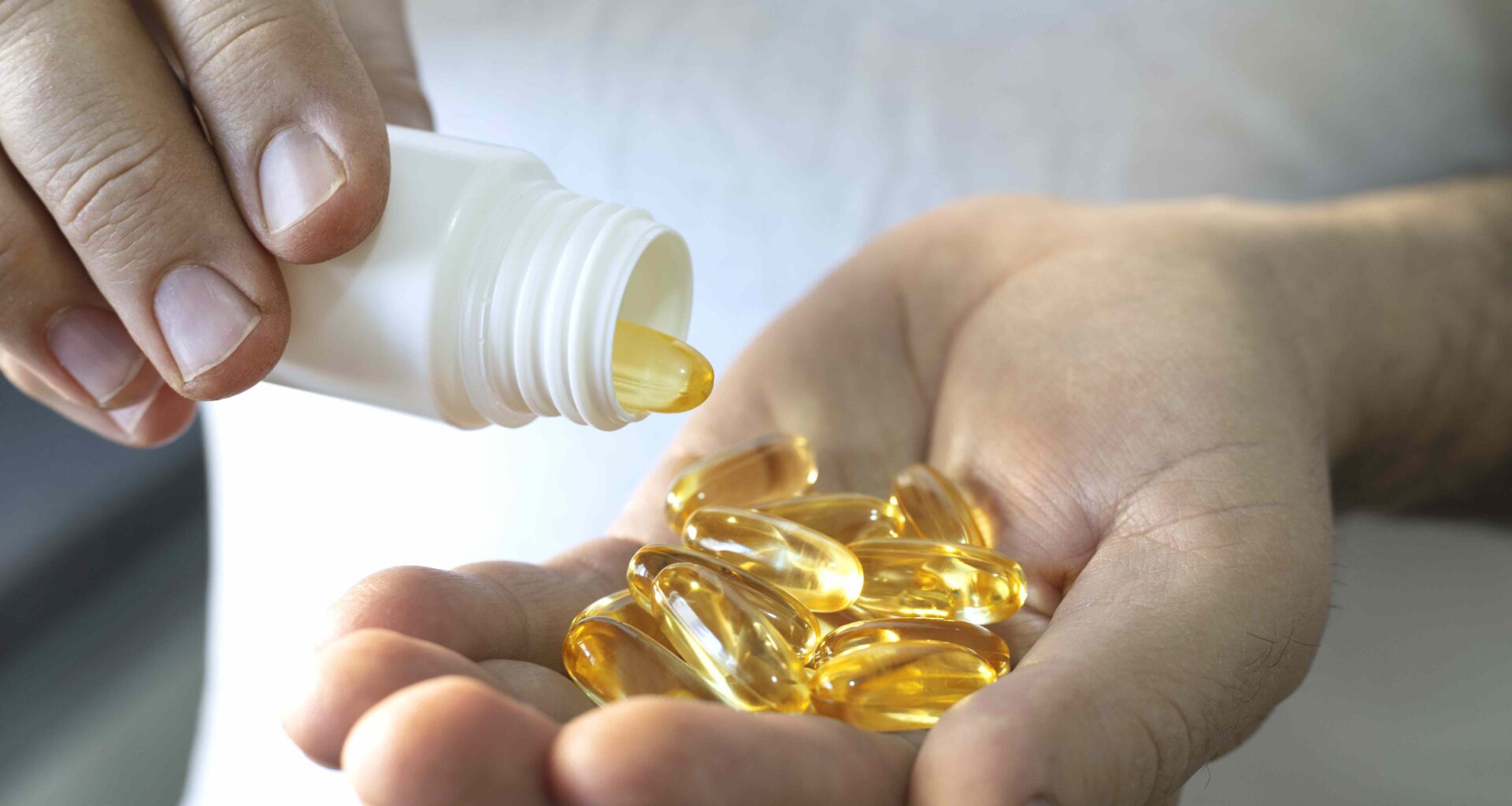
If you’re aiming for more targeted heart-health benefits, the amount of EPA and DHA you need may be higher than what’s found in a standard fish oil supplement, which typically contains about 180 milligrams of EPA and 120 milligrams of DHA per serving.
“Most guidelines stick to simple intake messages, such as two fish meals per week or 250-500 milligrams per day of EPA and DHA,” Routhenstein said. “But research now suggests 500 milligrams per day as a practical minimum (combined) for adults without heart disease and around 800–1,000 milligrams per day for those with established disease.”
Some evidence suggests benefits at even higher doses. An analysis of dozens of studies conducted by the American Heart Association found that consuming about 3 grams (3,000 milligrams) per day of EPA and DHA was associated with modest reductions in blood pressure.
Ultimately, the right amount of omega-3s to support cardiovascular health is something to discuss with a healthcare professional. “People start at very different levels and may need different amounts depending on body size, age, gender, and medical history,” Routhenstein said. “The actual dose may need to be personalized to the individual.”
All types of omega-3s—EPA, DHA, and ALA—can support cognitive wellness, said Los Angeles-based dietitian Maggie Moon, MS, RD, author of The MIND Diet: 2nd Edition. “Plant and marine sources of omega-3s aren’t exactly the same, but both are valuable,” she told Health. “That’s why I strongly recommend both.”
Moon said she generally encourages people to get omega-3s from food and to think about intake in terms of frequency rather than precise dosage. “For omega-3s, I recommend oily fish like trout, tuna, anchovies, and sardines at least once a week, and walnuts five times a week,” she said.
However, if you’re interested in supplements or tracking intake more closely, Moon pointed to a recent review suggesting that consuming 1–2.5 grams per day of combined EPA and DHA may support brain health.
Still, she emphasized that dosage should be discussed with a healthcare provider.
Fish like sardines, mackerel, and tuna are good sources of EPA and DHA, while ALA comes from plant foods like walnuts, flaxseed, and canola oil.
While you can also get omega-3s from supplements, experts generally recommend prioritizing dietary sources, since whole foods provide additional nutrients that support both brain and heart health. Fatty fish and seafood, for example, supply protein, vitamin D, and zinc—nutrients that help protect cardiovascular health, Routhenstein said. Meanwhile, walnuts provide antioxidants and fiber, which have linked to cognitive benefits, Moon added.
That said, if you can’t meet your omega-3 needs through food alone, a supplement can be an appropriate alternative.
Though rare, it is possible to overdo it on omega-3s. A 2024 study found that ultra-high doses like 900 milligrams of EPA and 600 milligrams of DHA per day for several weeks could cause excessive blood thinning and lower immune function. “But this is not common in real-world clinical settings,” Moon said. “For generally healthy adults, the FDA and Europe’s counterpart concluded that taking supplements with up to 5,000 milligrams per day of EPA and DHA is likely safe and won’t have negative effects on immune function or bleeding.”