
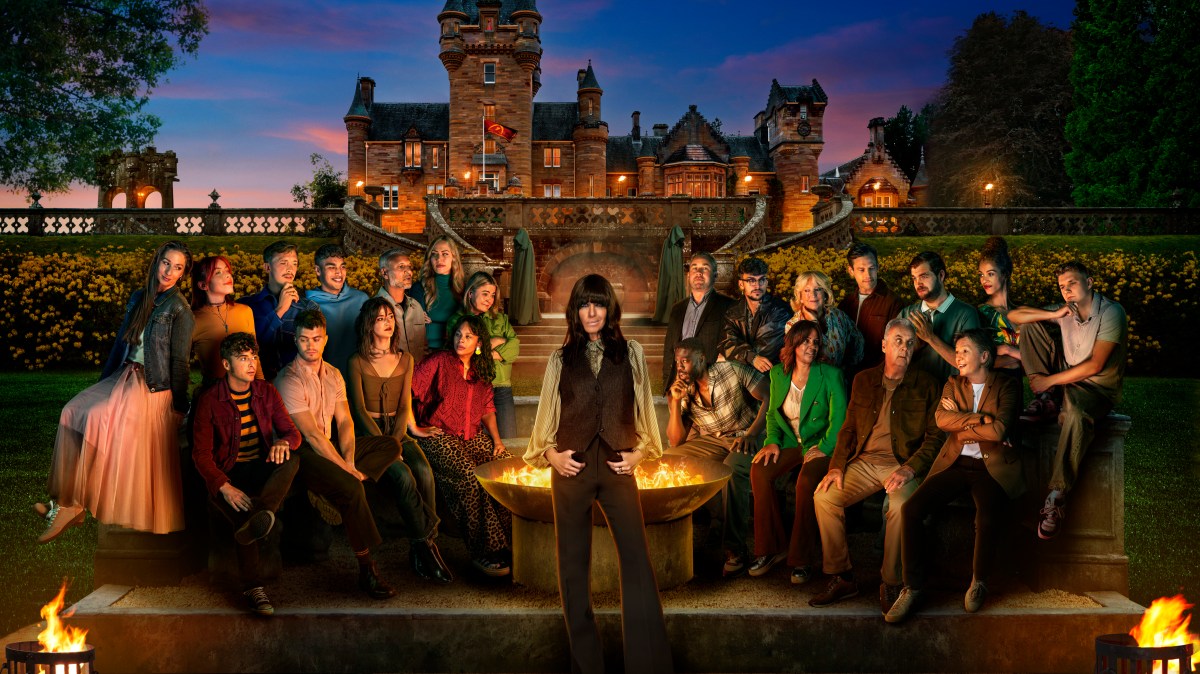
The hit BBC series The Traitors exposes how people behave under pressure and extreme amounts of uncertainty, all while trying to play the perfect game. But some viewers are starting to question if it reveals an uncomfortable truth: are the contestants prejudiced?
Viewers on social media have highlighted how they believe ethnic minorities are disproportionately targeted for banishment and murder early on in the deception-based reality show. Data analysis of the first five UK series suggests they may have a point.
Here we look at how a person’s age, race and gender influence their chances of success on the show and how unconscious bias may play a role:
Although only 32 per cent of all contestants on the show have been non-white, ethnic minority people make up almost half of the early evictions. Out of the first 30 players to be murdered or banished in all five series, 14 of them were people of colour — equal to just under 47 per cent.
If a player survives the first three murders and banishments, they have made it to at least episode four, which is a third of the way through the series. Of the 35 non-white players, 40 per cent were knocked out by this point.
In the earliest stages of the cloak-and-dagger game, in which 20-plus contestants play for a prize pot of up to £120,000, players lean on the often cited “gut feeling” to defend their allegations.
In series four, Netty Österberg and Judy Wilson, both black women, were the first contestants to be murdered or banished. Wilson, a 60-year-old child liaison officer from Doncaster, was targeted for being a big personality and accused of changing her attitude after the Traitors were initially chosen, leading 16 of the 21 players to vote for her banishment at the first roundtable.
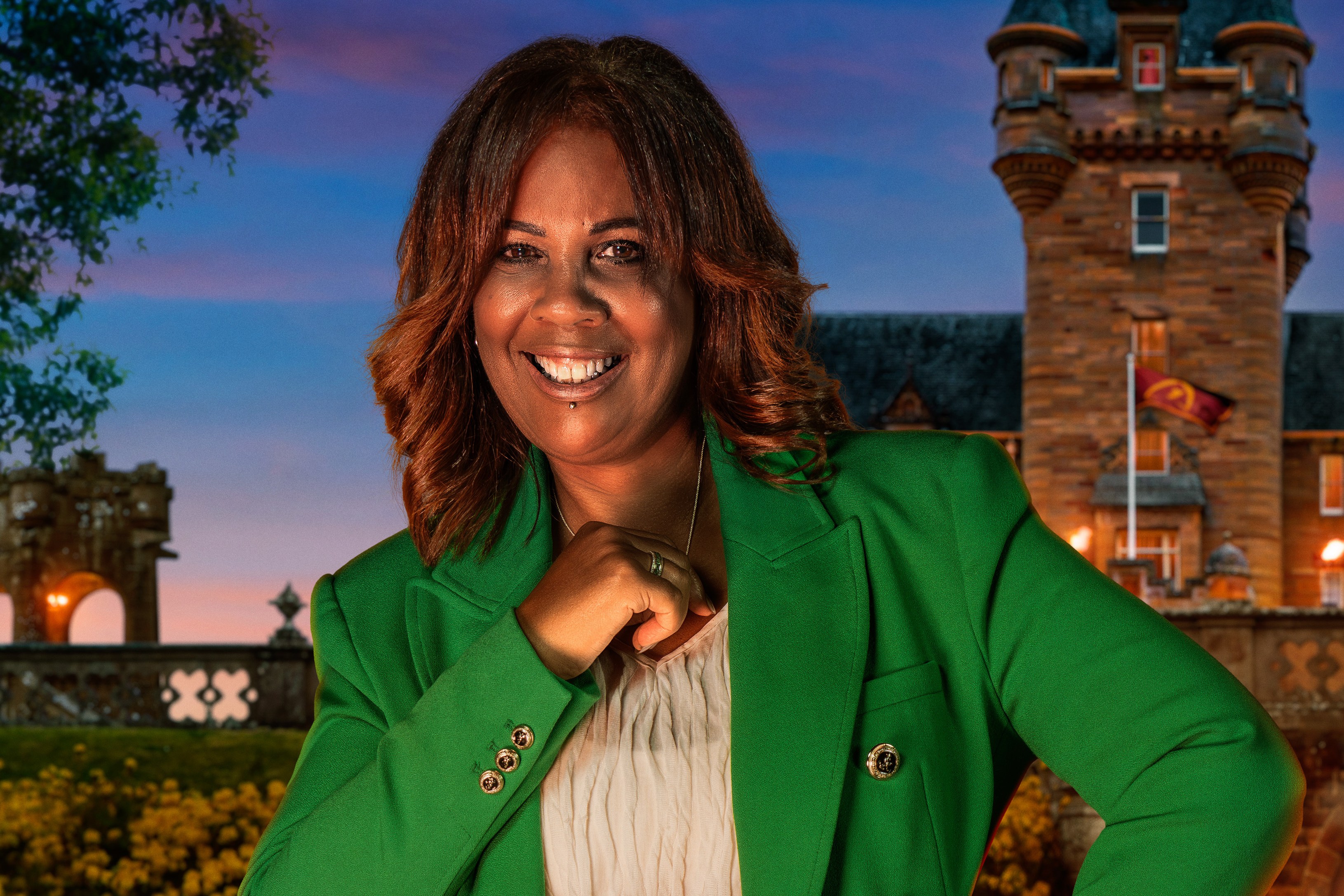
Judy Wilson was banished in the first roundtable of series four
CODY BURRIDGE/BBC/PA
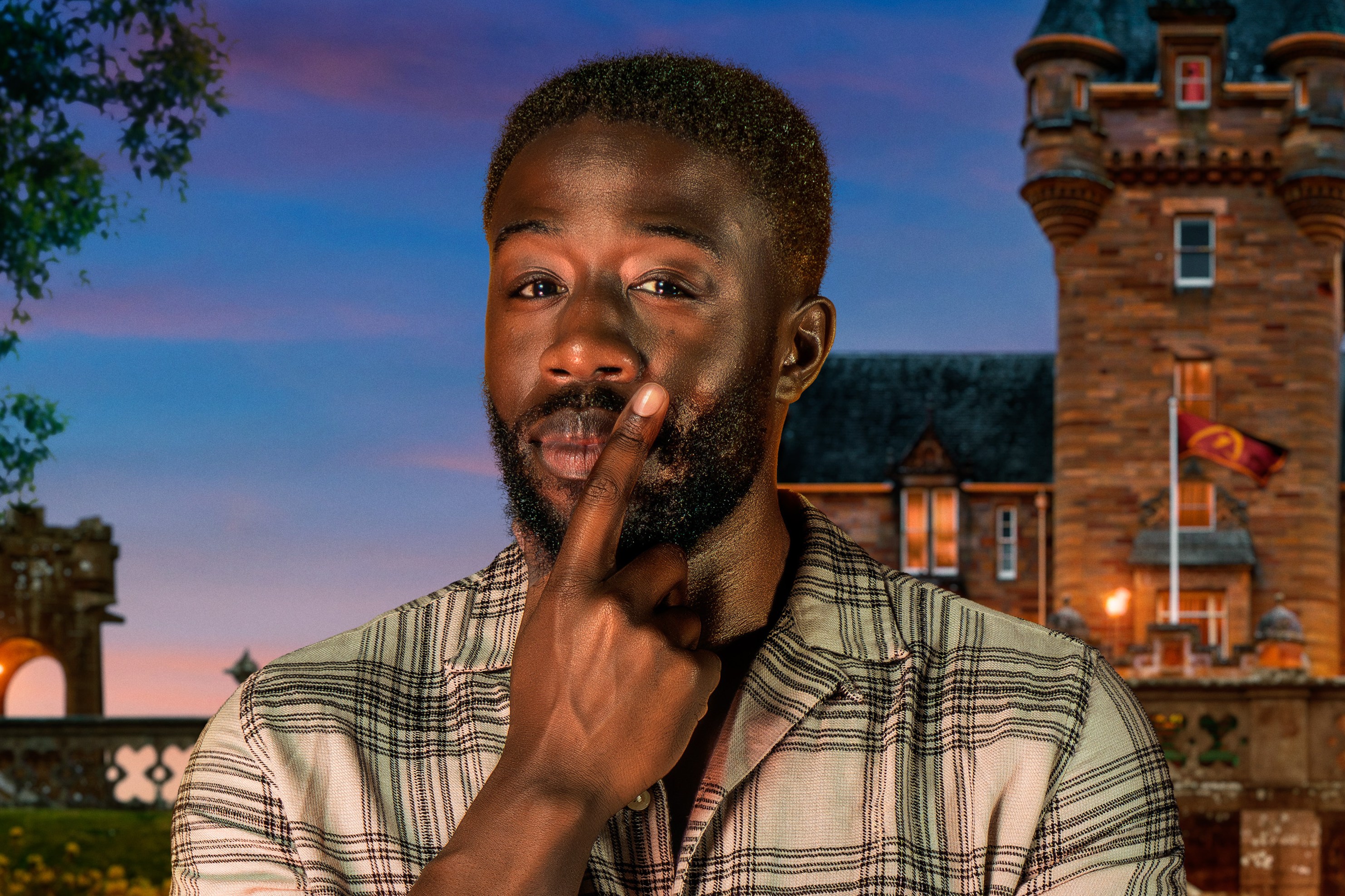
Ross Garshong was viewed as suspicious early on in the same series
CODY BURRIDGE/BBC/PA
Before her banishment, Wilson was described by other contestants as “angry” and “having her back up”, leading audiences on social media to draw parallels with discriminatory language used towards black women in wider society.
Likewise, viewers have highlighted how Ross Garshong, a black man, was viewed as “suspicious” early on before his banishment in episode four, even though many of the reasons given by the other players were based on feeling rather than fact.
All winners of The Traitors have been white and only one of the players in the final episode of the first three series has been non-white.
The Celebrity Traitors is the exception to this pattern. Three non-white contestants made it to the final five — the historian David Olusoga, the actor Nick Mohammed and the singer Cat Burns.
However, since the celebrity contestants probably knew about each other before appearing on the show, the success of the final five had less to do with their race and more to do with their pre-established public personas.
Age
Older players are also at a disadvantage. On average players in their sixties are the seventh player to be murdered or banished. However, for players in their seventies, the trend reverses and they make it much further in the game.
Series one contestant Andrea Addison, who was 72 at the time of filming, survived for the longest before being murdered in the penultimate episode.
In contrast, more than a third of contestants have been in their twenties and five of them have gone on to win the show, which is significant given that there have been seven winners in total.
Gender
There were also more women initially murdered or banished than men — 17 of the first 30. In fact, of the first murder and banishment in each series, seven out of ten were women.
The first player to be banished in series one was Nicky Wilding, an accounts supervisor with an amputated right arm. She was accused by the Traitor Alyssa Chan of not raising her glass to say cheers, despite the glass being on the side of her missing hand.
Women appear to present a more compelling case of their innocence at the roundtable and male contestants are more likely to be banished. However, this may seal their fate in the Traitors turret as they are more likely to be murdered.
The Traitors is the latest show to come under scrutiny for revealing society’s unconscious bias, joining many other reality TV shows including Big Brother, I’m A Celebrity, Get Me Out of Here and Love Island.
With suspicion at the heart of The Traitors, social dynamics are amplified throughout the show. Unconscious bias does not mean that players are acting with prejudice but instead that their bias fills in the gaps when information is scarce.
Yassine Senghor, director of the equality and diversity consultancy Confronting Change, said: “Non-white contestants can be read as ‘other’ more quickly — their behaviour, tone, or emotional responses are more likely to be scrutinised or misinterpreted.
“There’s also a tendency for groups under pressure to gravitate towards what feels familiar or safe. Unfortunately, this often means that non-white contestants aren’t given the benefit of the doubt and we have seen this show up again and again as those who don’t ‘fit in’ being pushed out.”
Unconscious bias also works in the opposite direction. The show appears to favour regional accents, specifically the Welsh — so much so that Charlotte Berman adopted a fake Welsh accent in series three to be seen as “trustworthy”.
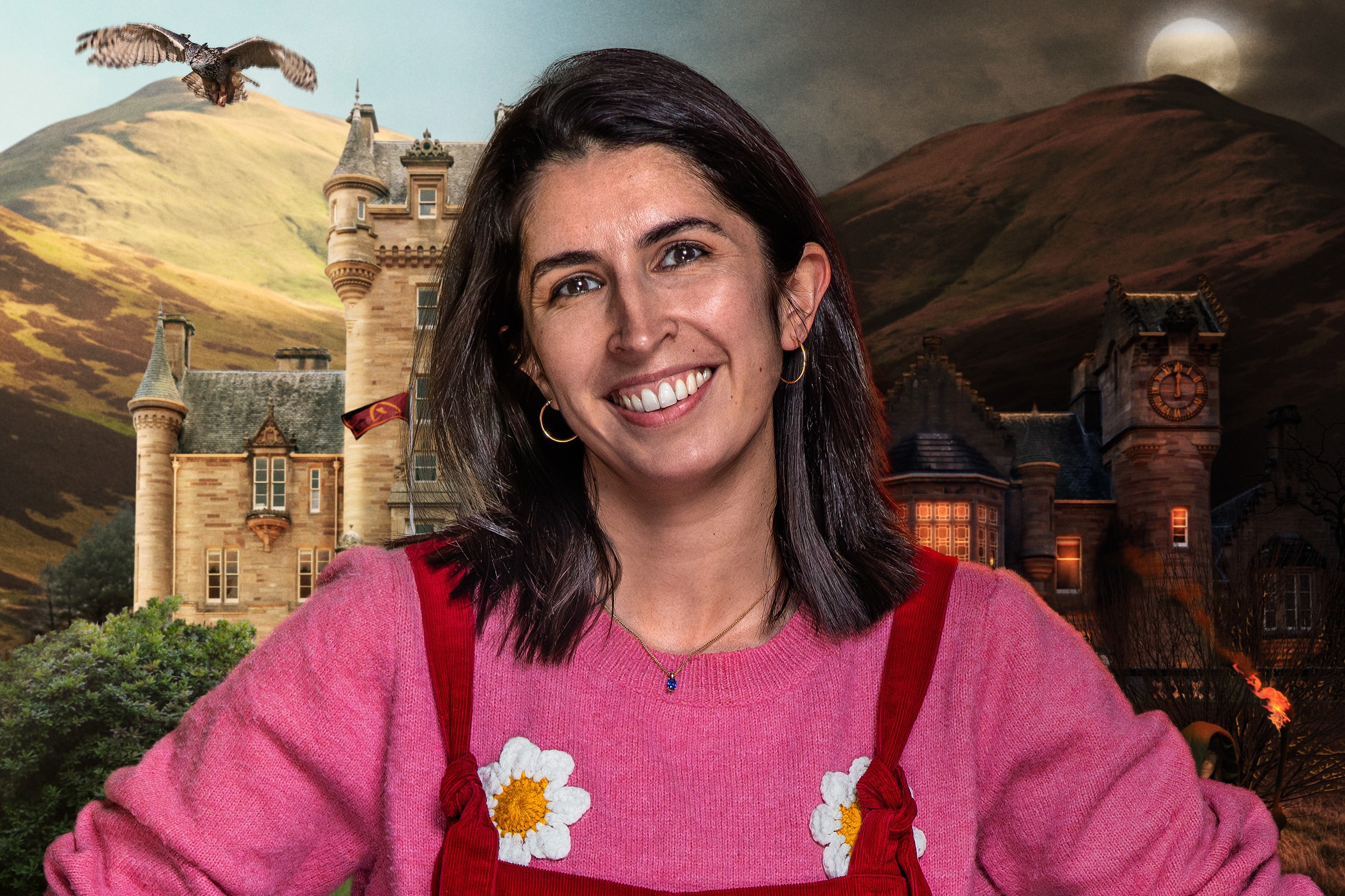
Charlotte Berman adopted a fake Welsh accent in series three to appear trustworthy
CODY BURRIDGE/BBC/PA
Dr Shakiba Moghadam, a chartered psychologist and lecturer at Southampton Solent University, said: “What makes this uncomfortable and fascinating is how familiar it all feels. The same processes play out in workplaces, friendship groups, online spaces and wider society.
“People feel safer with those who seem similar to them or who reinforce their views. Once an in-group exists, trust is extended generously within it, while outsiders are judged far more harshly.
“Dominant opinions take hold, at times without question. Minority views are silenced. ‘Vibes’ and ‘opinions’ become evidence. And decisions feel rational simply because they’re shared.”
The Traitors press office declined to comment.