
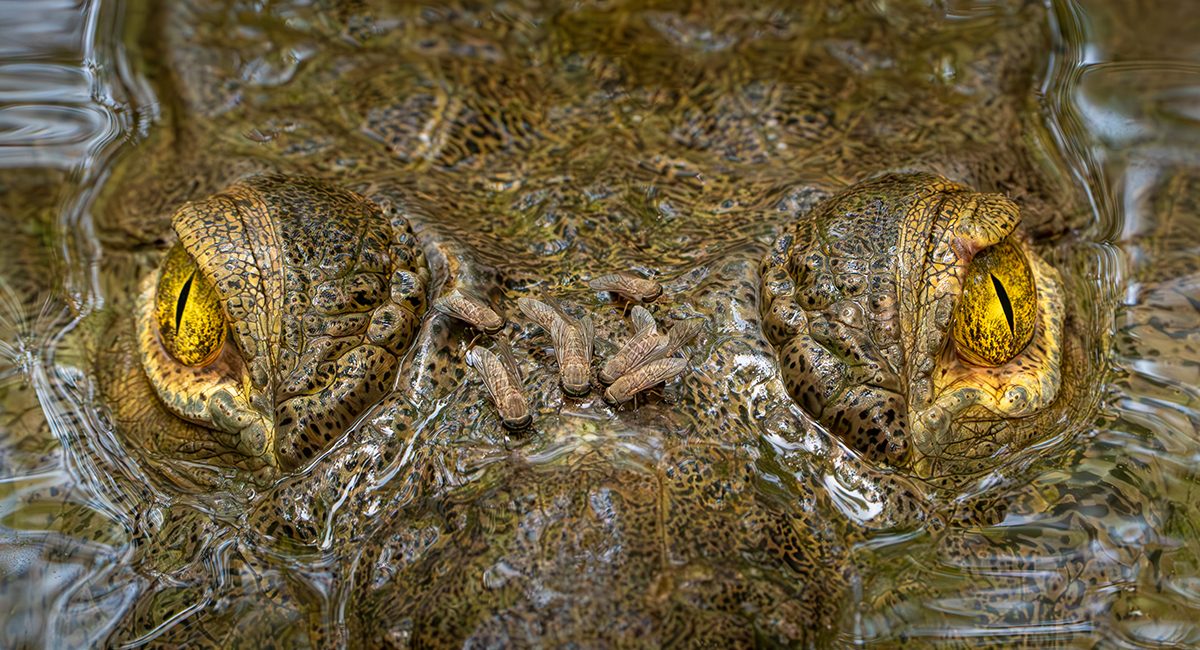
An amazing image of a very patient American crocodile staring down the camera lens while crawling with blood-sucking flies has triumphed in this year’s Capturing Ecology photo competition, run by the British Ecological Society.
The winning images and an additional 17 highly commended images, taken by international ecologists and photographers, celebrate the diversity of ecology across the globe.
Among the winners of this year’s competition are a flying frog with parachute-like feet, a chimpanzee rescue mission and a flock of startled birds taking to the air, watched closely by a lioness drinking.
This year’s Ecologists’ Choice winner is a portrait of a master of deception – the common Mormon swallowtail caterpillar, which employs marking to mimic a snake head.
The British Ecological Society is the world’s oldest ecological society. It promotes the study of ecology through academic journals, events, grants and other initiatives around the globe.
Here are all of the winning and highly commended images from this year’s competition.
Capturing Ecology 2026 winners
Highly commended – Path of the panther
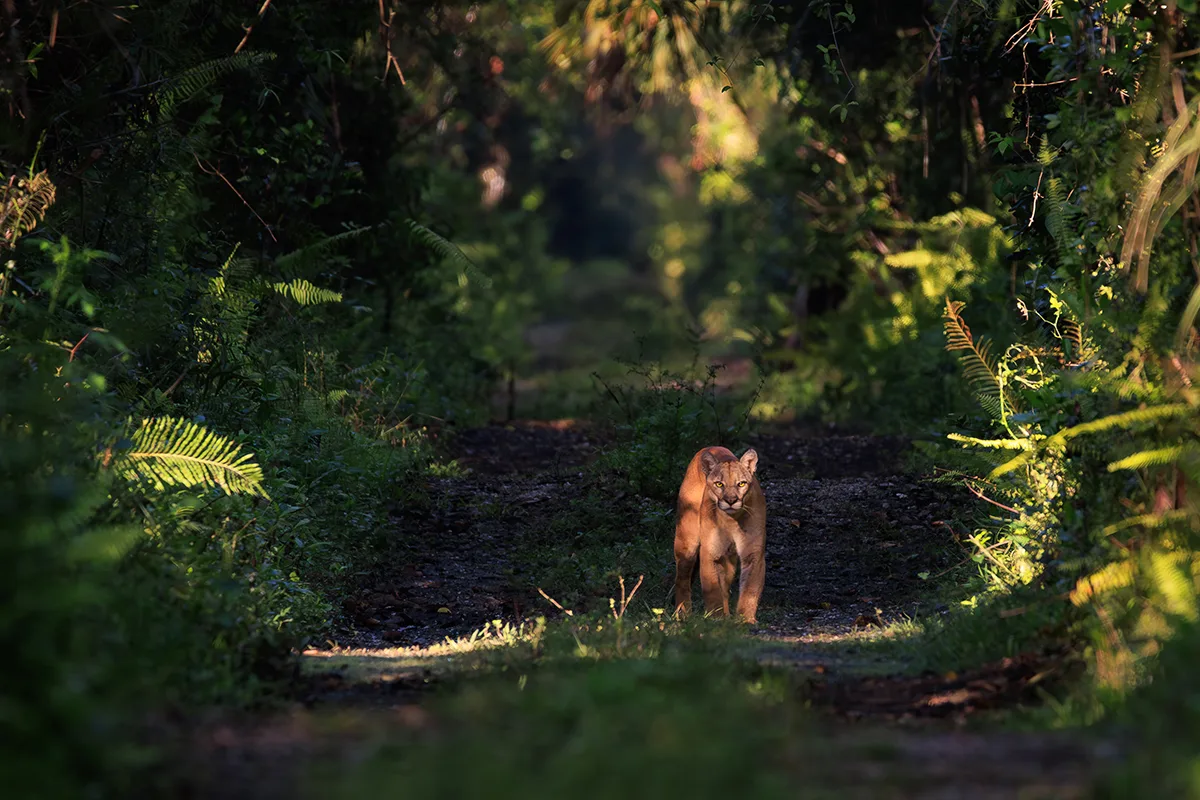 The critically endangered and exceptionally rare Florida panther (puma concolor coryi) on a path in its freshwater swamp forest habitat in Fakahatchee Strand Preserve State Park, USA. The Florida panther is the most endangered cat in North America and one of the most endangered mammals in the world, with an estimated 200 or fewer individuals remaining in the wild. Photo by Brandon Guell
Highly commended – On the hunt
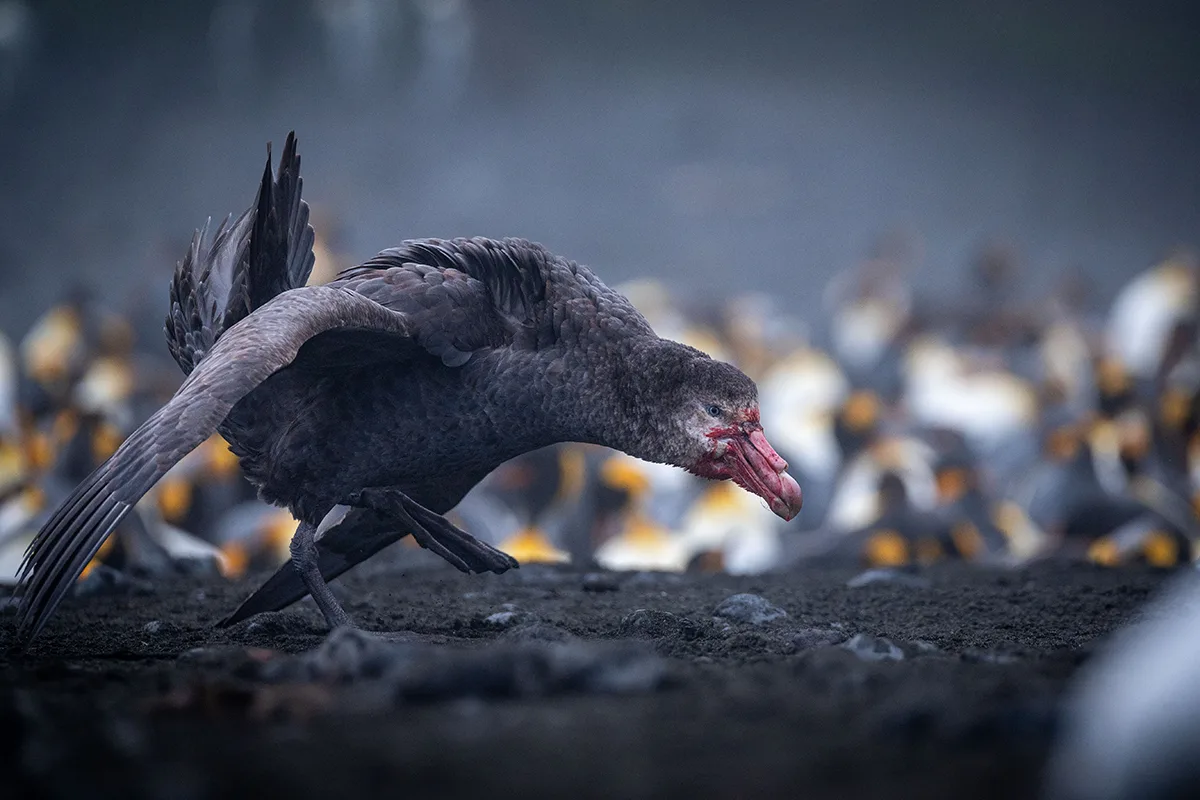 A subantarctic giant petrel hunting at the edge of a king penguin colony, its bill still stained from its recent meal. In the Southern Ocean, dense king penguin colonies attract numerous predators, resulting in intense and sometimes violent scenes of predation. Photo by Guillaume Lespagnol
Highly commended – A fistful of frogs
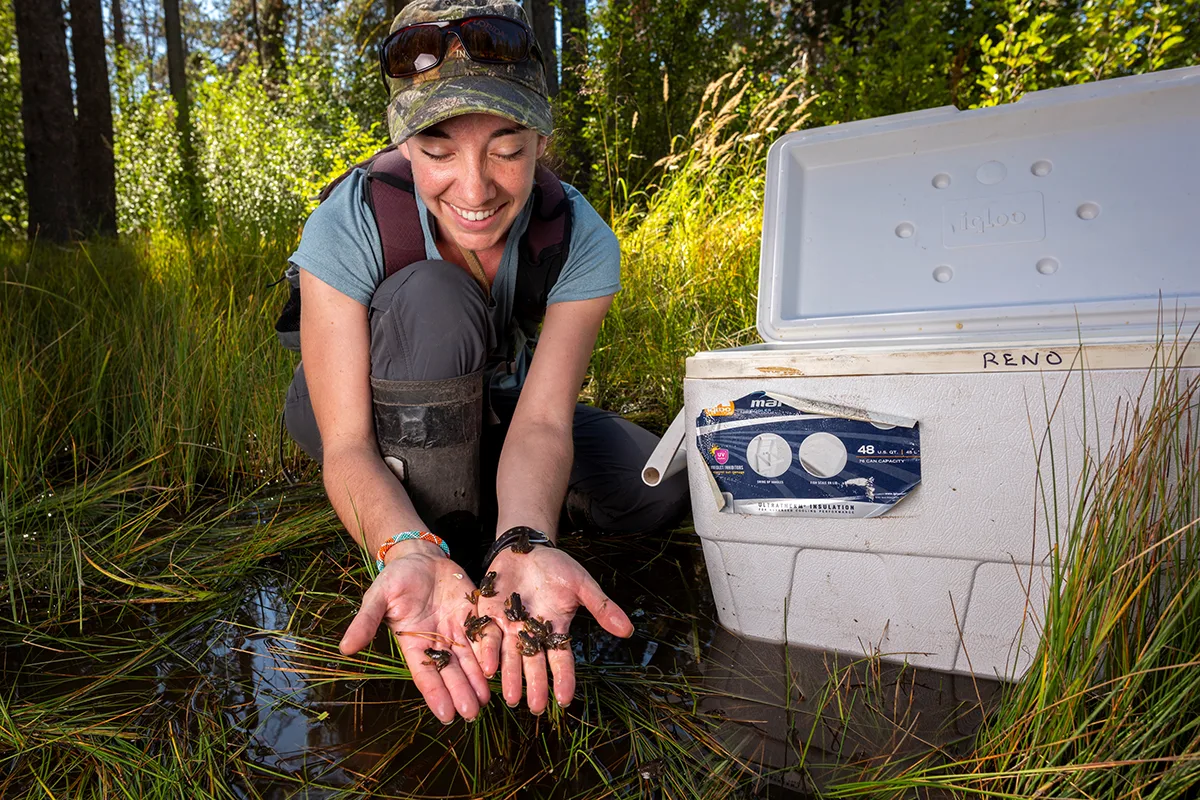 Wildlife biologist Kate Belleville releases a handful of Cascades froglets following a week of disease treatments designed to kill the deadly chytrid fungus, a major threat responsible for the decline or extinction of hundreds of amphibian species worldwide. Treated frogs have a significantly higher survival rate, which helps restore declining populations and offers hope for the future of amphibians. Photo by Ryan Wagner
Highly commended – Dune
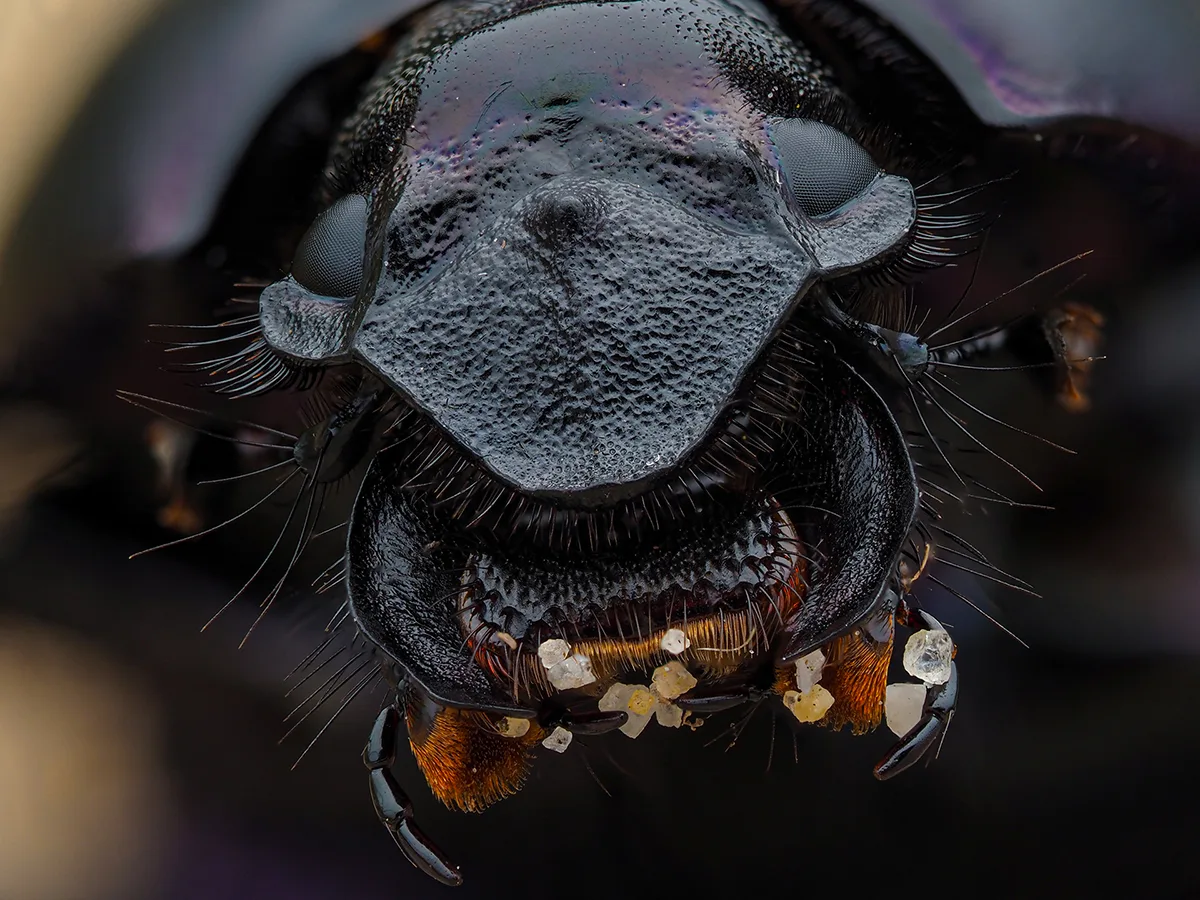 A close-up image of the face of a dor beetle (Geotrupes sp). This beetle was photographed among the sand dunes of Dorset. You can see magnified grains of sand on its mouth parts. Photo by Ben James
Highly commended – Bighorn swab and go
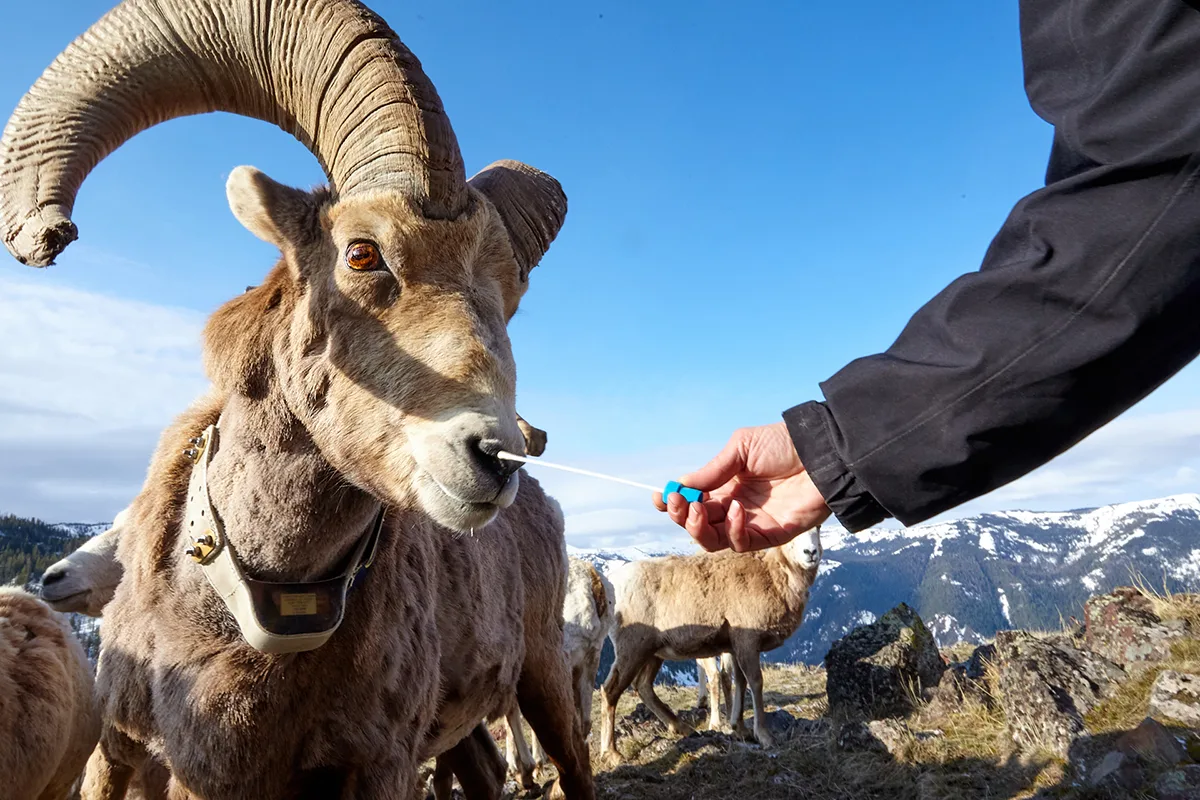 Pneumonia in bighorn sheep (Ovis canadensis) has caused population declines and local extinctions across their Rocky Mountain range. Lamb mortality approaches 100% in some populations, eliminating recruitment and leaving ageing populations facing an extinction debt. This photograph shows one of the habituated rams approaching for food and sampling, though such cooperation was exceptional. The approach proved highly successful, with multiple treated populations showing significantly reduced lamb mortality and demographic recovery. This work exemplifies how interdisciplinary collaboration and rigorous field ecology can resolve complex wildlife disease and conservation challenges. Photo by Peter Hudson
Highly commended – Hanging in the balance
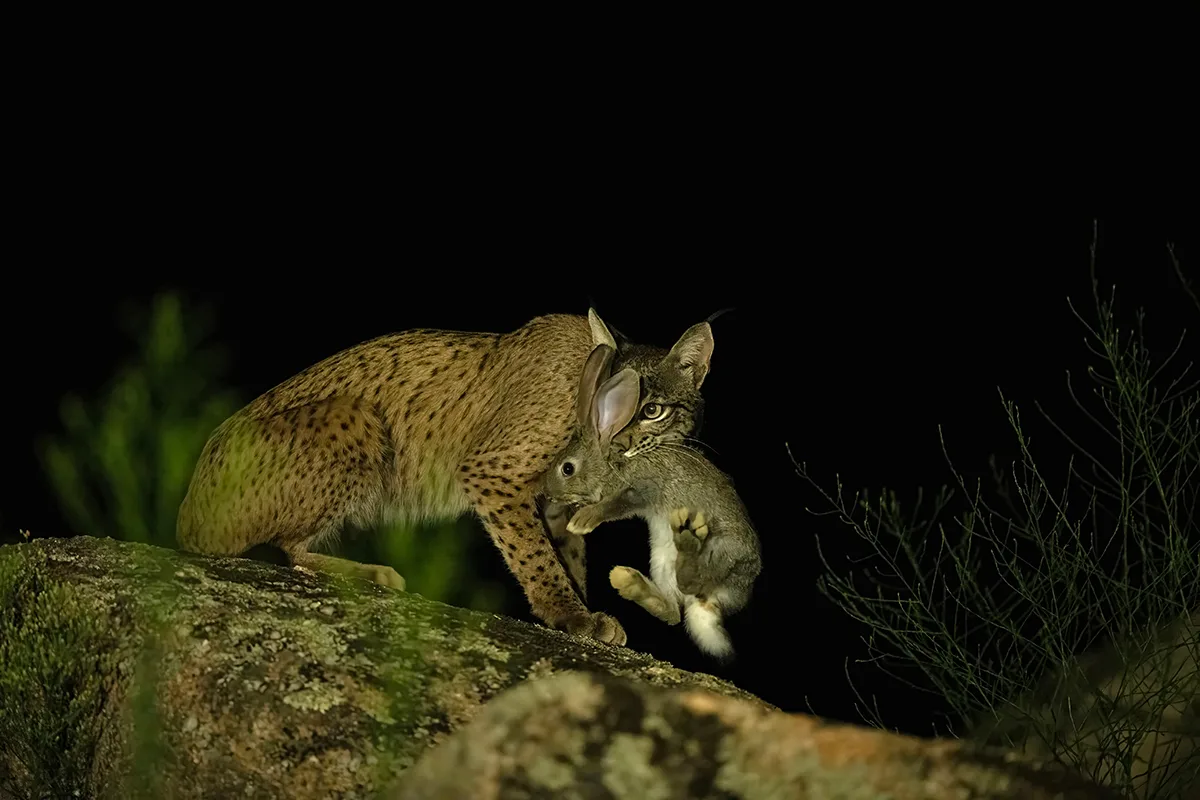 The survival of the Iberian Lynx is closely connected with the availability of its main prey, the rabbit. In June 2024, the IUCN recategorised the Iberian Lynx from endangered to vulnerable. The image shows this delicate balance between predator and prey. Photo by Stewart Finlayson
Highly commended – Catch of the day
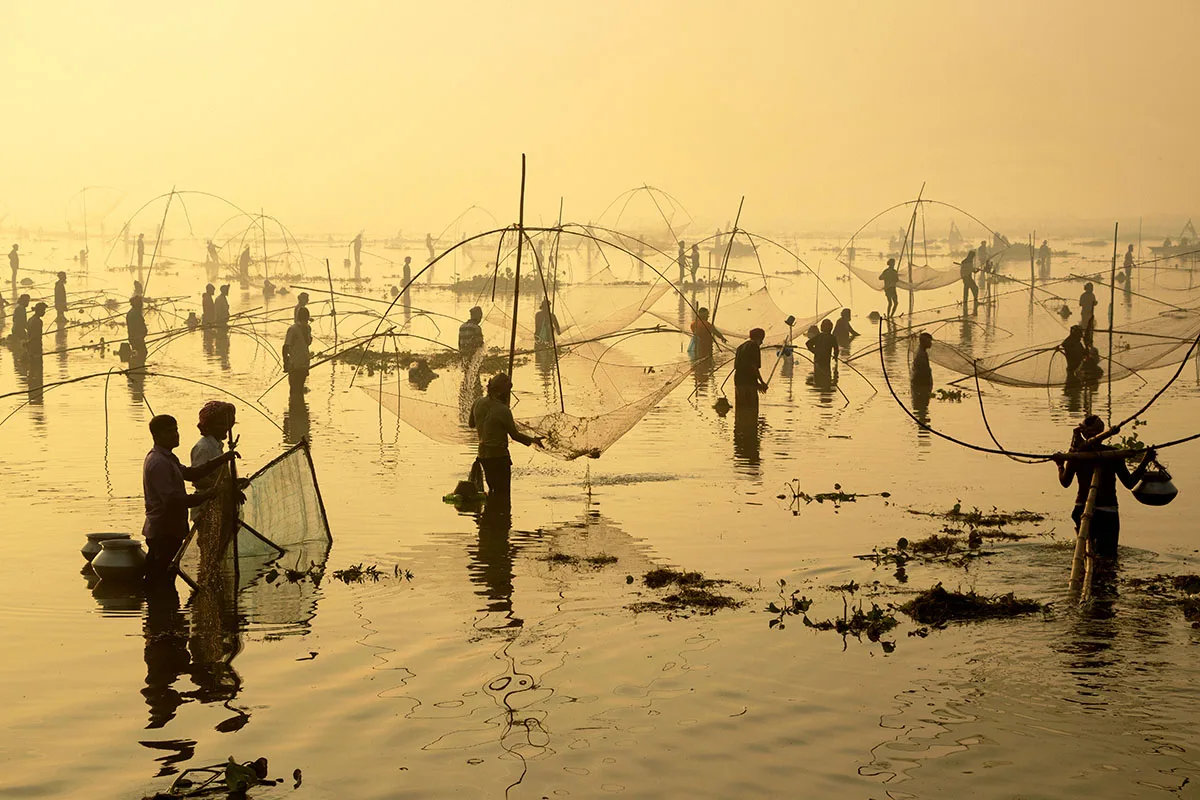 Hundreds of fishermen catch fish with bamboo-made traps in knee-deep water as they take part in a century-old traditional fishing festival during a foggy winter morning in Pabna, Bangladesh. The festival usually takes place in late winter as the water of the lowland area begins to dry up, and the farmlands aren’t prepared yet to harvest new crops in the riverine regions of the country. Photo by Joy Saha
Highly commended – Woodland gems
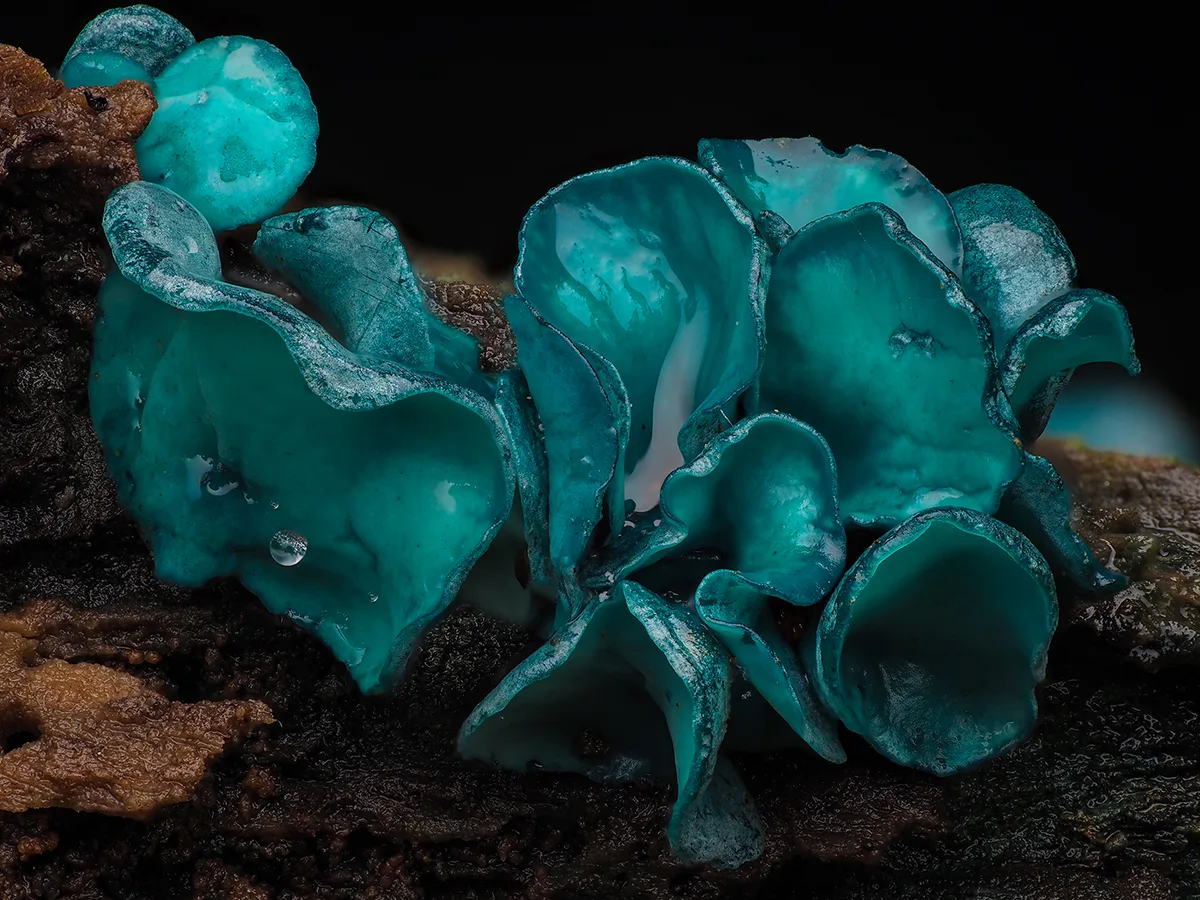 Green elf cup (Chlorociboria aeruginascens) photographed in Hampshire, United Kingdom. These mushrooms were discovered during a fungal survey comparing species detection using fruiting body occurrence versus airborne spore sampling with air traps. Photo by Ben James
Highly commended – Fading giants
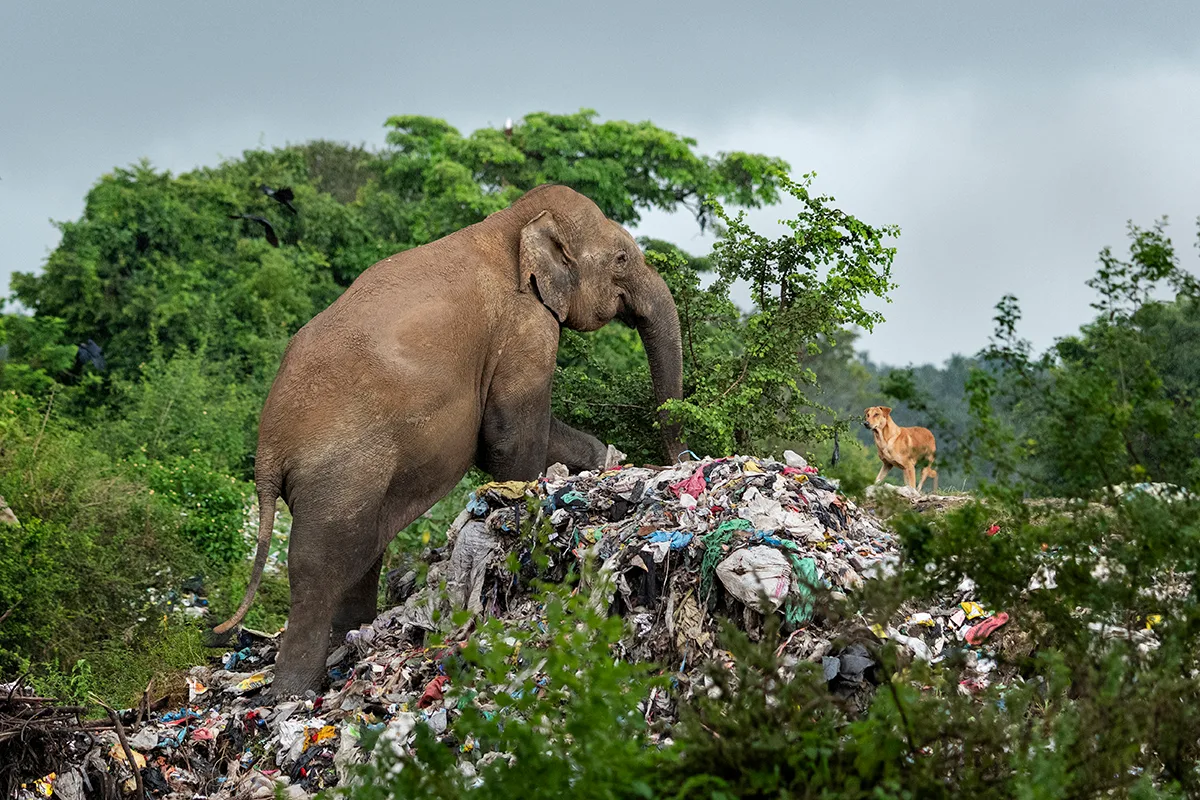 Human encroachment in Ampara, Sri Lanka, forces elephants to scavenge at garbage dumps because of habitat loss and dwindling natural food, increasing risks for both people and elephants. Sustainable coexistence needs better waste management, secured dumps, habitat restoration, and community-based conservation and awareness efforts involving authorities, conservation groups and local residents. Photo by Ashane Marasinghe
Highly commended – Green sheen
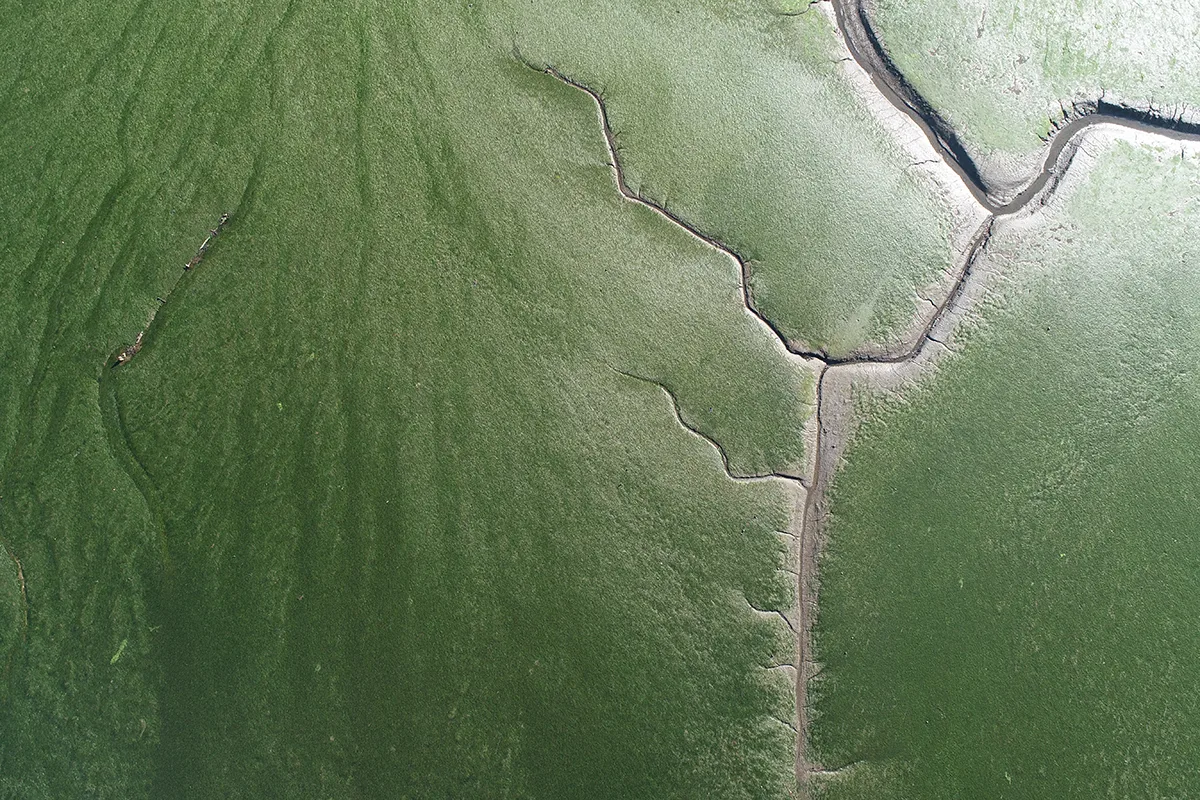 The green sheen of an intertidal seagrass meadow in the Tamar estuary is captured from above with a drone over low tide. This image was taken in summer 2022 as part of Oliver Thomas’ PhD project, which explored how intertidal meadows change over time, and their blue-carbon and biodiversity value. Photo by Oliver Thomas
Highly commended – Jackal close catch eye
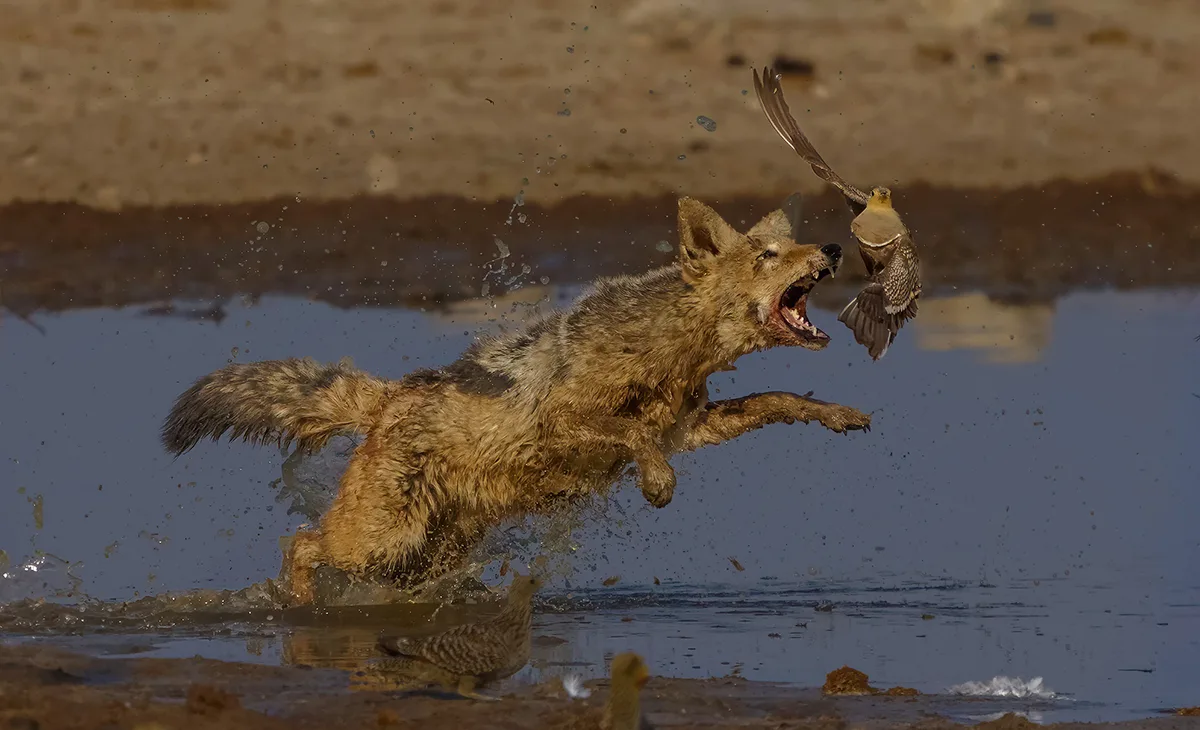 A black-backed jackal (Lupulella mesomelas) attempts to catch a bird that came to drink water at a waterhole in the Etosha National Park, Namibia. Unfortunately, this particular jackal just missed out on a Namaqua sandgrouse (Pterocles namaqua). Photo by Willem Kruger
Highly commended – Intertidal education
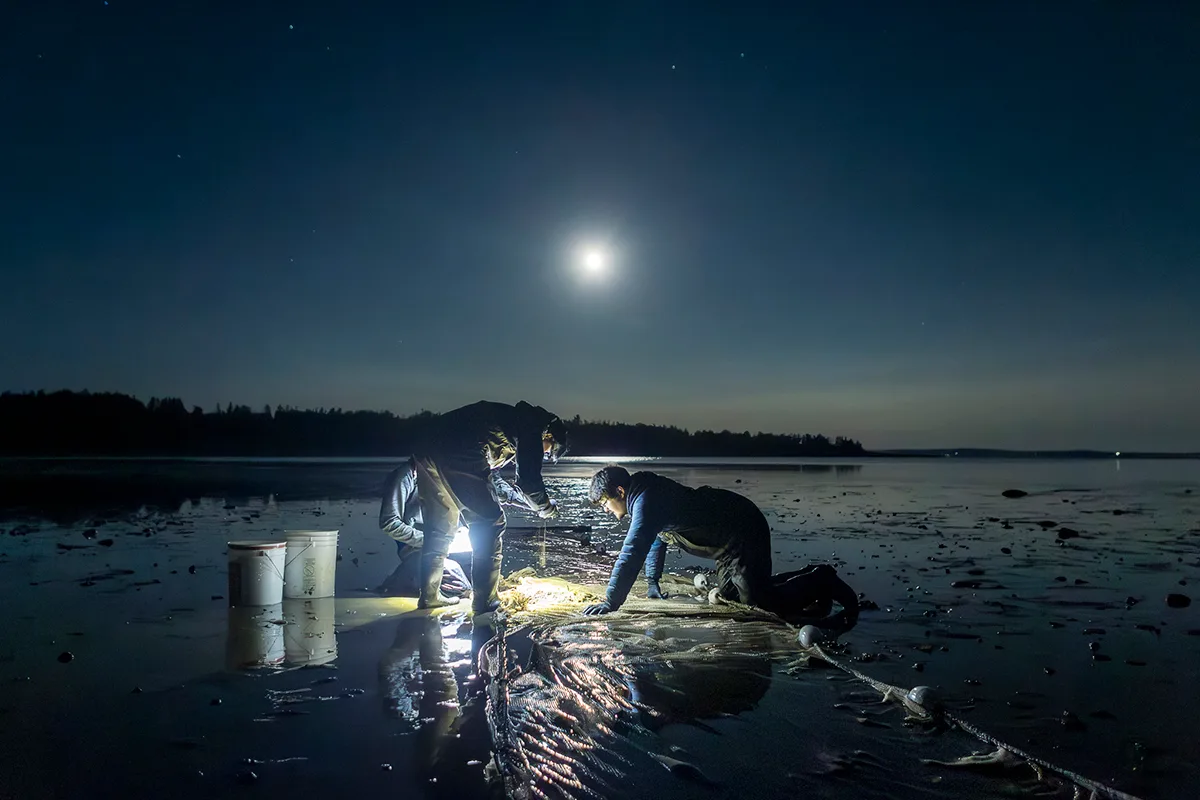 In this image, three undergraduate students are using a beach seine to count coastal fish species. These students are exploring the seasonal population changes of various fish species in the Bay of Fundy, New Brunswick, Canada. Photo by Liam Brennan
Highly commended – Painted rattle
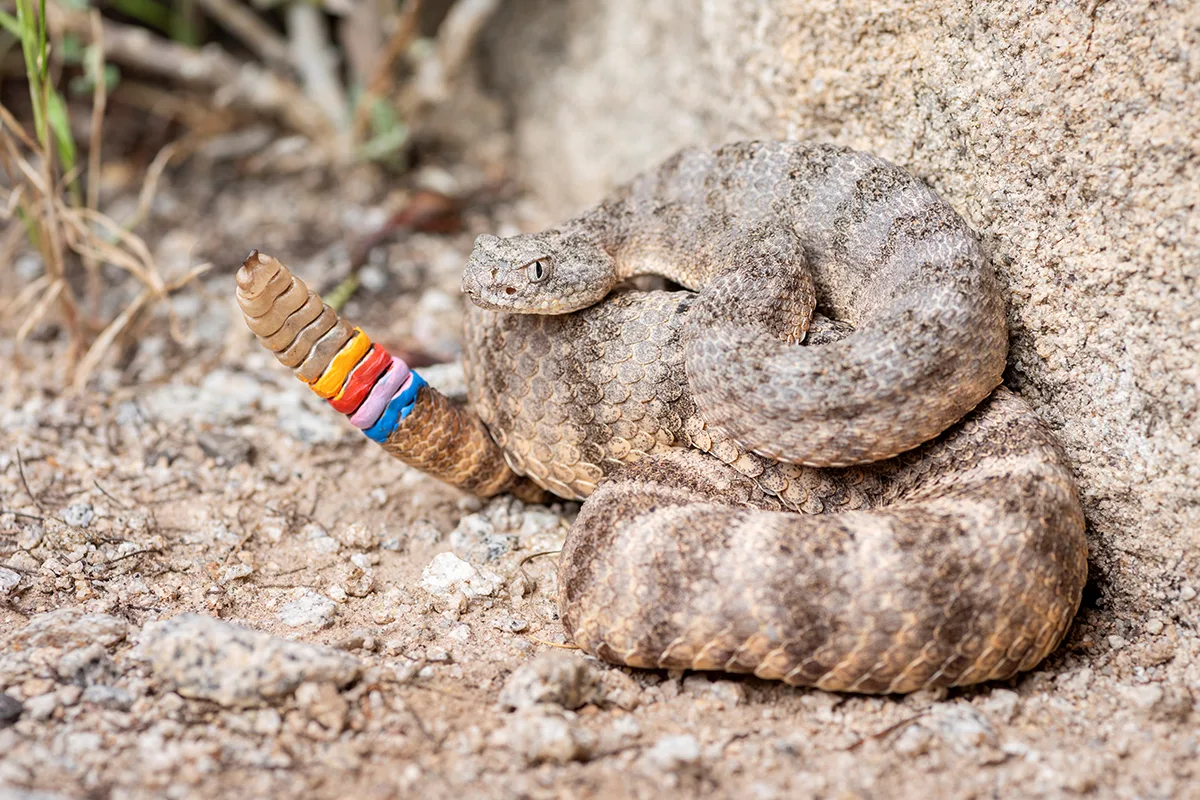 A wild tiger rattlesnake (Crotalus tigris) in southern Arizona, USA, displays unexpected hues in the dusty, desert landscape. Each segment of its rattle is painted in pastel shades of blue, pink, red, and orange—a colour pattern used by snake biologists to identify individual rattlesnakes, much like leg bands on birds. Misunderstood and often vilified, snakes have faced significant declines in recent decades. In urbanised areas like Tucson, Arizona, where this photograph was taken, protecting and monitoring snake populations is vital for ensuring their survival and fostering coexistence with humans. Photo by Ryan Wagner
Highly commended – Not a red flag
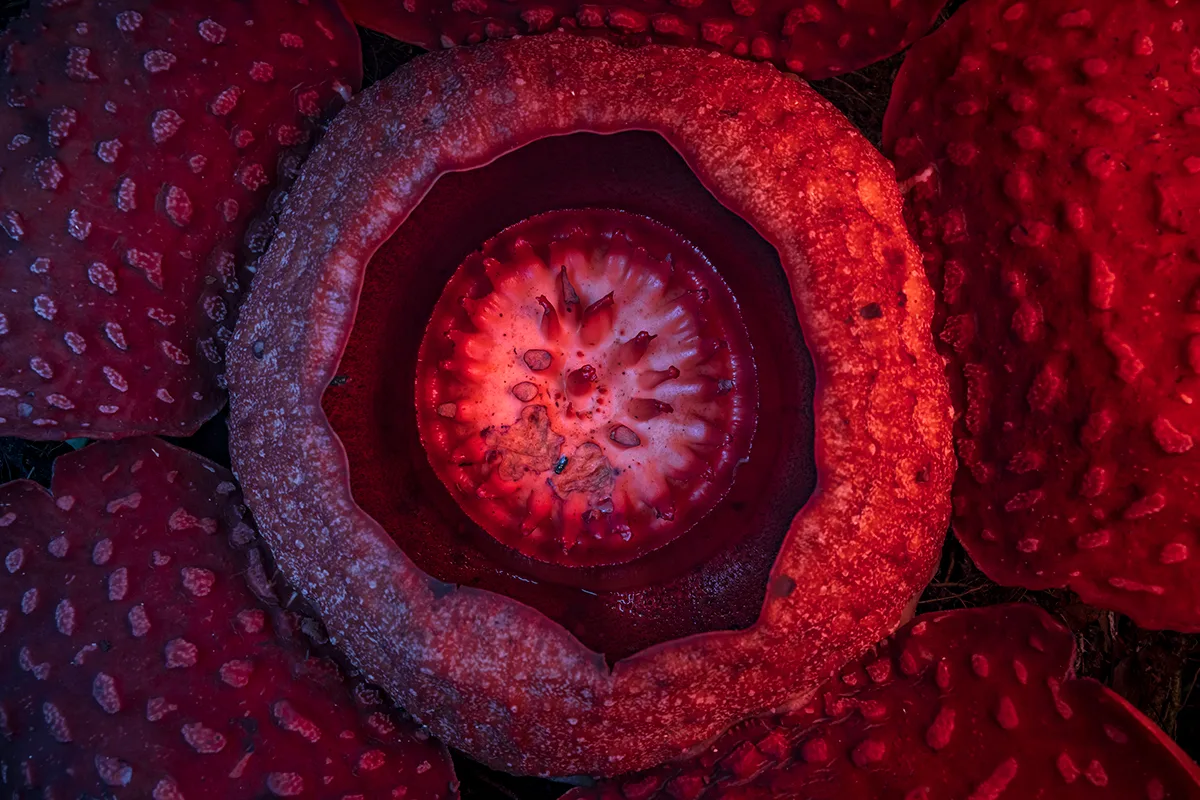 The flowers of the Rafflesia group are famous for their massive size and striking colours, but there’s much more to them than meets the eye. They are a vivid example of how different organisms are intricately connected within a single living system. Dependent entirely on parasitising vines—typically from the liana group—for their development and growth, Rafflesia also employs ingenious strategies to ensure pollination during its brief blooming period. Photo by Roberto García-Roa
Highly commended – Prairie chicken jump-off
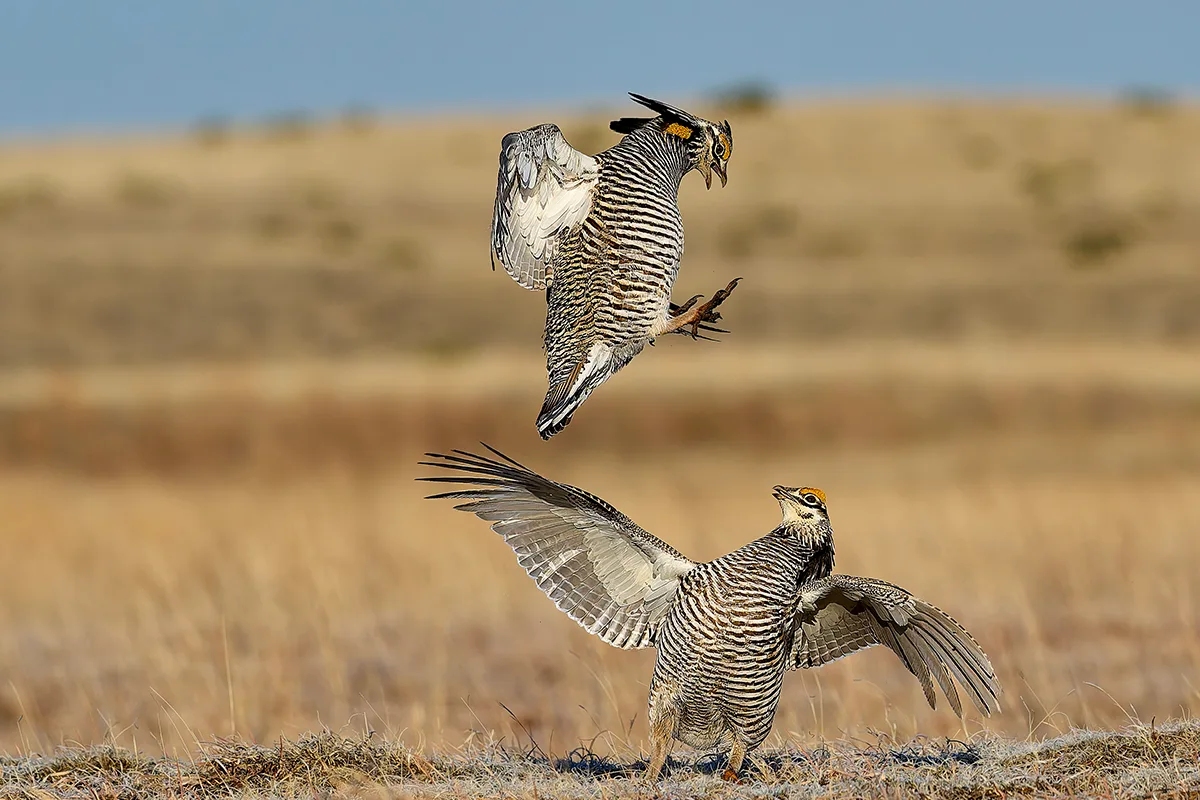 The majority of grouse species exhibit lekking behaviour, where males compete in communal arenas for female attention and mating opportunities. These male Greater Prairie Chickens (Tympanuchus cupido) demonstrate the characteristic aerial combat of smaller grouse species – one bird launches into the air attempting to strike its opponent before landing, triggering reciprocal jump attacks. Photo by Peter Hudson
Highly commended – Silence in ambush
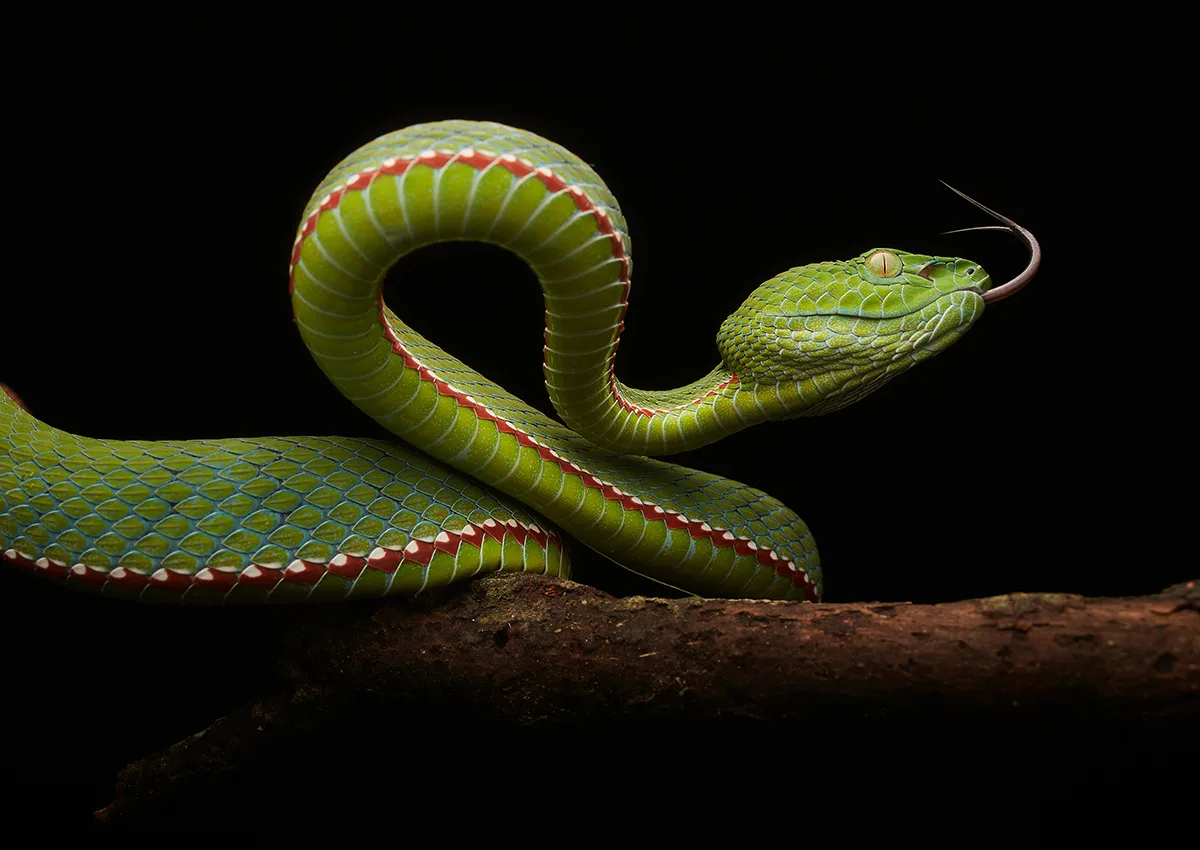 A Siamese Peninsular pit viper (Trimeresurus sabahi fucatus) photographed at night in Peninsular Malaysia. These snakes are very common and are often found draped around trees. Photo by Jamal Kabir
Highly commended – Glass vases
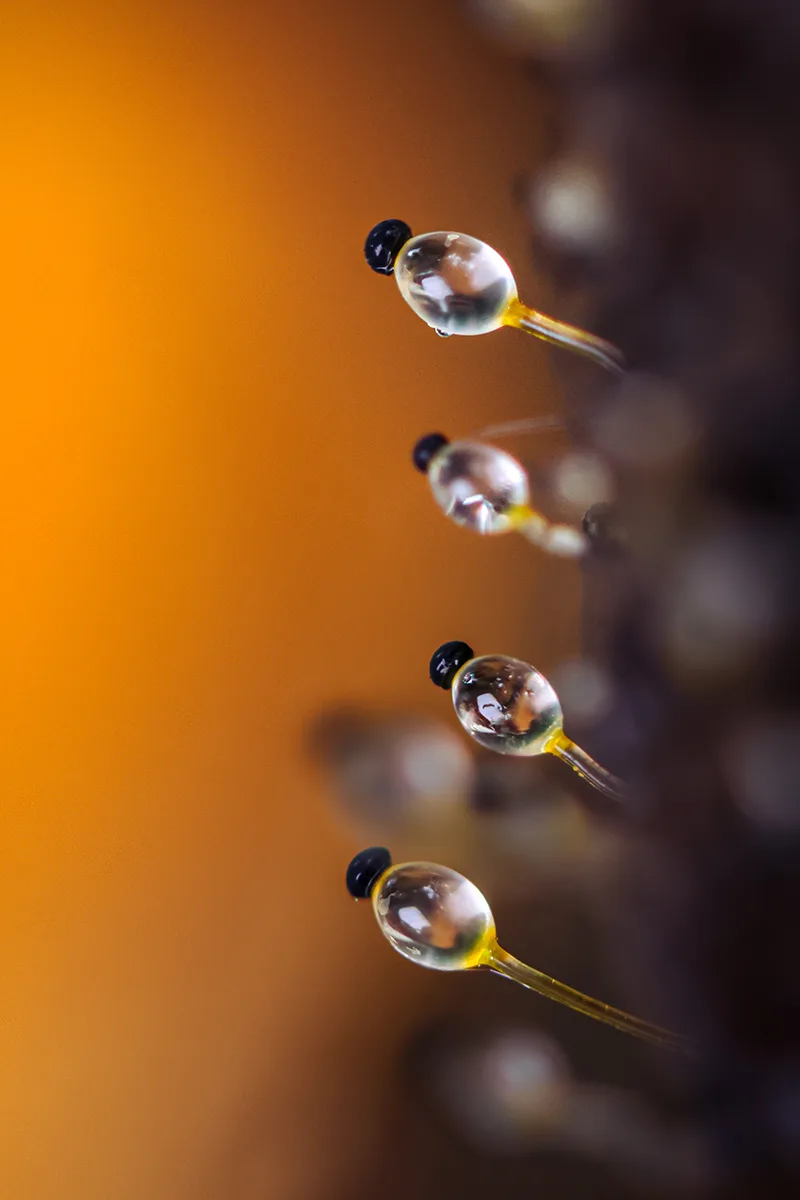 The fruiting bodies of a dung canon fungi (Pilobolus crystallinus). These bodies are only a few mm tall but are so pristine and glassy that the light reflects off them like tiny vases. Photographed in the UK. Photo by Willow Bloomfield
Ecologists’ Choice winner – The false eye
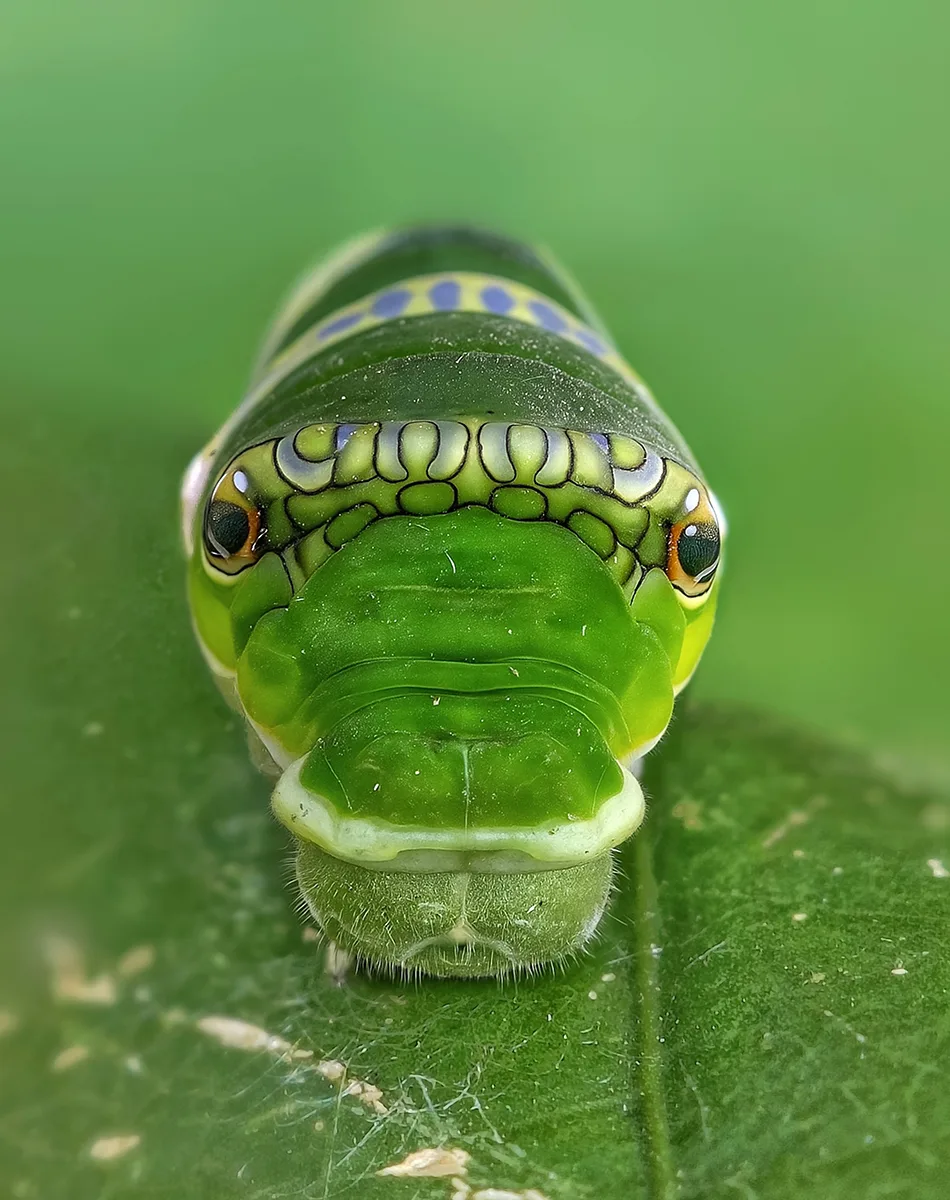 The common Mormon caterpillar (Papilio polytes) uses remarkable snake mimicry to deter predators. In later instars, it develops eye-like markings and a swollen thorax resembling a snake’s head. When threatened, it exposes its Y-shaped osmeterium, releasing a sharp odour that enhances the illusion and strengthens its defence. Photo by Sritam Kumar Sethy
Animals winner – Wallace’s flying frog
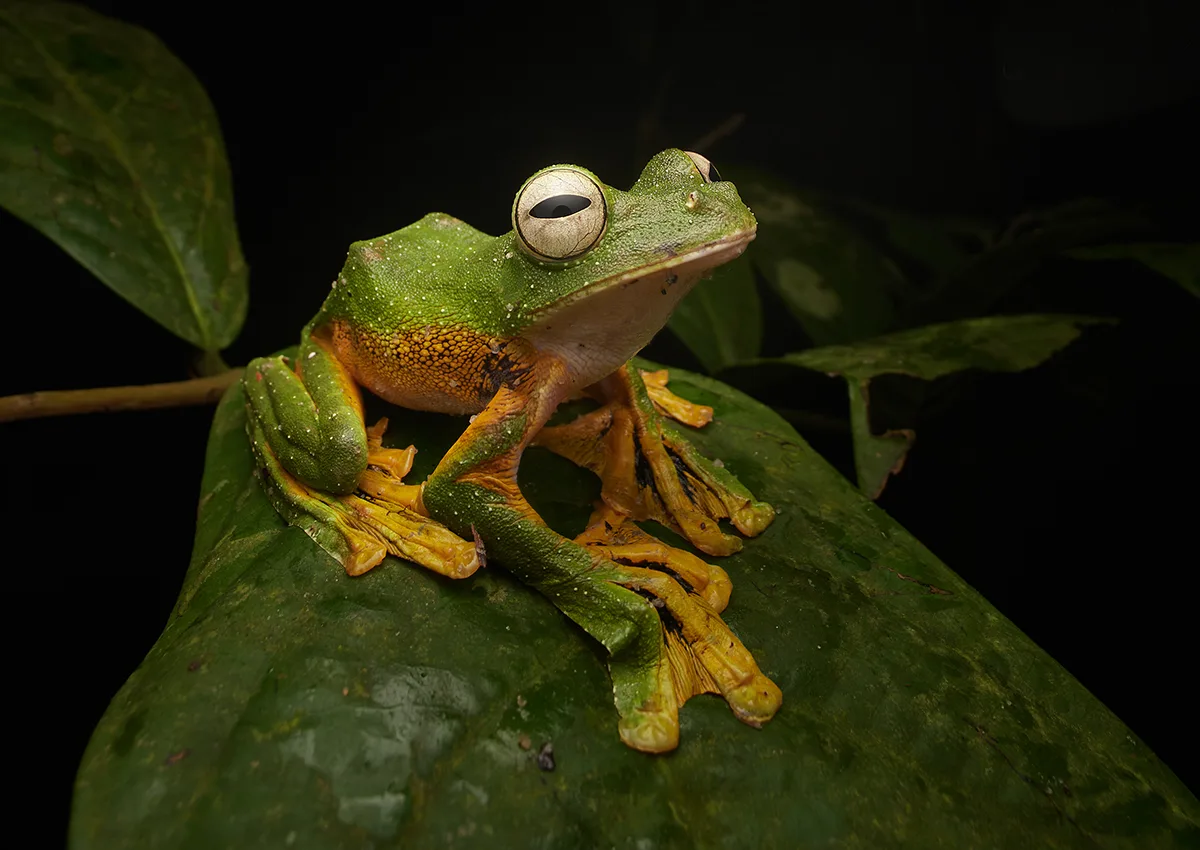 Photographed near Malaysia’s capital, several Wallace’s flying frogs (Rhacophorus nigropalmatus) descend from the rainforest canopy to breed in a temporary rain-filled puddle. Named after biologist Alfred Russel Wallace, this frog is well-adapted to life in the forest canopy, using webbed feet to glide between trees. Photo by Jamal Kabir
Mobile Ecology winner – Amanita nothofagi
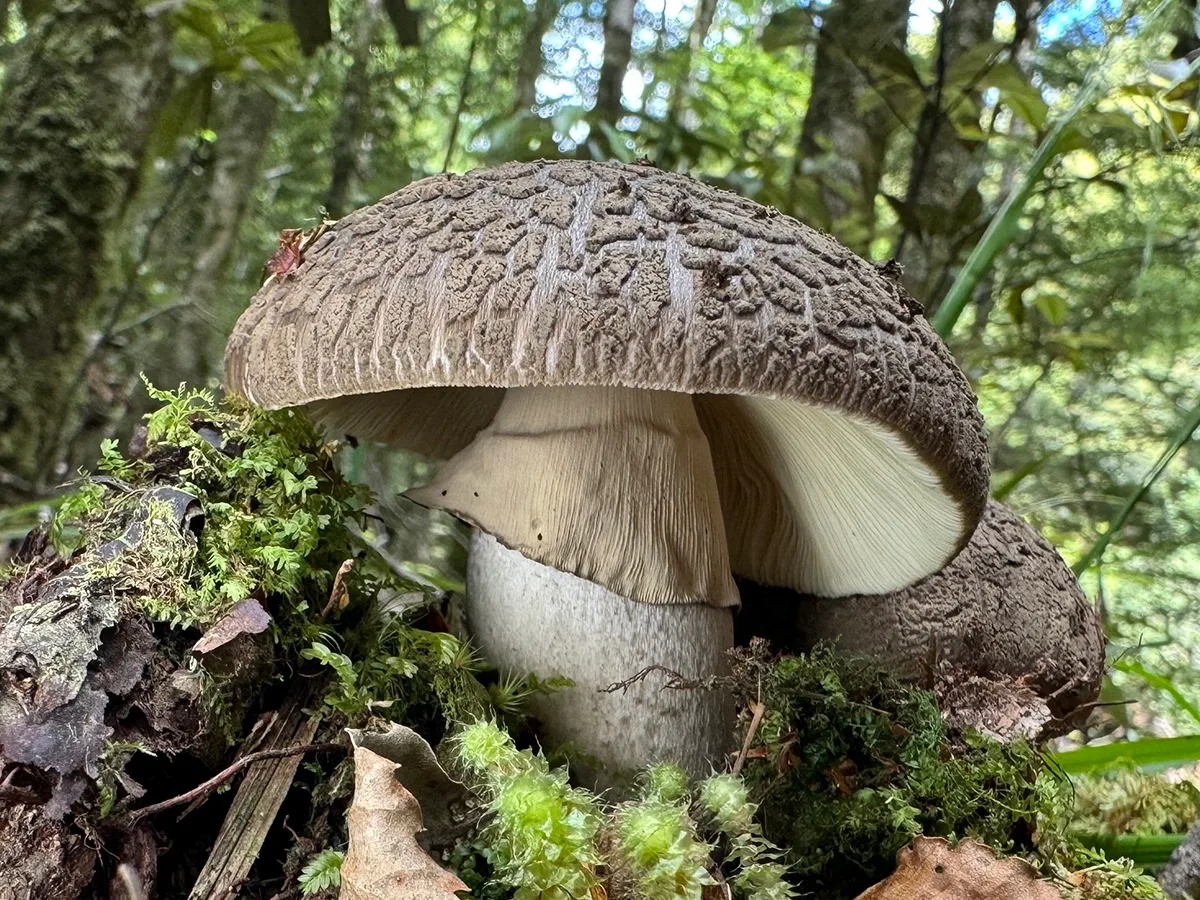 Endemic to New Zealand, Amanita nothofagi, like many fungi species, forms a relationship with the roots of plants. This symbiotic relationship is termed ‘mycorrhiza’ (in Greek, ‘myco’ means fungus and ‘rhiza’ refers to root). Amanita nothofagi is found in association with southern beech, mānuka and kānuka trees. Photo by Hui Syn Chan
Up Close winner – Emerging life
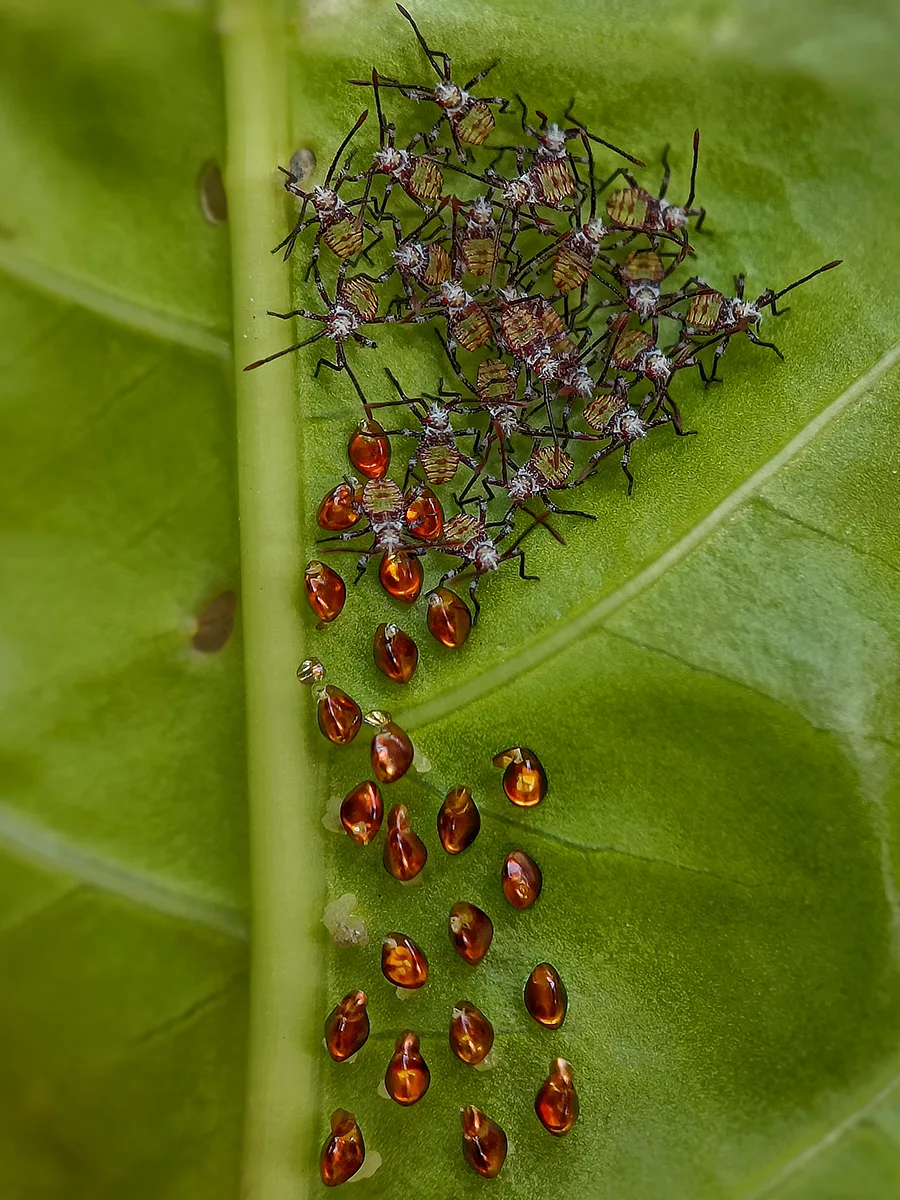 Newly hatched nymphs of the leaf-footed bug (Acanthocoris scaber) gather beside their amber egg casing beneath leaf foliage. Their translucent bodies mark the transition from egg to active life. Grouping closely together reduces predation risk and helps them retain moisture, illustrating an early survival strategy during the vulnerable developmental stage. Photo by Sritam Kumar Sethy
Nature, Food and Farming winner – Jute processing
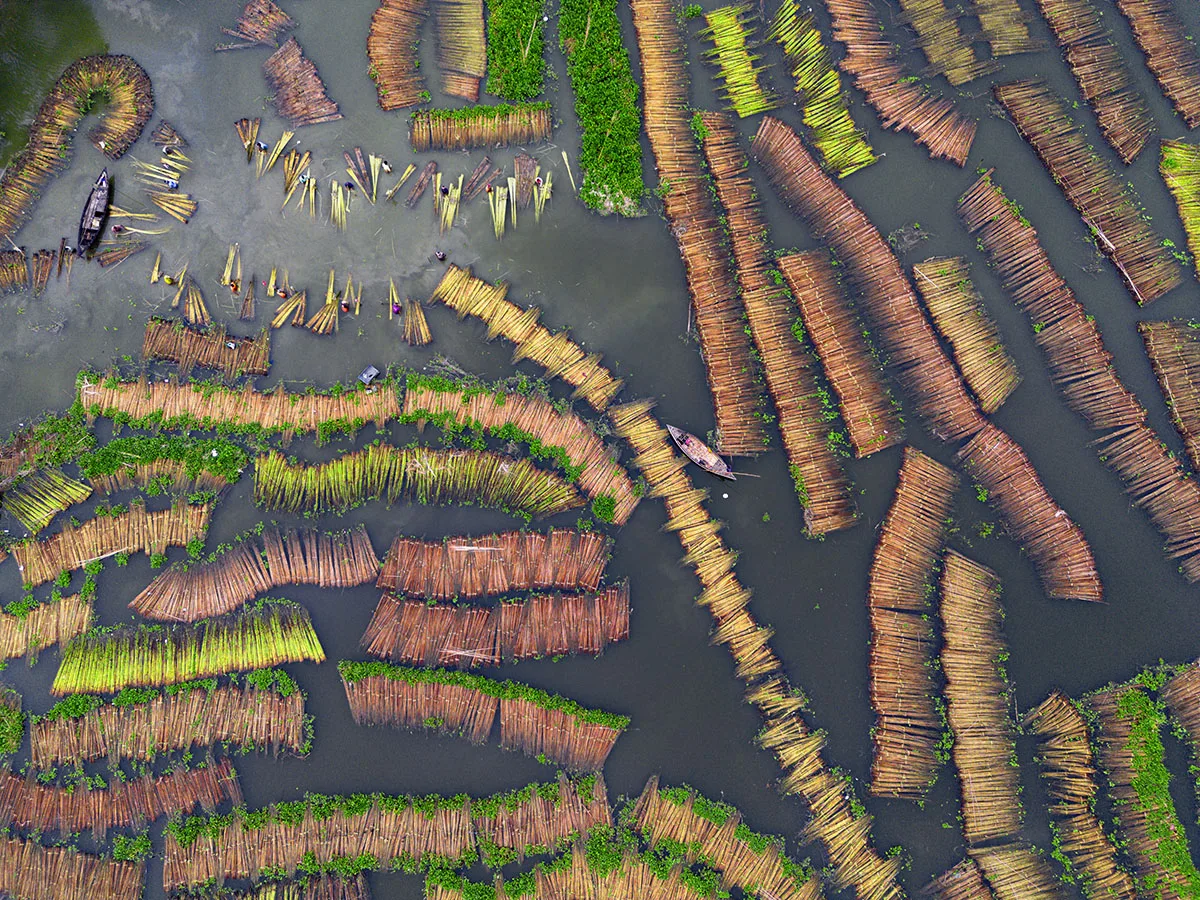 Thousands of sticks of jute float in the waters, creating amazing patterns. The jute is soaked in water by farmers to separate the jute fibre from the plant stem. The fibres are then sold to be used in textiles such as yarn, twisted yarn, sacks, carpet backing and curtain fabric. Photo by Joy Saha
Interactions winner – Lioness one eye behind birds
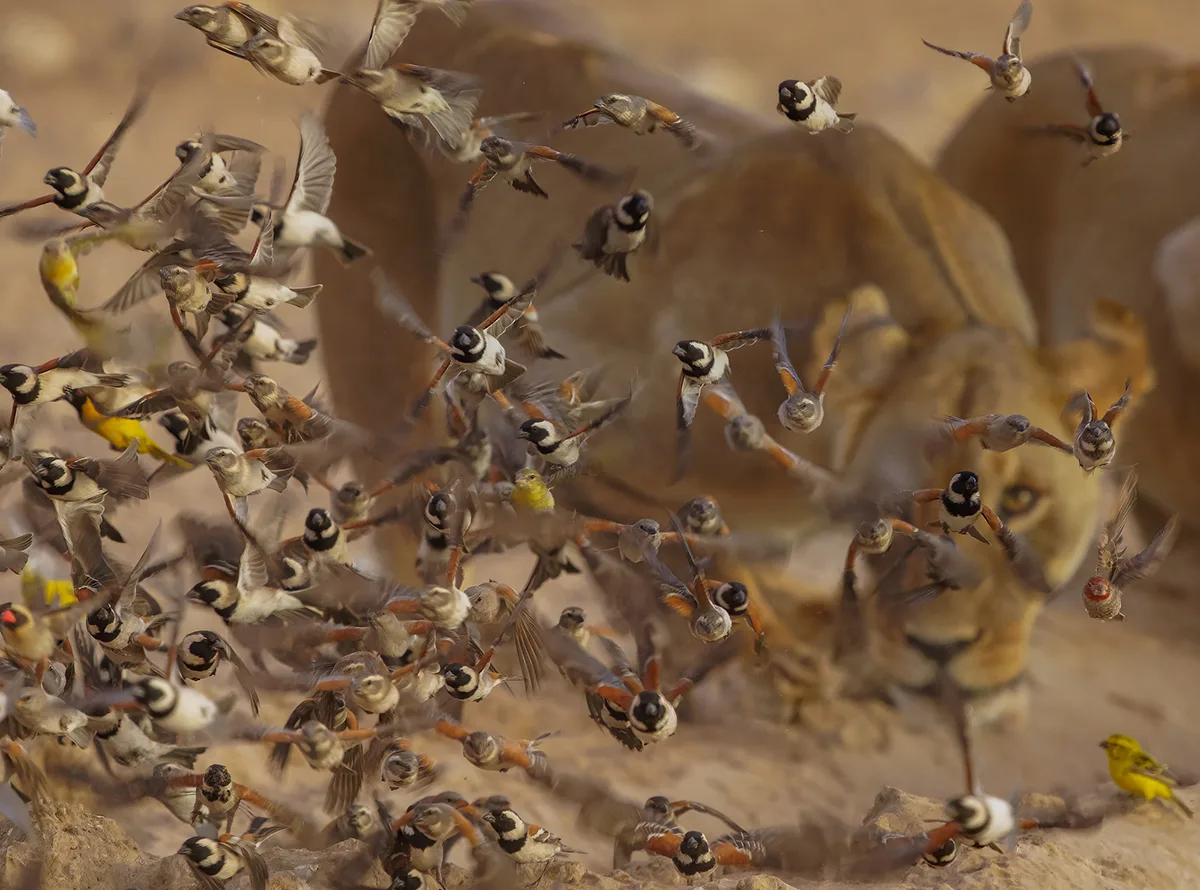 A small pride of lions look on as a flock of birds flies from a watering hole in Kgalagadi Transfrontier Park, Botswana. These birds arrive in flocks to drink from the watering hole during the dry season. In this image, we see a flock of a variety of small birds (including Cape sparrows) taking off while one of the lions drinks water. Photo by Willem Kruger
Plants and Fungi winner – Miniature encounter
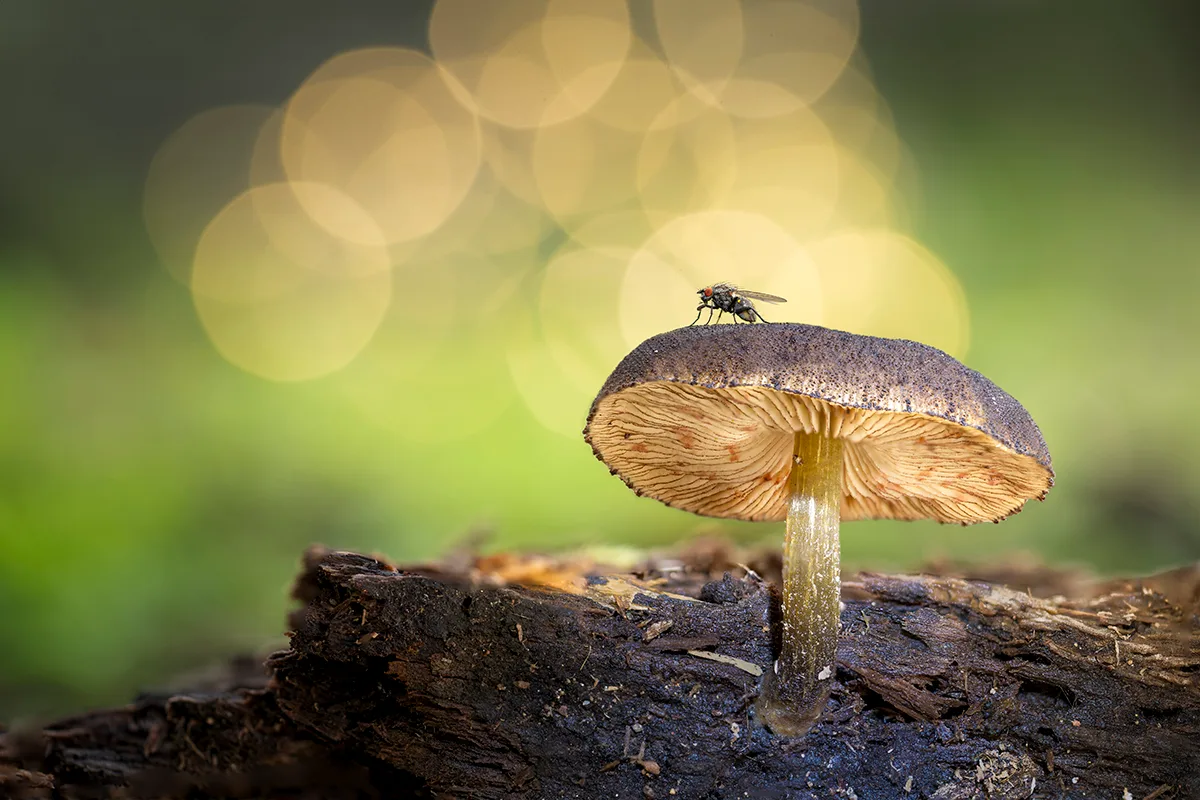 This image captures a magical moment when the fly, a symbol of ceaseless movement, rests on the calm of a mushroom, reminding us that even the most dynamic things need a place to pause. This miniature encounter reveals the beauty of tiny worlds that usually go unnoticed beneath our feet. Photo by Francisco Gamboa
Ecologists in Action winner – Ready for everything
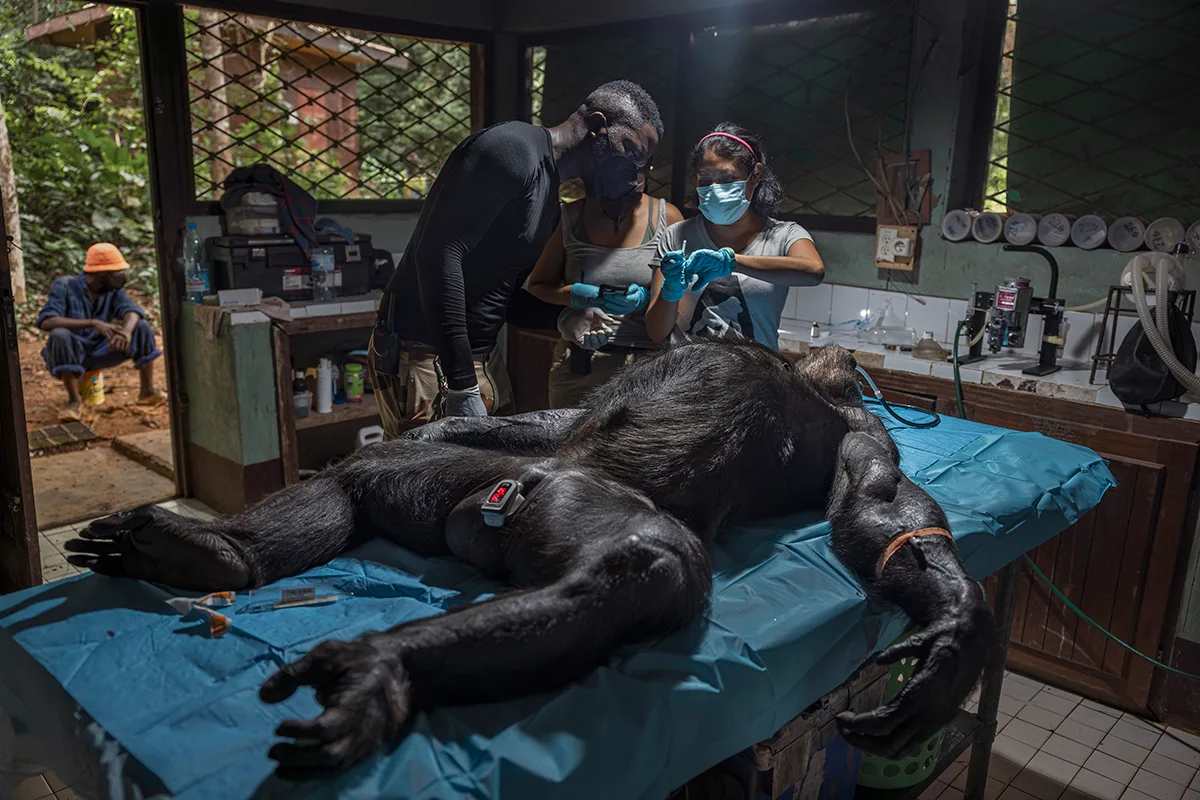 At Sanaga-Yong Sanctuary, a team of technicians and veterinarians from this sanctuary and from Ape Action Africa, both centres coordinated by the Pan African Sanctuary Alliance, examine a chimpanzee undergoing long-term rehabilitation after being rescued from trafficking. These experts must be prepared to handle every individual and every case resulting from trafficking and poaching. Photo by Roberto García-Roa
Overall winner – Wouldn’t hurt a fly
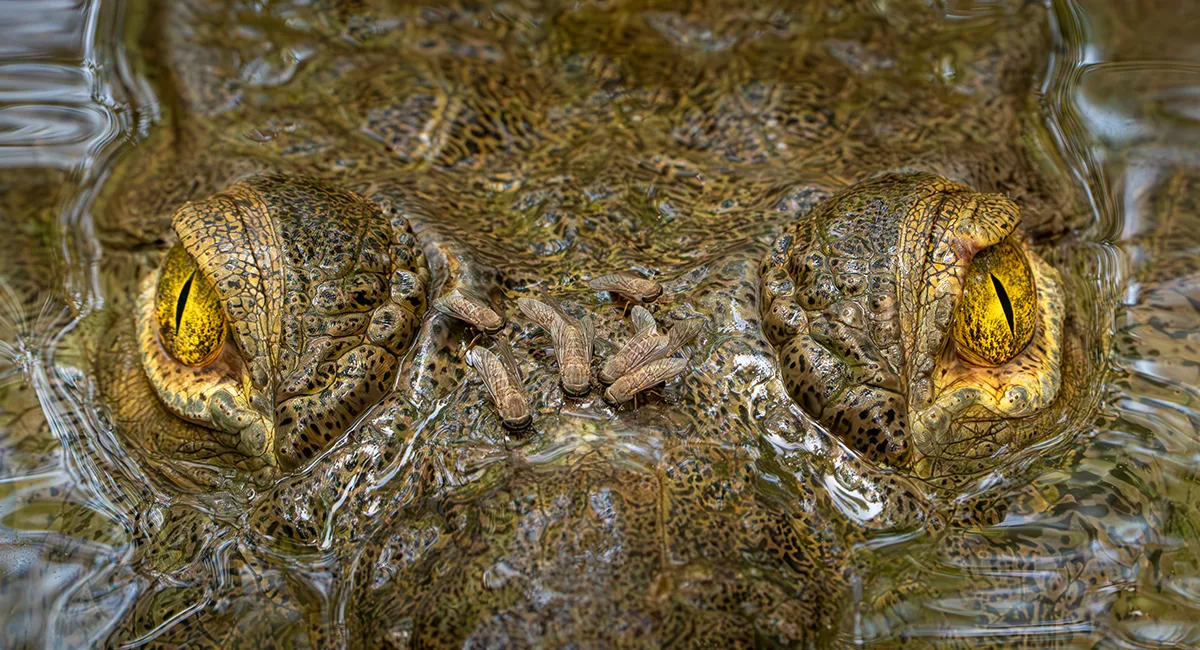 A calm American crocodile (Crocodylus acutus) meets the camera with an unwavering stare as biting flies are drinking from its head. In a quiet Panamanian tidal marsh, this apex predator proves that sometimes it truly wouldn’t hurt a fly. Photo by Zeke Rowe
Read more: