
Ryan Haines / Android Authority
Motorola is no stranger to launching smartwatches. It’s launched one or two each of the last few years, sometimes under its own umbrella and sometimes licensed through CE Brands (now Vitalist Inc.). And yet, you might not have realized it’s done anything in the wearable space since it tried to reboot the Moto 360 several years ago. That’s how forgettable the Moto Watch experience has been. Somehow, though, I’ve always held out hope that something good was on its way.
Until now. With yet another Motorola wearable on the horizon, I’ve decided it’s finally time to give up. I don’t think the Moto Watch will ever figure out its true identity, and I think it’s time we all moved on. Here’s why.
Clean hardware is great, but is it memorable?
Ryan Haines / Android Authority
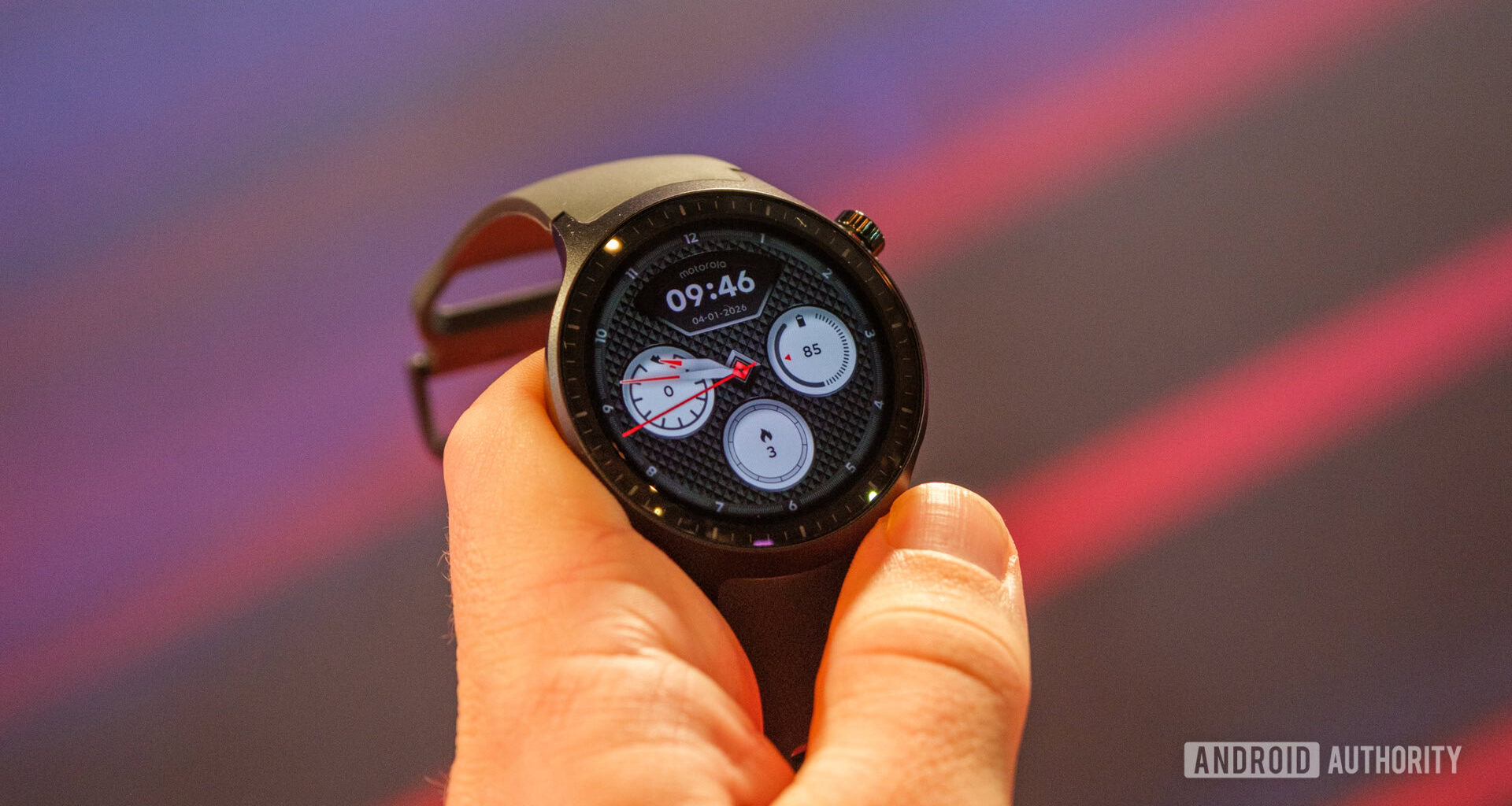
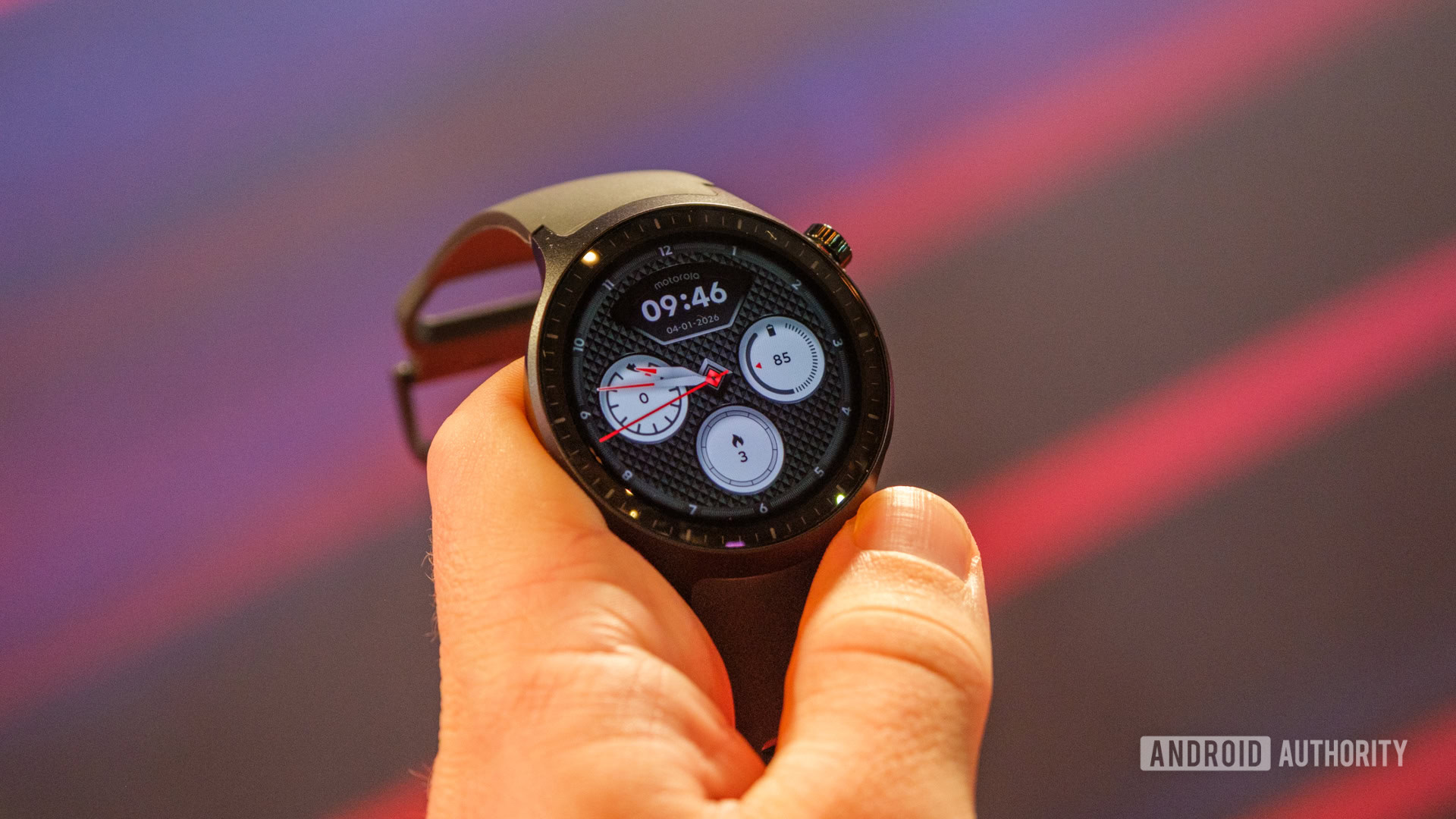
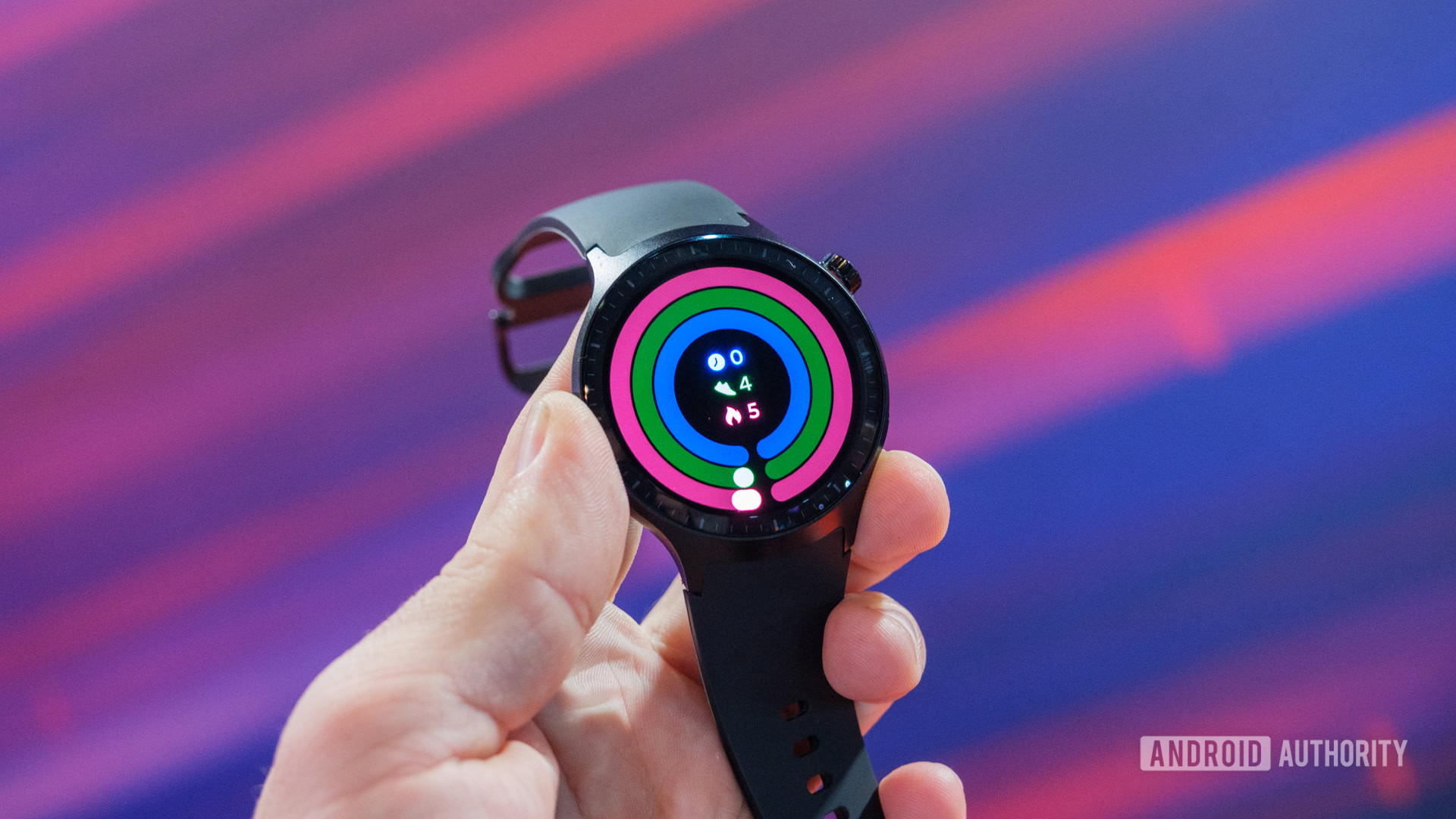
First, I have to give Motorola at least a little bit of credit. I don’t think the new Moto Watch looks bad. In fact, it looks an awful lot like an analog watch. It uses a rotating crown and button as controls, much like some of my favorite Coros running watches do. With a Corning Gorilla Glass 3 display and an IP68 rating against water and dust, it certainly seems like Motorola has figured out how to design a good-looking wearable.
The thing is, though, I don’t feel like the Moto Watch is much more than a pretty face. It’s clean, but unremarkable. Put up against a pebble-like Pixel Watch, a geometrically interesting Galaxy Watch, and the beautifully simple Pebble Round 2, the Moto Watch is just kind of there. Honestly, bringing back the Moto 360’s flat tire design would have made it more interesting, even though such a design feature is no longer necessary in 2026.
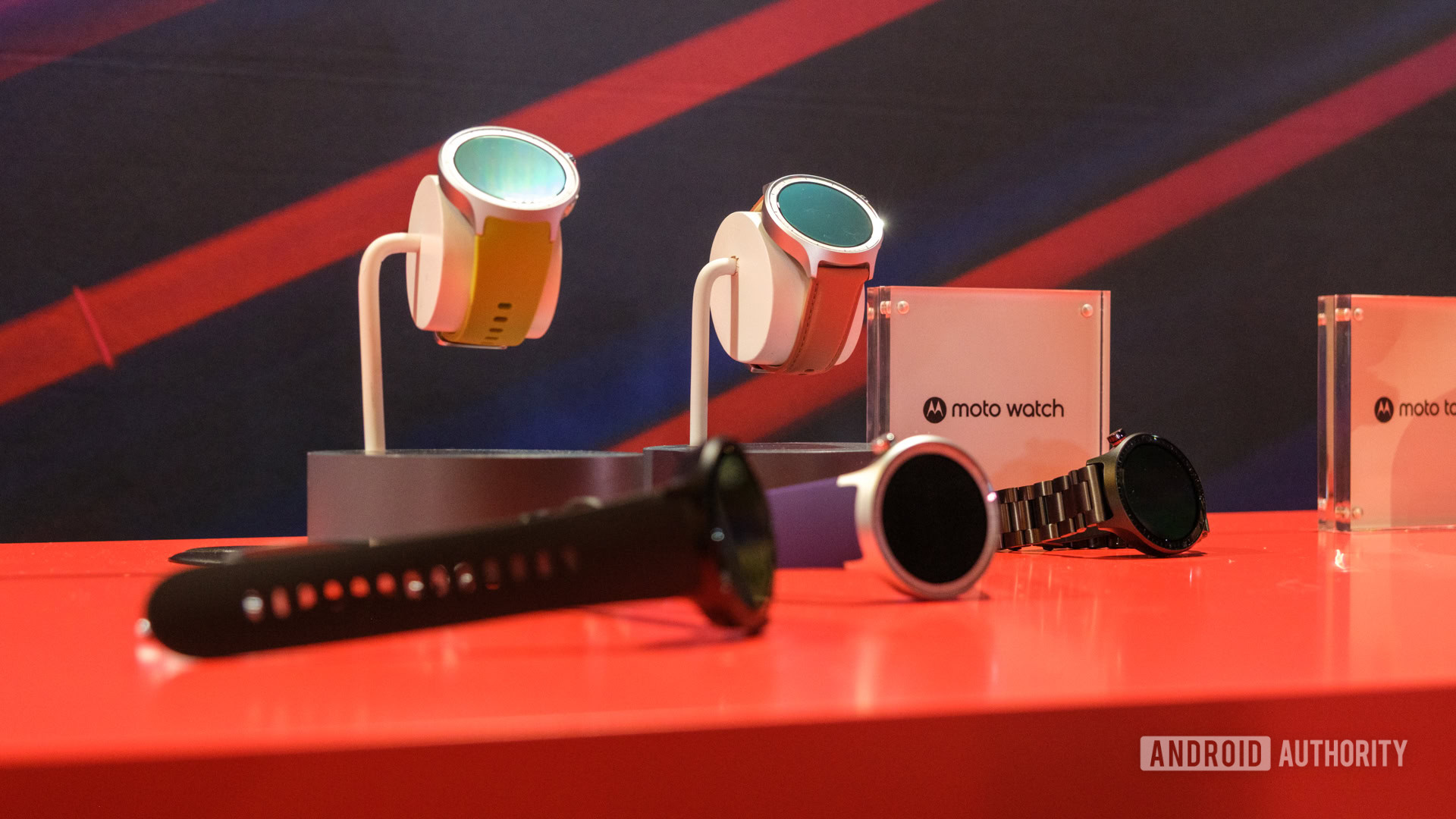
Rather than make one great design, Motorola has now tried like seven copycat styles.
Perhaps my bigger problem with the Moto Watch — or at least its overarching product line — is that there’s no continuity. Motorola’s previous wearable, the Moto Watch Fit, was a square, single-buttoned clone of the Apple Watch, and the trio of licensed watches that preceded it may as well have been from different companies.
Despite being priced within $60 of each other, the Moto Watch 40 reminded me of a cheap fitness tracker, the Moto Watch 70 looked like a rough sketch of an Apple Watch, and the Moto Watch 120 resembled a riff on Samsung’s older, circular Galaxy Watch design. There wasn’t much to link them outside of names and shared software, and the lack of direction left me wondering what was next — until the Moto Watch Fit arrived, of course.
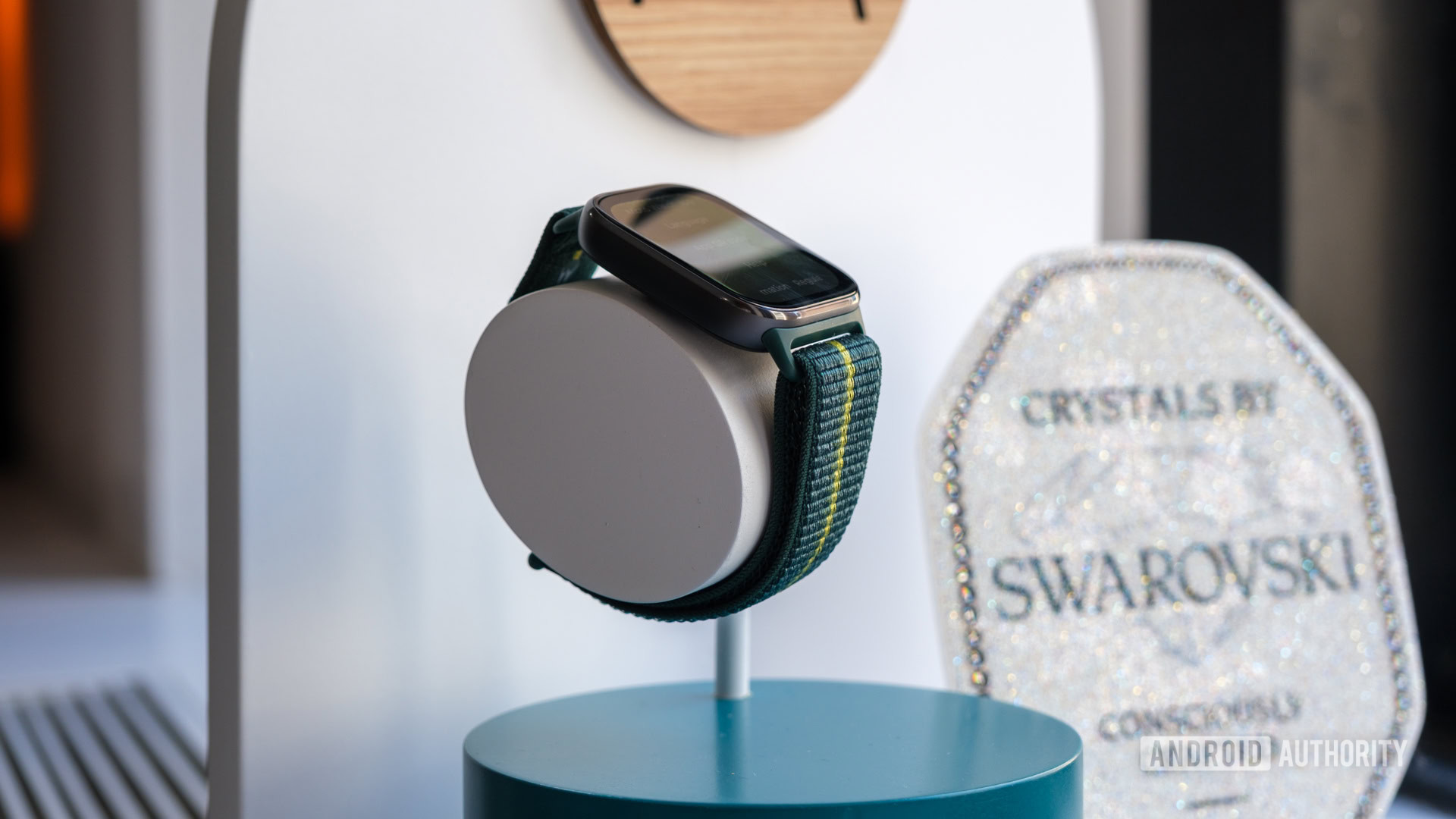
And then, as quickly as it arrived, it was forgotten about. Motorola immediately abandoned its new system of slot-based interchangeable watch bands, reverting to more universal 22mm quick-release options. Square? Nope. Single button? So last year. Pantone? Well, at least that’s still around (and still the best part of most Motorola designs) for now.
If it’s not Wear OS, I don’t think I’ll be wearing it
Ryan Haines / Android Authority
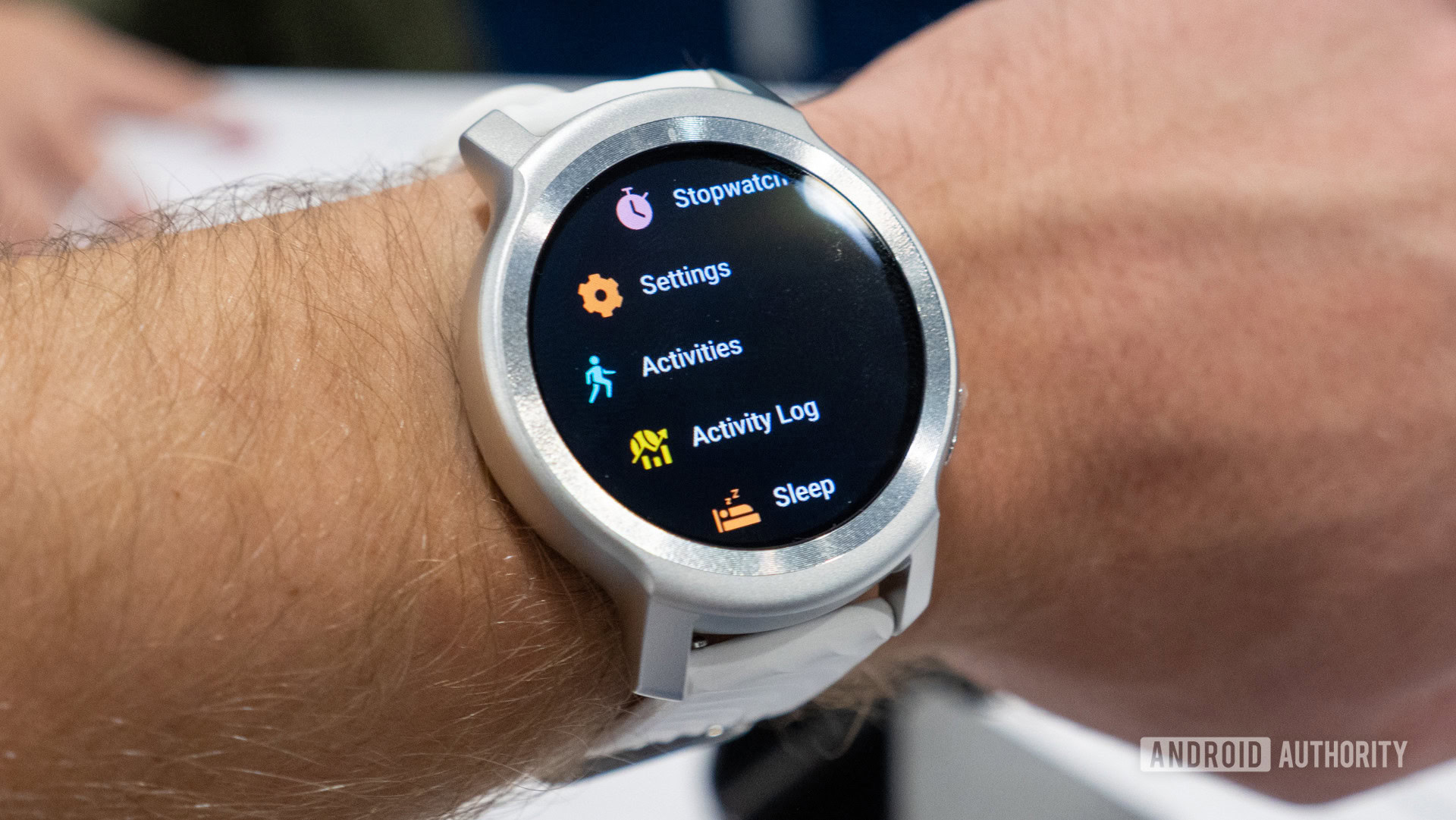
Even if you’re sold on Motorola’s simplified hardware, though, I think its software remains a tougher sell. Ironically, my issue this time is the opposite of what I complained about above — I don’t like that Motorola insists on doing its own thing. Instead, I’d love to see it finally get with the times and adopt Wear OS, because its in-house solution feels more than a little dated. Sure, you can do all the basics, like controlling music from your phone, tracking activities, and viewing notifications, but good luck replicating a more complete smartwatch experience.
What I mean is this: everything on the Moto Watch runs through Motorola’s dedicated app. There’s no app store otherwise, which means no Strava, no Spotify, and none of the other apps you’d usually fill out your Wear OS experience with, either. And, without that reliable Wear OS backbone to build on, I don’t really have high hopes for the Moto Watch to gather regular software updates. Sure, the first one or two may come decently quickly, but if it becomes anything like the Moto Watch 40, 70, or 120, the app will probably be forgotten about before long.
Motorola’s wearable software is as generic as its hardware, but Polar might boost its fitness chops.
There’s at least a small silver lining for the fitness crowd, though, which comes in the form of fitness tracking powered by the watchmaker, Polar. Polar has extensive experience with its own running watches and heart rate sensors, including a relatively new optical design called the Polar OH1 Plus (not to be confused with OnePlus), which should translate well to the optical monitor on the Moto Watch.
The company also powers Motorola’s refreshed approach to sleep and step tracking, continuous oxygen monitoring, and dual-frequency GPS tracking for activities. And yet, as a dedicated runner, I don’t know too many people who wear Polar watches. Polar chest straps? Sure, but I’ve heard more than once that Polar’s software lags behind that of Garmin and others.
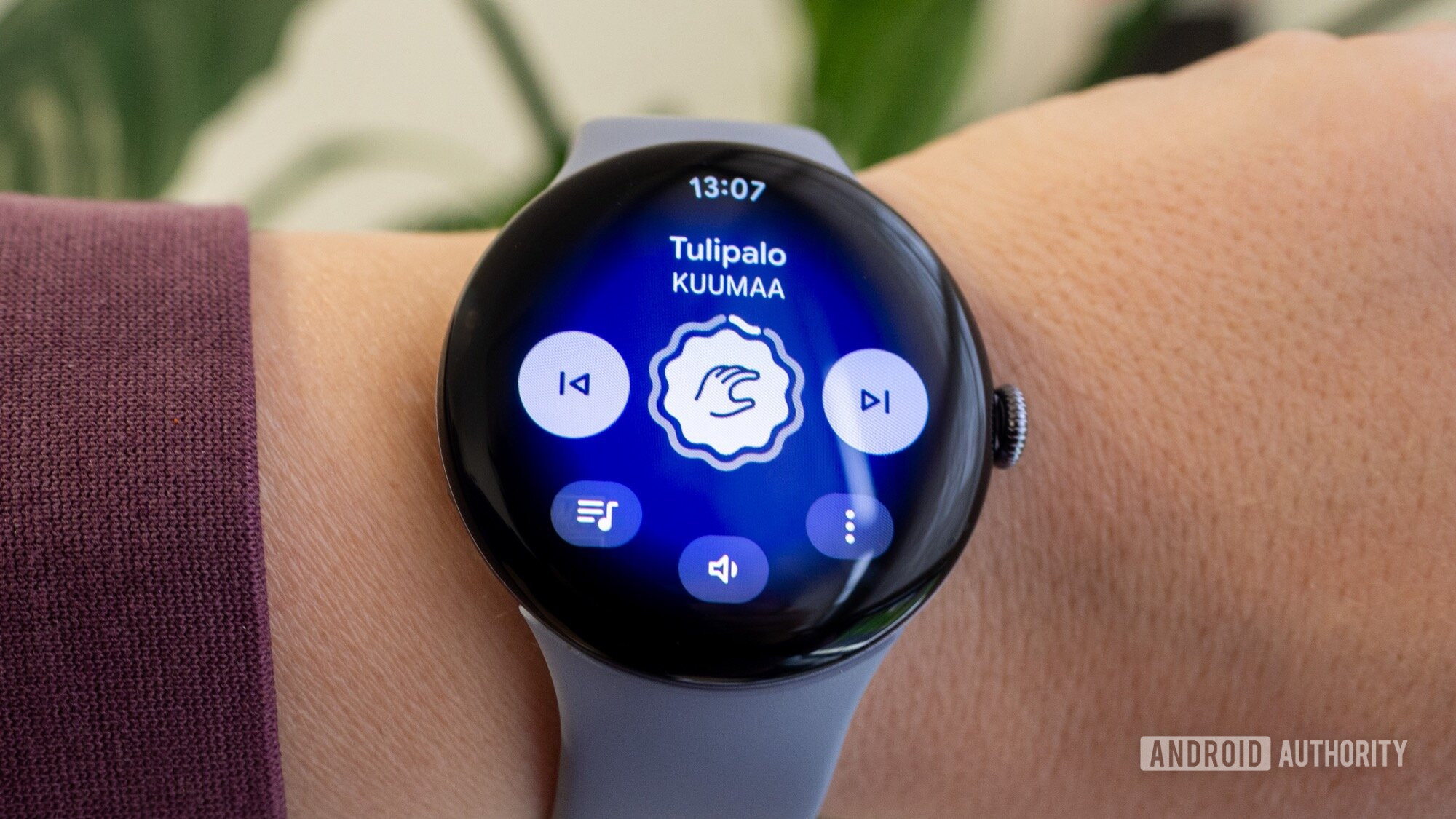
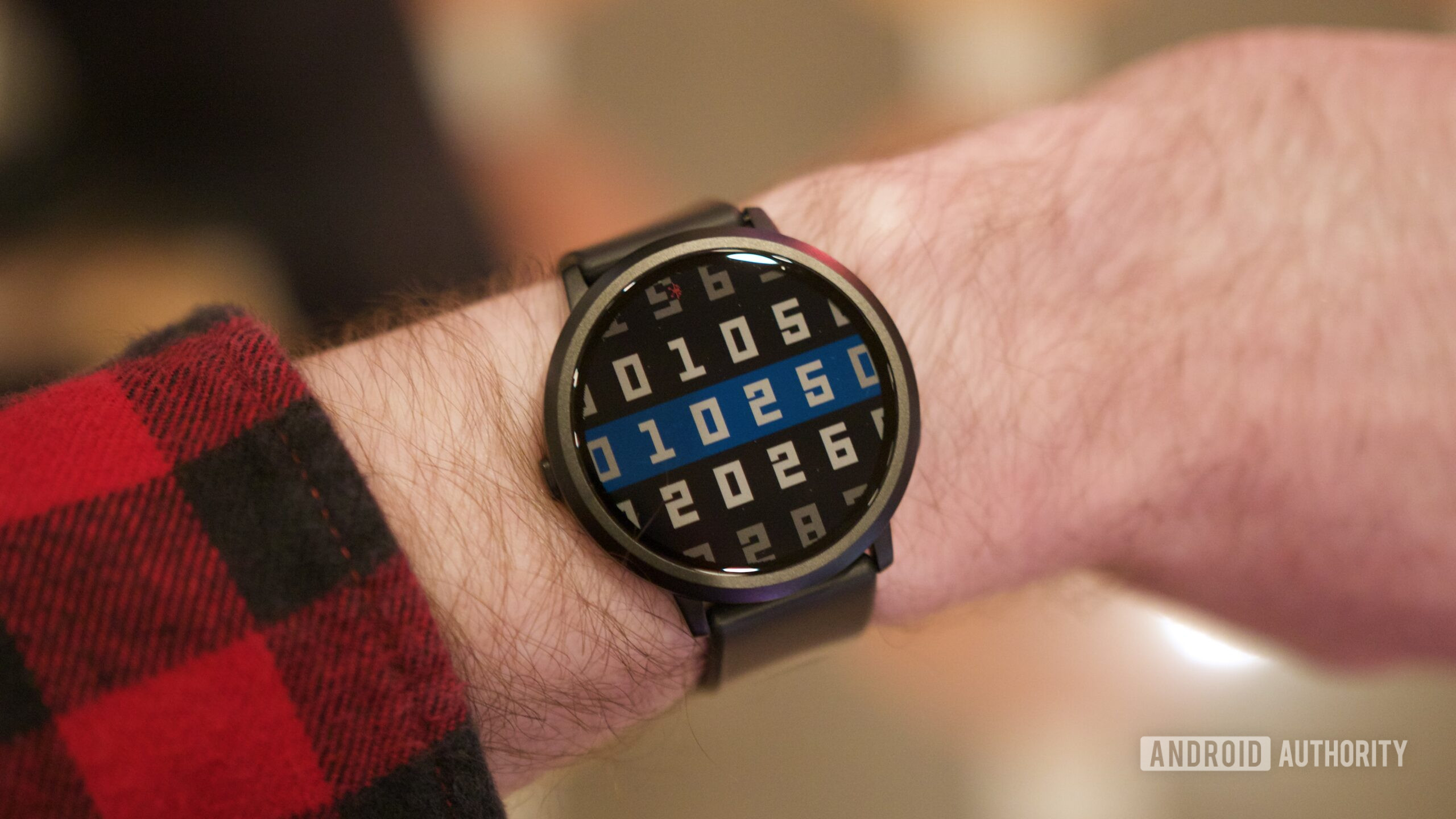
Oh, and despite Motorola’s exciting new announcement of a shared Qira AI platform as part of the Lenovo Tech World keynote, the Moto Watch offers little reassurance of support. You can use the current Moto AI model to generate wallpapers for your watch, but only if you already have a compatible phone, like the Razr (2025) or Razr Ultra. Have a more affordable phone, like a Moto G Play? Sorry, but you’re stuck with the existing faces in the Moto Watch app.
And, when you offer so little flexibility on what’s meant to be your flagship (I think?) wearable, it’s hard to compete with the more complete Pixel Watch and Galaxy Watch — not to mention the Pebble Round 2, which takes a much more open-sourced approach to skipping Wear OS. So, instead of putting faith in a Moto Watch that’s likely to change by 2027, I’ll stick with the wearables I know and trust.
Thank you for being part of our community. Read our Comment Policy before posting.