
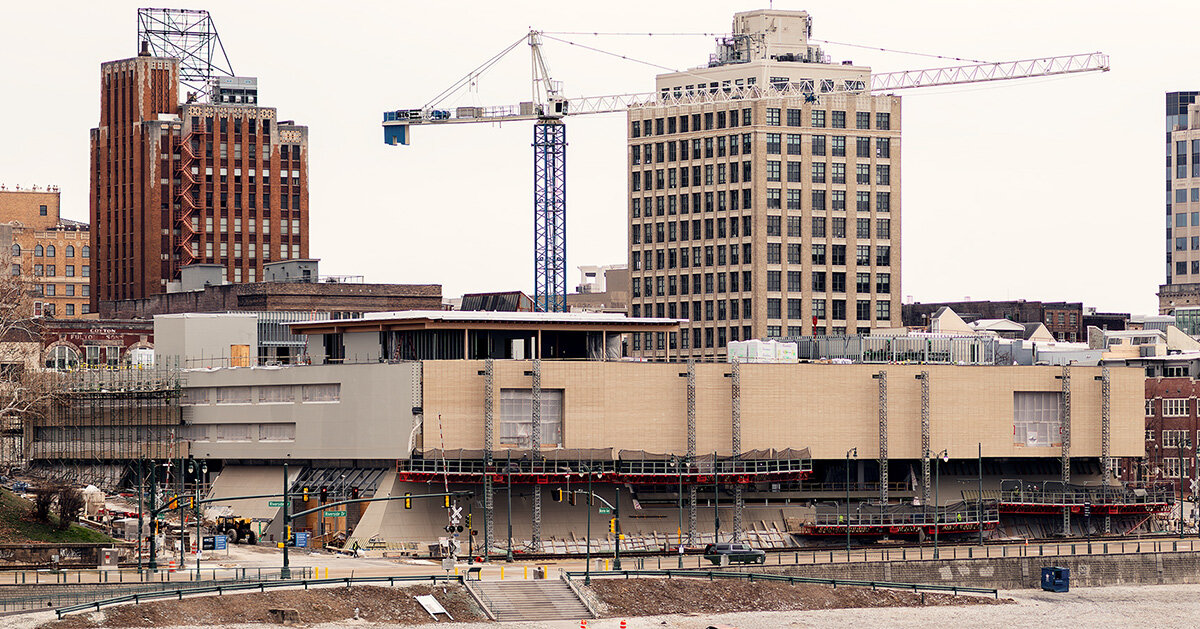
Herzog & de Meuron-designed Memphis Art Museum to open in 2026
The Memphis Art Museum shares updated renderings, construction images, and the first details of its curatorial approach for its new downtown cultural campus, scheduled to open in December 2026. Designed by Herzog & de Meuron in collaboration with architect of record archimania and landscape studio OLIN, the 11,475-square-meter building repositions the institution along the Mississippi River, expanding its gallery footprint and its role as a civic space. The museum frames the new building as an active participant in the way that art, history, and community are experienced.
The glass facade of the building and street-level galleries allow passersby to see inside, while a public plaza shared with the historic Cossitt Library forms a new cultural commons along the bluff. At the center, a shaded courtyard operates as a social hinge, surrounded by a continuous, single-story loop of flexible gallery spaces. Five galleries feature large windows overlooking either the Mississippi River or the courtyard, while light-filled classrooms with northern exposure link viewing art to making it. Atop the building, a 4,645-square-meter rooftop sculpture garden, described as an ‘art park in the sky’, extends the footprint of the museum into the skyline. Sculptures, native plants, an event pavilion, and panoramic views of downtown Memphis and the Mississippi floodplain transform the roof into a public destination.
The building is among the first major US museums to be constructed using laminated timber, with wood forming a defining architectural element throughout the campus. Timber beams, warm-toned surfaces, and material references to the clay banks of the Mississippi embed the building in its regional landscape. ‘Already, the civic nature of the building is tangible, and one can sense the positive impact it will have on Memphis,’ notes Ascan Mergenthaler, Senior Partner at Herzog & de Meuron.
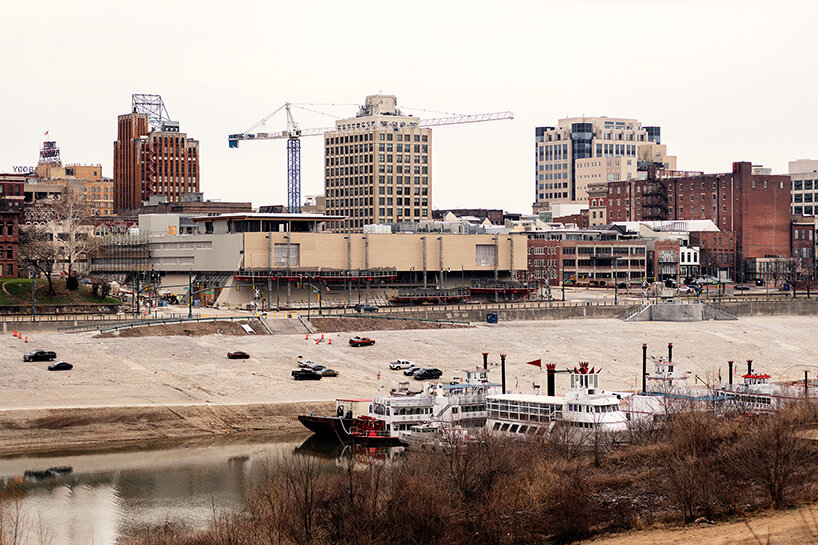
all Memphis Art Museum construction images by Houston Cofield
a curatorial shift grounded in lived experience
Founded in 1916, the Memphis Art Museum is the largest and oldest world art museum in Tennessee, Mississippi, and Arkansas, holding nearly 10,000 works that span 5,000 years of global history. Its collection includes Old Master paintings from the Samuel H. Kress Foundation, American art from the late 19th and 20th centuries, and significant holdings in photography. The move downtown allows the institution to reorganize its narratives around lived experience rather than conventional art historical chronologies.
That shift is most visible in the new curatorial framework. When the museum opens, its galleries will be organized into 18 distinct exhibitions that foreground connections across time, geography, and medium. The new layout creates visual and conceptual dialogue between spaces. ‘The construction of a new museum has given us a rare opportunity to not simply display more art, but to reimagine how we think about history, power, creativity and connection,’ says Chief Curator Dr. Patricia Lee Daigle. ‘We’re able to present the collection in ways that reflect the lived realities of the city that we serve.’
One thematic throughline across the campus is liberation. An exhibition anchored by Henry Sharp Studio’s Warren Black Gospel Window, on view for the first time, presents an early depiction of Christ and three biblical women as Black. This gallery will be in conversation with another space across the courtyard that explores jazz as a liberatory force for Black American abstract artists, including Sam Gilliam’s Azure (1977), a work long associated with the museum. These cross-courtyard sightlines are not incidental; the building’s spatial organization actively supports curatorial storytelling.
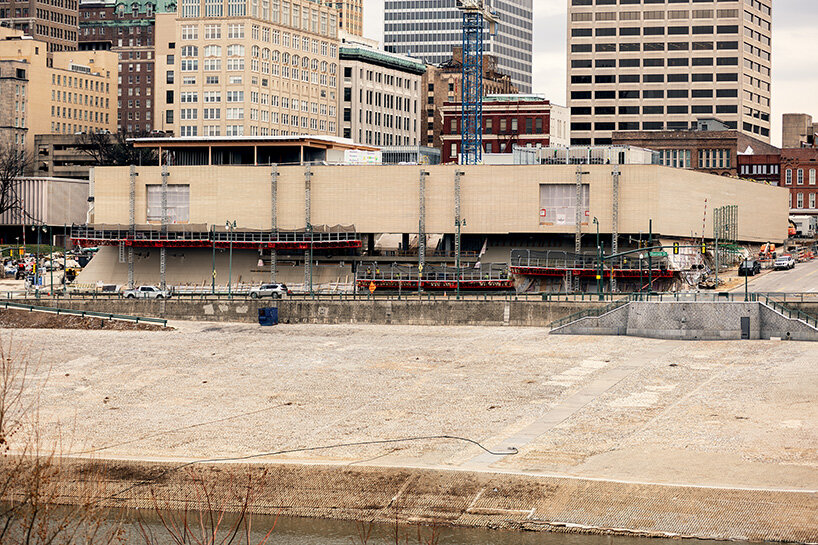
scheduled to open in December 2026
archives, artists, and the making of collective memory
Through the Blackmon Perry Initiative, the institution has acquired 80 works by contemporary Black artists, including Sanford Biggers, Brittney Boyd Bullock, Jordan Casteel, Torkwase Dyson, Alteronce Gumby, Hew Locke, and Ebony Patterson, an initiative supported by the Blackmon Perry Endowment, which funds a Curator of African American Art and Art of the African Diaspora, along with exhibitions, catalogues, and acquisitions. Another major addition is the Hooks Brothers Studio archive, which includes more than 75,000 photographs documenting Black life in the American South between 1900 and 1984, promised as a gift from Andrea Herenton and board trustee Rodney Herenton.
Opening during a year of major cultural expansions across the city, including projects at the National Civil Rights Museum and the National Ornamental Metal Museum, the new Memphis Art Museum positions itself as part of a broader cultural ecosystem rather than a standalone icon. As Executive Director Zoe Kahr puts it, ‘The depth of a community’s belief in the arts is reflected in its willingness to invest boldly in spaces that invite imagination, dialogue, and connection.’
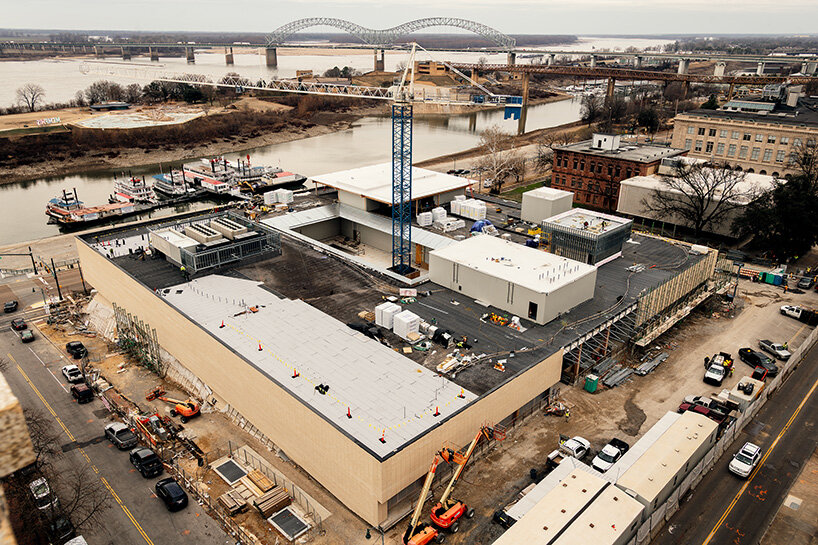
the 11,475-square-meter building repositions the institution along the Mississippi River
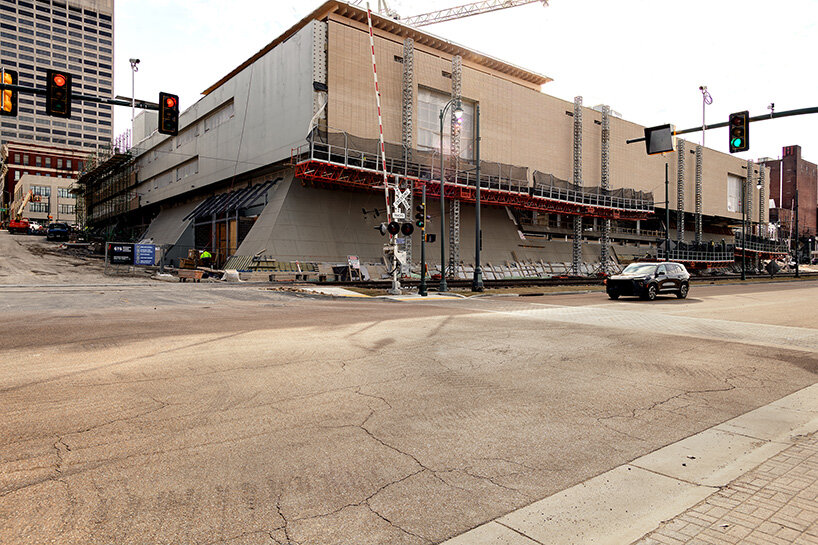
expanding its gallery footprint and its role as a civic space
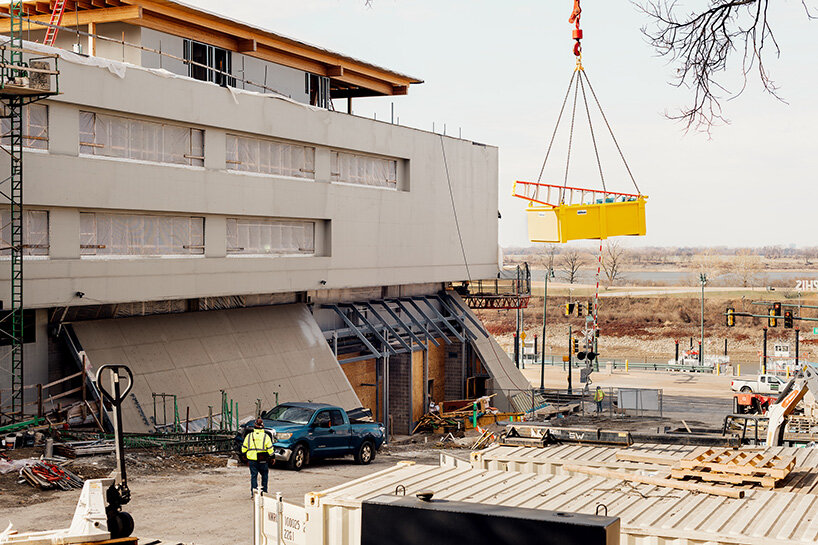
an active participant in the way that art, history, and community are experienced
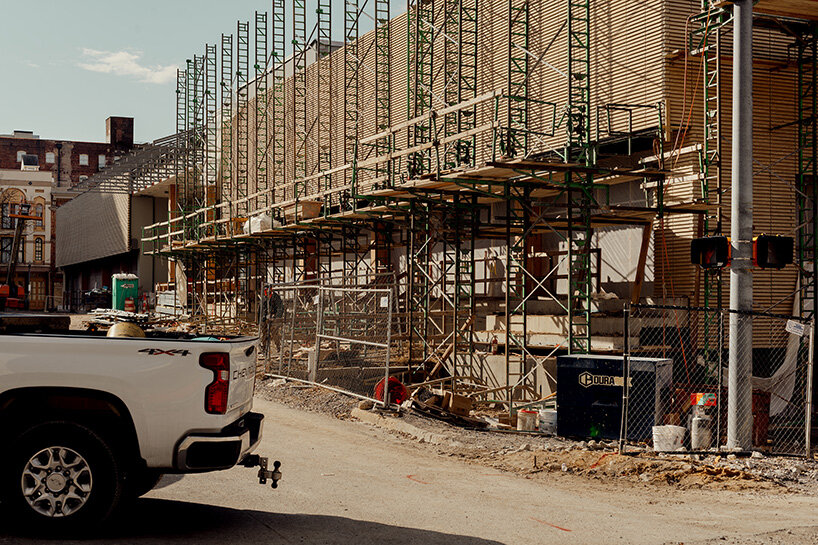
the glass facade of the building and street-level galleries allow passersby to see inside
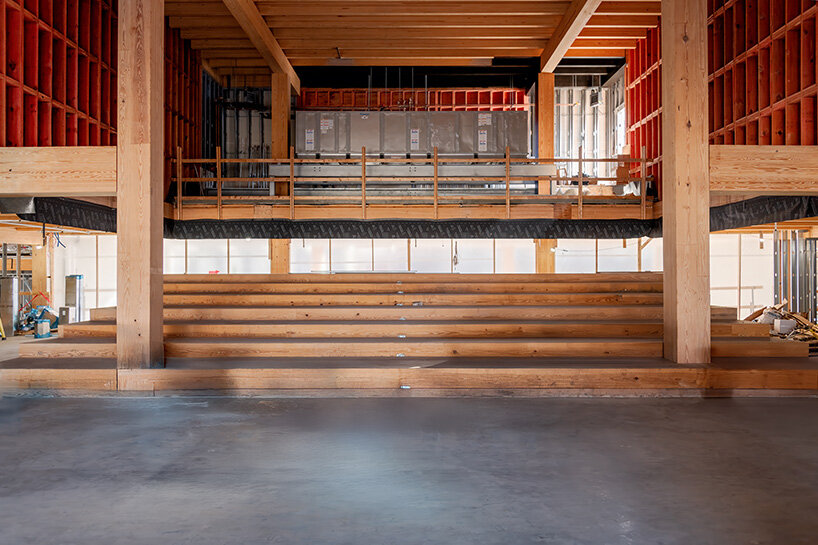
light-filled classrooms with northern exposure link viewing art to making it
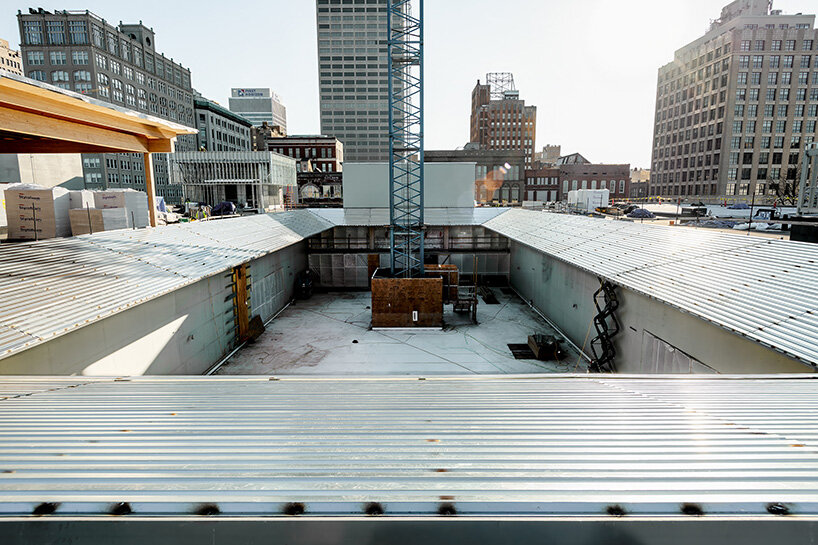
a 4,645-square-meter rooftop sculpture garden extends the footprint of the museum
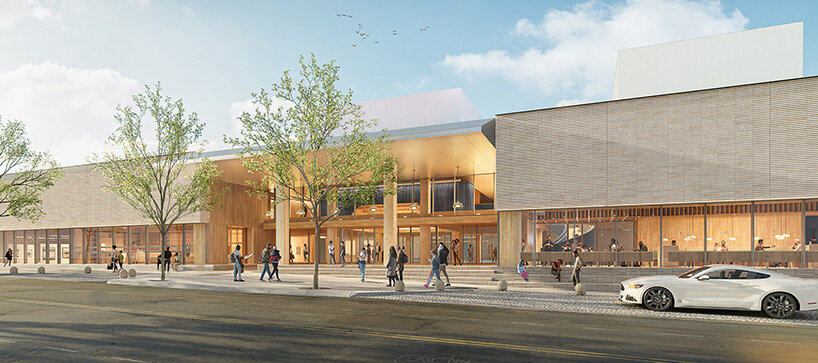
front street | all renderings courtesy of Herzog & de Meuron
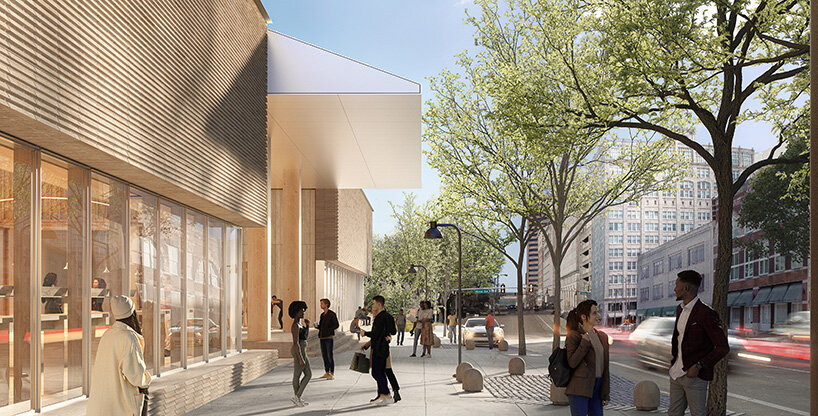
front street sidewalk
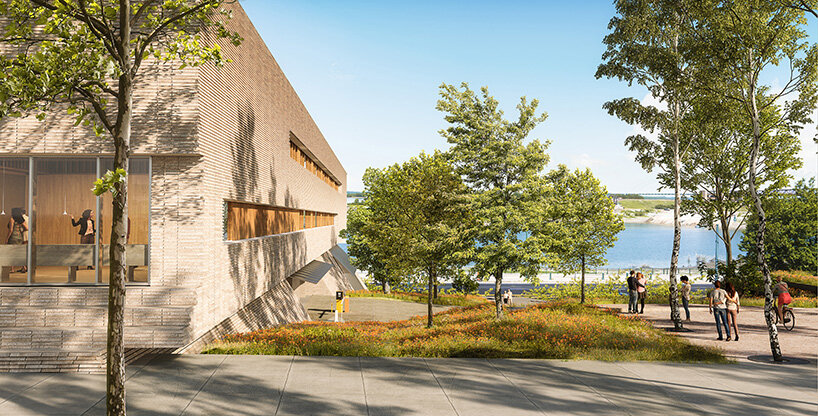
Monroe Plaza
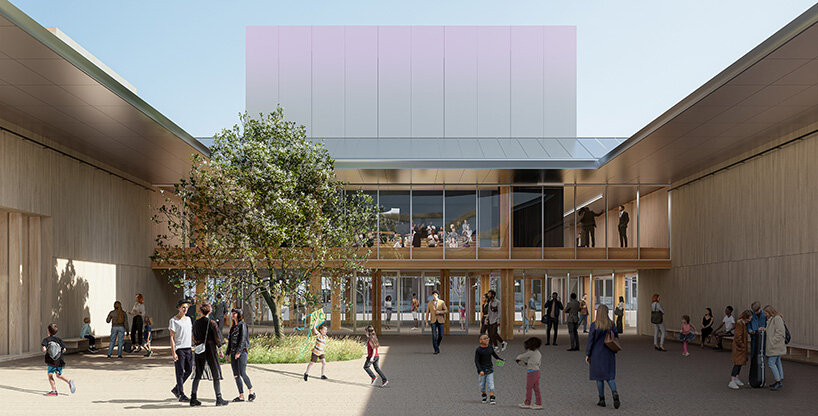
courtyard entry
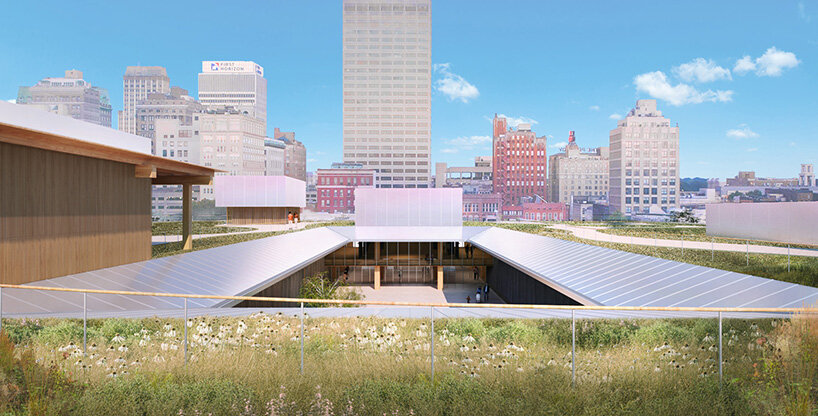
roof garden
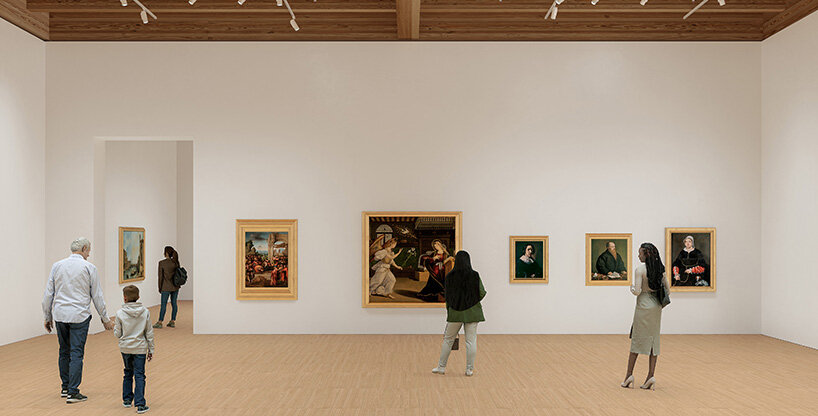
gallery north