
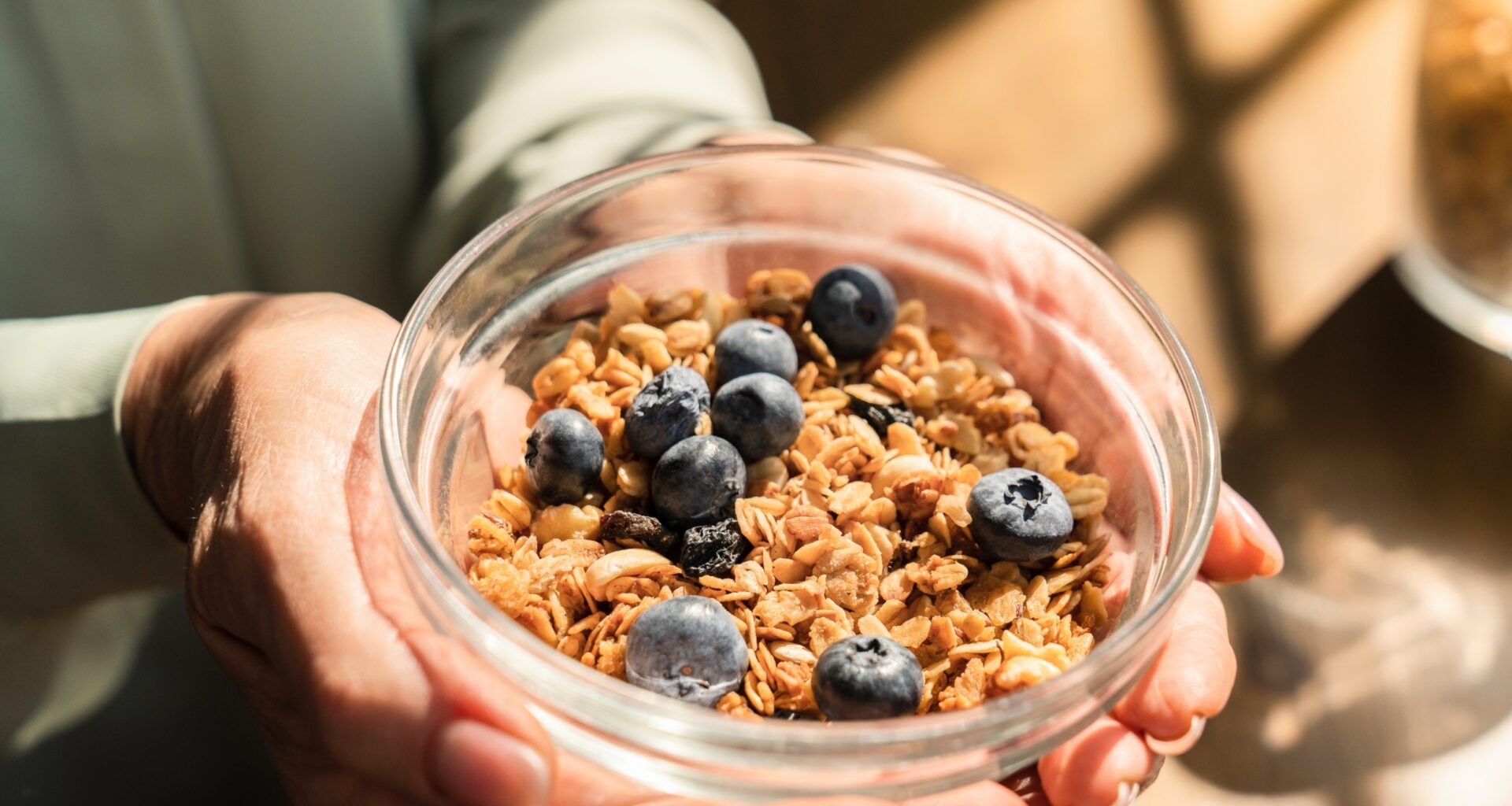
Dietary fiber rarely gets much attention. It sits quietly on nutrition labels, often overshadowed by protein, vitamins, or trendy supplements.
Most people know fiber helps digestion, but that’s usually where the story ends. New research from the University of Otago suggests fiber deserves a much bigger role.

Nutrition scientists now argue that dietary fiber meets the same standards as vitamins and amino acids and should be officially recognized as an essential nutrient.
If adopted, it would be the first new essential nutrient added in more than 50 years.
Why fiber matters for health
Essential nutrients support basic body functions and must come from food. Amino acids and vitamins already sit in this group. Researchers now argue that fiber meets the same standards.
Fiber supports body systems, the human body cannot make fiber on its own, and low intake links strongly to disease.
According to the research team, increasing fiber intake would bring more health benefits than increasing any other nutrient.
“The disease burden associated with diabetes, heart disease, and colorectal cancer would be expected to be appreciably reduced by such a dietary change,” said study co-author Andrew Reynolds, an associate professor at the University of Otago.
Low fiber intake connects to serious health problems. Many people eat far less fiber than health guidelines suggest. This gap creates long-term risks that build slowly over time.
Decades of fiber research
The research group reviewed more than 100 years of research. The evidence covers fiber chemistry, physical traits, digestion, and effects on metabolism.
Recent clinical trials and large data reviews strengthen this case, with many studies led by University of Otago researchers.
“Looking across multiple studies, we see that when people increase fiber intakes, their body weight, cholesterol, blood sugars, and blood pressure all improve,” said Reynolds.
“When following people over decades, we see those with higher fiber intakes get less heart disease, less type 2 diabetes, less colorectal cancer, and are less likely to die prematurely.”
The gut microbiome link
One reason fiber did not gain essential status earlier involved the lack of a clear deficiency disease. The authors now say modern gut research solves this problem.
“In some ways, it’s quite simple,” said Professor Jim Mann, co-author of the study. “The gut microbiome exists almost exclusively on the dietary fiber we eat.”
“A healthy gut microbiome is linked to all sorts of health benefits, with more discovered and understood each day.”
Fiber feeds beneficial gut bacteria. Without enough fiber, these bacteria lose function. Past research by showed that low fiber intake leads to a weak and unbalanced gut microbiome.
Increasing fiber restores this balance and strengthens the link between gut bacteria and human health.
Fiber intake in New Zealand
New Zealanders eat about 20 grams of fiber per day on average. The World Health Organization recommends at least 25 grams daily. That small gap makes a big difference.
Researchers points out that adding just 5 grams of fiber per day would meet the minimum target. This increase remains realistic and affordable for most households.
Simple ways to eat more fiber
Adding fiber does not require expensive foods or complex diets. Whole grains offer an easy starting point. Oats grow locally in New Zealand and remain widely available. Wholegrain bread and wraps also help boost intake.
Legumes provide another simple option. Canned beans cost little, store easily, and work well in many meals. Reynolds often replaces meat with beans while cooking.
“I supplement or replace meat in recipes with beans all the time, such as cannellini beans or butter beans for chicken, kidney beans or black beans for mince, and lentils, which are like a stealth source of fiber,” he said.
Vegetables also add fiber, no matter the form. Fresh, frozen, and canned vegetables all support fiber intake without extra cost or effort.
How fiber status could change
Official recognition of fiber as an essential nutrient could reshape food systems. Researchers say this step would influence dietary guidelines, education programs, and health advice.
Food labels might highlight fiber more clearly. Food companies may reformulate products to include higher fiber levels. Public awareness could rise as a result.
This research shows that small daily choices can create large health gains. Fiber may soon gain the recognition it deserves, not as an optional extra, but as a key part of long-term health.
The research is published in the journal Nature Food.
—–
Like what you read? Subscribe to our newsletter for engaging articles, exclusive content, and the latest updates.
Check us out on EarthSnap, a free app brought to you by Eric Ralls and Earth.com.
—–