


A scene from “Scandal Supervisor,” left, and chef Im Seong-keun / Captured from JTBC, courtesy of Netflix
Controversies over the casting of noncelebrity participants with undisclosed criminal or ethically questionable histories are sparking debate in South Korea’s entertainment industry, raising a pressing question: Is it truly possible to vet ordinary people before putting them on reality television?
From extramarital affairs and assault to drunk driving and fraud, recent incidents have prompted backlash, forced edits and outright cancellations, causing a growing issue for unscripted TV.
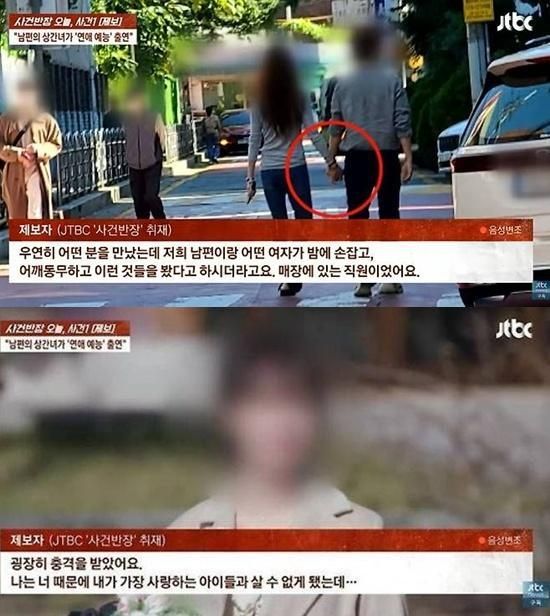
Scenes from “Scandal Supervisor” / Captured from JTBC
Dating show backlash over alleged affair history
On Tuesday, JTBC’s current affairs program “Scandal Supervisor” featured a woman in her 40s who said she was shocked to see her ex-husband’s alleged former lover on a dating show. The woman said she divorced her husband in 2022 after confirming his affair and pursued both a divorce lawsuit and a related civil case. A court found both the husband and the other woman responsible for the marriage’s breakdown, and the plaintiff won the civil suit.
Public attention focused on the dating program in question, “Match to Marry: With Parents” — a reality show in which participants appear alongside their mothers. After criticism swelled, the show’s producers announced they were removing the participant’s footage from all remaining episodes to “reduce viewer discomfort.”
The producers said they conduct screening through detailed interviews and written questionnaires that require participants to affirm they have no history involving “criminal activity, drugs, extramarital affairs or school violence.” They also include contractual penalties to discourage false statements, but added that they were “shocked and distressed” that the controversy arose despite those efforts.
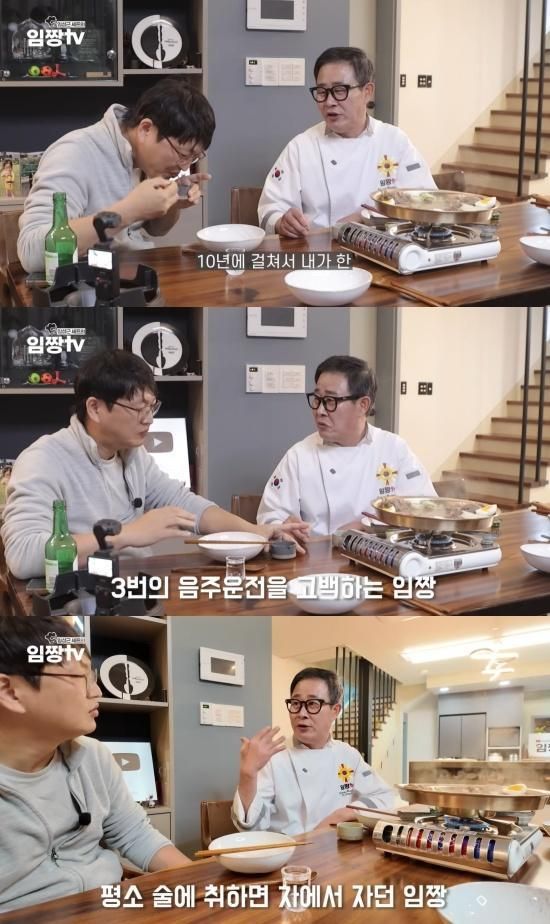
Chef Im Seong-keun / Captured from Im’s YouTube channel
Meanwhile, Chef Im Seong-keun, who gained attention on Netflix’s “Culinary Class Wars 2,” was revealed to have prior incidents involving drunk driving and assault just as he was set to appear on other shows. The disclosure led to a series of cancellations: MBC’s “Omniscient Interfering View” and the web show “Salon Drip” canceled episodes, while appearances on “Knowing Bros” and KBS2’s “Stars’ Top Recipe at Fun-Staurant” were also scrapped. Im later said he would step away from television.
At the Wednesday Next on Netflix lineup event, the streaming platform’s head of entertainment acknowledged the challenge of vetting noncelebrity participants.
“We also struggle with this and find it very challenging,” the executive said. He explained that as reality formats proliferate and audiences increasingly demand raw, unfiltered content, identifying potential red flags in a participant’s past is inherently limited. “We try to check histories to the fullest extent permitted by law, but issues still emerge that we couldn’t detect.”
A recurring problem
The risk posed by noncelebrity participants has been a recurring topic as more reality shows cast ordinary people. Programs such as “Heart Signal” and “Physical: 100” previously faced controversies involving sexual assault, drunk driving, bullying and other misconduct by cast members.
In 2024, SBS Plus and ENA’s dating show “I Am Solo” drew criticism after a participant was revealed to have engaged in theft after luring men with promises of a paid meeting, leading to heavy editing of both the person and their romantic counterpart.
Broadcasters continue to pledge stricter vetting, but critics say the same scandals keep resurfacing, suggesting that current safeguards may be insufficient. As the industry pushes further into “real people” programming, calls are growing for deeper discussion on responsibility and how best to protect both participants and audiences.
This article from Xportsnews is adapted by a generative AI system and edited by The Korea Times.