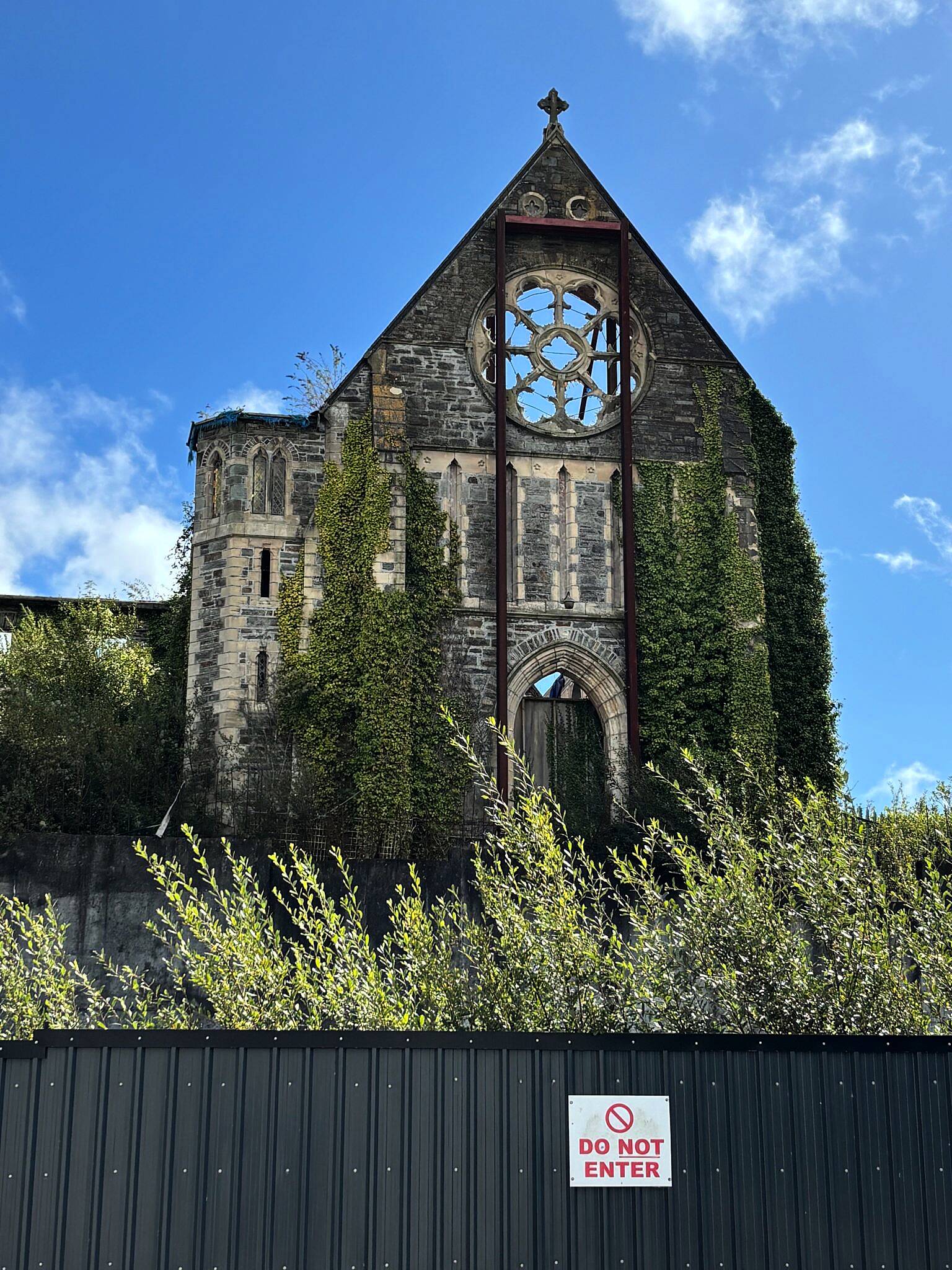
AN award-winning Cork architect has created a vision for Skibbereen’s derelict Convent of Mercy which could see it turned into Ireland’s first national linen museum.
Maryam Ewis from Midleton was so fascinated by the disused site on North Street that she wanted to bring it back to life with her final-year project at Munster Technology University (MTU).
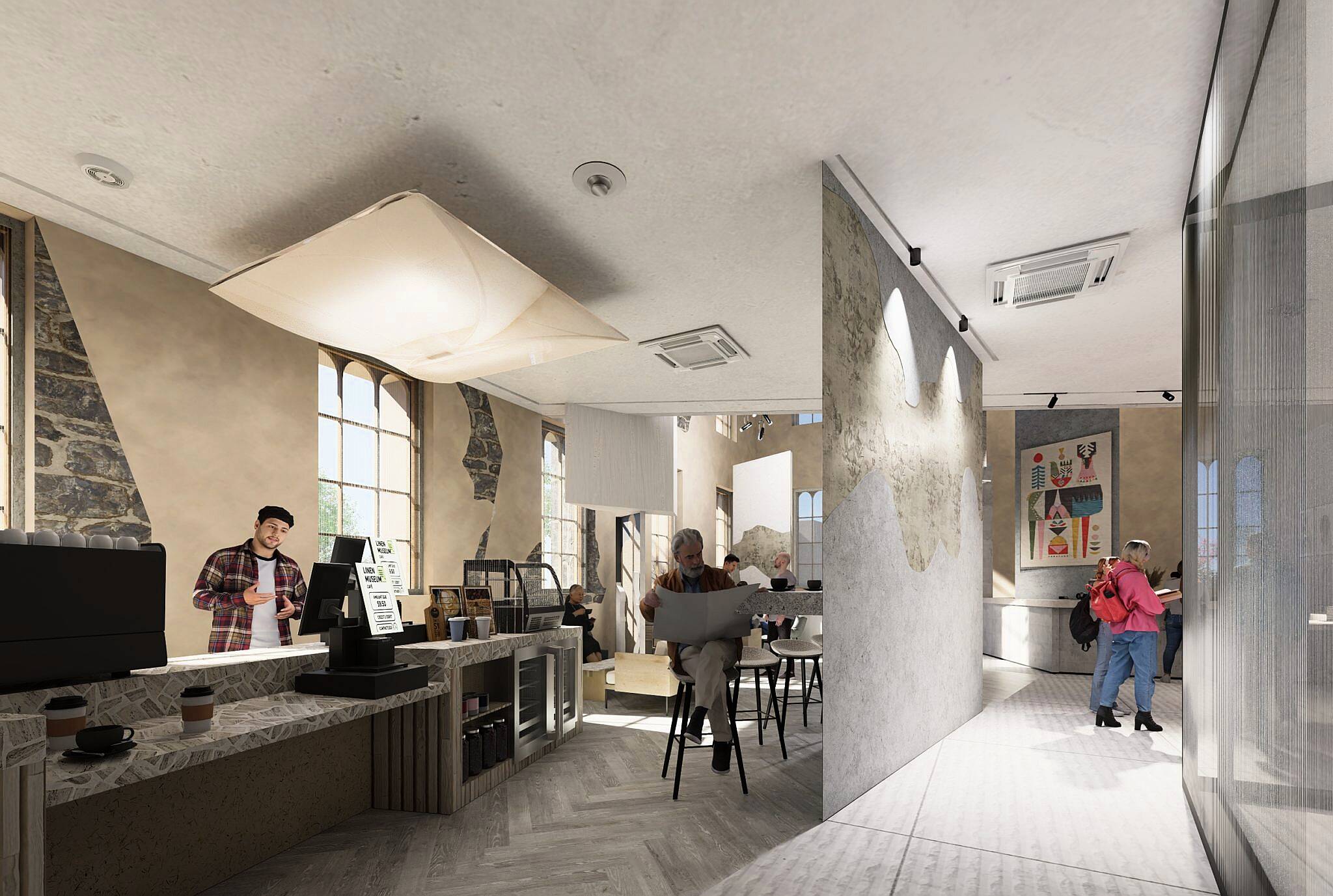
The 22-year-old’s imaginative plan sees the fire-damaged convent and chapel building transformed into a museum dedicated to linen craft, called The Repository of Linen.
The museum would bring local heritage, design and community activity under one roof.
‘It’s such an elegant building and its location is fantastic, ‘Maryam told The Southern Star. ‘The Convent of Mercy is such an important part of Skibbereen’s cultural identity and when I started the project, I couldn’t believe that it was left in such a state of ruin.
‘I did a lot of my research in Skibbereen Library and in the Heritage Centre. The new museum would be a cultural hub that celebrates the tradition of linen making.’
The young architect’s imaginative plan for the convent site would see the formerly cloistered property opened to the public with a series of light-filled galleries, a café and green spaces.
The plan imagines a living museum, with exhibition spaces, crafts stories and hands-on textile work under one roof in recognition of the Convent’s own linen legacy.
The landmark building dates back to 1860, when the first Sisters of Mercy arrived from Kinsale to take up residence there. A chapel was added later by architects EW Pugin and GC Ashlin, giving the hilltop complex its distinctive profile above the town.
By 1889 the sisters had introduced hand-loom linen weaving for local girls, with more than 20 looms soon producing cloth that won prizes abroad, even featuring at the World’s Fair in Chicago.
Maryam, who now works as an architect in Cork specialising in renovation projects, paid tribute to this history and has already gained national recognition for her work.
The linen museum was recently highlighted within the IDI Graduate Awards as a best-practice example of how graduate design can address dereliction, community memory and sustainable reuse. Maryam won IDI awards for her Convent transformation project in both the Architectural Design and Interior Architecture categories.
IDI jury comments praised the project’s sensitive handling of a contested site, noting: ‘Drawing on the philosophy of Wabi-Sabi, the design interlaces new spatial forms with the original architecture to foster continuity between past and present.
‘Targeting both cultural regeneration and community empowerment, the building is reprogrammed to include a textile workshop, historical and contemporary exhibitions, a café, and gathering spaces.’
IDI judges said the result was ‘a thoughtful negotiation between conservation and contemporary use, a new cultural thread in Skibbereen’s architectural fabric.’
Maryam’s project is closely aligned with the 2024 Urban Regeneration Reference Document for Skibbereen, which identifies the site as a ‘strategic opportunity for urban regeneration’.
The Southern Star reported last September how community groups were calling for development at the site of the derelict former convent.
In 2017 the land, which is currently fenced off and overgrown, was earmarked for offices and apartments, but the development, costed at €15million at the time, stalled and there has been no progress since.