
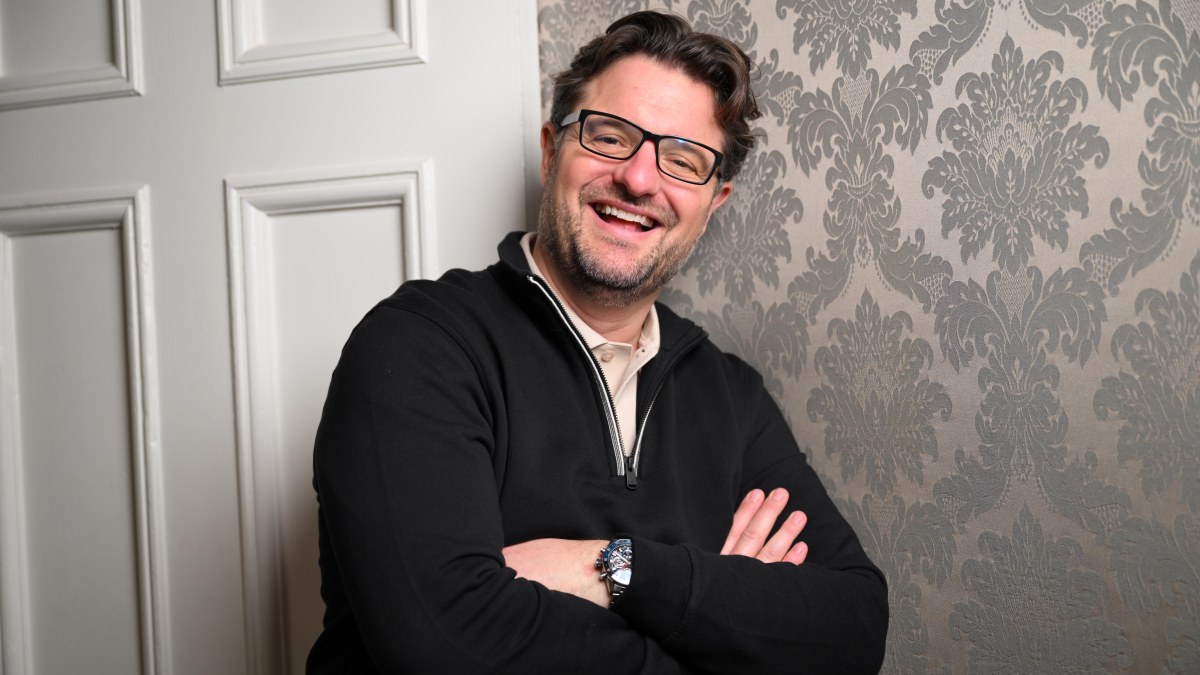
Getting to the point of being able to stop working before normal retirement age will seem like a pipe dream for many of us. But it’s a dream that’s within most people’s reach, according to Eoin McGee, the broadcaster and author who has parlayed a financial advice business into an enduring presence on Irish media.
It’s also the focus of his third book, How to Achieve Financial Freedom: Create Enough Wealth to Stop Working. Published in 2020, his first book, How to Be Good with Money, is, he says, the bestselling finance book by an Irish author to date.
Financial freedom or independence may mean different things to different people but McGee believes it all boils down to one thing: “Life is about experiences and not about things. Your happiness will not be found at the bottom of a wallet. It’ll bring you some comfort but you’re not going to find happiness. We get a lot of lotto winners into the office. One of the things I always say to them is that the things that made you happy before you won the lotto are the things that’ll make you happy after you won. You just have more time to do them.”
One of the pillars of the book and, in McGee’s view, of achieving financial freedom is understanding what’s important to you, what you want out of life and what will make you happy, whether that’s travelling, owning a holiday home, taking on a lower-paid and less stressful or more rewarding role, or having more time with family and friends or to simply do the things you enjoy.
It’s worth bearing in mind that retirement is not necessarily the end goal for those who become financially independent. “More and more people are getting to the stage where it’s not about reaching retirement, it’s about reaching financial independence or financial freedom, where they have the choice to do whatever they want as opposed to stopping everything they’re doing and just sitting reading the paper. It’s more about, ‘If I could do anything I wanted, what would I do?’ That ability to get yourself into a financial position where you can do anything you want can be exciting for people.
• Read more money advice and tips on investing from our experts
“If you had a burning desire to work with a charity you can go off and do that. I have someone who wants to be a librarian. Someone else I know in their late fifties is going through the process of becoming a post person. I’d love to work in a toll booth — it’s the idea of taking the money, the person going through and that task is finished.”
A good chunk of the book is dedicated to 30 big money mistakes to avoid if financial freedom is the goal. These range from comparing yourself to others, not educating yourself — or indeed having just a little bit of knowledge — and paying too much tax to not having a financial plan, not saving and thinking the route to financial freedom is to work harder.

McGee: “Life is about experiences and not about things”
BRYAN MEADE FOR THE SUNDAY TIMES
Other mistakes include taking on debt to pay for things like holidays and cars — McGee has a real concern with the buy now, pay later model and is no fan of personal contract purchase either. “If you can’t afford it today, I’m sorry, but you can’t afford it,” he writes.
Failing to make surplus income — over and above a buffer and money allocated to short, medium and long-term goals — and working as hard as possible is another no-no for McGee. After a period of high inflation, the squeezed middle should pay particular attention. “You no longer have the luxury of just sticking money into the credit union or your bank account. You need to step up and do things differently to get a better result than what you might have got away with in the past. One of the biggest mistakes people are making is where they’ve got money and they’re not using it in a way that they should be.”
Not understanding investing or being risk averse are excuses rather than reasons to do nothing, he contends. “There is a responsibility on you to go and get yourself in a position where you’re comfortable doing these things. I don’t want to come across as, ‘Oh yeah, you need to get rid of the avocado.’ The message I’m trying to get across is, if you’re in the squeezed middle and you’re handling your finances in the same way as you were five years ago, you’re more than going backwards.”
McGee doesn’t go into too much detail on how to invest in this book, having covered it in the first two, but he does reveal a series of suggested mistakes that include not investing at all, overreacting to market ups and downs, and failing to diversify.
• ‘I’m a Fire saver and rising prices won’t stop me retiring by 40’
The majority of the book is a kind of blueprint for planning a financial future and goes through the steps, in broad brushstrokes, McGee says he would typically take with a client.
It offers a roadmap for people who will never engage with a financial planner, he says. “A lot of people out there want to do this by themselves. I don’t believe they should but I wanted to put them in the best place they possibly could be if they’re not going to engage with somebody else. I want them to be able to pick up this book and say, that’s how I can do it myself.”
The steps include establishing your financial situation, working out net worth — there’s a handy explainer on how to track down financial documents, including insurance policies, accounts and pensions, and how to analyse spending — plus cashflow. Defining goals and mapping out how to reach them is another important step.
There’s a guide to creating a buffer, or emergency fund, along with savings for short-term goals — all ideally in separate envelopes, pocket spaces or wallets and individually named — and medium-term goals.
It will come as no surprise to find that putting money into a pension, and to start doing so as early as possible, is one of McGee’s top tips. He says that while people can get hung up on what pensions are, they are just savings plans with brilliant tax incentives. “If you’re 25 today and put €500 a month into your pension, it’ll cost you €300 if you’re on the higher rate of tax and you’ll have €1 million in your pension when you retire. The first job you get is the best opportunity you have to say, from the start I’m doing this. You have compound interest and a whole lot of other things on your side. Leave it until you’re 35 and you’ll have to put in just shy of €1,000 a month [to get the same €1 million pot].”
McGee believes reaching financial freedom is much more dependent on what you spend than what you earn or what you save. “If your spending is very low you can get there much quicker but we all have our little luxuries in life that we enjoy.”
Ultimately, he says, he hopes the book will stir something up for some people. “Hopefully they’ll say, you know what? When you flush everything out, it’s not actually about money, life is much more about the time we have and how we spend it and, more important again, who we spend it with. I know it’s very cliché but we can all create more money; we can’t create more time.”
How to Achieve Financial Freedom by Eoin McGee is out now (Eriu €16.99). To order a copy go to timesbookshop.co.uk