
Quote of the day turns attention away from regret and towards gratitude, urging readers to pause amid the rush of daily life and reassess where their focus lies. In a time shaped by uncertainty, comparison and relentless self-scrutiny, the idea serves as a gentle but firm nudge to look at what one possesses rather than what one has lost. The reflection does not deny hardship or suffering. Instead, it places present reality at the centre, the tangible good that exists alongside struggle. The Quote of the day today resonates across generations precisely because it speaks to a universal human tendency: the habit of dwelling on past misfortunes while overlooking everyday blessings.
Without offering consolation in grand terms, the thought quietly reframes perspective. It suggests that contentment is often less about changing circumstances and more about changing where attention rests.
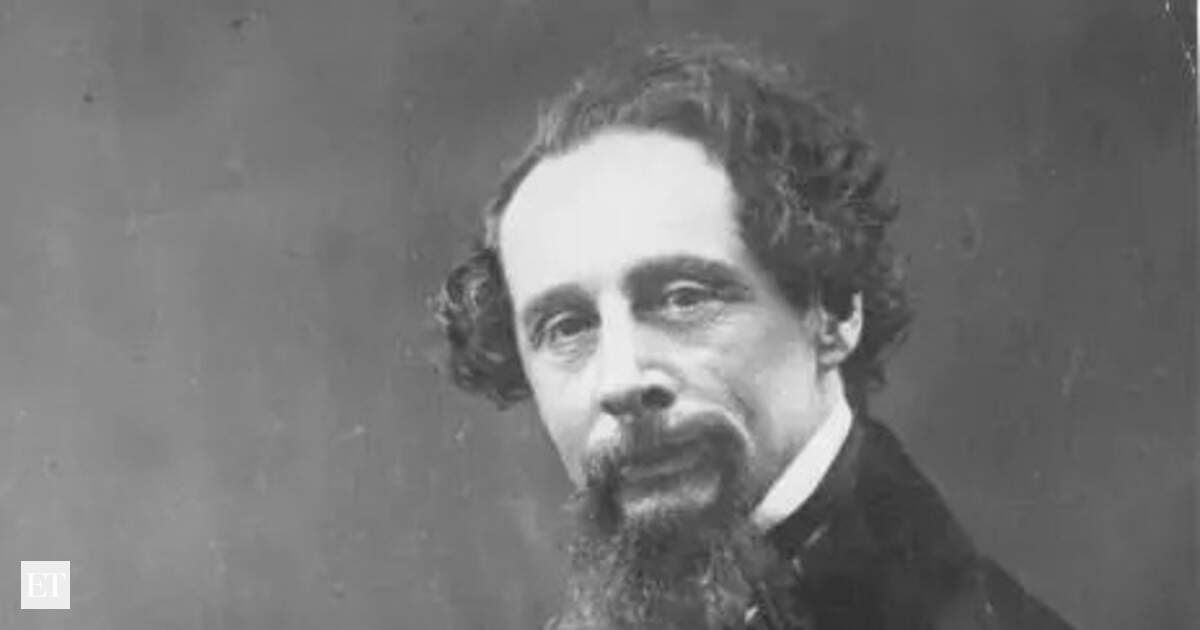
Quote of the day todayQuote of the day by Charles Dickens: ‘Reflect upon your present blessings of which every man has many – not on your past misfortunes, of which all men have some.’Quote of the day meaningThe Quote of the day meaning lies in its emphasis on balance and awareness. It acknowledges that adversity is part of the human condition, shared by all rather than borne by a few. At the same time, it asserts that blessings, though sometimes subtle, are equally widespread. Live Events
The thought encourages reflection on the present moment, relationships, opportunities, health, work and small, often overlooked comforts. By redirecting focus away from what has gone wrong in the past, it proposes a mental shift that can influence emotional resilience and outlook.
In modern contexts, this message feels particularly relevant. Social media, economic pressures and fast-paced lifestyles often magnify a sense of lack. Against this backdrop, the Quote of the day acts as a reminder that gratitude is not a denial of pain but a recognition of what continues to sustain life. Quote of the day by Charles DickensThe Quote of the day by Charles Dickens gains depth when read against the life of the author himself, a man whose early years were marked by hardship and whose later success never erased his sensitivity to suffering.
Charles Dickens was born on February 7, 1812, in Portsmouth, England, and rose to become one of the defining literary figures of the Victorian era. His novels, including A Christmas Carol, David Copperfield, Great Expectations, Bleak House and A Tale of Two Cities, remain staples of English literature, celebrated for their vivid characters, social critique and emotional force.
Despite his fame, Dickens’ understanding of gratitude was forged in adversity. As a child, he experienced financial instability when his father was imprisoned for debt. Dickens was pulled out of school and sent to work in a factory, an episode that left a lasting psychological imprint. The pain, humiliation and insecurity of those years resurfaced repeatedly in his fiction, often through images of lost or oppressed children.
It is within this context that the Quote of the day by Charles Dickens finds its true weight. When Dickens advised reflection on present blessings rather than past misfortunes, he was not speaking from a position of untouched comfort. He was articulating a hard-earned philosophy shaped by lived experience.
The words encapsulate Dickens’ broader moral vision. Throughout his work, he returned to the idea that compassion, generosity and human connection could coexist with suffering, and often provided the only meaningful response to it. Characters such as Ebenezer Scrooge, transformed by gratitude and empathy, embody this belief.
Dickens also understood the social dimension of the quote. Writing in an age of industrial upheaval, stark inequality and institutional cruelty, he consistently argued that society should not become numbed to suffering, yet he also believed in the power of hope and reform. Gratitude, in his worldview, was not passive acceptance but a foundation for humane action.
His popularity during his lifetime was unmatched. Dickens reached readers across class lines, aided by serialised publication and the rapid spread of print culture. He was not only a novelist but a public figure, journalist, editor and performer, using his voice to comment on law, poverty, education and social reform.
Even as his later novels grew darker in tone, reflecting growing disillusionment with institutions, the moral core of his writing remained intact. The Quote of the day reflects that enduring core, an insistence on recognising what remains good, even when circumstances are flawed.
Today, more than a century after his death in 1870, Dickens’ words continue to circulate precisely because they resist easy optimism. They do not promise that misfortune will disappear. Instead, they offer a way of living with it, by grounding oneself in the present and acknowledging what sustains life.