
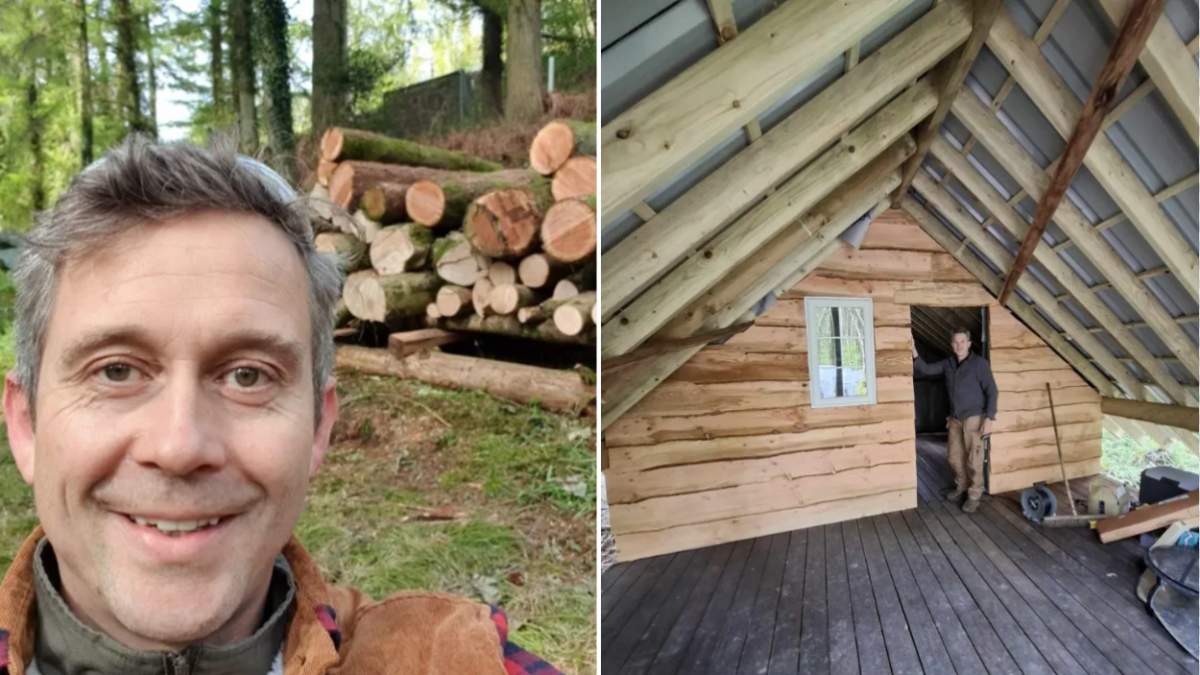
Barry Martin said he realised the “unbelievable tax privileges” of buying woodland as part of a SIPP
Barry Martin, 49, originally wanted to buy some woodland to give his two children, now aged 12 and nine, so they had somewhere they could explore away from screens and modern technology.
He explains: “I was born in the ‘70s and grew up in the ‘80s – playing in streams in the woods, going to Scouts – children don’t do that anymore.”
When a client said they’d bought some woodland as an investment, Barry, the Managing Director of JBM Wealth Management, realised that there were significant financial benefits too.
New FeatureIn ShortQuick Stories. Same trusted journalism.
“I realised I could buy it with a pension and get tax relief. Currently, there is no inheritance tax, capital gains tax or income tax on the income that a woodland generates, so you get a 40 per cent discount if you buy it as a pension,” he says.
“I liked the idea of it [being a natural space for his family] at first, and then I realised it was a good financial decision too. I set up a SIPP [Self-Invested Personal Pension] and transferred the money into it to buy the land. There are unbelievable tax privileges.”
In 2015, Barry paid £25,000 for three acres of woodland at Holnest Wood, near Honiton, in East Devon, about 18 miles or a 30-minute drive from his home. He bought the plot via Woodlands.co.uk after visiting around ten different woods in the local area.
His SIPP ‘owns’ the land and Barry is a tenant, paying £150 to ‘rent’ the three acres every year. This rate is based on a commercial valuation, which takes place at purchase; however, he is unable to run a commercial operation without approval.
Other initial costs include legal fees, a survey, similar to when you buy a property, and £200 to set up the lease arrangement. On top of the £150 annual rent, Barry’s ongoing annual costs include £100 for indemnity/public liability insurance, £500 for the running of the SIPP and £100 for the lease fee.
The three acres consist mainly of 125ft Douglas Firs, plus some Ash and Beech trees. The family has already made the most of the land, building a shelter and using the wood, both at the woodland, and at home, as firewood for a log burner, for a new kitchen and as decking.
He added: “We have a felling licence, but you can fell a couple of trees every quarter [without one]. It’s very good quality timber; you can’t buy that now.”
They also use the space for bushcraft, camping and have a rope swing. “I go there with family and friends and we camp. Generally, it’s about being outside and away from modern life. I wanted to expose the children to risk and teach them how to deal with it in a safe environment.”
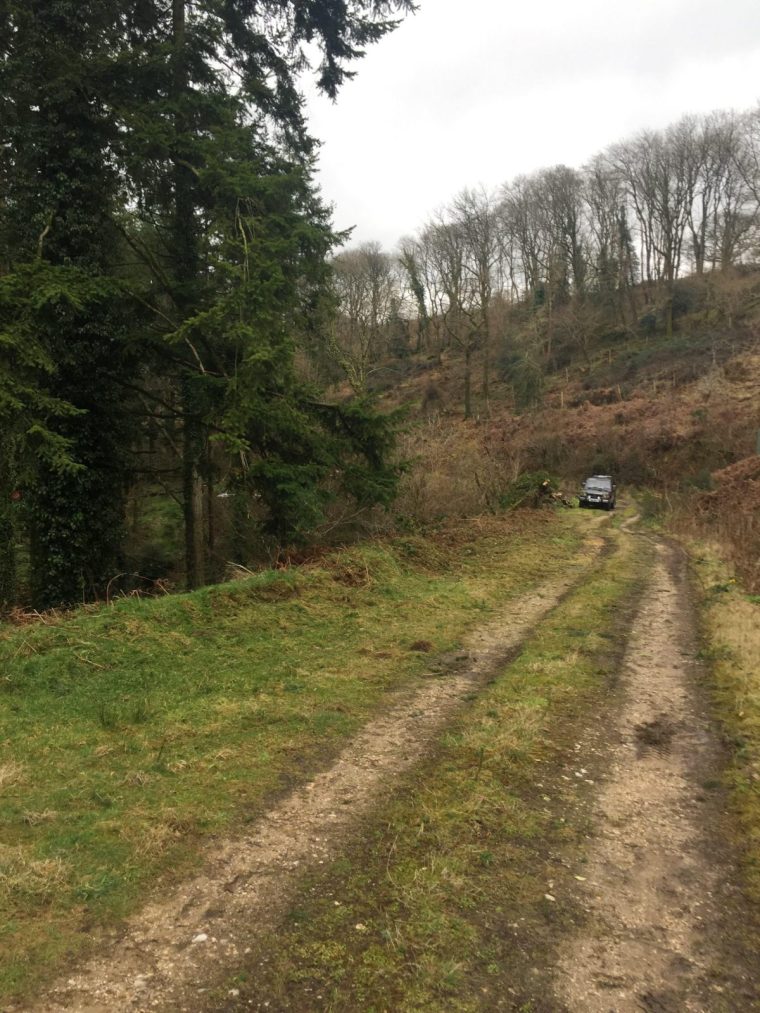 Barry Martin wanted to buy the patch of woodland to provide a place for his children to play
Barry estimates he visits the woodland about once a month as a minimum, stating: “It’s harder in winter as it’s on a slope and can get very boggy, but I go there and grab some firewood. In the summer, it’s great, you can light a fire there and toast marshmallows with the kids after school.”
The woodland is accessed via a hard track, which also serves three other plots, and there is turning access at the end.
“We leave an old 4×4 there and quad bikes to get around with and haul timber. It’s in the middle of nowhere; I would love it if it were attached to my house, but it would be a lot more money. It’s like buying a massive garden.”
He estimates that the plot has nearly doubled in value in the last 10 years. Barry claims: “Just the land would be £12,000 to £15,000 per acre and we’ve added value with what we’ve done and built.
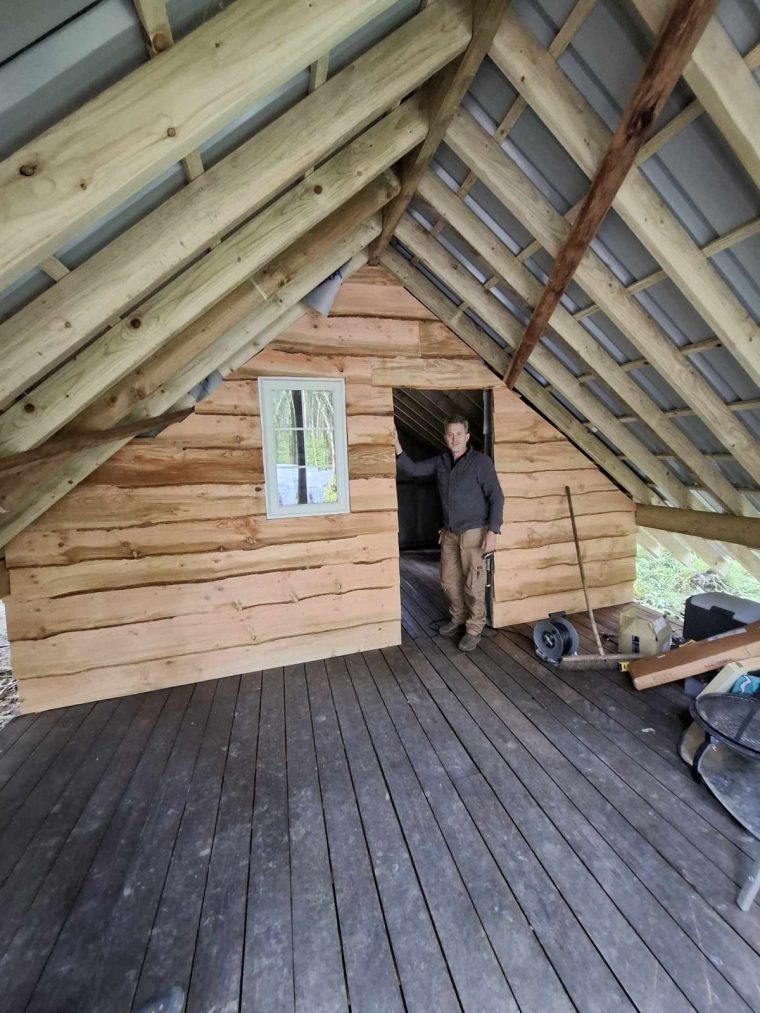 Barry Martin believes he has added thousands of pounds of value to the area
“I bought below market value at the time due to a number of trees coming down in a recent storm, that needed to be cleared to make the land usable. I paid £25,000 and the land is now fully usable with good access to all areas.
“I would expect it to sell now for £35,000 to £45,000, depending on the market.”
The land is private in a remote area, off the beaten track and you need to go through two gates to get in. There are a few bridle paths around the area, so the odd person wanders through, but it is not busy.
Barry would definitely recommend the venture to others, saying: “Even if it were worth nothing, I’d still recommend it for the experiences it’s given us. When I did it 10 years ago, a lot of people said: ‘Why are you doing this?’ Now they can see the benefits. COVID has played a big part – we could all socially distance in a woodland.”
That said, there are things potential investors should be aware of. These woodland plots are sold “for quiet enjoyment” – so you can’t run a commercial operation, for example, by turning it into a motocross track.
Also, in terms of retiring on the income, this is pretty much impossible as it’s such a tiny amount – £150 a year in Barry’s case – so it’s for equity growth rather than income.
“You need other assets and wealth for retirement, and this should be a smaller percentage of your pot. It’s less than 10 per cent of my total pot, and I also have a business and property. If you’ve got no other money in your pension, it’s not a good thing to do,” he warns.
“It’s also not liquid and you need to allow a year to sell it off and liquidate the assets, compared to stocks and shares, which can be liquidated within two weeks if necessary.”
These types of investments are specialist and it’s important that you get the right advice from someone who can look at your own individual circumstances and whether investing in woodland is suitable. But Barry has no regrets. “In the future, when the kids are older, I might sell it and buy a bigger plot,” he concludes.