

A former Hindi film star, she once said, “The reason for me leaving India was spirituality. Bollywood gave me a name and fame, but my penance had already begun,” reflecting on a turning point that reshaped her life. Long before she stepped away from cinema, she claimed to have embraced celibacy, meditation and renunciation. The actress insisted her spiritual calling outweighed the pull of stardom.
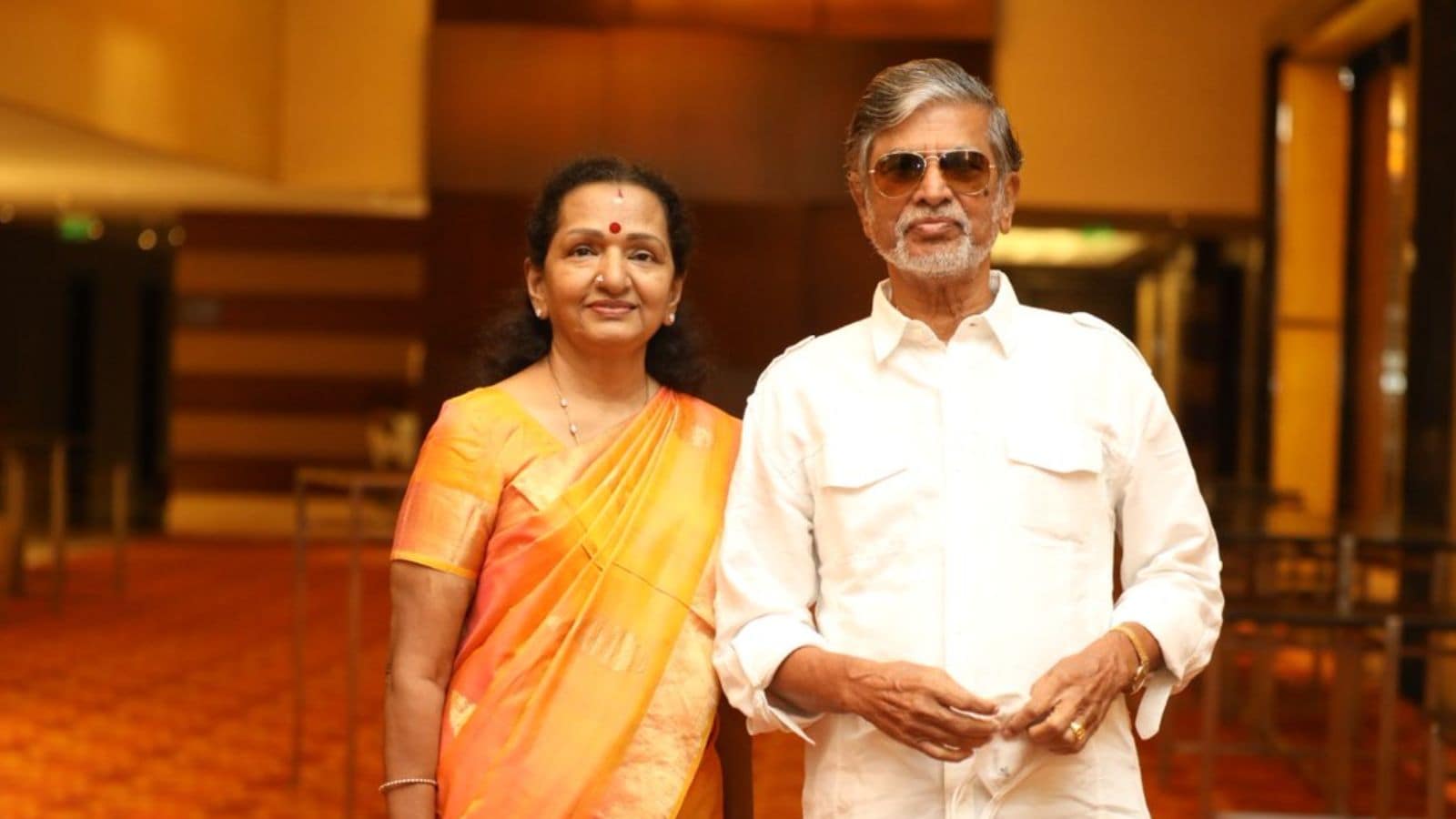
This actress’ journey began far from the gaze of Bollywood headlines. Her screen debut came in 1991 with a Tamil film directed by Shoba Chandrasekhar, where she was paired opposite Neeraj. The film later found a second life in Hindi, becoming the breakthrough project that introduced her to a national audience and set the stage for a successful career ahead.

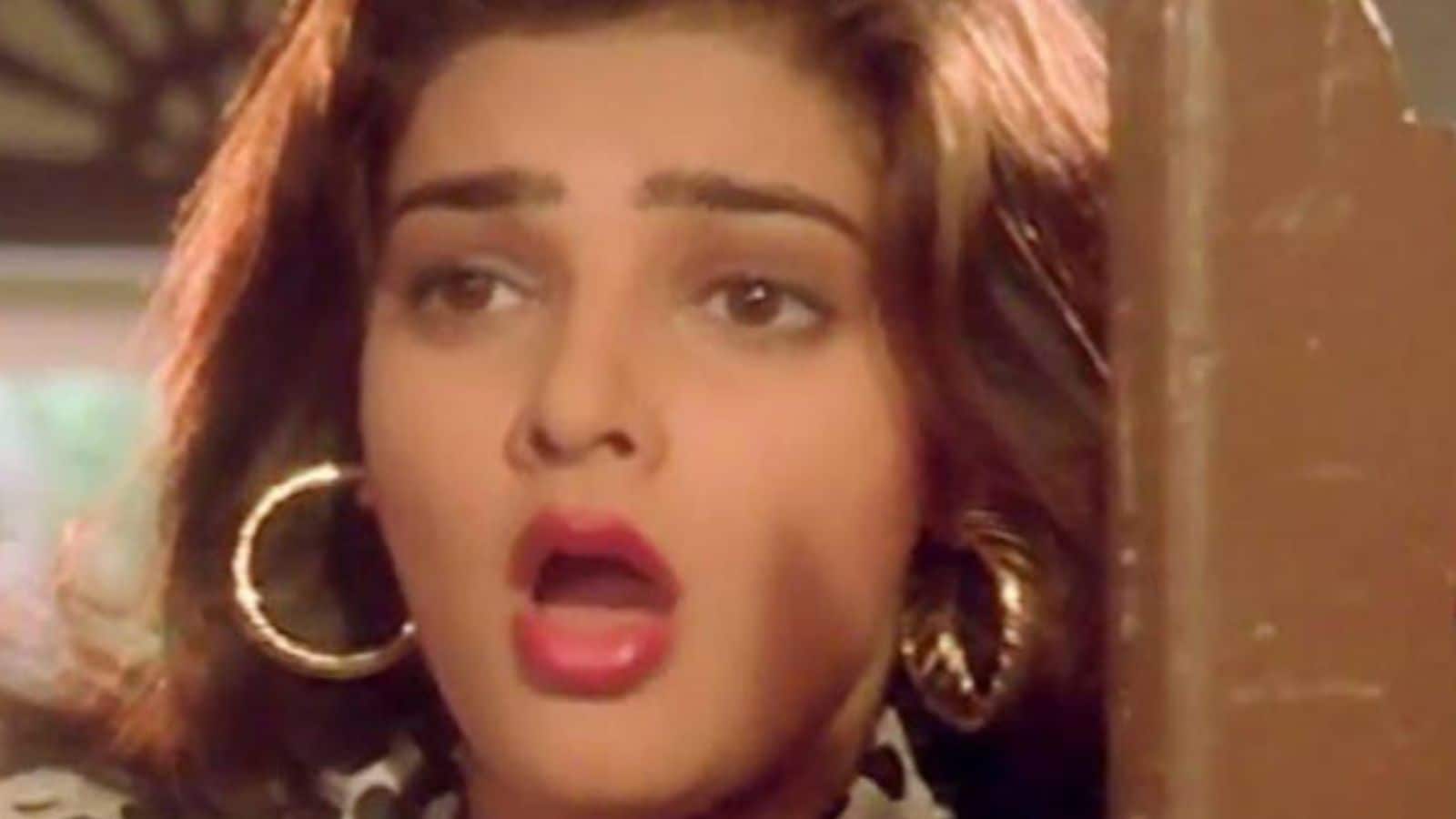
We are talking about none other than Mamta Kulkarni who defined a large part of 1990s Hindi cinema. When the Tamil film Nanbargal was remade as Mera Dil Tere Liye, it marked her formal entry into Bollywood. From there, Mamta quickly became a familiar face, known for her bold screen presence and commercial appeal.

Mamta rose to prominence with a string of successful films through the mid-1990s. She featured in popular titles such as Waqt Hamara Hai (1993), Krantiveer (1994), Karan Arjun (1995) and Sabse Bada Khiladi (1995), cementing her status as one of the era’s most sought-after actresses. It was long before Mamta embraced a spiritual life.
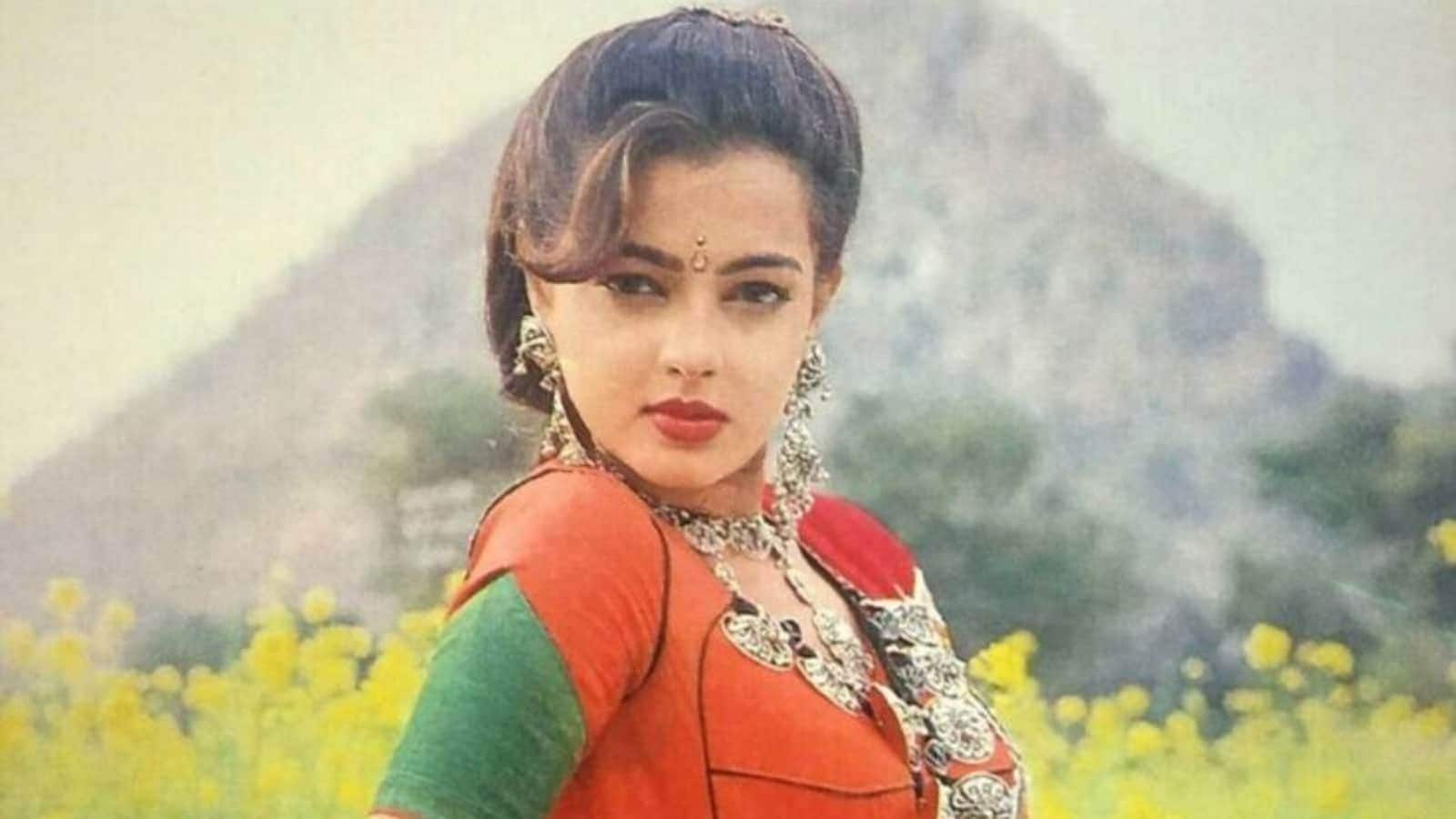
Her talent was formally recognised when she won the Filmfare Award for Lux New Face of the Year in 1994 for her debut performance in Aashiq Awara (1993). The accolade placed her among Bollywood’s top emerging stars and she went on to appear in films like Andolan, Baazi, China Gate and Chhupa Rustam: A Musical Thriller.
Despite professional success, Mamta Kulkarni gradually distanced herself from films. By the early 2000s, she reduced her appearances and eventually quit acting in 2003. Her final on-screen role came in the Bengali film Shesh Bongsodhar, directed by Abhijit Sen, alongside Victor Banerjee, Ronit Roy and Rituparna Sengupta.

Away from cinema, Mamta’s personal life took a sharp spiritual turn. She revealed that her inclination toward spirituality began in 1996 after meeting Guru Gagan Giri Maharaj. According to her, the following years were marked by intense penance, long periods of solitude and a conscious withdrawal from the glamour she once inhabited.

From 2000 to 2012, Mamta said she lived a life of strict discipline, spending several years in Dubai. She claimed to have lived alone in a modest two-bedroom flat, observing celibacy for twelve years. During this time, she stayed away from films while remaining a frequent subject of controversy and speculation.
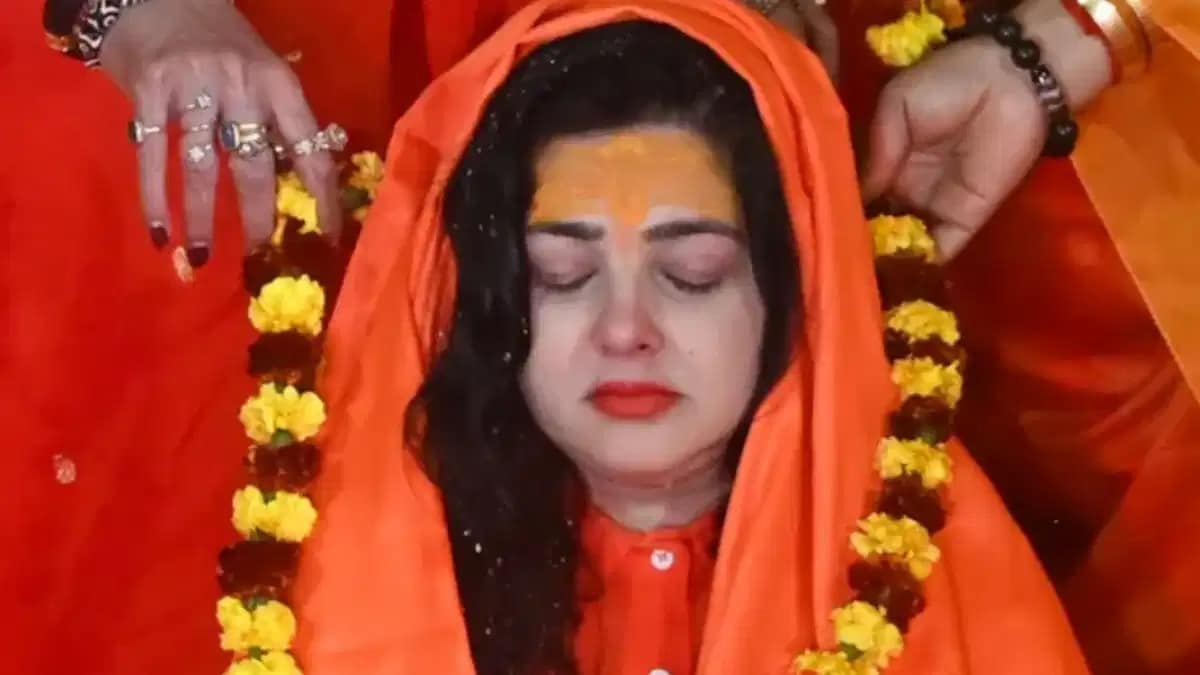
After more than two decades away from public life, Mamta resurfaced in 2025 at the Prayagraj Mahakumbh when she announced her decision to take sanyas. She was initiated into spiritual life and appointed Mahamandaleshwar of the Kinnar Akhada, adopting the name Shri Yamai Mamta Nand Giri after performing traditional rituals.
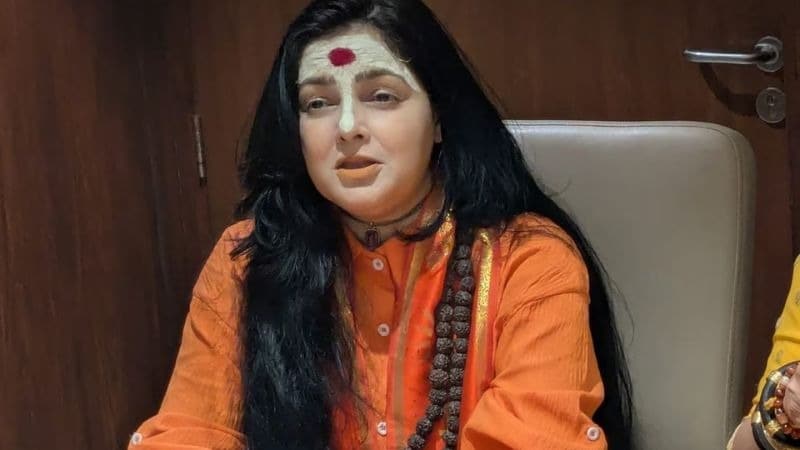
In January 2025, she was expelled from the Kinnar Akhada amid allegations linking her to the underworld which she denied. Later, Mamta announced she would resign as Mahamandaleshwar effective January 27, 2026, stating the decision was voluntary and part of her evolving spiritual journey instead of the result of any disagreement within the Akhada.