
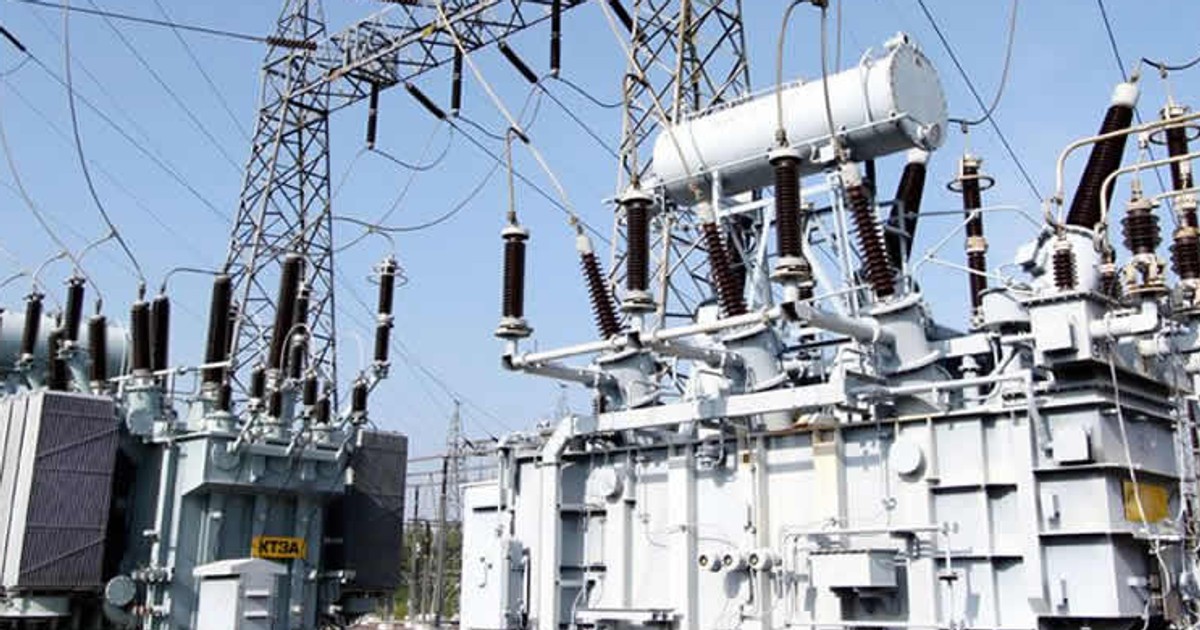
The funds are primarily earmarked to repay outstanding debts owed to power companies, as well as to develop critical infrastructure upgrades, including transmission and distribution network improvements.
Olu Verheijen, President Bola Tinubu’s special adviser on energy, disclosed during an interview that the first tranche of debt, approximately 501 billion naira, was issued earlier this month at a 17% yield and was completely subscribed.
She noted that, depending on the state of the market, the balance will be released either every quarter or every six months, as seen on Bloomberg.
“The program represents a decisive reset of the electricity market,” Verheijen stated.
The special adviser also revealed that parts of the fund will assist electrical distribution companies in improving revenue collection by closing the metering gap.
Nigeria’s current transmission network can only handle 25% of the nation’s projected 13,000 megawatts of available generating capacity, and only roughly half of grid-connected users are metered.
Per an email statement, the Nigerian government expects that the debt settlement will stabilize the power supply for roughly 12 million registered customers and free up 4,484 megawatts of generating capacity.
“We have commenced a transition to a market-reflective tariff,” Verheijen said.
“What we are going to do is clear a pathway to a consumption-based tariff framework so that what you pay for is what you consume,” she added.
Nigeria’s electricity crisis

With frequent grid breakdowns, inadequate generation, and persistent outages impeding daily living and economic activity, Nigeria’s power industry is still operating at a subpar level.
Numerous collapses of the national grid have undermined investor confidence and left homes, businesses, and vital services without consistent power.
The major causes of instability, according to experts, are limited generation capacity, deteriorating infrastructure, inadequate maintenance, and a lack of coordination between distributors and generators.
Nigerians are forced to rely on expensive gasoline and diesel generators due to frequent outages, which raises business expenses and causes hardship for the general populace.
The grid’s instability endures despite changes and sporadic improvements, underscoring the critical need for funding and fundamental change.