
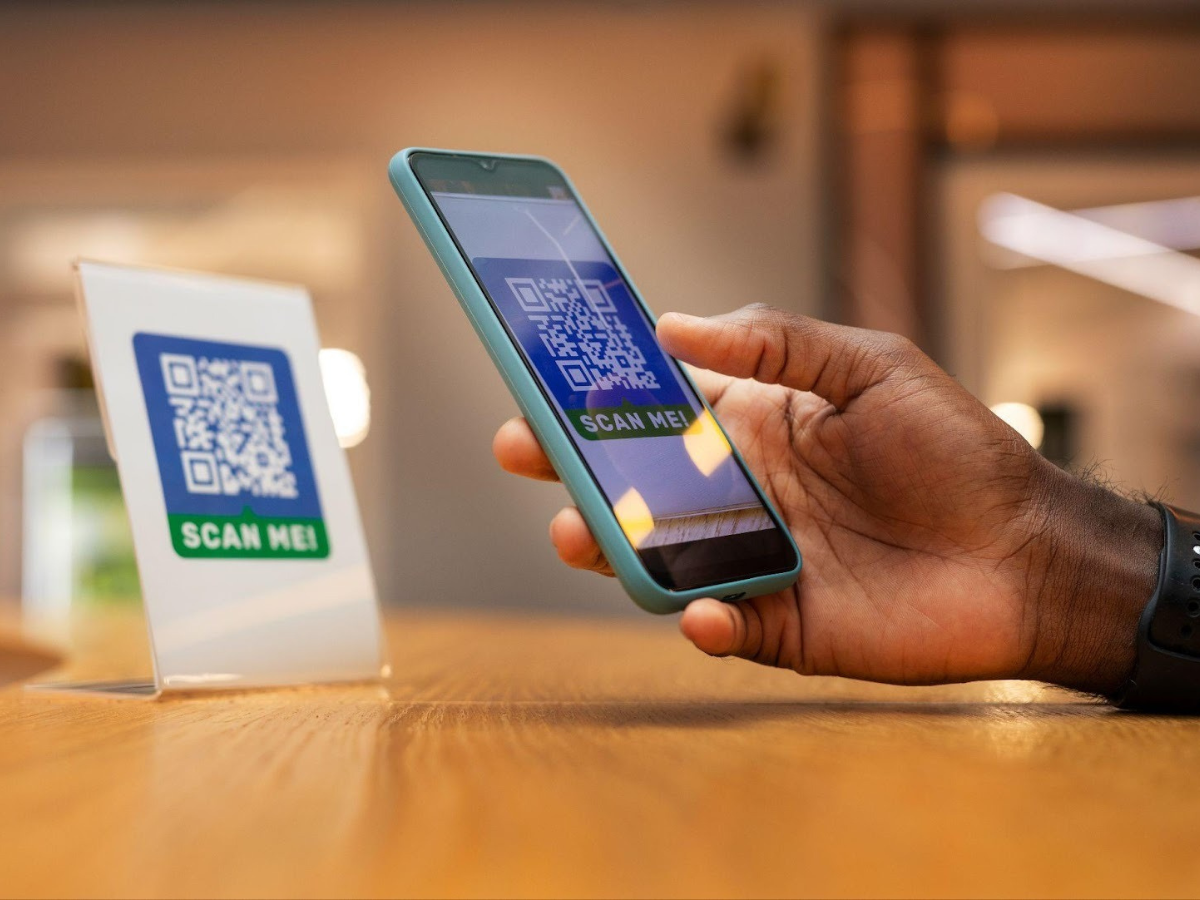
The way we handle money has undergone a quiet but profound transformation over the last few years. Not long ago, leaving the house without a bulging wallet full of coins and small notes was unthinkable. Today, the smartphone has become the primary tool for commerce, even for the smallest purchases like a single piece of fruit or a quick cup of tea.
This shift is largely driven by the rise of the instant UPI app, which has simplified the process of moving money from one person to another. What used to be a formal process involving bank visits or physical cash exchanges is now a matter of seconds. This convenience has fundamentally altered how we perceive the value of small change and how we interact with local vendors.
As digital payments become the default, our daily habits are evolving in ways that impact both our personal finances and the broader economy. Understanding this change requires a look at the psychological, social, and practical shifts that occur when cash is no longer the primary medium for micro-transactions.
The end of the exact change struggle
The biggest hurdle in small-value transactions used to be the search for exact change. We have all experienced the frustration of a shopkeeper offering a piece of candy instead of a one-rupee coin. This was not just a minor annoyance, but a constant friction point in daily life. The introduction of UPI has effectively eliminated this problem by allowing for precision in every transaction.
When you use an instant UPI app, you can pay the exact amount down to the last decimal. There is no longer a need to round up or down, and the awkwardness of asking for change is gone. This precision has made transactions more honest and efficient. It ensures that neither the buyer nor the seller loses out on those small amounts that eventually add up over time.
Furthermore, the elimination of physical change has streamlined the checkout process. In a busy market, the time spent fumbling through a purse or waiting for a vendor to count out coins can lead to long queues. Digital payments remove this bottleneck, making the entire shopping experience smoother for everyone involved.
Speed as a catalyst for behavioural change
The primary reason why people have adopted digital payments for small amounts is the sheer speed of the process. If a digital transaction took several minutes to process, most people would still prefer to use cash for a quick snack. However, the instant UPI app is designed for near-instantaneous settlement. This speed mimics the physical exchange of cash, but with added layers of digital security.
Because the process is so fast, it has become a subconscious habit for many. We no longer think twice about scanning a code for a very small amount. This lack of friction encourages more frequent, smaller transactions. Instead of buying a week’s worth of supplies at once to avoid multiple cash withdrawals, consumers are now comfortable making multiple tiny purchases throughout the day.
This ‘on-demand’ purchasing habit is a direct result of the reliability of the technology. When a user knows that their payment will go through in seconds, they gain the confidence to rely entirely on their digital wallet.
The psychological shift in spending awareness
There is a well-documented psychological phenomenon known as the ‘pain of paying’. Historically, handing over physical cash felt like a loss, which acted as a natural check on impulsive spending. When money becomes digital and invisible, that physical sensation of loss is diminished. Using an instant UPI app can sometimes make spending feel less consequential because no physical object is leaving your hand.
However, there is a flip side to this digital transition. While the act of paying is easier, the ability to track spending has improved significantly. Every time you use UPI, a digital footprint is created. Unlike cash, which seems to disappear from a wallet without a clear record, digital transactions are logged in real-time. This provides users with a detailed history of their spending habits.
For many, this has led to a new kind of financial literacy. By looking at their transaction history, people can see exactly how much they spend on small luxuries like coffee or street food. This visibility can actually lead to more disciplined spending in the long run. The ease of the transaction is balanced by the clarity of the record, creating a unique dynamic in modern personal finance.
Empowering the micro-economy and street vendors
One of the most significant impacts of the instant UPI app has been on the informal economy. Small-scale vendors, such as vegetable sellers and roadside kiosks, were previously limited by their ability to handle cash and provide change. Today, these micro-entrepreneurs are at the forefront of the digital revolution.
By adopting digital payments, these vendors have expanded their customer base. They can now serve people who do not carry cash, which is an increasing segment of the urban population. It also reduces the risk of theft or loss associated with carrying large amounts of physical money. For a small business, the ability to receive payments directly into a bank account simplifies their own accounting and savings processes.
This shift has also brought a sense of formalisation to the informal sector. When a street vendor accepts a digital payment, they are participating in a formal financial ecosystem. This can eventually help them build a credit history, making it easier for them to access loans and other financial services that were previously out of reach.
The future of daily commerce
As we look toward the future, the habits formed through the use of an instant UPI app will likely lead to even more innovation. We are already seeing the integration of these payment systems into wearable devices and voice-activated assistants. The goal is to make the payment process as invisible and seamless as possible.
The data generated by millions of small transactions will also play a role in shaping the economy. It provides insights into consumer behavior that were previously impossible to capture. This information can help businesses better understand their customers and help governments create more effective economic policies.
Ultimately, the change in small-value payment habits is about more than just convenience. It is about the democratisation of financial tools and the creation of a more inclusive economy. By making it easy for everyone to participate in digital commerce, we are building a system that is more efficient, transparent, and accessible for all.
Disclaimer – The above content is non-editorial, and TIL hereby disclaims any and all warranties, expressed or implied, relating to it, and does not guarantee, vouch for or necessarily endorse any of the content.