
Tralee, where I spent the first 25 years of my life, was often described to me by colleagues and friends as the ‘last-chance.’ It was a place where you learned to live and left, or abided the confines of a system that would leave you there for life.
Wild notions of leaving Tralee usually manifested, in others, a need to emigrate to the southern hemisphere. I too played with that idea for some time, but in my early 20s I realised I was searching for a more artistic way of life.
Luck seemed to come my way when I met my French partner on her Erasmus in 2024. I moved over to be with her in a small town in the south of France, about an hour from Marseilles, in March 2025.
I wanted to devote myself to writing. To allow the solitude of a new place, where I couldn’t speak the language, bring forward elements of my character that I could abandon for the sake of growth. It was all part of my journey to become the person I wanted to be. This stemmed from a feeling of unhappiness that came with living in Ireland.
Just 10 months into my life in France, I have seen a drastic change in how I approach living.
Being away from Ireland has allowed me to look back clearly and see my bad habits. It became evident that alcohol had been one of them. I drank too much, and too often. Despite the stereotypes, it didn’t help my writing at all, as I wanted to believe.
For me the mindset of Ireland allowed drinking regularly to become ingrained into my psyche.
Back home, it was normal to head to the pub three or four times a week. Looking for anything else to do would heavily depend on the unreliable weather. As with many Irish, I took up the habit in my mid-teens, well before the legal drinking age. It grew to become one of the solid foundations of my adult social life.
There was almost no such thing as socialising outside of the pub. The only way I fancied meeting my childhood friends was in the local bar. Hikes were my version of connecting with people. But while I could handle poor weather conditions, it didn’t seem that my old friends could.
But life in my new home has shown me that the drinking culture is not as ingrained in French people’s national identity. Sure, every shop here has a bottle of wine for sale (a damn sight better, it should be noted, than most of the wine in Ireland).
But here, wine is about culture. Some locals have said to me that wine is the essence of a grape’s lifetime. It is not about the drinking of the wine, or how many glasses you can handle. In France, wine and identity are intertwined in the history of the vineyards and the families they’re connected to. This is what they hold dear.
Back home you can claim that Guinness is associated with the Irish identity. But you don’t see many in France having six glasses of wine in one sitting in a public area. It’s quite the opposite.
The French don’t appear to look down on drinkers per se but pubs and bars are mainly found in major cities, or dotted across wealthy touristy areas.
Back in Ireland, small towns are almost obligated to have at least one pub. To be seen drinking in a pub back home is a normal sight.
Some small towns in France have buildings that look to be pubs, but have the appearance of an Irish bookies’ office. They are usually avoided by the general population. The mindset is that those who frequent these places are not the sort of people you would have around your kids. Being Irish looking in, I can see their point. These places are often filled with gamblers, troublemakers and straight up alcoholics. You can head here for a quiet pint, but it’s not as relaxing as back in Ireland.
All of this being said, the French people I know here do drink. They just have a different way of going about it. Their dinners are usually spent with family, or friends, any day of the week. Making new friends involves inviting them over to your house for an “aperitif,” which is just finger food and some light drinking. You would taste some wine of theirs, they’d try some of yours, you’d talk and get to know each other.
The biggest indication that you’ve made a new friend is the excitement they get when being invited back. They can be cold at times, so wouldn’t feel obligated to invite you back to their home if they didn’t like you. They’re much more in tune with being in a personal space with you, rather than a loud pub where you can barely hear yourself speak.
They like to party too, just differently to the Irish.
I see people dressing up in elegant attire for the theatre, or wearing fancy dress for a house party. They’re not afraid to let their hair down. Just not in front of people they don’t know.
These native practices have opened my eyes, and my heart, to new experiences. I much prefer the way they go about making new friends. Though I’d still take that quiet pint, just not in the quantities I was used to back home.
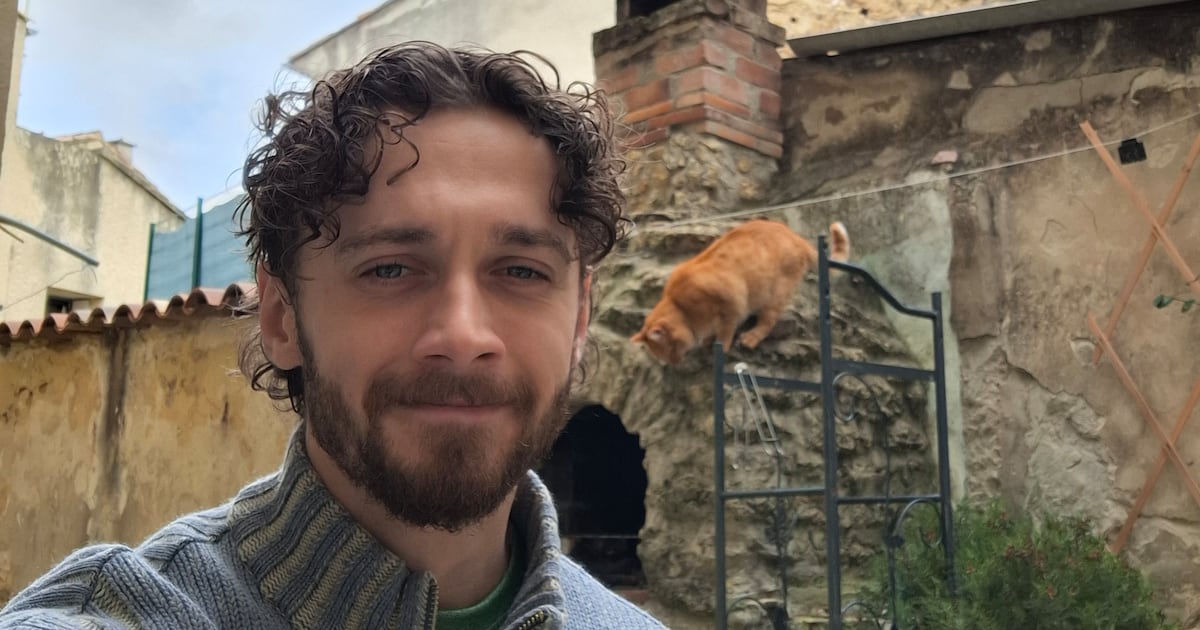
Odhrán Dowling is from Tralee, Co Kerry, and moved to a small town near Avignon, France, last year