
The HSE has issued urgent advice for Irish holidaymakers as health officials monitor a fast spreading infection across Europe.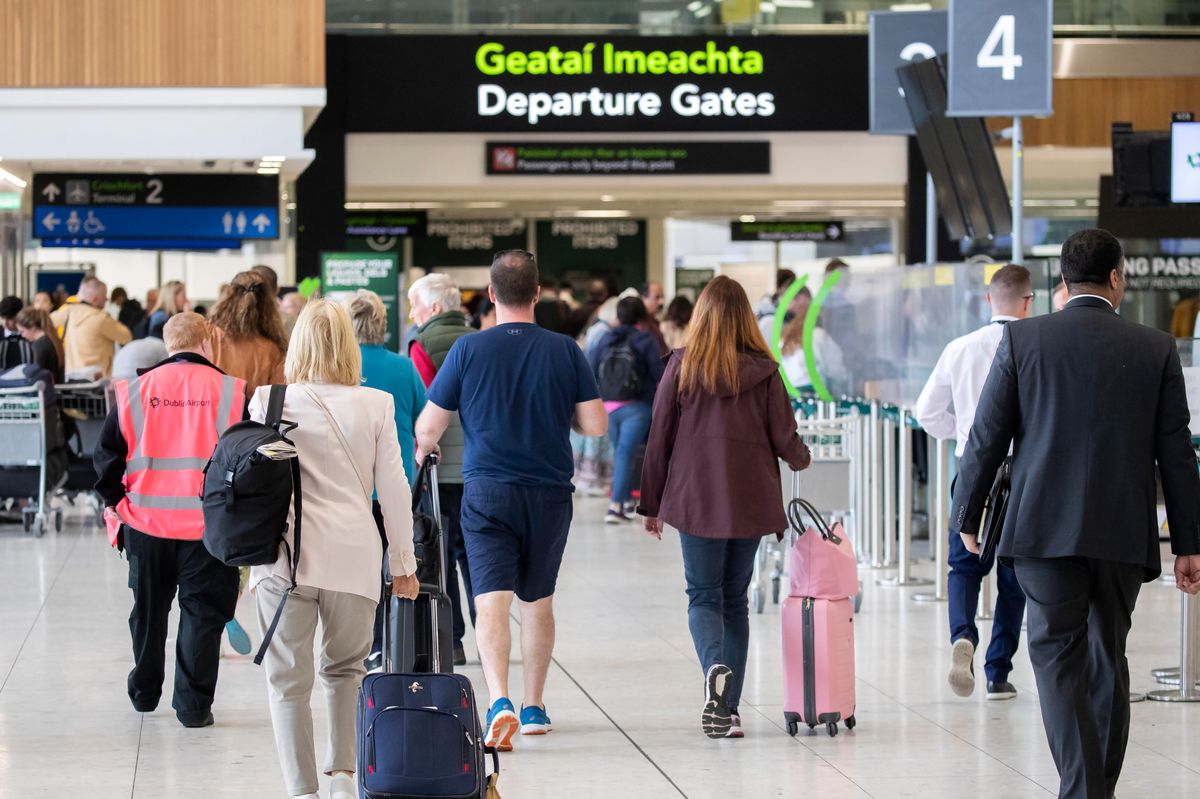
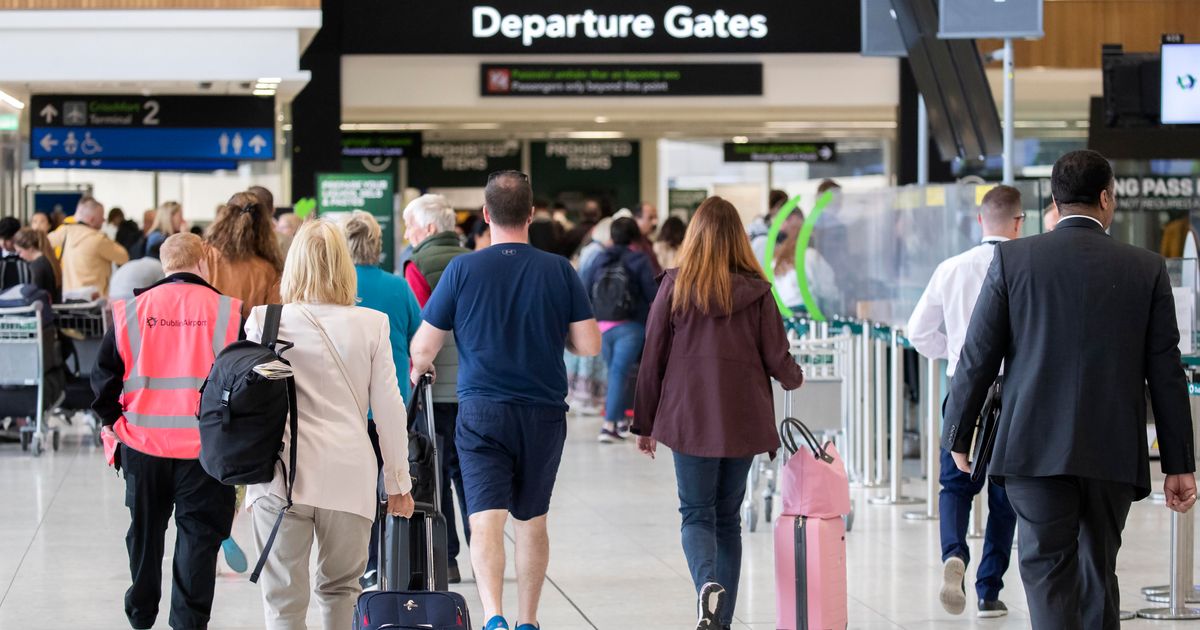
The Departures Gate at Terminal 1, Dublin Airport(Image: Colin Keegan, Collins Dublin)
With winter travel in full swing, the HSE has issued an urgent warning for Irish holidaymakers amid a surge in outbreaks of a highly infectious virus across a number of popular tourist destinations.
Ireland’s health officials say there have been “ongoing cases and recent outbreaks of measles” across Europe, including at ski resorts.
The alert comes ahead of a major influx of international visitors for large scale winter sporting events in northern Italy, including the Winter Olympics followed by the Paralympic Games.
In a travel advisory issued last week, the HSE urged people planning to travel abroad to familiarise themselves with the signs and symptoms of measles and to ensure they are up to date with their MMR vaccinations.
The HSE said it is particularly concerned about below target vaccination rates. A spokesperson said: “Measles is a viral infection which can result in serious complications. It is highly infectious and can spread easily.
“Latest data from Quarter 2, 2025 show that MMR uptake among children aged 24 months is 87.6%, which remains below the WHO target of 95% needed to prevent outbreaks.
“As measles is one of the most infectious diseases, case numbers can increase quickly when vaccination coverage falls below this protective threshold. Maintaining high uptake is essential to safeguarding population health.”
The HSE strongly recommends anyone who is unsure about their vaccination status to contact their GP. It said: “The best way to protect yourself and those around you against measles and to prevent the spread of measles in Ireland is to ensure you and your family members are vaccinated against measles.
“MMR vaccine is offered to all children in Ireland as part of the Primary Childhood and Schools Immunisation Programmes. Children are offered two doses of MMR vaccine at 12 months of age (MMR1) and in junior infants in primary school (MMR2).
“If you think you or your child are not up to date with MMR vaccines, vaccination can be arranged with your GP. MMR vaccine is available free of charge for individuals who are not age-appropriately vaccinated. In addition, infants aged 6 months to <12 months are eligible to receive an MMR vaccine, free of charge at their GP, prior to travel abroad. It is recommended that you receive this MMR vaccine at least 14 days prior to travel.
“If you live in Sligo, Leitrim or Donegal, MMR2 dose is given to children when they are aged 4-5 years by the GP.”
Health officials are urging the public to be aware of the signs of measles, which start with cold like symptoms around 10 days after infection. The first symptoms are:
cold like symptoms such as aches and pains, a runny nose, sneezing and a coughsore, red eyes that may be sensitive to lighta temperature of 38C or above (fever)small grey-white spots in your mouthloss of appetitetiredness, irritability and a general lack of energy
You get a measles rash a few days later. The rash appears around two to four days after your first symptoms. It fades after around a week. It usually starts on your head or neck and then spreads outwards to the rest of your body.
The rash can be flat or slightly raised and join together into large blotchy patches. It looks brown or red on white skin. It may be harder to see on brown and black skin. The rash is slightly itchy for some people. You will feel most ill on the first or second day after you get the rash.
Some people also get small grey-white spots in their mouth. Not everyone with measles has these spots. The spots usually appear before the measles rash. If you have these spots and other symptoms or a rash, it’s very likely you have measles. The spots usually last for a few days.
The HSE added: “If you think someone in your family has measles or has been in contact with measles, phone your doctor for advice. Keep the child or adult at home and avoid having visitors to your home unless they know they are protected against measles (they have had two doses of MMR vaccine).”
Subscribe to our newsletter for the latest news from the Irish Mirror direct to your inbox: Sign up here.