
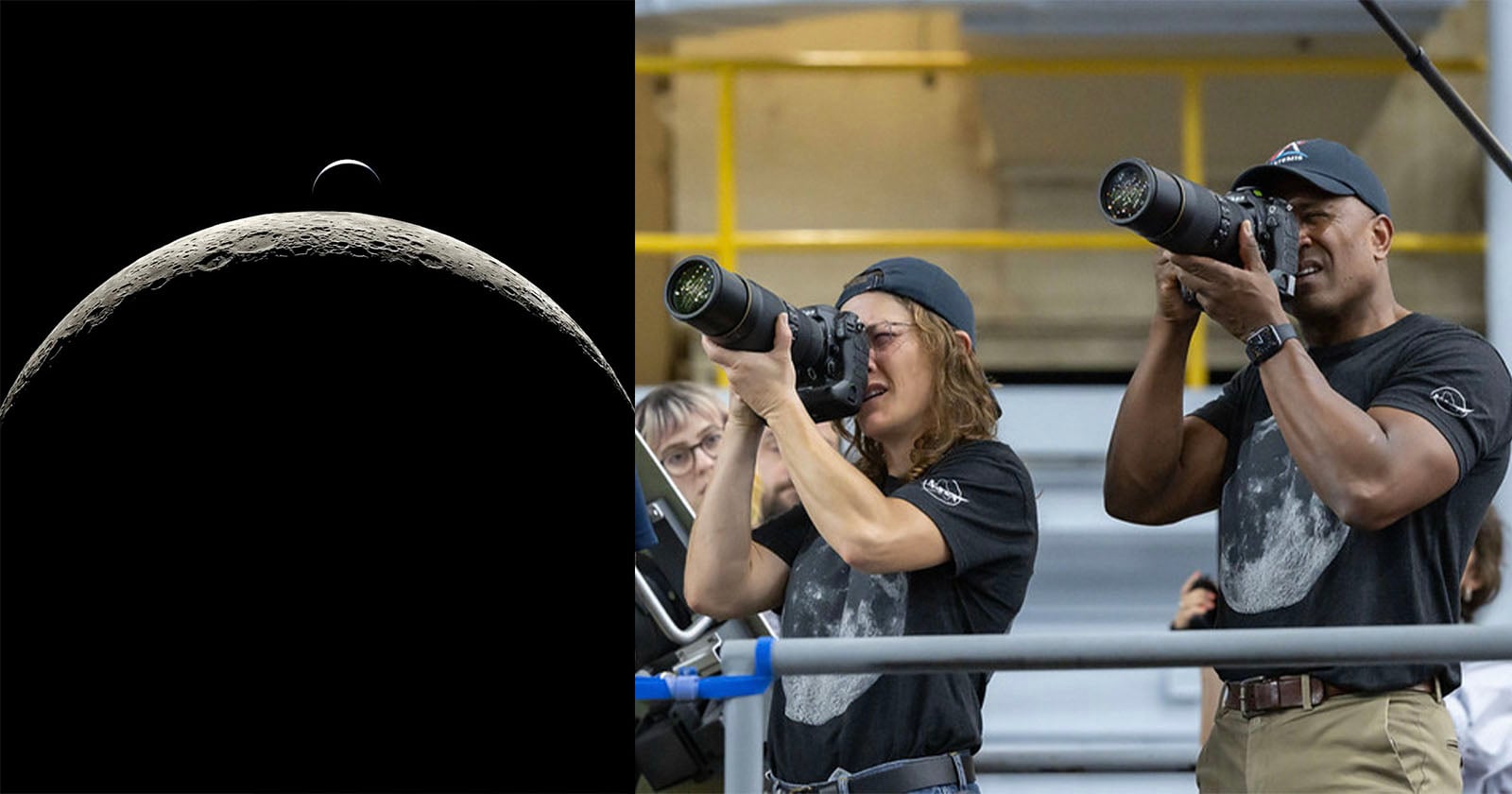
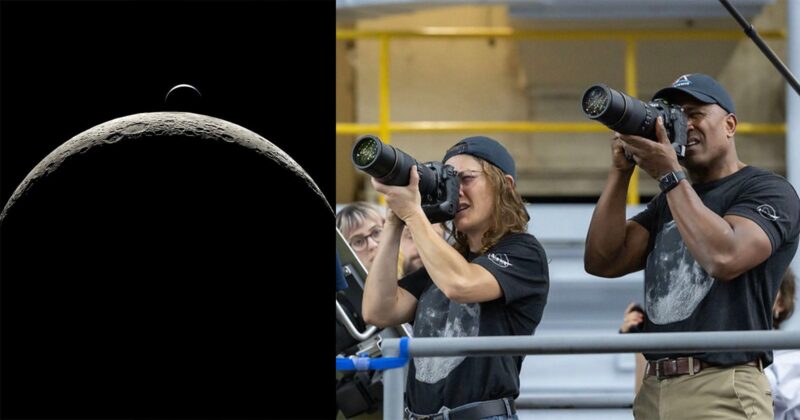
 A computer render of the kind of photo Artemis II astronauts might capture, left, Artemis II astronauts Christina Koch and Victor Glover, right.
Photography is of vital importance to NASA. The space agency provides all astronauts with plenty of Nikon Z9s and an array of different lenses, encouraging them to capture what they see.
PetaPixel regularly covers what the astronauts onboard the International Space Station snap out of the windows. But soon astronauts on a very different mission will blast into space and be afforded very different views.
Artemis II, scheduled for no earlier than Sunday, will make history when the Orion spacecraft circles the Moon and the crew travels further away from Earth than anyone has before. The mission is a crucial step toward Artemis III, when humans will set foot on the Moon for the first time in over 50 years. The ultimate goal of Artemis, after establishing a base on the Moon, is to send humans to Mars.
“We will be taking pictures and making observations and recording descriptions of what we’re seeing on the Moon,” Artemis II crew member Victor Glover told 60 Minutes this week.
But who among the four-person crew will be most adept at taking pictures? Artemis II will break ground: Glover will become the first person of color to leave low-Earth orbit, while Christina Koch will become the first woman to do so.
Koch (pronounced Cook) is also the member of the crew who appears most likely to excel at taking pictures. During her 328 days in space between 2019 and 2020, the longest continuous time a woman has ever spent there, she took a number of spectacular photos, some of which she has shared on her Instagram page.
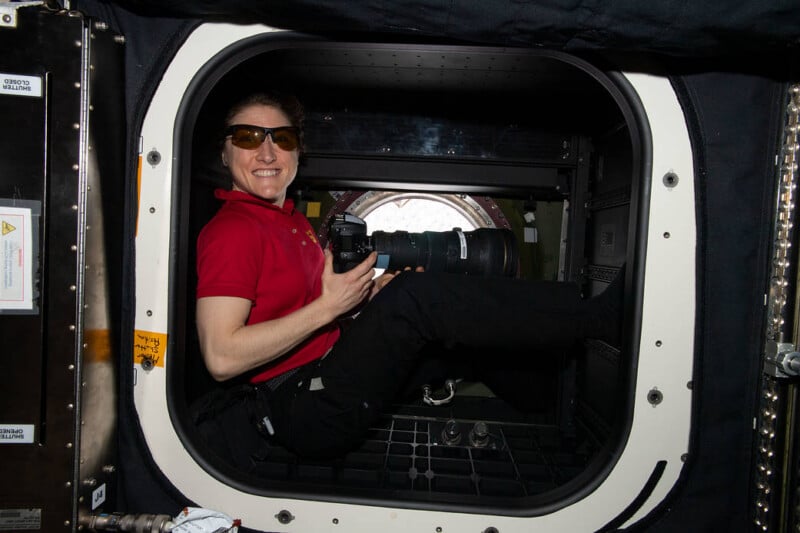 Koch wearing specialized goggles to protect her eyes from the Sun’s rays while photographing Earth landmarks from the International Space Station in 2019.
While orbiting Earth, Koch combined photography with another hobby of hers: surfing. From her vantage point 250 miles above, Koch looked for famous surf spots, including Raglan in New Zealand.
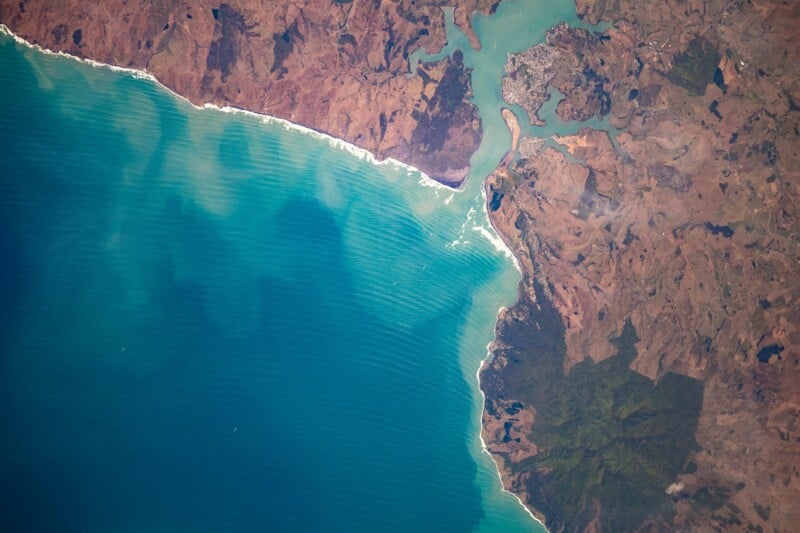 Raglan is known for its world-class left-hand surf breaks at Manu Bay. | NASA / Christina Koch
Koch even visited one of the surf spots she photographed from space in a “full-circle” moment.
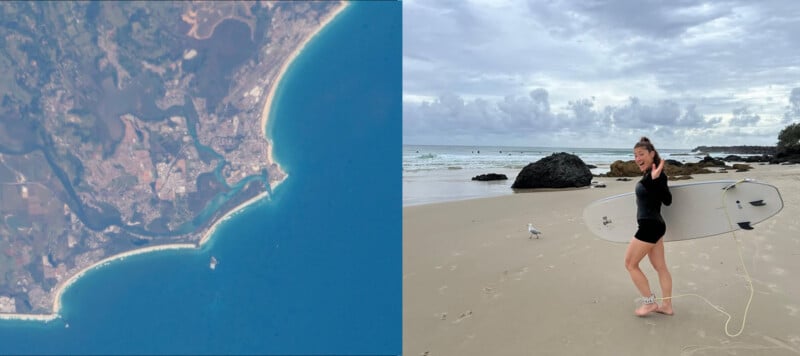 The swell off the Gold Coast of Australia Koch photographed from the ISS, left, visiting the actual location, right.
Unsurprisingly, Koch has cited legendary astronaut photographer Don Pettit as inspiration when sharing a star trail photo. She also shared a behind-the-scenes video of how the photo came together.
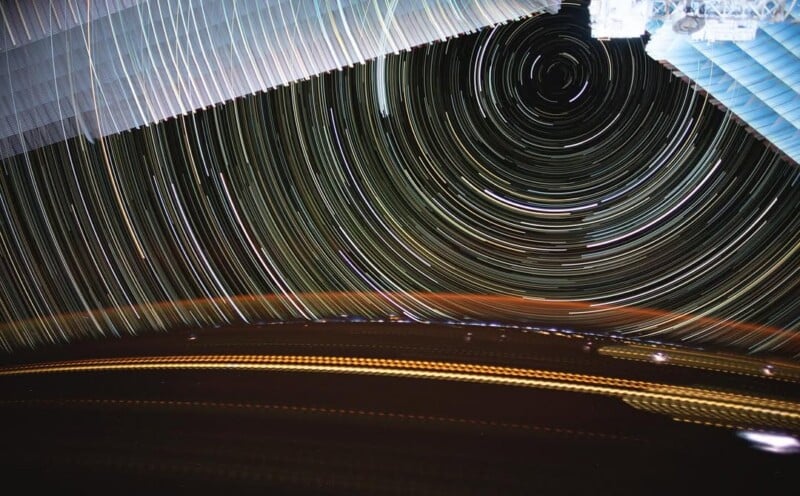 NASA / Christina Koch
Koch shared a photo taken during the Artemis I mission, a test mission for Artemis II. It gives a tantalizing clue of the kind of photo she and her crewmates might be able to capture.
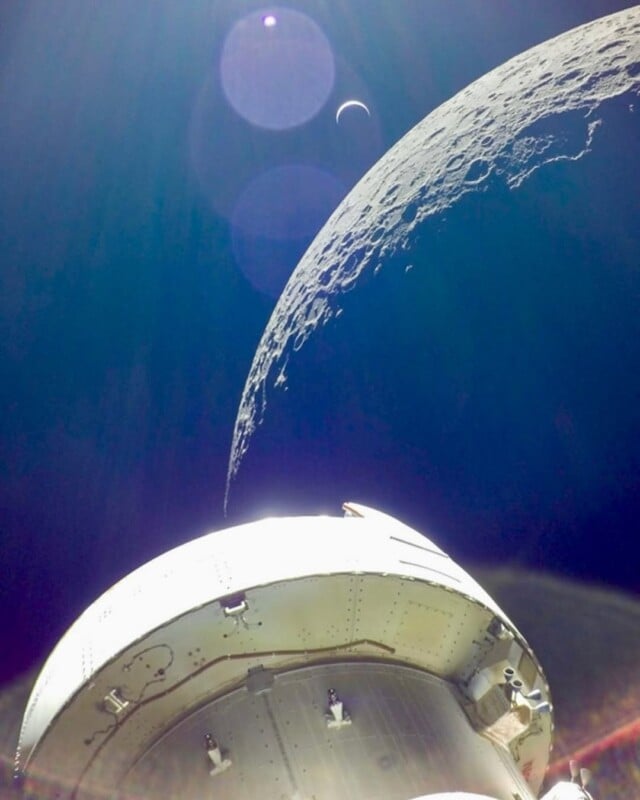 The Artemis I Orion spacecraft took this photo in late 2022. It shows the Earth as a crescent.
 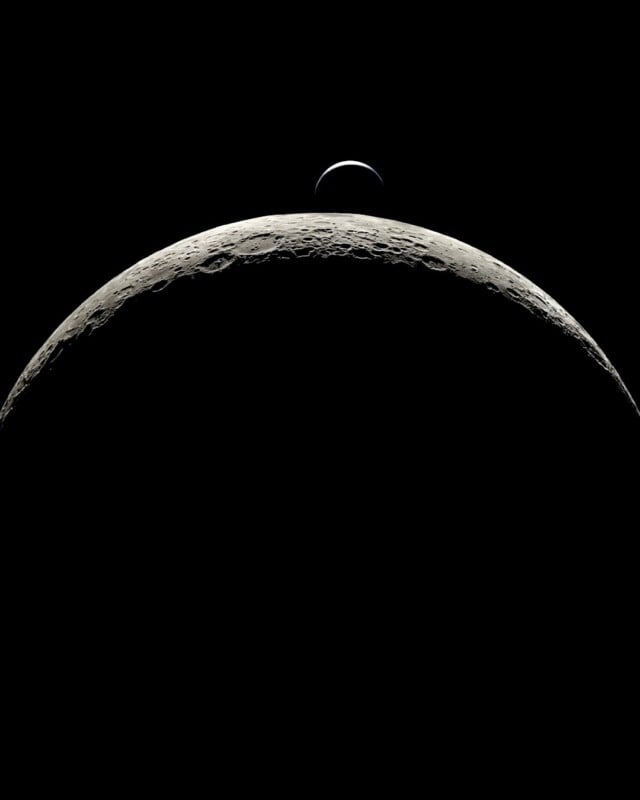 This is a generated image of the relative sizes of Earth and Moon that the astronauts inside the Orion spacecraft could see on the Artemis II mission. This is hopefully the kind of spectacular image Koch and crew will capture.
 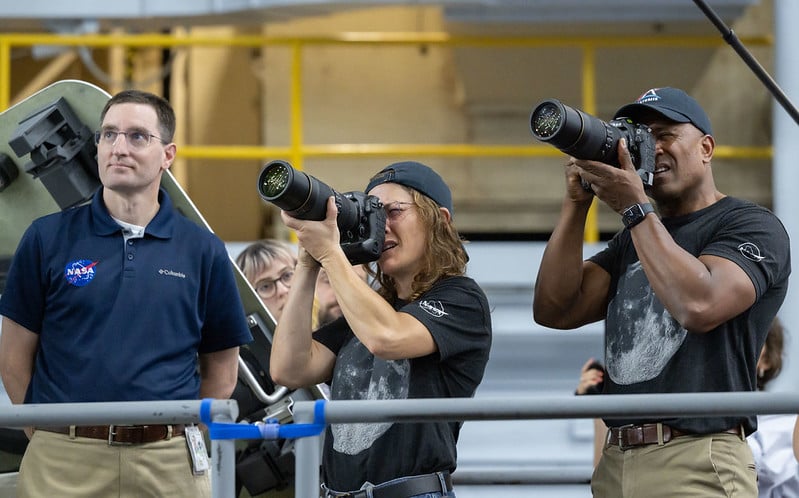 Koch posted this photo of her holding a camera along with crewmate Victor Glover, practicing “data taking.” | NASA/James Blair
Today, there was a “wet dress rehearsal” for Artemis II as cryogenic liquid propellant was put into the SLS (Space Launch System) rocket. The crew will blast off no earlier than Sunday; the exact date will be partially determined by the wet dress rehearsal as engineers and mission managers assess the performance and readiness of the booster.