
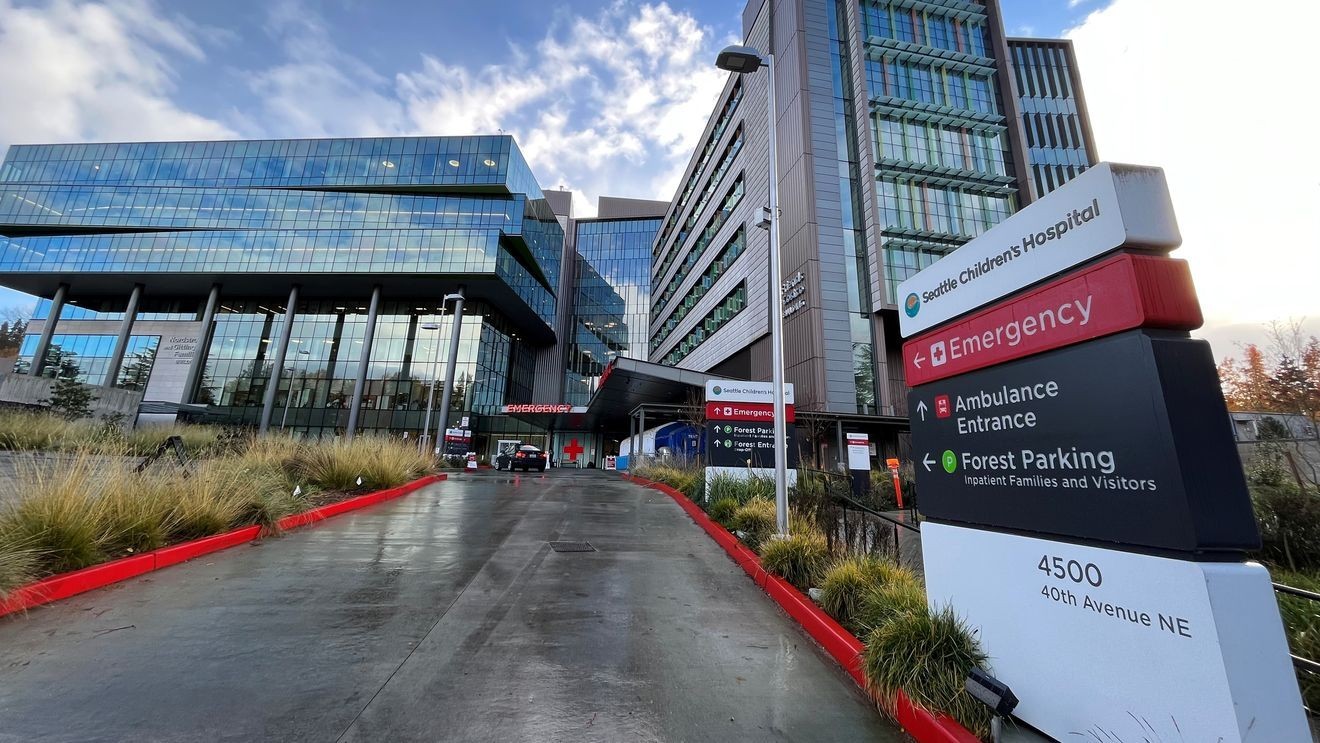
SEATTLE — A former anesthesiology resident who worked at Seattle Children’s Hospital, Harborview, and other UW Medicine hospitals was sentenced Monday for stealing and using powerful narcotic pain medications while treating patients.
Andrew Voegel-Podadera, 36, of Seattle, admitted he diverted fentanyl, hydromorphone, and other controlled substances over the course of about a year while working as a resident anesthesiologist at Seattle Children’s Hospital, Harborview Medical Center and the University of Washington Medical Center. Prosecutors said he sometimes used the drugs while still at the hospital, meaning he was under the influence while caring for patients.
Voegel-Podadera pleaded guilty in October to obtaining controlled substances by fraud. He was arrested in June 2025.
U.S. Attorney for the Western District of Washington, Neil Floyd, said the case underscored the dangers posed when medical professionals abuse their positions of trust.
“This defendant was entrusted with caring for patients, including young and vulnerable patients,” Floyd said. “It is chilling to think that he took powerful narcotics while a tiny baby needed his full and unimpaired attention. This case should serve as a message that nobody is above the law and healthcare professionals will be held accountable when they divert narcotics and put patients in harm’s way.”
According to court records, Voegel-Podadera worked as a resident anesthesiologist between 2022 and 2024. On Dec. 27, 2024, he treated three patients at Seattle Children’s Hospital, including an infant who was just 11 days old. Prosecutors said he began stealing and using pain medication early in his shift, later returning vials filled with saline and claiming the drugs had been wasted.
An attending physician noticed unusual behavior and reported concerns, leading to an investigation. Voegel-Podadera later admitted he had been stealing and using drugs while on duty as far back as January 2024.
Federal prosecutors argued the conduct placed patients at significant risk, noting anesthesiologists administer precise doses of potent drugs and perform delicate procedures where impairment can lead to serious harm.
Law enforcement officials involved in the case said the investigation helped stop behavior that endangered vulnerable patients and emphasized the importance of protecting patient safety and the integrity of the healthcare system.
Voegel-Podadera’s attorney told the court the consequences have already been severe. He was fired from his anesthesiology residency program, surrendered his federal registration to prescribe medications, and lost his medical license for at least five years.
He was sentenced to a year of supervised release and 200 hours of community service.
Speaking at sentencing, Voegel-Podadera said he regretted not seeking help sooner for his addiction and said he now speaks to medical residents about the dangers of substance abuse.