
Ministers have insisted new proposals on scramblers in public places will remove “ambiguity” about the legality of the vehicles.
Proposals to implement a total ban on scrambler use in public places were agreed by Cabinet on Wednesday.
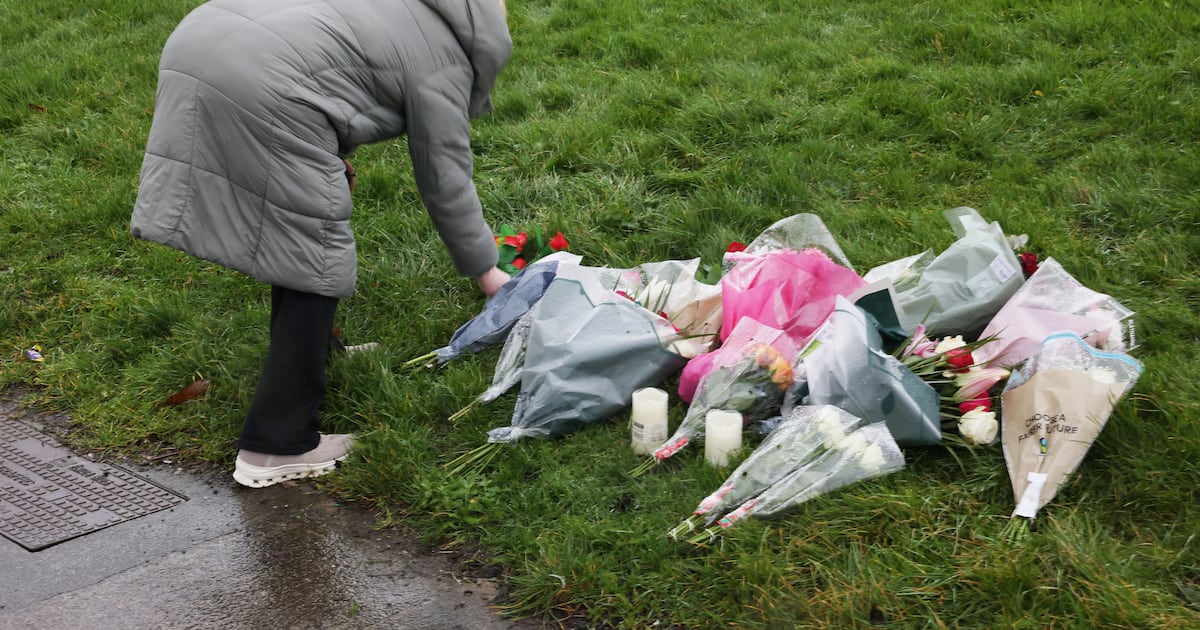
It comes after the Government promised renewed efforts to remove them from the roads after the death of 16-year-old Grace Lynch in Finglas, Dublin, last month.
Speaking at a press conference after Cabinet concluded, Minister for Transport Darragh O’Brien said the additional measures, which will be brought forward in the coming weeks, “remove any ambiguity” about scrambler use.
The Government has been pressed into action after controversy over Ms Lynch’s death – but the use of scramblers on public roads was already illegal in almost all circumstances.
Ministers argued on Wednesday that their planned move would clarify matters for the public and gardaí. They rejected the suggestion not much would change under the new regulations, with Mr O’Brien saying this was a “major difference to what was there before”.
“Critically, what Grace’s Law does here is remove any grey area – with regard to if a scrambler is seen on a road, in a park, at a playing pitch – it’s illegal. It can be seized, and we want them seized and we want them destroyed,” he said.
He also said there needed to be a “legal definition” of a scrambler.
Under the Road Traffic and Roads Act 2023, it is an offence to drive dangerously in any location, while gardaí have the
Mr O’Brien said, however, that a section of the Act had not been commenced which would give the Minister for Transport the power to ban a certain type of vehicle from particular locations.
The outright ban now being proposed goes further than that measure, he said.
He conceded that Government action was in response to Ms Lynch’s death. Asked if the gGovernment should have had a tougher approach before this, he said it was “something that absolutely is on my mind too”.
“This element of the regulation … the regulations were between (The Department of) justice and our own Department of Transport and the Attorney General and they weren’t concluded. Would that have stopped the situation, and stopped that tragic event, and saved Grace’s life, I don’t know.”
However, he argued other powers which were brought in under the 2023 legislation had make a difference, pointing to the number of vehicles seized since then. “In the particular instance with Grace’s death, they obviously didn’t,” he said.
Government figures show that over 1,000 scramblers, quads and other vehicles have been seized under existing powers in place since 2023.
An Garda Siochana could not immediately provide statistics on how many had been released back to their owners after seizure. The Department of Justice referred queries on this matter to thegardaí.
Mr O’Brien said enforcement was “critical” and that the new regulations, when they come, would address issues such as when to seize and when not to seize a vehicle. Gardaí already have powers to pursue when they see a law is being broken, and a decision to pursue was an operational matter for the force, Mr O’Brien said.
He promised ongoing work with the Department of Justice on the area of enforcement.
“We’re dealing with this and we’re going to go hard on this, unquestionably,” Mr O’Brien said, adding that training on drone use to track scrambler users had been given – and what vehicles might be used to pursue the vehicles was an operational matter for the garda.
Minister of State for Road Safety Sean Canney said Government will look at issues around licensing of scramblers for sports clubs, and the regulation of e-scooters – but that these would follow at a later date once the ban had been introduced.
Mr Canney also signalled he would be “looking at the area of sale, licensing … because we need to tie it all down so people are responsible for their actions.”
On his way into Cabinet on Wednesday, Tánaiste Simon Harris said moves to ban scramblers in public places were needed as the vehicles are “being used to intimidate communities” and pose a significant danger in terms of road safety.
He said the main cause for child brain injuries in Ireland was e-scooter use, with Cabinet set to discuss further measures addressing underage use of these vehicles as well.
“We need to help the gardaí in terms of more powers, in terms of enforcements around that as well,” he said.
He said his clear view was that scramblers seized by gardaí should not be returned afterwards.
He said it was fair to question why the introduction of new regulations had taken so long and that he did not have a satisfactory answer.
Earlier today Canney acknowledged the current legislation allows owners to retrieve their vehicles after a court case.
Speaking on Newstalk Breakfast with Anton Savage, Canney said the legislation was lax in relation to what happened with scramblers.
“People can apply to the courts to get them back after an incident and a court case is finished, they can apply and pay a fine and get them back.”
ate the scrambler at the place where it was being stored.
Grace Lynch died after being hit by a scrambler motorbike as she used a pedestrian crossing on Ratoath Road, Finglas, last month.
A man appeared in court last week charged in connection with the incident.
In the wake of the death, Taoiseach Micheál Martin signalled that the Government would seek to remove scrambler bikes from the roads.
In the Dáil on Wednesday, Martin rejected claims by Sinn Féin leader Mary Lou McDonald that gardaí have their hands “tied behind their backs” in dealing with scramblers.
Mr Martin insisted An Garda Síochána “have significant powers”.. There was already “a body of legislation in respect of scramblers” which are illegal on public roads.
He said the Garda Commissioner had confirmed there would be “intensive action” in areas affected.
Ms McDonald said “stories of gardaí being taunted by hoods on scramblers are all too common, and it happens because they know that the Garda have their hands tied behind their backs”.
They were “powerless to stop and apprehend scramblers, even as they pose such a threat and danger to people”.
Ms McDonald claimed the Government “failed to get a grip on what was a very evident and worsening problem for our communities across Dublin and beyond.
She said it was “unforgivable” it took the death of Grace Lynch for the Government to act.
She said the regulations would not work without enforcement.
The Minister for Transport will bring in regulations “irrespective of whether they’re licensed or not, or whatever status they have, they will simply be banned,” the Taoiseach said.
“That will significantly enhance the Garda capacity to simply just take these out of operation, both in public parks and indeed on public roads.”