
County posts strong growth in new residential addresses, according to new GeoDirectory report.
The report, compiled by GeoDirectory and EY, shows 35,056 new residential address points were added across the State last year. Dublin accounted for the highest number (11,966), followed by Cork (3,761), Kildare (3,107), Louth (1,892) and Meath (1,761).
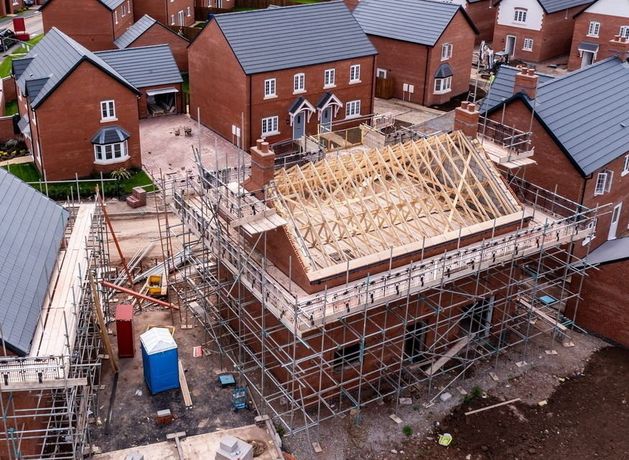
In addition, 1,780 residential buildings were under construction in Louth in December 2025. Nationally, 27,931 homes were under construction, a 25.5pc increase on the previous year.
Dublin recorded the most active construction sites (5,046), with strong levels also seen in Cork (3,668), Kildare (2,075), Louth (1,780) and Meath (1,703).
Louth’s residential vacancy rate stood at 2.6pc at the end of 2025, well below the national average of 3.7pc, which remains at a record low. A total of 79,703 units were classified as vacant nationwide.
The lowest vacancy levels were recorded in Dublin (1.2pc), followed by Kildare (1.7pc), Waterford (2.0pc), Meath (2.2pc) and Carlow (2.4pc).
GeoDirectory also logged 19,438 derelict units nationwide in Q4 2025 — a 3.3pc annual decrease — with 1.1pc of those located in Louth.
Louth recorded 1,535 residential property transactions in the 12 months to November 2025, with 39.7pc involving new homes, according to CSO data.
The average Irish house price rose 6.6pc over the year to €427,937. In Louth, the average price was €343,844.
Commenting on the findings, Dara Keogh, CEO of GeoDirectory, said 2025 saw a significant acceleration in national housing activity.
“Delivering this new supply pipeline to the market in 2026 should be a priority for the sector, as low vacancy rates combined with increased demand continues to drive the average property price upwards.”
Simon MacAllister, Partner at EY, said the report reflected “continued positive momentum” in the housing market, with construction strengthening and vacancy tightening.
“Looking ahead, a series of policy changes introduced last year have been welcomed by the construction sector and it is hoped they will unlock further housing growth potential.”
Funded by the Local Democracy Reporting Scheme