
The Government should follow international best practice including that of the UK in dealing with scrambler and quad bike misuse because “communities want to see people being prosecuted” and their bikes seized, the Dáil has heard.
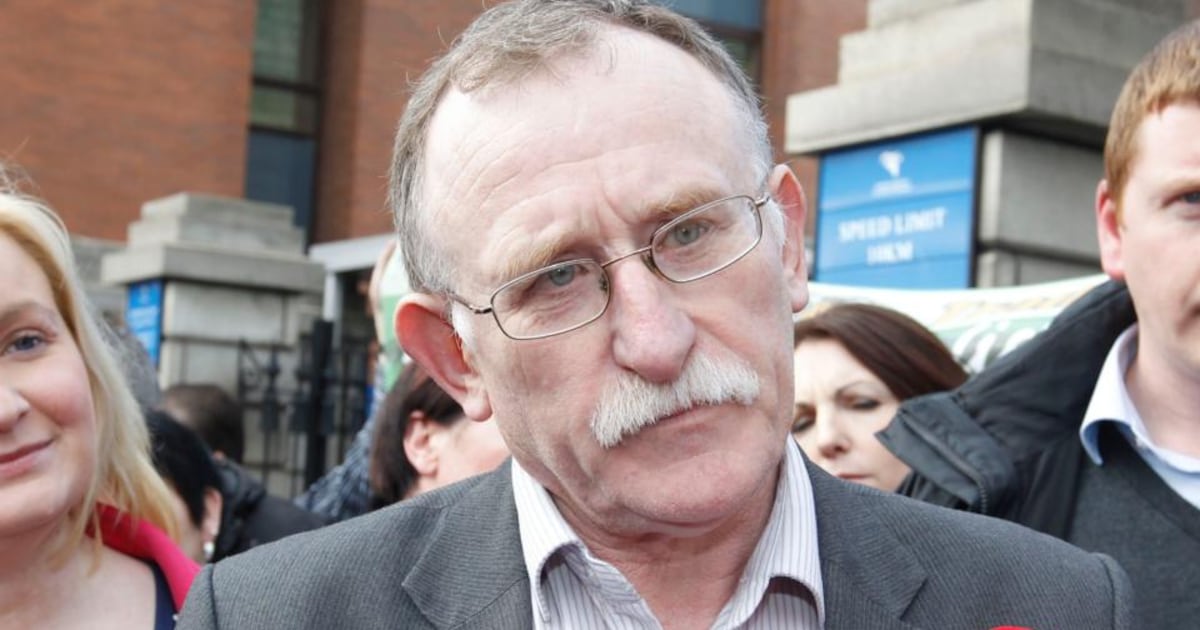
Sinn Féin TD Dessie Ellis said British police have been using a DNA spray which tags riders and bikes. “This spray is an invisible uniquely-coded dye which aids in the identification of an offender allowing for future prosecution.”
The Dublin North-West TD is a long-time campaigner about the illegal use of scramblers and in 2012 introduced unsuccessful legislation to give gardaí powers to seize and dispose of scramblers.
Speaking during a debate on road safety Ellis said police in Britain use drones to track offenders “thereby avoiding the dangers of a high-speed chase”. They have also used “trained specialised scramblers to pursue and apprehend riders”.
Gardaí have been trained in drone use but are not allowed to use them because of a lack of legislative clarity.
Intense debate on scramblers followed the death last month of Grace Lynch (16) after being hit by a scrambler at a pedestrian crossing in Finglas, Dublin.
Minister of State with responsibility for Transport Seán Canney said new regulations would be introduced “within a matter of weeks”, to “strengthen the existing powers” gardaí have to seize scramblers.
Since legislation was introduced in 2023 more than 1,000 scramblers, e-scooters and quad bikes have been seized, he said.
The regulations “will explicitly prohibit the use of vehicles such as scramblers in a public place, while continuing to allow for legitimate off-road recreational and agricultural uses”.
They will “also increase the charges that accrue each day after a scrambler has been seized to reduce the number of seized vehicles that are released and end up back on our roads”.
Minister for Justice Jim O’Callaghan said “reckless behaviour, selfish choices, excess speed, drink and drug driving, distracted driving and not wearing a seat belt are all choices and behaviours on our roads that lead inevitably to death, destruction and despair”.
He pointed out that road deaths had dropped from 472 in 1997 to 133 in 2021. They rose to 190 last year.
Labour transport spokesman Ciarán Ahern said resources were needed for “relentless enforcement”. The public was promised 150 new roads gardaí two years ago but only got about half.
There were 1,300 gardaí in the traffic force in 2009 but now there were fewer than 650 while “about a million new cars have been added to our roads”.
Government backbencher Emer Currie said “there has been a loss of confidence in our road safety strategy and Government must act now to restore it.”
The Dublin West Fine Gael TD pointed to claims by the Department of Transport that gardaí had full access for the past three years via their mobility app, to the National Vehicle and Driver File (NVDF). It records licence status, disqualifications and penalty points. But gardaí said “access was partial”.
Since December, all Garda members are believed to have full NVDF but “even now, I do not have full confidence” they and insurance companies have that access, she said.
Fianna Fáil Galway West TD John Connolly welcomed proposals to reduce the speed limit in urban areas to a “default” 30km/hour but said it was unclear what local authorities were to do in relation to schools on national roads.
He called for “direct guidance” to be given to local authorities to ensure the speed limit, “at least around the time of school operations” would be reduced to 30km/h at those spots.