
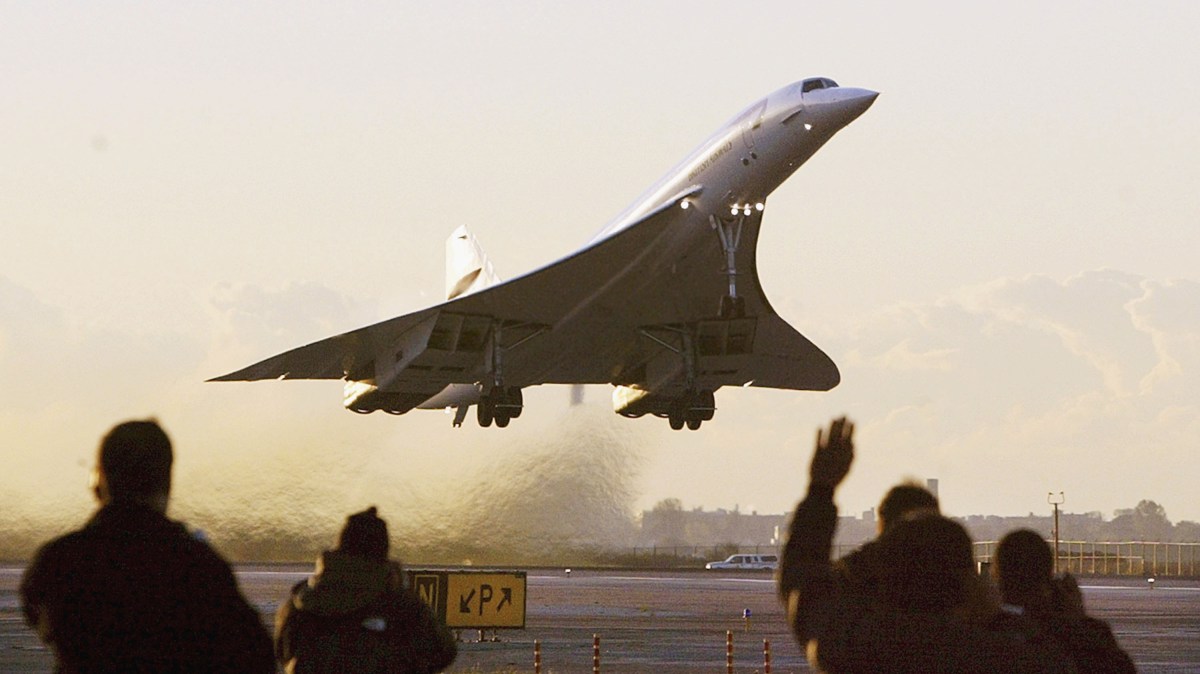
Do you enjoy flying? Thought not. These days it’s pretty dull and can be downright awful. It was not always that way. Fifty years ago Concorde made its maiden passenger flights from London to Bahrain and Paris to Rio de Janeiro. I flew Speedbird 1, as BA’s Concorde was named, to and from New York’s JFK airport in the early Noughties and no journey since has come even close.
You had to be on your A game even before you got to Heathrow Terminal 4, which was then BA’s hub, for departures to New York, Washington and Barbados, the carrier’s most popular Concorde routes. Looks mattered. A jacket and smart trousers — no Love Island athleisure — and loafers, not trainers, were de rigueur. Limited-edition Globe-Trotter was the only acceptable luggage brand. I still use my Globe-Trotter Concorde holdall cabin bag.
One-upmanship was crucial. On arrival at Terminal 4 your first task was to find someone you knew who was travelling subsonic on one of BA’s Boeing 747 jumbo jets. “Oh, you’re not on the quick plane?” it was important to say while flashing your silver BA001 boarding pass with the £8,500 price tag. “Har, har, har. Bye!”
There was the right and the rookie way to enter the Concorde Room lounge for the morning flight to New York. Regulars knew to leave their cabin baggage at reception and walk in hands-free. This meant that you could take a flute of vintage Krug from the waiter standing on one side as you entered and a bacon sandwich in your other hand from the waiter standing on the other side.
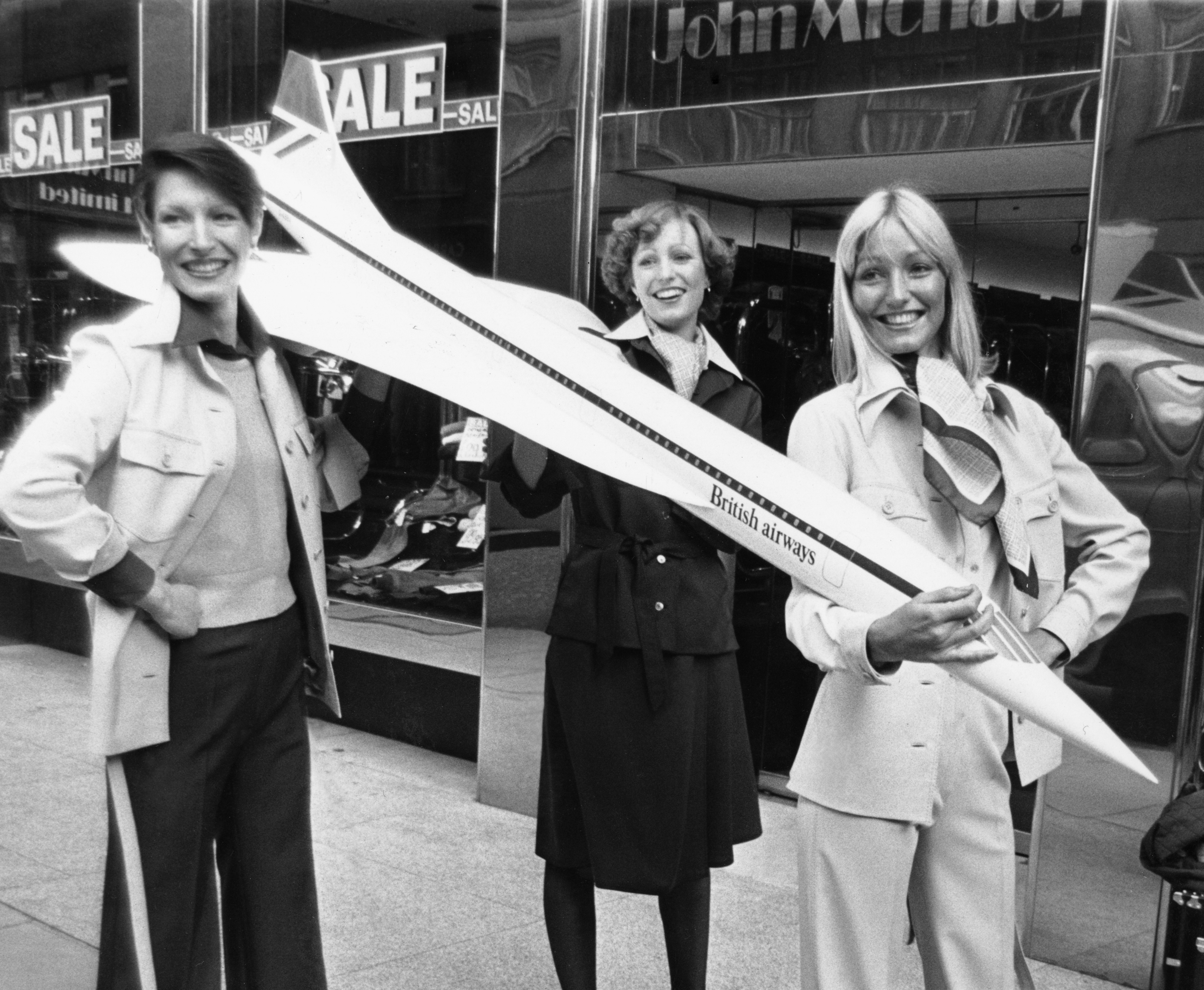
Cabin crew members show off the new uniforms designed by Hardy Amies in London, 1976
GETTY IMAGES
Taking your seat opposite the most beautiful aircraft ever built, its razor-sharp nose cone almost piercing the windows, the trick was to look as bored as possible. That way you might pass for one of the Concorde commuters sitting alongside you — Elton John, Mick Jagger, Joan Collins, David Frost, Gwyneth Paltrow.
Since many passengers were regulars — members of “the 001 Club” — they knew the dedicated Concorde pilots and crew and so greeted them by name as they boarded, not the other way round. Regulars’ favourite drink and newspapers and magazines were already waiting at their seat. It was more like a private club in the air than a flight.
Taking off was unlike any other departure. The captains of other aircraft used to make way for Concorde because they and the passengers on their jets were happy to wait to see and hear it take off. Supersonic queue-jumping.
• I had a sneak peek inside the fastest passenger plane since Concorde
Once the captain had lined up on Heathrow’s northern runway 27R, you heard that noise. It sounded like the four Rolls-Royce Olympus turbojet engines had trapped the wind itself — the Mistral, Sirocco and Levanter. They delivered a gut punch as the jet raced to the horizon.
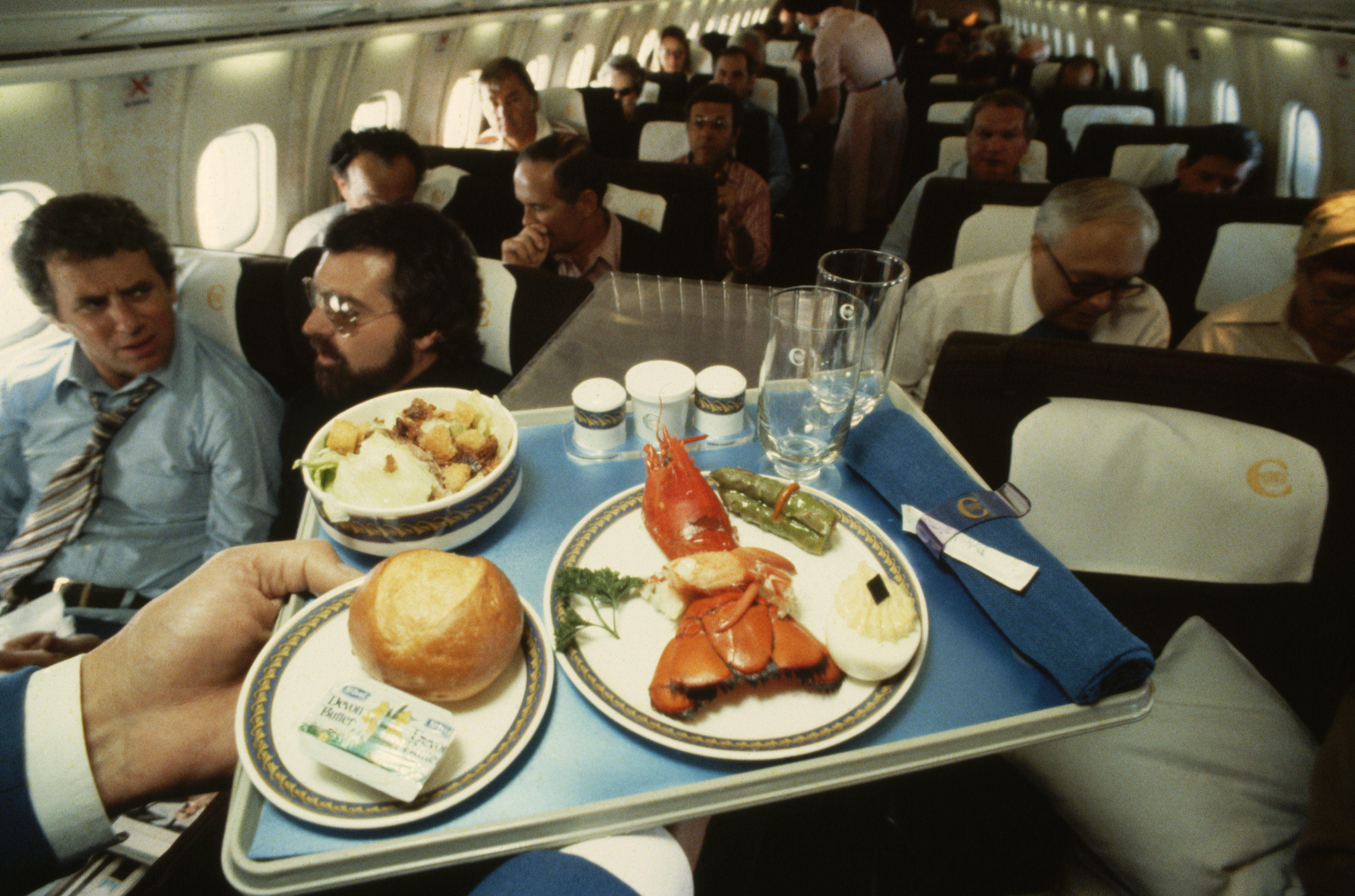
Concorde may have been cramped but the food and wine were the best in the sky
GETTY
Concorde climbed 100mph faster than a subsonic jet — gaining 4,000ft each minute — and at a much steeper angle to get into the thin air as fast as possible to maximise speed. It was as close as you could get to being on a rocket.
Speedbird 1 could not fly supersonic over land because the sonic boom it generated as it broke the sound barrier could shatter windows on the ground, but it only took a few minutes to clear the UK mainland and head out over the Bristol Channel. This was the cue for the pilot to announce in his finest clipped vowels that he would “be increasing the power to the Olympus engines”.
He had scarcely finished his sentence when what felt like a volcano began to erupt behind me. It looked like one too. I remember peering out of the windows and watching the fiery afterburners turning the clouds orange. In just a few minutes we soared from about 29,000ft and 500mph to 63,000ft and almost 1,500mph. The speed and altitude readings ticked up on the screens on the front wall of each of the two cabins. All the seats were the same but the forward cabin was for regulars.
Those raw numbers didn’t mean much, so I found myself doing the maths to make them make sense. One mile every 2.5 seconds. That means that in the time it took for the cabin crew to pour my supersonic gin and tonic we had gone five miles.

The Concorde check-in at Heathrow airport
GETTY IMAGES
You could feel the speed in unusual ways. The inside of the walls in the lavatory were too hot to touch. To save weight the insulation in there was thinner than in the cabin. Concorde flew so fast that its skin reached temperatures of up to 127C in an outside temperature of minus 60C.
I like looking out of the windows when I fly as a sort of mental doodling. The cabin crew pointed out the curvature of the Earth below and noted how the sky darkened almost to black as we approached the edge of space.
In the cockpit the two pilots and engineer — Concorde was such cutting-edge technology it needed an engineer — were taken care of in a way unimaginable today. They had the usual mugs of tea but also a pot of caviar each, delivered by the cabin crew.
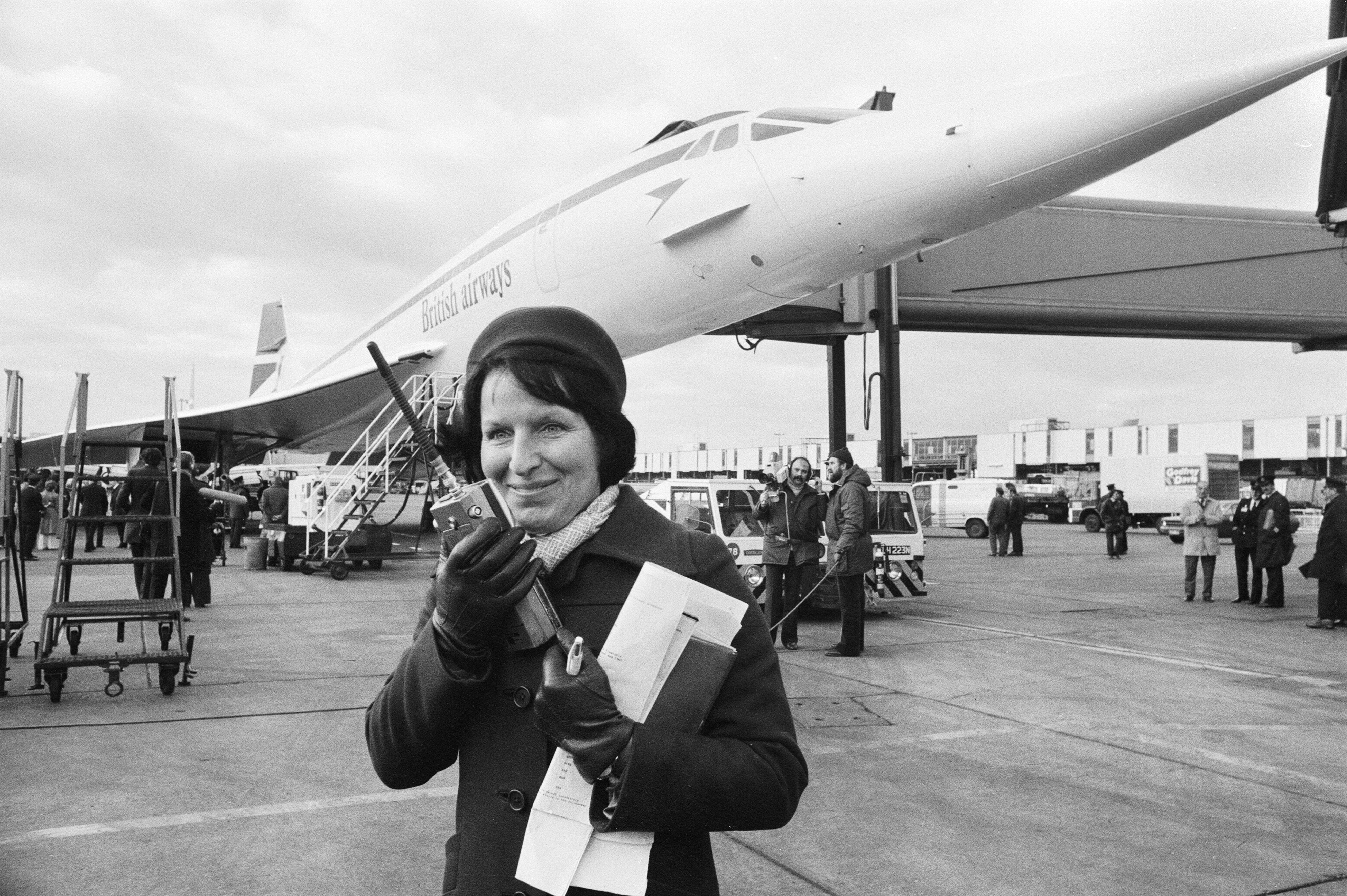
One of Concorde’s first commercial flights on January 21, 1976
GETTY IMAGES
Like the pilots, almost all the passengers ate the caviar, usually with eggs. If you like all-day breakfast Concorde’s morning flight to JFK was the plane for you. You woke up in London and had breakfast, had breakfast again in the Concorde Room, then again on board and a fourth time when you got to New York. If you would rather see the sun set twice on the same day, you chose the evening flight on the pointy white time machine.
Small wonder that after the aircraft dipped its beak for the last time in 2003 — after the double whammy of a slump in demand for air travel following the 9/11 terror attacks and the Air France Concorde crash on take-off from Paris Charles de Gaulle airport that killed 113 people — everyone from Concorde captains to Joan Collins declared its demise “a travesty of civilisation”.
Landing in New York was as dramatic as taking off from London. To shave as much time as possible, on each transatlantic flight Concorde would fly as high as possible for as long as possible before descending at a very sharp angle as fast as possible to JFK. After just over three hours the landing — almost two hours before I had left, when the time difference was taken into account — was the bumpiest and yet best of my life.
As we taxied to the gate, I put the limited-edition Concorde-branded Smythson diary and stationery every passenger was given (and, yes, some cutlery — sorry, BA) into my holdall. I had only one thought: I can’t wait to do the whole thing in reverse back to Heathrow in three days’ time.
Share your own Concorde memories in the comments
My life as a Concorde pilot — and what it was like to fly the Queen
John Hutchinson, 89, began his flying career in the Royal Air Force in 1955 before serving as a Concorde pilot from 1977 until his retirement in 1992. He reflects on the highs and occasional lows from 15 years on the supersonic flight deck. Interview by Claudia Rowan
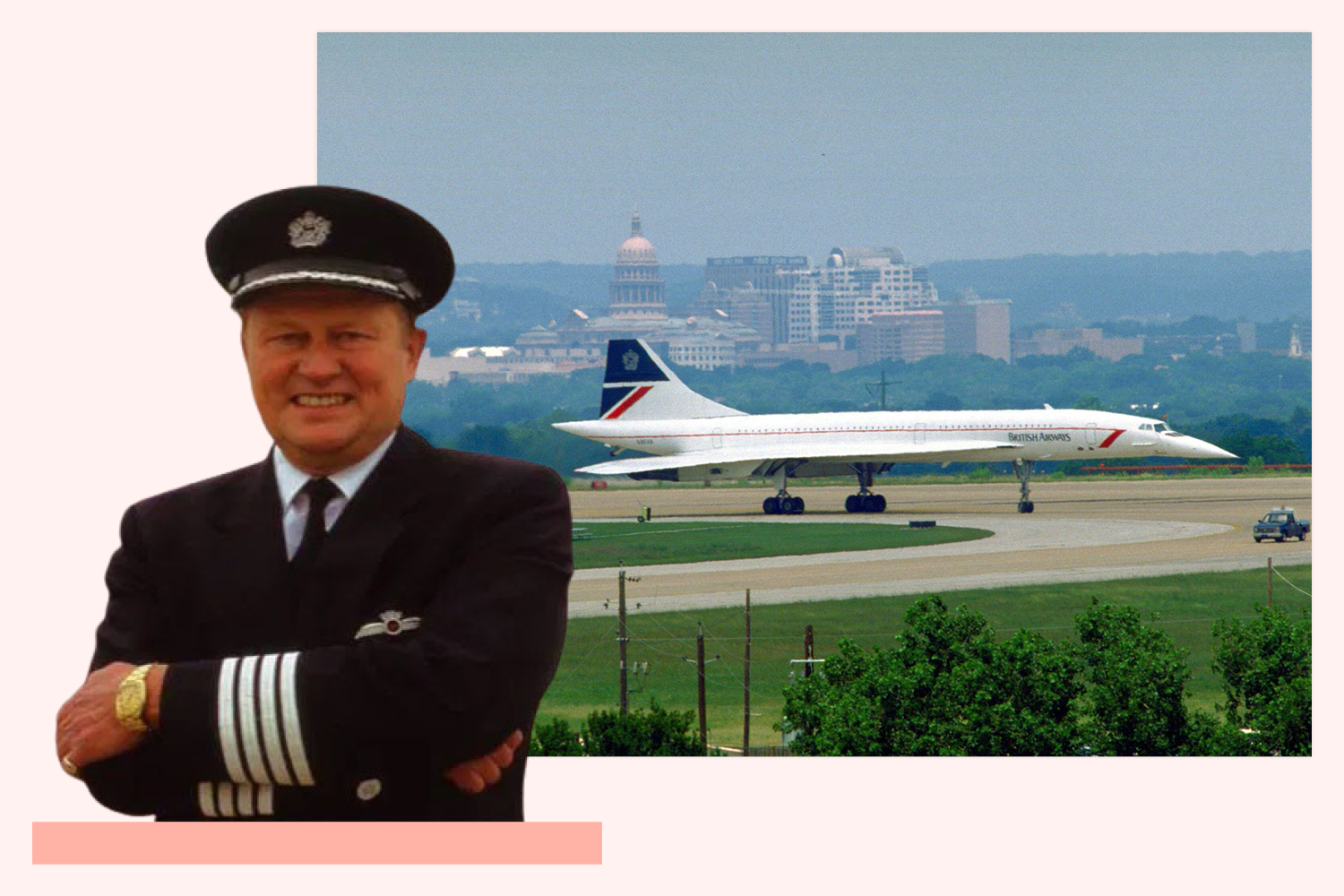
John Hutchinson was a Concorde pilot from 1977 to 1992
ALAMY
I flew Concorde from the age of 40 until I retired, kicking and screaming, in 1992. Those 15 years were an enormous privilege for me. Concorde was just extraordinary, and as far as I’m concerned it was the safest, easiest aeroplane to fly.
There were two flights a day to New York, at one stage three flights a week to Washington, and a number of flights to Barbados each week depending on the season. You could go from London to Barbados in 3hr 40min. I flew to Barbados last year for a cruise and it took 8hr 40min — as we disembarked I said to the captain: “Hmm, I was doing this in under four hours forty years ago!”
I was flying very high-profile people all the time: Muhammad Ali, Paul McCartney, Elton John, Henry Kissinger, Lauren Bacall (she was the most beautiful woman, with a husky, sexy voice that made you turn to jelly). Muhammad Ali is somebody I’ll always remember very well. It was 1978 and he was just the most magnificent-looking human being, but he was down to earth, funny and great to talk to.
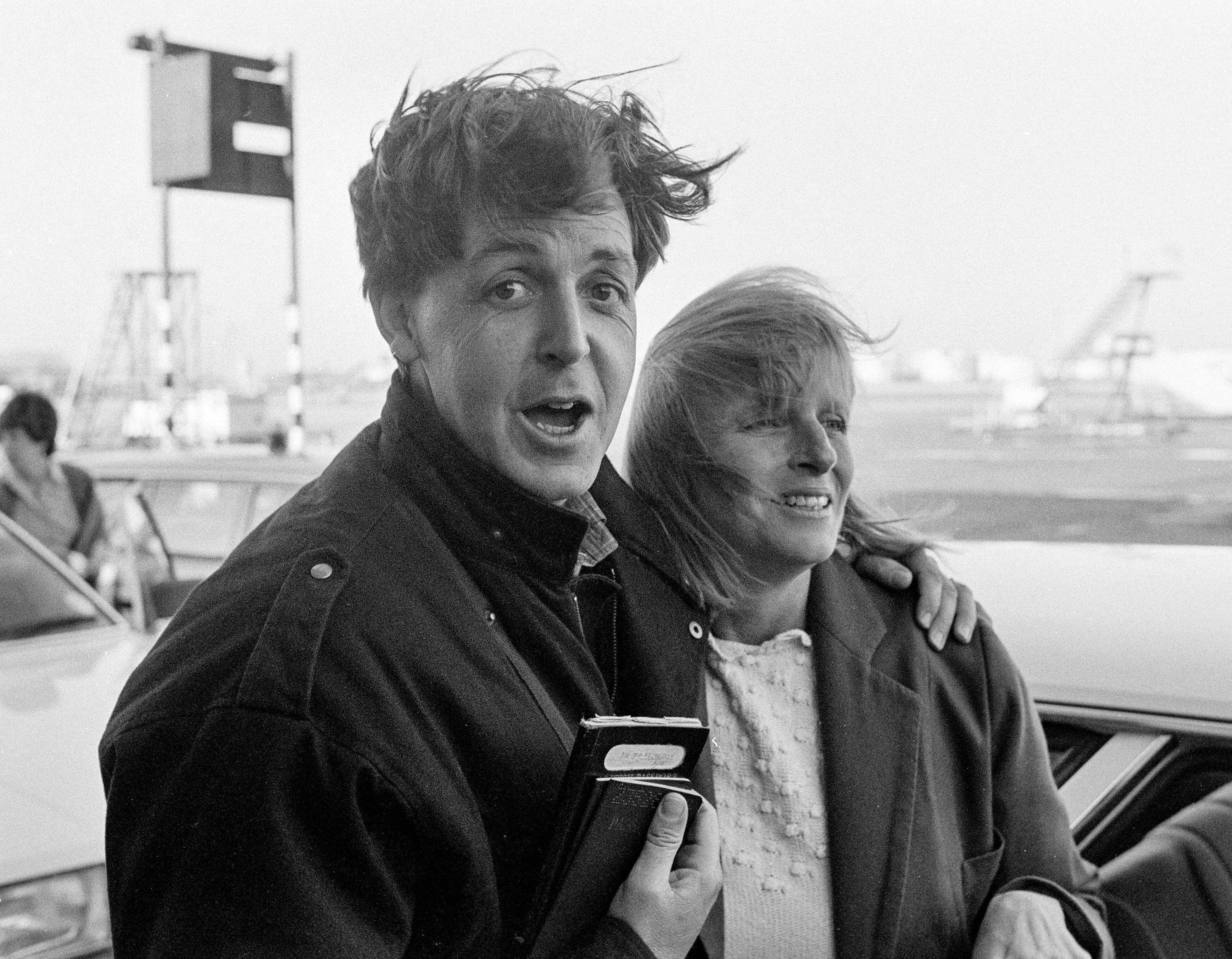
Paul and Linda McCartney were regulars onboard
ALAMY
If I had to single out a bunch of people I particularly liked meeting it would be the great classical musicians: Vladimir Ashkenazy, Itzhak Perlman, Pinchas Zukerman, Isaac Stern. Isaac Stern, for instance, was president of Carnegie Hall and I flew him many times. He gave me the phone number of his agent in New York, whom I could ring up whenever I was there for concert tickets in Stern’s private box at Carnegie Hall.
On another occasion, Ashkenazy asked me for my address and I thought nothing of it. Then about a month later this package arrived in a big jiffy bag containing records signed “To John Hutchinson, thanks for many memorable flights — Vladimir Ashkenazy”.
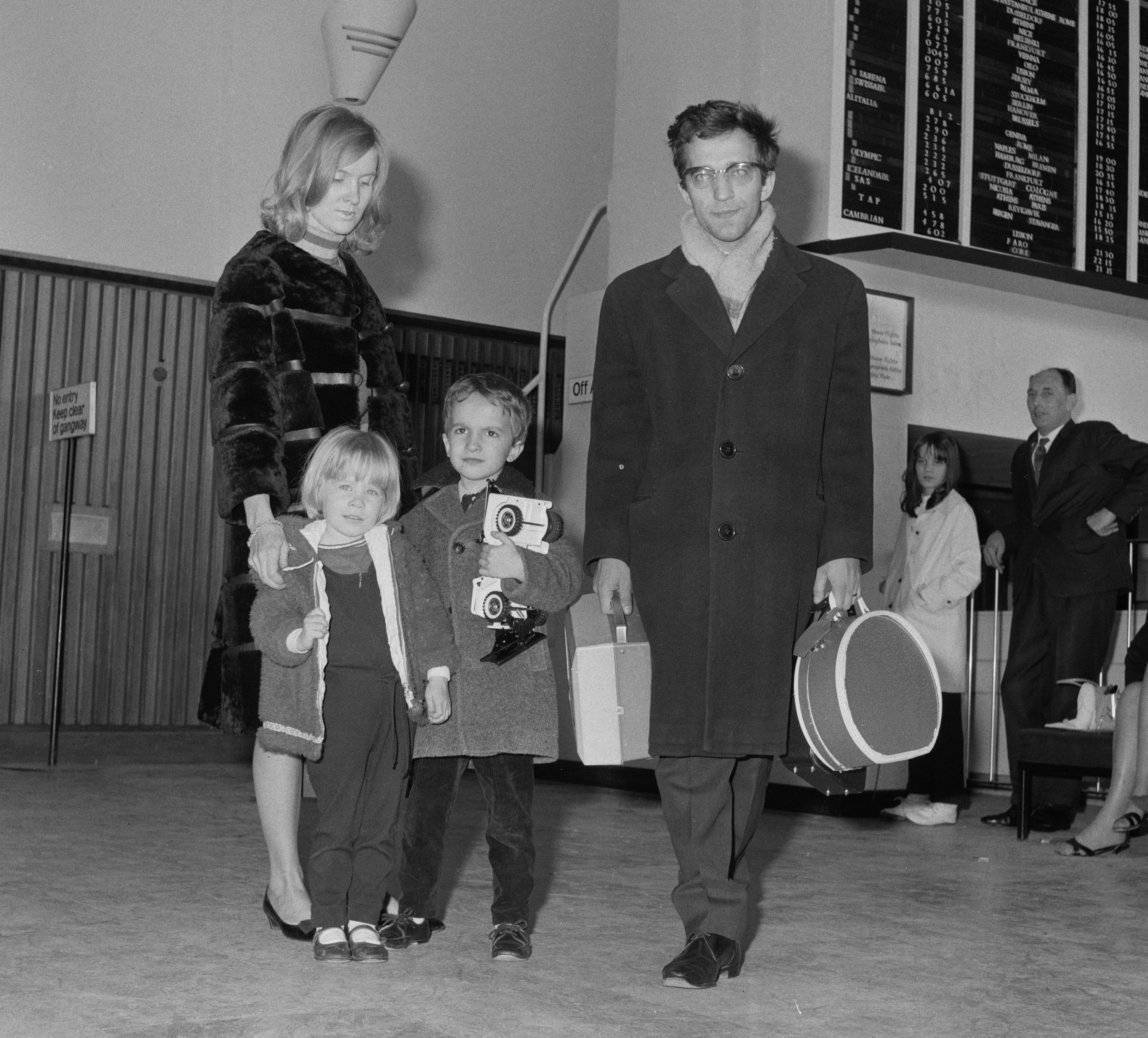
Russian pianist and conductor Vladimir Ashkenazy arriving at Heathrow Airport with his wife and children
GETTY IMAGES
• I had a sneak peek inside the fastest passenger plane since Concorde
Flying the royals
Another time I flew Princess Margaret, although I don’t think she approved of me. I remember leaning out of the flight deck window to take a photograph of her, but she spotted me and the look on her face said: “What the bloody hell do you think you’re doing?”
One of the highlights of my Concorde career, without any doubt, was flying Queen Elizabeth II on her tour of the United States in 1991. The Queen kept to herself, reading her notes in the cabin, but Prince Philip sat in the flight deck a lot of the time. He was an experienced pilot and very interested in watching the operation. On the flight back to London I had to deliver a message from the Queen to President George Bush from the flight deck. I dictated the message to US air traffic control: that she was very grateful for the warm welcome they had received in the United States and that she looked forward to returning that hospitality.
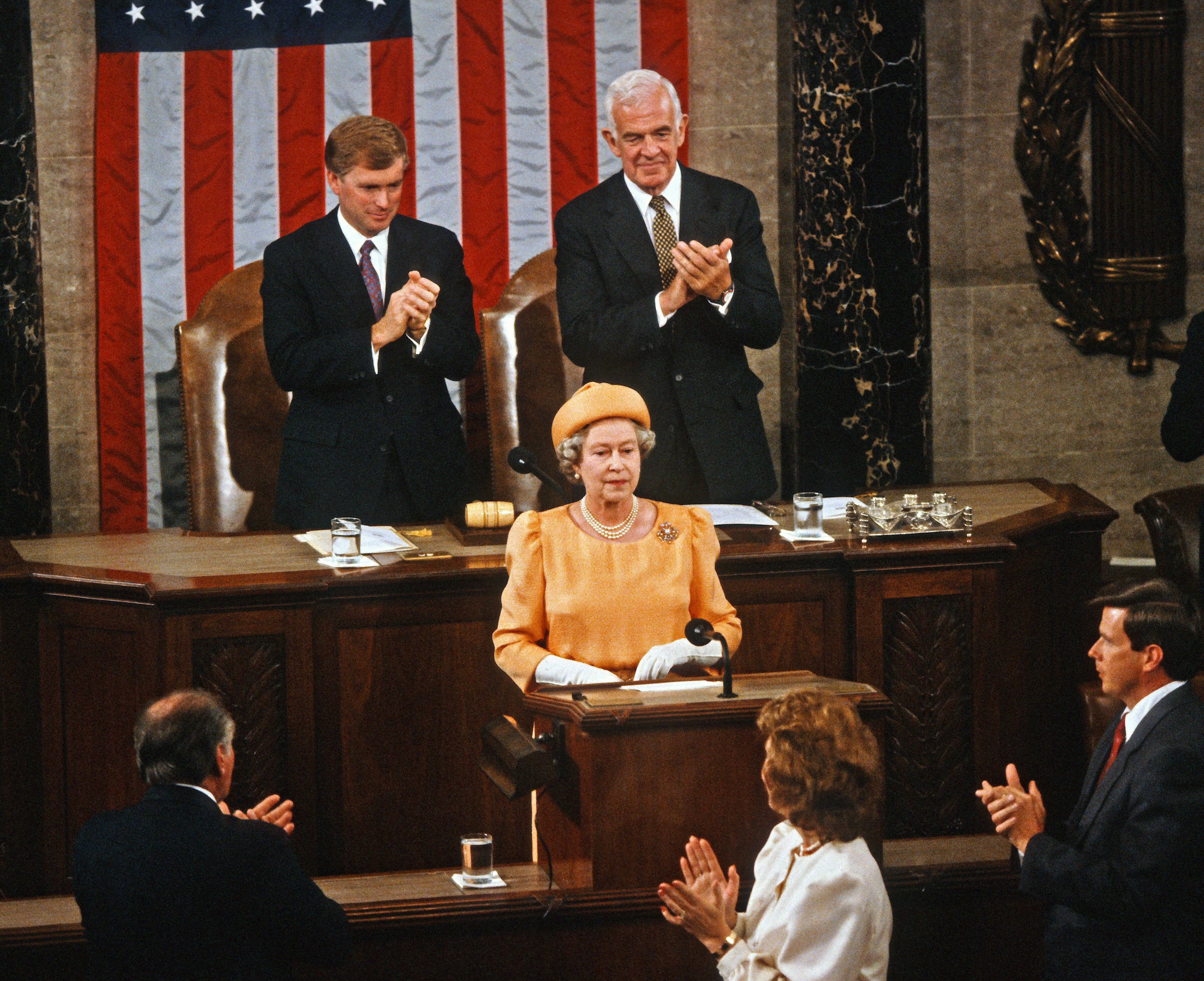
Queen Elizabeth II in Washington DC in 1991
GETTY IMAGES
The only time I’ve been unnerved as a pilot was when I found myself flying the US golf team for the Ryder Cup in the 1980s and realised I had all of America’s top golfers in this one basket. If it blew up in midair they’d all have died.
• Mistakes I’ve made travelling in first and business class
The highs and lows of the golden era
There were some passengers I didn’t enjoy having on board, like Robert Maxwell, who could be quite unpleasant. And there was one passenger in the early 1980s who refused to put out his cigarette and do up his seatbelt. When I politely asked him to put it out he blew a big cloud of smoke in my face. He was arrested and fined, but months later I received a written apology from him, which was nice.
Most people assume we were paid a premium salary as Concorde pilots but that wasn’t the case. I took a cut in pay because pensionable overtime payments that you’d get for long-haul flights didn’t exist on Concorde as you weren’t in the air for long enough.
But we were very well taken care of. Food on board was wonderful: caviar, foie gras, lobster, steaks, jumbo prawns. Sadly we couldn’t drink the premier burgundies and other lovely drinks that were served to passengers.
In total I spent nearly 6,000 hours flying Concorde and nearly 4,000 of those on supersonic flights. It should never have been retired; I was devastated when I heard the news. Since then Concorde has taken on the role of a mythological creature, like a unicorn.
People would get off the plane saying they wished the flight had lasted longer. And I would say the same. For me the real pinch-yourself moment was sitting up there above the Earth’s weather, away from the jet streams and turbulence, travelling at 23 miles a minute. But you had this uncanny feeling of hanging suspended, motionless in space. It was extraordinary.
The Wind Beneath My Wings: John Hutchinson Concorde Pilot by Susan Ottaway is available to buy on Amazon (Thistle Publishing; £12.20)