
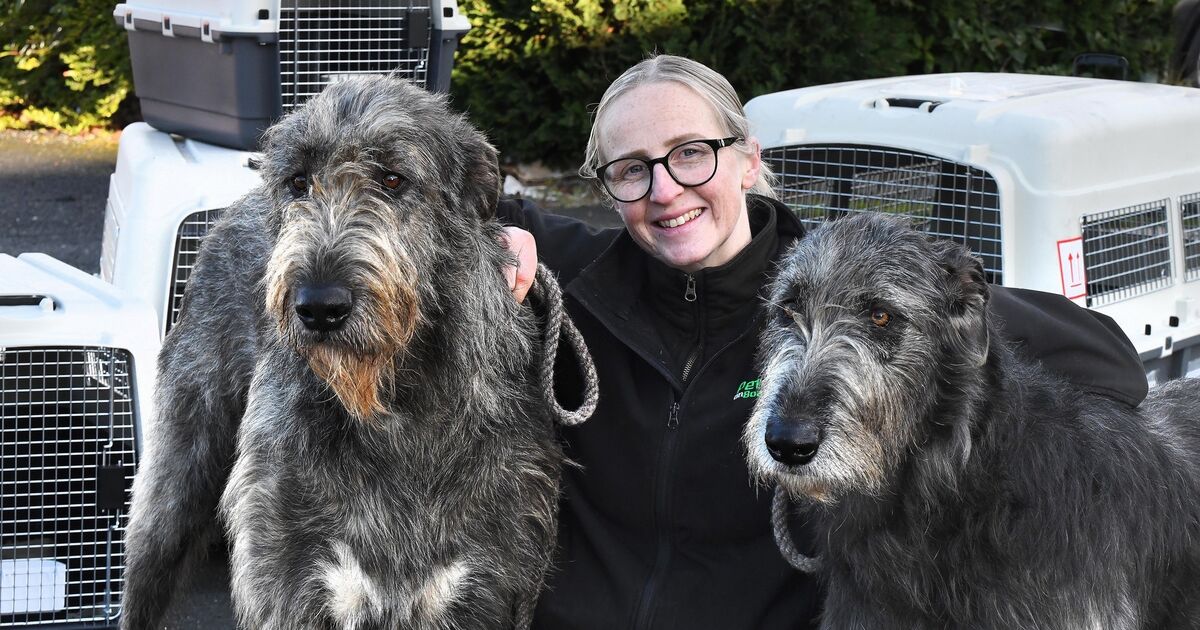
Airports can be stressful at the best of times, but having a Sumatran tiger as part of your precious cargo throws up an entirely different set of challenges.
Luckily, Siobhán Sweeney, an animal relocation manager with Pets on Board in Santry, Dublin, is always one to rise to the occasion.
The veterinary nurse’s dealings with dog and cat owners are publicly known, but her work transporting zoo animals to countries across the world goes largely under the radar.
Zoo relocations, involving animals from Ireland, are normally part of international conservation efforts.
In certain cases, relocations are carried out to restore a gender balance. This is often the case with dominant male species where physical conflict can occur.
“We’re basically logistics agents for animals,” Ms Sweeney told the Irish Examiner.
“There are a lot of pets, but I am the only one in the company who does the exotic animals. That could mean anything from cheetahs and tigers to red pandas and orangutans. When you are dealing with the endangered species, it becomes more complex. There is additional paperwork and lots of red tape.”
Preparation is key ahead of a flight or shipping.
“Most of the challenges you find are attached to the paperwork. When endangered species travel, they need special import and export permits. There is also documentation relating to customs and veterinary paperwork,” she said.
“Those are really the biggest challenges. As long as you have the green light from the countries importing and exporting them, then everything normally runs smoothly after that.”
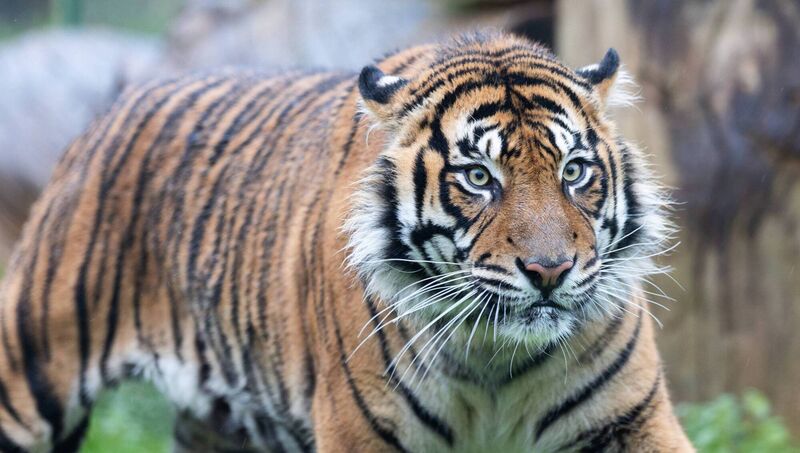 The big cats, like the Sumatran tiger, don’t like having their personal space invaded, Siobhán Sweeney tells the ‘Irish Examiner’. Picture: Darragh Kane.
Ms Sweeney adopts a low-key approach to her work transporting exotics and pets.
“It’s the same as travelling with any human. You have to be there two or three hours before a flight and check in,” she added.
We don’t tend to advertise if we have cheetahs in the crates, but if people ask us, we will tell them
“It’s a general rule that people can take photographs as long as they’re not posted online. We don’t allow photographs up close.
“The big cats, in particular, don’t like having their personal space invaded. They will usually let you know this by hissing, spitting, and striking at their crate if anybody gets too close. Normally, if someone takes a photograph, they’re not expecting to get a very clear image of the cheetah or tiger, it’s really just to document the experience. It’s very private, and the animal is well protected.”
Ms Sweeney enjoys the positive feedback from passengers.
“Generally, the people seeing these animals are warehouse workers who take care of handling for the airlines. There is still a buzz for them because it’s not exactly an everyday occurrence,” she said.
“Sometimes, we’ll meet members of the public collecting their own animals. That’s when you really sense the excitement. A lot of them will come up to me and tell me that we’ve made their day because they got to see a cheetah.”
Animals are often curious about their unfamiliar surroundings.
“I remember when one of the orangutans had his finger out of the crate. For whatever reason, they were just exploring their environment.
They are similar to us humans in the sense that they are very tactile
“None of the animals that I’ve ever transported over the 10 years I have been doing this have been negatively impacted. People underestimate how resilient animals are.
“When it comes to exotic animals, the zoos are great. They put in a lot of training. They give them the special cues and training with the crates so they aren’t taken by surprise on the day. It means they are able to cope with the situation they are in. The use of sedatives is strictly prohibited, as this needs to be done under veterinary care.
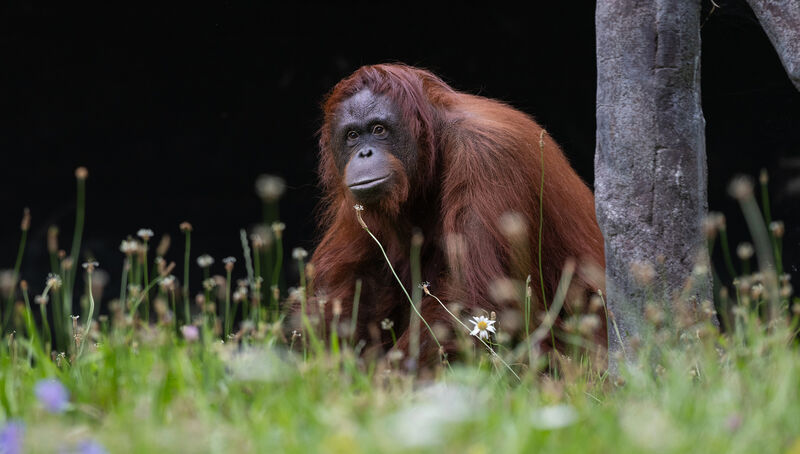 Siobhán Sweeney: ‘I remember when one of the orangutans had his finger out of the crate. For whatever reason, they were just exploring their environment.’ Picture: Patrick Bolger Photography
“When you put an animal in an aircraft, where they are going to be experiencing altitude and pressure changes, it’s important to be able to intervene if there are any adverse reactions.”
One of the most rewarding parts of the job for Siobhán is reuniting pets with their owners.
“Dogs and cats travelling to Australia have to start the veterinary process a minimum of six months before departure. It’s a six-month process to export an animal successfully to Australia,” she added.
“Much of the time, the people relocating will leave without their pets and have them stay with a family member or a friend before we ship them out to the owner. It could be a year before they see them again, but it really all depends.
I have nine dogs and a cat, so I understand the emotions that come with owning a pet
“However, I think there are a lot of people who don’t understand just how resilient animals are. We often attach human emotions to animals, which is completely misguided. Animals are not the same as us.
“It’s not like they are going to be awake at night, worried about being late for a flight. The reality is they cope better than us when faced with these pressures, and the journey is soon forgotten about.”