

THE name of this fine, upstanding Victorian Cork City home called Seefin is not entirely uncommon — there are heights, townlands, and elevated vantage points scattered around Ireland all carrying the same name, derived from Suí Finn, meaning Fionn’s seat.
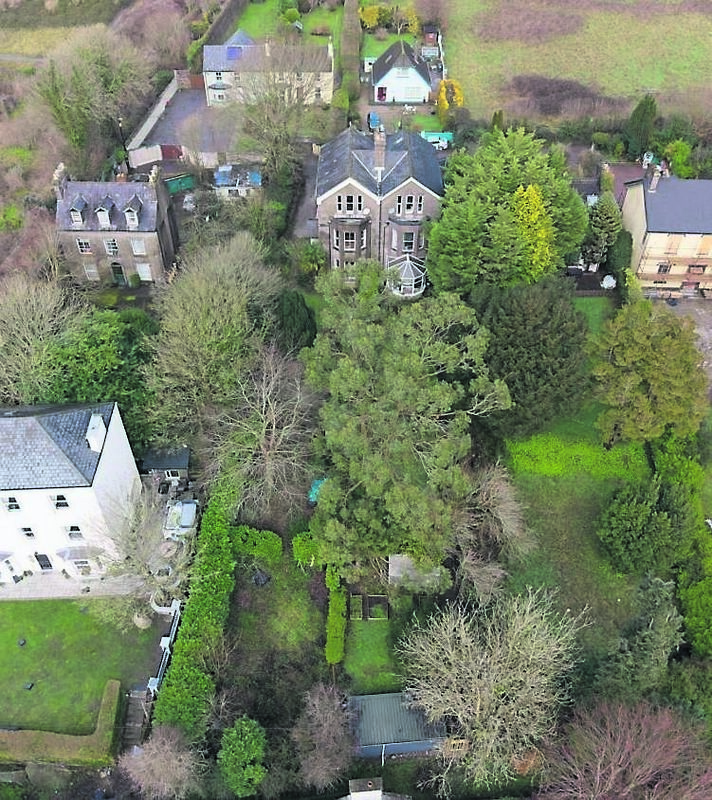
Referencing the hero of Irish legend Fionn mac Cumhaill and the Fianna, there are Seefins in Wicklow, with a neolithic passage tomb at its summit, in West Cork, Kerry, by the Limerick/Cork border in the Ballyhoura hills, in several other counties, and this distinctive Seefin in salubrious Sunday’s Well.
Set at the top of the vertiginously-steep Buxton Hill, the 1880s-built Seefin is one half of a tall Victorian pairing called Ardnaree — built at a time when the upper reaches of Sunday’s Well expanded from the original 18th-century strawberry beds to see villas, terraces, and paired duos built, with periods spanning Georgian and Victorian; styles ranging from the Gothic to the Italianate and with only a handful of contemporary interjections.
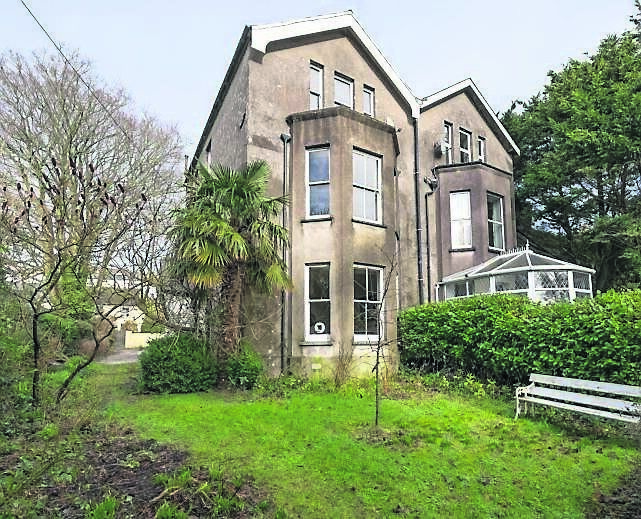
On its elevated, long, and narrow south-facing site, this Seefin touches quite a few bases, with true Victorian character and considerable retained authenticity. It has a crisp, contemporary kitchen/dining extension to the back/north — done about six years ago — to passive energy efficiency standards and replacing an earlier one.
A family home now for a number of years, the well-kept and well-respected Seefin comes to market this month, priced at €795,000 by Ann O’Mahony and Katie Fennessy of Sherry FitzGerald, who say the location is ideal, with off-street parking, and a garden that is “a private haven framed by mature hedging and trees”.
Ms Fennessy adds the sale arrival “offers the rare opportunity to enjoy Victorian character with a modern twist, while still allowing the new owner to put their own stamp on it.”
At just over 208sq m (2,200sq ft), it’s slightly larger than the nearby detached Ard Caoin Buxton Hill property which Sherry FitzGerald sold last year for its €760,000 AMV, with work now being done to that G-rated late 1800s-era house.
Curiously, for all the high regard Sunday’s Well can be held in by home hunters, the Price Register records 239 sales, with the address since 2010 showing just 13 sales over €700,000 thus far and almost half of that ‘baker’s dozen’ fetched over €1m.
One, Woodlawn, made over €2m in 2016, having sold in the Celtic Tiger era for over €5m, with extensive gardens and river frontage.
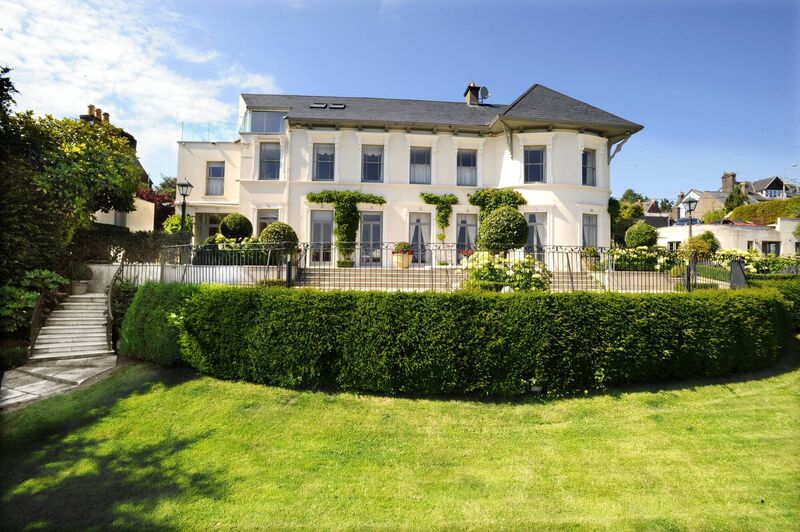 Woodlawn made more than €2m in 2016
The Price Register is due to show another water-fronting sale close to €2m, the iconic and substantially rebuilt Red House — which featured here extensively in 2025 via Sherry FitzGerald, who have another €1m-plus Sunday’s Well sale also set to appear on the register in coming months.
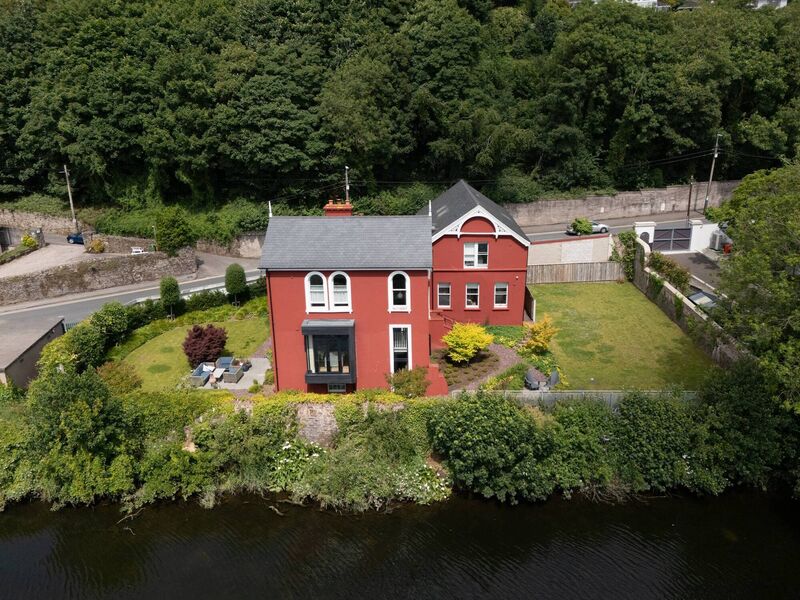 The Red House, at the bottom of Sunday;s Well, also sold for close to €2m
Seefin, Ardnaraee, looks set to join the surprisingly elite €700k-plus club too given its many attributes: Not least the architectural integrity; the up to five bedrooms; the walking distance to Cork city centre via the North Mall, the Mercy Hospital, Fitzgerald’s Park, and University College Cork.
Last year’s sale of Ard Caoin at €760,000 raised the price bar for Buxton Hill, and its end of cul de sac adjunct Upper Janemount. All of the other seven Buxton-addressed resales here are sub €500,000. It’s quite the attractive enclave, just east of the Good Shepherd Convent site, still awaiting redevelopment.
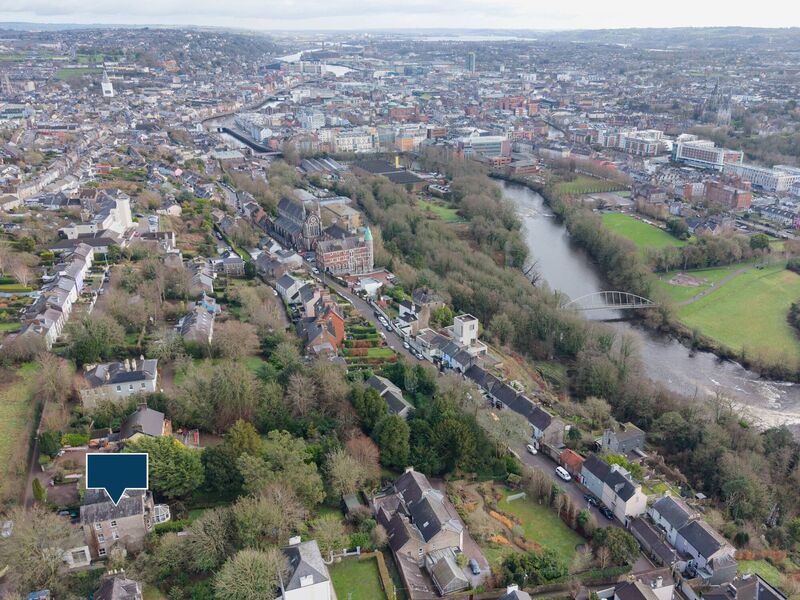
Seefin and its ‘other half’ in the semi-detached duo are listed in the National Inventory of Architectural Heritage, which dates them to the 1880s/1890s and describes them as “a fine pair of houses, located on an elevated site overlooking the city to the south”.
It notes there’s a slight asymmetry in their design “which utilises the narrow site to its best advantage” and notes that Seefin has more original surviving and significant fabric. It suggests that it “could be used as a template in the reinstatement of historic features for its neighbour in the future”.
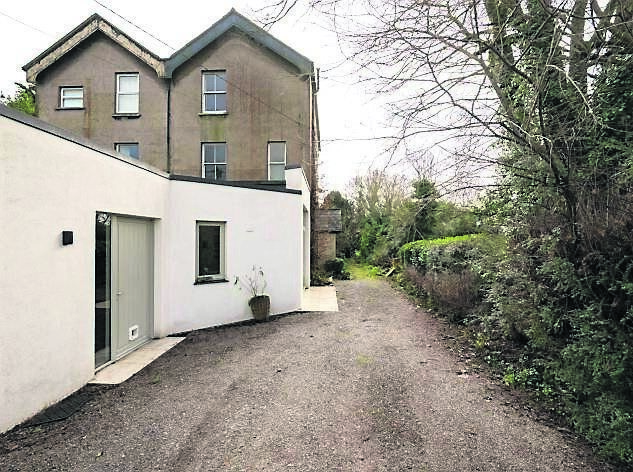
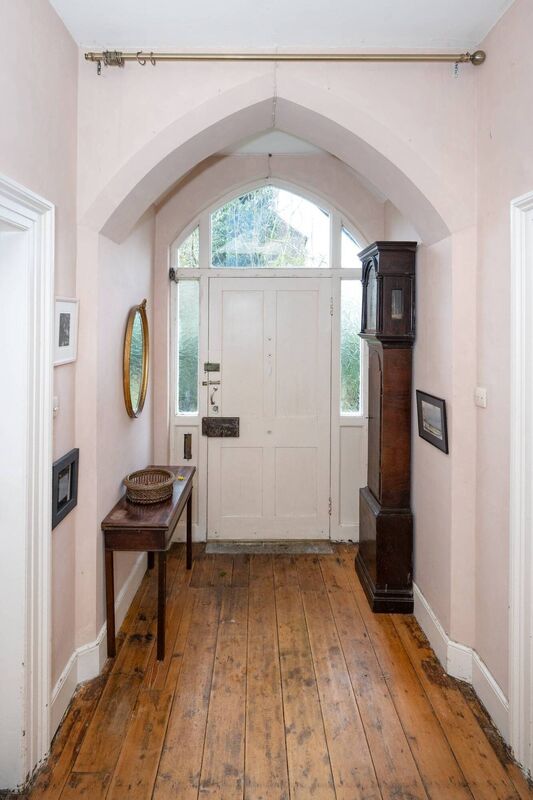
It picks out the two-storey ‘canted’ bay on the southern facade wooden sash windows — many with internal shutters — slate roof, timber bargeboards, and the embellishment of the ornate-carved fascia over the porch’s Tudor-shaped arch with chamfered reveals, limestone step with glazing to the side and above the timber door.
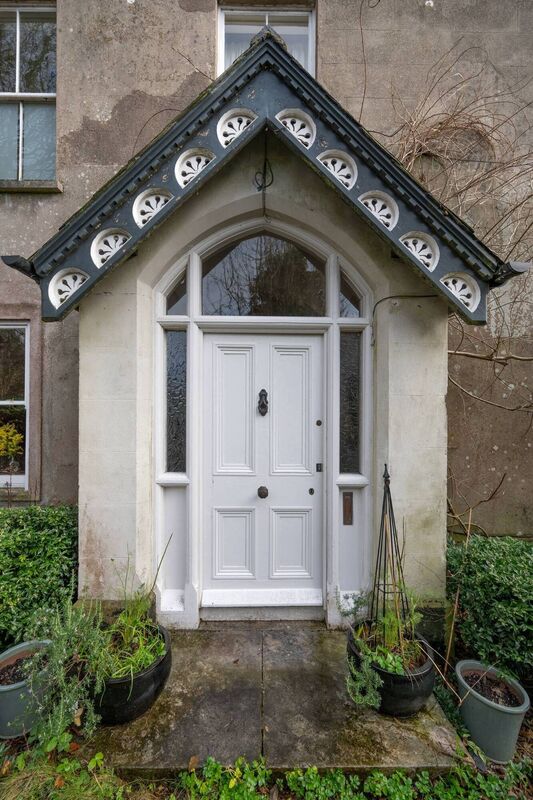
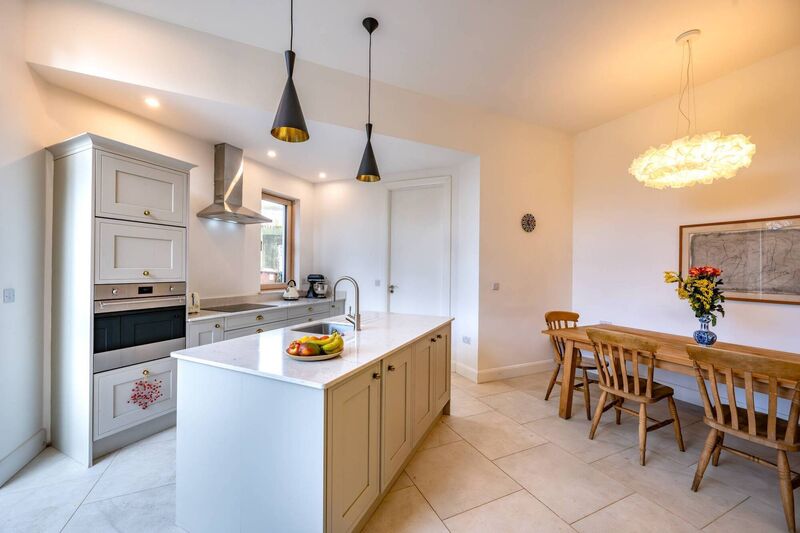
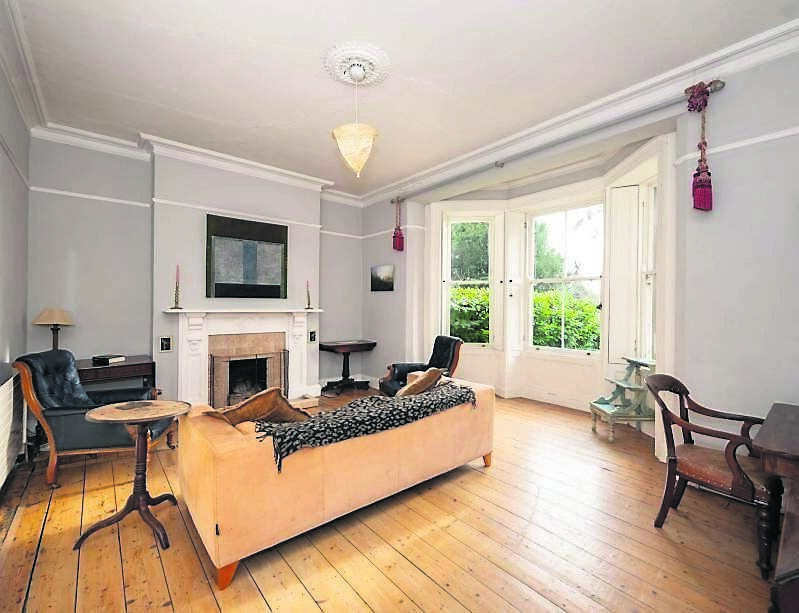
That attractive porch entrance is to the side/west of this home, opening to a straight hall with stairs at the end — while to the right is the front reception room with window bay, left is a sitting room which leads through slender-glazed French doors to the modern kitchen/diner extension, with utility and guest WC to the very rear.
This quite minimalist addition was done by Czech architect Eva Murphyova of Cork’s Imago Design Studio partnership; it has a wall with plain, shaker-style units set at an angle, with island also stone-topped with overhead lighting.
The large sliding door and glazing back here is triple glazed, and heating is underfoot, with decor a mix of crisp, clean, new and old, with pine stripped back — a nod to the fabric exposed elsewhere in the original house. A pretty old pine cabinet, with glazed doors — used for glasses and crockery etc — is painted a cheery yellow, working well with the stripped back modernity of its surrounds.
Elsewhere, the home has respect for details like original painted doors and handles, architraves, and stripped back original pine floor boards. There are typically high ceilings with centre roses and plaster detailing, sash windows — some two-over-two glazing (one pane in the main front bay has been fitted in a cat flap) and window shutters.
Both reception rooms have fireplaces: the more grand or ornate one is in the front room and is open. The one behind is stripped pine with some exposed plasterwork above, showing the home’s old brick and stone bones as a visual feature.
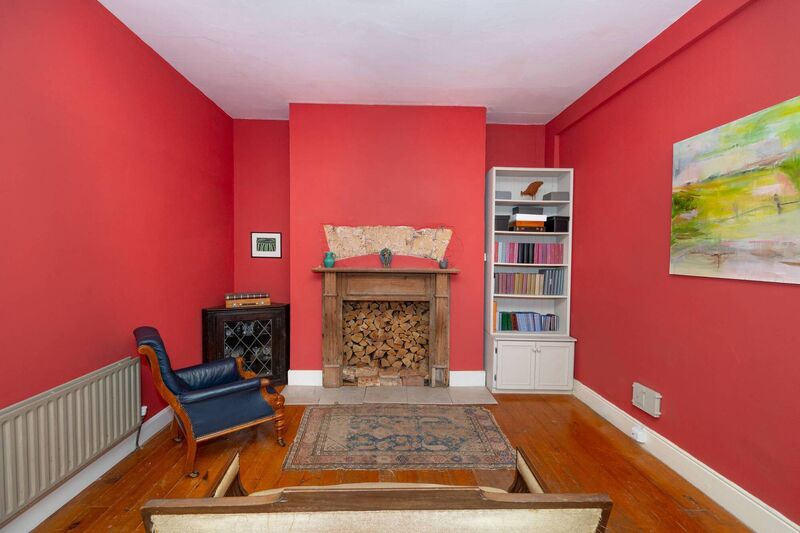
This is a non-functioning chimneypiece that is currently filled with stored chopped timber.
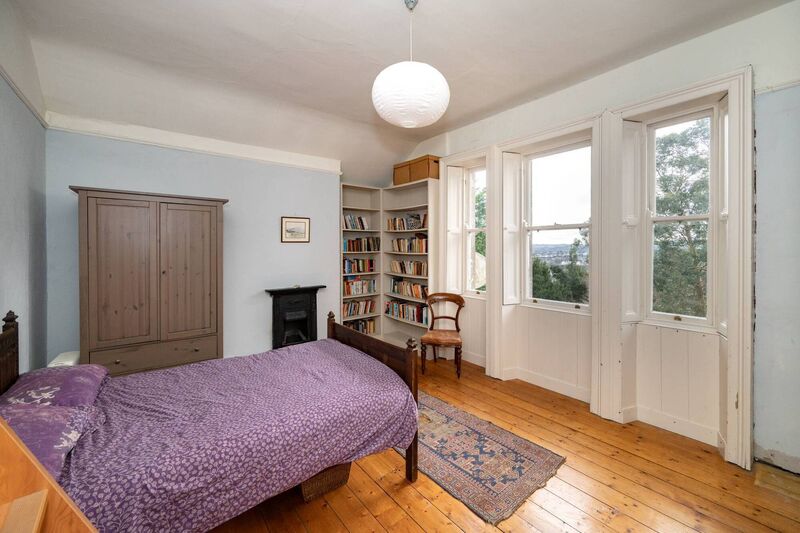
Upstairs, two of the four/five bedrooms have chimneypieces (there’s gas central heating throughout,) including in the top front bedroom, with many glazing panes and shutters. The main bedroom has a glorious deep bay and faces south for city views.
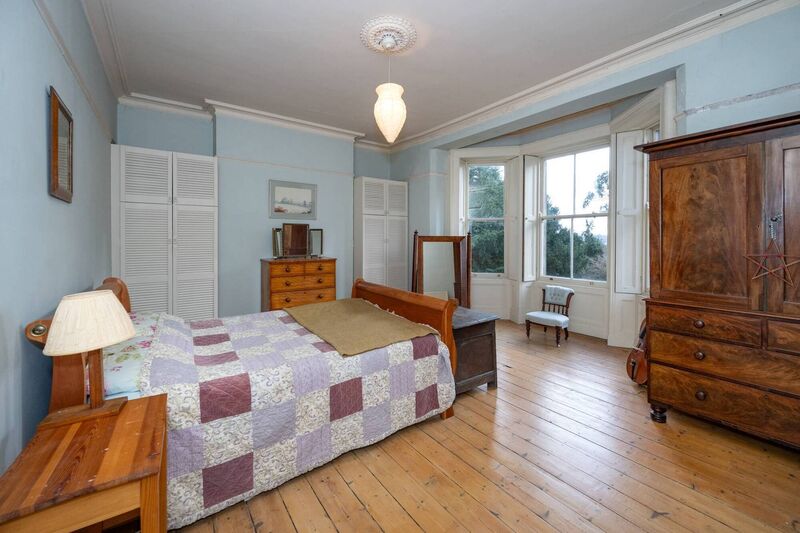
The mid level holds two bedrooms and the main family bathroom, recently upgraded, with separate shower and freestanding bath.
The top floor has three rooms, two used as bedrooms, one as a study.
VERDICT: Sunday’s Well was known in more historical times for the purity of water in a well, and Buxton above it for the freshness of the air. The name/address is said to derive from Buck stone, the little stone of the deer, with a name plaque unearthed bearing the name and the year 1760, long before Seefin, or Suí Finn, came to rest at its crown.