
The research, conducted in Wales, looked at the air pollution experienced by 53 primary schoolchildren across two schools in Anglesey. Each was equipped with air-pollution sensors on backpacks, which they would take to and from school.
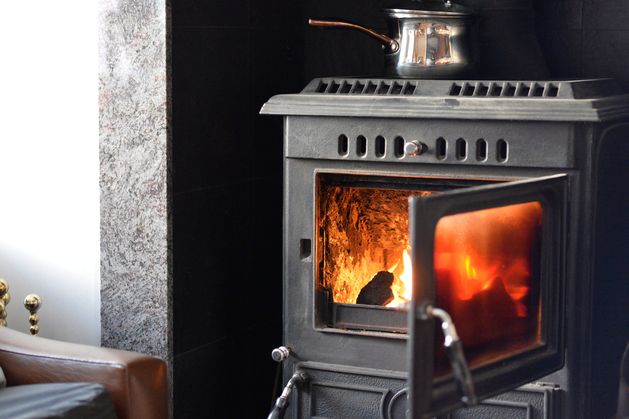
The study found that short peaks in particle pollution could be linked to home cooking and second-hand tobacco smoke. Meanwhile, longer exposures could be detected in homes heated with a fire or stove.
These persisted overnight in some cases, with pollution being detected in children’s bedrooms where fires remained lit or smouldering, and ventilation in the home was poor.
Researcher Dr Hanbin Zhang, from the University of Exeter, said: “One thing that stood out was the home environment. This was the largest contributor to children’s daily particle pollution exposure – more than school or commuting.
“This was mainly due to indoor sources such as wood burning and indoor smoking.”
The study looked at one school in Holyhead and another in a rural area for the study. They found, on average, that the children in the urban area experienced less particle pollution than those at the rural school.
Researchers say this pattern could be attributed to wood burning at home. This took place in 21pc of homes for the children in Holyhead, and for 53pc in the rural area. The study also took place in winter, which probably contributed to the marked difference.
The study is small, but the contrast was consistent
Study lead Professor Zhiwen Luo, from Cardiff University, said: “During home hours, the average particle pollution in non-smoking homes with wood burners was about 13 micrograms per cubic metre compared with 3.5 micrograms per cubic metre in non-smoking homes without wood burners.
“The study is small, but the contrast was consistent and supports the conclusion that wood burning can substantially increase indoor particle pollution.”
Other times at which some air pollution could be detected were while cooking was taking place, especially when the sensors were left close to the kitchen. Short pollution peaks were even seen when children walked past bakeries or restaurants on their school route.
The study notes that children are “particularly vulnerable” to air pollution, due to their less developed respiratory systems and higher inhalation rates to due lower body weight.
Short-term exposure to particulate matter can aggravate asthma and reduce lung function, researchers added, while long-term exposure is linked to impaired lung growth and asthma onset.
Last month, the UK government announced proposals to introduce stricter limits on smoke emissions for new wood-burning stoves, alongside warning labels.
In Ireland, regulations around wood burners were tightened significantly in 2022 under EU Ecodesign regulations, which limits gaseous emissions and require the fuel burnt, wood or coal, to meet specific moisture requirements. However, many think the rules should go further, with some proposing an outright ban on the burners.