
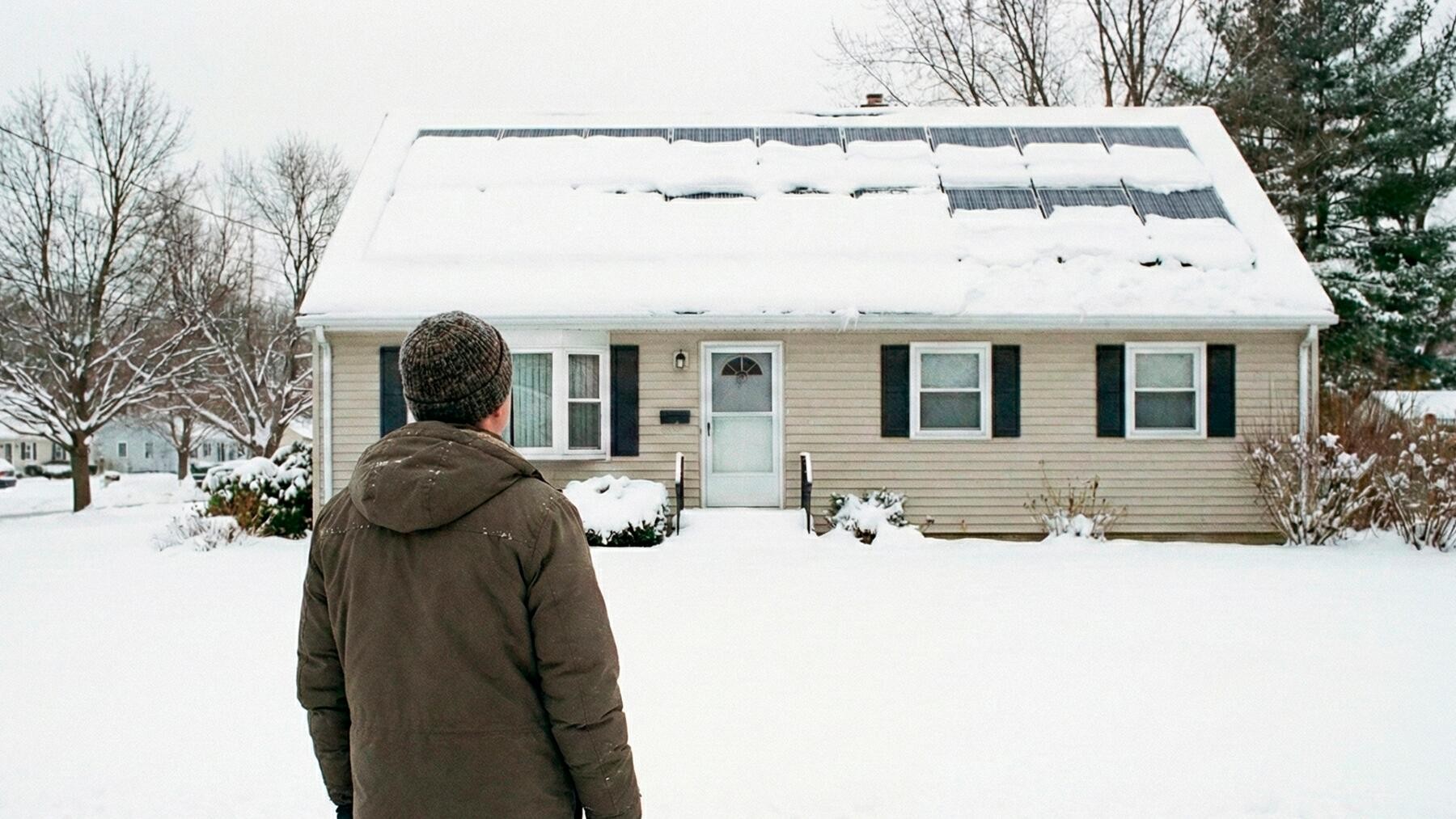
Winter always exposes weaknesses in household planning. As the temperature drops and daylight decreases, energy consumption increases rapidly, and so does the stress associated with receiving higher-than-expected utility bills every month. All components of the heating system run continuously (lights too), and the annual cost of energy becomes very high.
Solar energy has become a viable long-term alternative to rising energy costs over the last decade
For many homeowners, the winter months are the time when their assumptions regarding their ability to save money by being energy efficient are tested. Salesmen for solar companies typically advertise the benefits of year-round savings, energy independence, and protection from fluctuating utility prices. When presented as a “one-time” decision that will pay off for years to come, the sales pitch is especially appealing to homeowners who receive unpredictable utility bills.
Winter brings variables that the typical sales brochure never discusses
The variables include snow, cloud cover, shorter days, and peak hour billing, which all combine during the cold winter months. Although the quality of solar technology has greatly increased since its inception, it is still limited by the laws of physics and weather. When the expectation of what you were told about solar energy does not match the results, it often leads to disappointment, not savings.
This disconnect between expectation and reality is the same thing that TikTok user @michaelaashleey is trying to bring attention to. In a direct, extremely popular video on TikTok, she tells homeowners what she believes solar representatives do not inform them of. @Michaelaashleey is a TikTok creator focused on raising awareness of consumers’ rights to know how the real world affects their home energy costs, particularly in the winter months.
“Things the solar representative won’t tell you”
“Things the solar representative won’t tell you,” she begins, then lists her first point: “You will not get power when there’s snow on your panels.”
Snow can completely block sunlight and, therefore, completely shut down the energy generated from the solar panel(s) until the snow melts from the panels.
In addition to this point, she shares another reality of life with solar:
“You will not get power whenever the sun goes down at 4:00 p.m.”
Due to the decrease in daylight during winter, solar panels generate less energy per day. Homes without battery storage automatically revert to the utility company’s electrical supply during the evening peak hours, when rates are the highest. That’s when many homeowners begin to see their bills increase instead of decrease.
Her third point addresses a misconception that many homeowners make.
“If your house is heated by natural gas, you’re going to still get a bill for gas.”
Consumers’ assumptions around solar panels
Solar panels do not replace natural gas heating systems, natural gas appliances (e.g., stove, water heater), etc. Many homeowners assume that once they install solar panels, they will no longer have to worry about paying energy bills during the winter months, only to find that they are still responsible for separate utility bills throughout the winter.
According to @michaelaashleey, the error lies in thinking that solar energy itself will provide winter savings. Without battery storage, seasonal budgeting, and a complete explanation of what the homeowner can expect from their solar installation, homeowners may feel misled by the promise of solar energy when winter comes.
Her final comment is a combination of cautionary and practical advice: “If you ever want to discuss solar, please contact me first.” This represents a growing movement toward transparency in an industry based largely on optimism. Winter does not diminish the value of solar energy, but it certainly penalizes unrealistic expectations.
Disclaimer: The content of this guide is not intended to replace professional advice or official sources. It is for informational purposes only and should not be used to make economic or non-economic decisions.