
Introduction
Body image (BI) is a person’s perception of their physical appearance and the potential positive or negative thoughts about self-worth based on that perception []. The problems associated with this negative perception of BI can affect various levels of health, such as eating disorders, risky behaviors, and excessive dieting []. This generates a public health problem affecting diverse age and gender populations []. Among the various mental health problems, negative BI remains a major concern for young people, especially adolescent girls []. According to research, between 20% and 40% of adolescent girls experience severe body dissatisfaction, which often persists or worsens during adulthood [,]. However, this prevalence of negative BI can reach 35% to 81% in adolescent girls and 16% to 55% in adolescent boys in low- and middle-income countries [].
There is a strong correlation between BI and self-esteem. Adolescents and young adults frequently develop erroneous self-perceptions as a result of unrealistic physique ideals promoted by social media platforms []. According to research, excessive use of social media increases body dissatisfaction, promotes unfavorable comparisons, and lowers self-esteem []. This combination of low self-esteem and distorted BI increases the risk of developing eating disorders such as anorexia and bulimia nervosa []. Systematic reviews show that body dissatisfaction predicts the beginning of eating disorders and is linked to long-term mental health difficulties such as sadness and anxiety [].
Adolescents and young adults are among the most active social media users, with more than 90% reporting frequent use of at least one site such as Instagram, TikTok, or Snapchat (Snap Inc) []. Globally, social media users reach 60% of the population, with adolescents and young adults frequently having accounts on various platforms and switching between them depending on age, cultural influences, and geographic location []. These platforms are intentionally designed to increase user engagement with features such as tailored content feeds, targeted notifications, and tools for modifying and sharing multimedia material []. Highly visual social media (HVSM) platforms, such as Instagram and TikTok, have transformed the digital environment by emphasizing photos and videos, making visual appeal an important driver of user retention [,]. These systems’ algorithms continuously adjust content delivery to match user preferences, increasing interactivity and encouraging long-term engagement []. This dynamic produces a digital environment that captivates adolescents and young adults while also influencing their actions and beliefs, especially those connected to self-image and mental health [].
Though highly visually appealing social media (HVSM) platforms are designed to enhance user engagement and dependency, they also have great potential as tools for mental health screening and intervention among teenagers and young adults. Recent research shows how feasible and successful digital mental health interventions through social media (eg, including HVSM platforms) [-]. These types of interventions overcome the accessibility and affordability limitations of traditional mental health services []. They can be administered at scale, are cost-effective to implement, and are easy to train, improving access to mental health services for individuals, thereby reducing the workload of health personnel [].
Despite these developments, there are still important gaps in methodically summarizing treatments aimed at poor BI using HVSM. For example, little data exist on which particular platforms best handle BI issues and the special characteristics of interventions catered to these platforms []. Nevertheless, some alternatives use affordances of HVSM, such as specific algorithms, visual material, and interaction, to assess and minimize negative concerns about BI among adolescents and young adults. Nonetheless, further investigation is required to find best practices for using HVSM-based therapies, so that they are accessible, culturally relevant, and able to generate quantifiable changes in BI and general mental health [,], ultimately leading to the creation of creative and scalable solutions for urgent problems.
We aim to summarize evidence on the effectiveness of interventions that use HVSM platforms to tackle unhealthy BI in adolescents and young adults.
MethodsOverview
The systematic review was conducted according to the PRISMA (Preferred Reporting Items for Systematic Reviews and Meta-Analyses) and PRISMA-S (Preferred Reporting Items for Systematic Reviews and Meta-Analyses Search Extension) guidelines [-] ( and ). The study protocol was published in open access [].
Eligibility Criteria
Only studies included (1) adolescent and/or young adult populations (only groups with an age range from 13 to 35 years were included), (2) randomized clinical trials or quasi-experimental studies that evaluated BI interventions, (3) studies that fully or partially used social media as an intervention (eg, Facebook [Meta Platforms, Inc], Instagram [Meta Platforms, Inc], and TikTok [ByteDance Ltd)], or other interactive social media), and (4) studies that evaluated outcomes directly related to BI (eg, body dissatisfaction, body satisfaction, self-esteem, disordered eating, and appearance satisfaction). Studies that meet any of these criteria were excluded (1) studies that are not original journal articles (letters, book chapters, systematic reviews, and meta-analyses), (2) studies that cannot be considered interventions (eg, without pre or postevaluation and random assignment), or that are comparison conditions (eg, stimuli only), (3) studies that include a higher age range than established (eg, university students more than 35 years old at the time of the intervention), (4) studies that use social media to build the intervention, and (5) studies before 2012 (the first study that used social media as part of the intervention dates back to 2012) [].
Information Sources
The initial search was conducted during 2024 and the final search was conducted up to October 10, 2025. Five databases were consulted (Scopus, Embase, Web of Science, Medline, and PsycINFO) in their entirety (ie, only studies that are listed in the databases). Only the information published in the studies was taken into account. We examined MeSH (Medical Subject Headings) terms for relevance and frequency of potentially included studies. We used validated filters to locate adolescent-based and young adult–based HVSM interventions where appropriate (eg, title, keyword, or abstract). AC-L and JB-P conducted citation tracking of initially included studies included in Scopus, identifying previously excluded studies and some of the studies included in the final review. Throughout the search process, standardized terms (eg, MeSH for MEDLINE) and Boolean operators (AND, OR) were applied to ensure a replicable process for each database.
Search Strategy
The following search strategy was used, based on the literature on BI and social media interventions in adolescents and young adults. In addition, publication year filters were included (eg, pubyear >2011). We include search strategies on BI, Mahon and Seekis [], and adapt them to the needs of this study. The search strategies were peer reviewed by 2 team members (ACL and JBP) and an external expert (senior information specialist) prior to execution. All identified fields (eg, social media AND intervention) were unified to generate the search strategy. BI terms (appearance OR “body anxiety” OR “body attitude” OR “body attitudes” OR “body checking” OR “body concern*” OR “body esteem” OR “body evaluation” OR “body satisfaction” OR “body dissatisfaction” OR “body image” OR “body functionality” OR “body surveillance” OR “body shame” OR “body positive” OR “body positivity” OR “body acceptance” OR “body pride” OR “body preoccupation” OR “body awareness” OR “body anxiety” OR “body appreciation” OR “body neutrality” OR “physical self-perception” OR “physical self-perception” OR “physical self-concept” OR “physical self-concept” OR “shape concern” OR “shape concerns” OR “weight concern*” OR “shape satisfaction” OR “shape dissatisfaction” OR interocep* OR “weight dissatisfaction” OR “weight satisfaction” OR “body ideal*” OR “appearance ideal*” OR muscularity OR “thin ideal” OR “physical appearance” OR muscular* OR “social physique anxiety” OR “self-objectification” OR self-objectification OR “objectified body consciousness” OR thinness OR “cognitive restraint” OR “body identity” OR “body schema” OR “body representation*” OR “self-esteem” OR “eating disorders”), social media terms (internet OR “social media” OR “social network site*” OR instagram OR facebook OR “tik tok” OR “TikTok” OR twitter OR reddit OR telegram OR whapsapp OR weibo OR snapchat OR youtube OR pinterest), population terms (Child* OR adolescent* OR young OR youth OR teen* OR college OR universit* OR “Young Adult*”) randomized controlled trial (RCT) and quasi-experimental terms (intervention* OR “controlled trial” OR “clinical trial” OR “major clinical trial” OR “quasi-experimental” OR “quasi experimental”).
We limited the results to studies from 2012 onward, as this year saw the proliferation of large-scale studies on social media (eg, Facebook, Instagram, TikTok, or other HVSMs) []. The search strategy for each database is in Zenodo [] or refer to .
Selection Process and Data Collection
After eliminating duplicates, 2 researchers (ACL and JBP) independently assessed the titles and abstracts of all articles based on established criteria using Rayyan software (Qatar Computing Research Institute) []. We removed results that did not provide sufficient information from the full-text review. We repeated this process for the full-text phase. Data were extracted using a digital form predesigned by the research team. The form contains information on (1) general characteristics of the studies: first author, journal, country, study design (eg, RCT and quasi-experimental), participants or target population (); (2) social media: social media components and features used for the intervention or evaluation; (3) interventions: type of intervention, level of intervention (eg, country and hospital), duration of intervention, methodological details (eg, details of the design for the effectiveness evaluation, sample size, and instruments), effectiveness estimate and/or its estimation (eg, mean difference); and (4) assessment tools: construct or object to be assessed (eg, image, video, chatbot, or others), self-reports used one or more dimensions [,] (scales or inventories; ).
Table 1. Description of intervention characteristics and highly visual social media platform features in 8 studies [,,-] to improve body image.aAuthor (year)CountryBody image outcomesSocial media platformAffordancesDurationDelivered byIntervention descriptionSampson et al [] (2020)United KingdomBody and facial dissatisfactionInstagramPhotos2 weeksResearchersThey explored the assigned images on specific individual devices (eg, iPads), comparing the viewing of idealized content (eg, attractive smiles) and neutral images in Instagram users for 5 minutes.Seekis et al [] (2020)AustraliaBody dissatisfaction, drive for thinness, body appreciation, and self-compassionFacebookFacebook group2 weeksResearchers: workshop and Facebook group moderatorAttendance at 50-minute in-person workshops (6 workshops) held for 2 days, with an average of 12 participants each. These workshops are based on 6 strategies from the Mindful Self-Compassion manual, delivered as psychoeducation on self-compassion for body image. In addition, discussions are held in a private Facebook group (3 times per 2 weeks) to share experiences and apply what was learned in the workshop.Fioravanti et al [] (2023)ItalyBody satisfaction, appearance comparisonInstagramImages28 daysResearchersResearchers created Instagram profiles based on “body positivity,” “encompassing fitspiration,” and “neutral content” images, creating images for each profile type (approximately 112 images). Participants were randomly assigned to each group to follow their respective profiles. Content was delivered daily (1 post + 3 Instagram stories) for 28 days. In addition, participants received 2 messages per day asking questions about the content they received on Instagram.Garbett et al [] (2023)IndonesiaBody satisfaction, attitudes toward appearanceFacebook and InstagramVideo30 minutesSelf-guidedSelf-guided web-based activities on 6 sequential videos (~ 5 minutes each) on body image issues related to Indonesian youth, complemented by social media activities.Pilot et al [] (2023)United StatesBody dissatisfactionInstagramImagesNot clearResearchersProgressive viewing of 20 pairs of fitspiration images on Instagram contrasted with reading and generating a list of 12 personal values and identifying the most important value.Lewis-Smith et al [] (2023)United StatesBody satisfaction, acceptance of appearance diversity and appearance-related internalized racismYouTubeVideo5 minutesResearchersA theoretically grounded microintervention in the form of a dramatic miniseries (first episode only) aimed at improving body satisfaction, internalized appearance-related racism, and acceptance of appearance diversity (specifically, acceptance of larger-bodied people of Black people) among Black and non-Black adolescents (American Indian and Alaska Native, Asian, Native Hawaiian and Other Pacific Islands or White) in the United States.Matheson et al [] (2023)BrazilBody satisfaction, positive and negative affectFacebookChatbot3 daysAvatarA chatbot operated through Facebook Messenger that provided microinterventions for improving body image and mental well-being based on psychoeducational techniques, interactive activities, and coping strategies.Fardouly et al [] (2023)AustraliaBody dissatisfaction and appreciation, self-objectification, appearance comparison tendency, and body activismFacebookFacebook group14 daysSocial mediaMicrointervention created in private Facebook groups was based on the exposure of body-positive content. Two different conditions were administered (positive and neutral body awareness). Participants were dosed with posts of content relevant to each condition for 14 consecutive days (3 times a day).
aAffordances = set of tools, characteristics, and options of social media platforms for interaction, creation, management, and sharing between users (eg, photos, private or open groups, text, video, etc).
Table 2. Essential characteristics and key findings from randomized controlled trials on the effectiveness of social media interventions to improve body imagea.Author (year)Sample sizeAgeStudy designFollow-upComparison groupBody images measuresKey findingsDid the intervention achieve its goals?Sampson et al [] (2020)132Mean 20.50 (2.21), range 18-30 yearsRandomized controlled trialN/AbYes, images of neutral natureBSSc; FSSd; SACSe; SDIfExposure to “ideal” facial images on social media decreases facial satisfaction (P<.001).PartiallySeekis et al [] (2020)76Mean 18.04 (0.90), range 17-21 yearsCluster randomized trial1-3 monthsYes, waitlistSubscale EDIg; SAASh; UPACSi; BAS-2j; SCS-SFkThe combined strategy (workshop + Facebook group) based on self-compassion reduced body dissatisfaction (β=–.74; P<.001).YesGarbett et al [] (2023)1847Intervention mean 16.94 (SD 1.40) years; control: mean 17 (SD 1.41), range 15-19 yearsRandomized controlled trial1 monthYes, waitlistBESAAl; SATAQ-3m; PANAS-CnWarna-Warni Waktu is an effective eHealth intervention to reduce body dissatisfaction among adolescent girls and young women (P=.005, η2p=0.05).YesLewis-Smith et al [] (2023)686Mean 15.72 (SD 1.60), range 13-18 yearsParallel randomized controlled trialN/AYes, non–body image–related videoVASo; subscale IROSpNo changes in body satisfaction were observed. The changes identified were only in conditions of racism and acceptance of diversity (P<.001; Cohen d>0.17).NoMatheson et al [] (2023)1715Range 13-18 years (52.54% girls)Randomized controlled trial1 week; 1 monthYes, assessment-only controlBESAA; PANAS; BISESqBody self-esteem identified improvements in positive (Cohen d=0.13; P=.02) and negative (Cohen d=0.11; P=.047) appearance.YesFardouly et al [] (2023)159Mean 20.92 (SD 2.21), 18-25 yearsParallel randomized controlled trial4 weeksYes, assessment-only controlSubscale EDI; BAS-2; PANAS-SFr; SOBBSs; PACSt; SAMu modifiedBody dissatisfaction was reduced in the body positive Facebook group condition (P=.03; ηp2=0.05) with small effect.YesPilot et al [] (2023)238Mean 19.89 (SD 1.25), 18-22 yearsRandomized controlled trialN/AYes, travel imagesSubscale EDEQv; WREQw; VASThe intervention based on Values Affirmation + Fitspiration does not show significant changes in body image (P=.73) or in negative mood (P=.60) compared to the control.No
aRelevant results for BI = The information was assessed by the team as “no” (no favorable results for body image), “partially” (favorable results for some body image outcomes), and “yes” (favorable results for body image outcomes).
bN/A: not applicable.
cBSS: Body Satisfaction Scale.
dFSS: Facial Satisfaction Scale.
eSACS: State Appearance Comparison Scale.
fSDI: Self-Discrepancy Index.
gEDI-3: Eating Disorder Inventory.
hSAAS: Social Appearance Anxiety Scale.
iUPACS: Upward Physical Appearance Comparison Scale.
jBAS-2: Body Appreciation Scale-2.
kSCS-SF: Self-Compassion Scale–Short-Form.
lBESAA: Body Esteem Scale for Adolescents and Adults.
mSATAQ-3 Sociocultural Attitudes Towards Appearance Questionnaire.
nPANAS-C: Positive and Negative Affect Schedule for Children.
oVAS: Visual Analogue Scales.
pIROS: Internalized Racial Oppression Scale (Alteration of Physical Appearance and Hair Change subscales).
qBISES: Body Image Self-Efficacy Scale.
rPANAS-SF: Positive and Negative Affect Scale-Short Form.
sSOBBS: Self-Objectification Beliefs and Behaviors Scale.
tPACS: Physical Appearance Comparison Scale.
uSAM: modified version of the social activism measure.
vEDEQ: Eating Disorder Examination Questionnaire (weight or shape subscales).
wWREQ: Weight-related eating questionnaire.
Risk of Bias
Methodological quality was assessed using the Risk of Bias Tool (RoB 2; Cochrane Collaboration) established by the Cochrane System of Interventions Assessment Handbook []. This tool evaluates 5 domains: the randomization process, deviations from planned interventions, missing data, outcome measurement, and selection of reported outcomes. We classified the judgment rating for each domain as “yes,” “probably yes,” “no,” “probably no,” and “unreported.” Furthermore, the combination of the 5 domains provides an overall score that classifies the risk as “low,” “high,” or “some concerns.” Two reviewers (AC-L and JB-P) conducted independent assessments of the studies included in this paper. We resolved any disagreements through discussions with a third reviewer (JCB-A).
Synthesis Methods
The information was systematically synthesized into tables containing descriptive information on the selected results. Tables were generated for the descriptive results and separated by specific design type (eg, RCT or quasi-experimental). Figures were generated based on the specific characteristics of the included studies and the methodological quality assessment by domain and overall (risk of bias). The information was grouped taking into account 4 intervention conditions that use social media as microinterventions, stimulus comparison, combined interventions, and self-guided videos. A narrative synthesis was chosen due to two critical conditions that prevented a meta-analysis: (1) the wide heterogeneity previously identified in the studies such as the different populations (eg, adolescents, young adults, or both), social media platforms (Facebook, Instagram, YouTube, or combined), affordances (ie, photos, images, videos, Facebook groups, post or chatbots), duration of interventions (eg, 5 minutes, 3 days, and up to 14 days) and follow-up (1 week to 1 month) and (2) the small number of studies included (k=3) per condition assessed (eg, body satisfaction or dissatisfaction) would not allow a subgroup analysis to understand the possible source of heterogeneity that could affect clinical decision-making as mentioned in the Cochrane guide [].
Ethical Considerations
The research ethics committee from Universidad Cesar Vallejo, with a code of 100-CEI-EPM-UCV-2022, reviewed and approved this study. No additional permissions were required as the data were based on articles published in different databases accessible to the authors (AC-L, JB-P, and JCB-A).
ResultsStudy Selection
A total of 2571 references were identified across all databases reviewed in the literature search. After identifying duplicates, 1761 articles were retained for review by title and abstract. Sixty-one full-text articles were included. Of these 61 articles, 53 were excluded, the following exclusion characteristics were outside the age range (3/53, 5.7%) were not an intervention (4/53, 7.5%), did not use social media (4/53, 7.5%) did not have RCTs or quasi-experimental (40/53, 75.5%) and the outcome was not related to BI (2/53, 3.8%) leaving 8 articles for this review ().
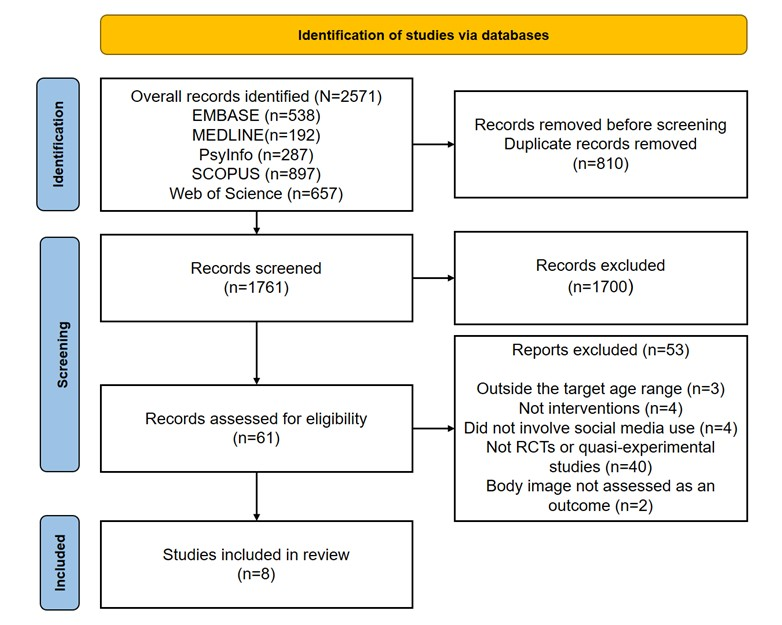 Figure 1. PRISMA (Preferred Reporting Items for Systematic Review and Meta-Analysis) flow diagram describing the literature review process. RCT: randomized controlled trial. Descriptive Characteristics of the Studies
shows an overview of the studies identified by social media year, country, and social media use. All identified studies were published between 2020 and 2023, with a majority based in the American Continent (Brazil and the United States). The majority of studies were conducted on female participants (6/8, 75%), and only 2 studies were conducted for mixed-gender groups [,]. The main platform for intervention (partial or total) was Facebook (4/8, 50%). The intervention duration ranged from 5 minutes to 28 days, and in most cases, the intervention was delivered by the researchers (6/8, 75%). The characteristics of the identified interventions were microinterventions to improve body satisfaction (n=3) [,,], combined interventions (workshop + online group; n=1) [], stimulus-based interventions with the presentation of socially “ideal” and “attractive” images (n=3) [,,], and a self-guided model based on sequential videos to combat appearance-related pressures (n=1) [].
Characteristics of the Interventions
The total number of study participants across all studies was 4975 (approximately 17.7% boys [,] and 0.3% others []) with a sample size range from 76 to 1847 participants per study. The age range of participants was 13 to 30 years. There were 7 RCTs and 1 quasi-experimental study. Furthermore, 50% (4/8) of the studies included follow-up, ranging from 1 week to 3 months [,,,]. Control group conditions varied, including placebo (3/8, 42.8%) [,,], waitlist (2/8, 28.6%) [,], and assessment-only control (2/8, 28.6%) [,] (; ). The instruments to assess BI were very diverse, including the visual analogical scale (n=3) [-], positive or negative affect (n=2) [,], and subscales of the eating disorders inventory (n=3) [,,] (Table S1 in ) [,,-].
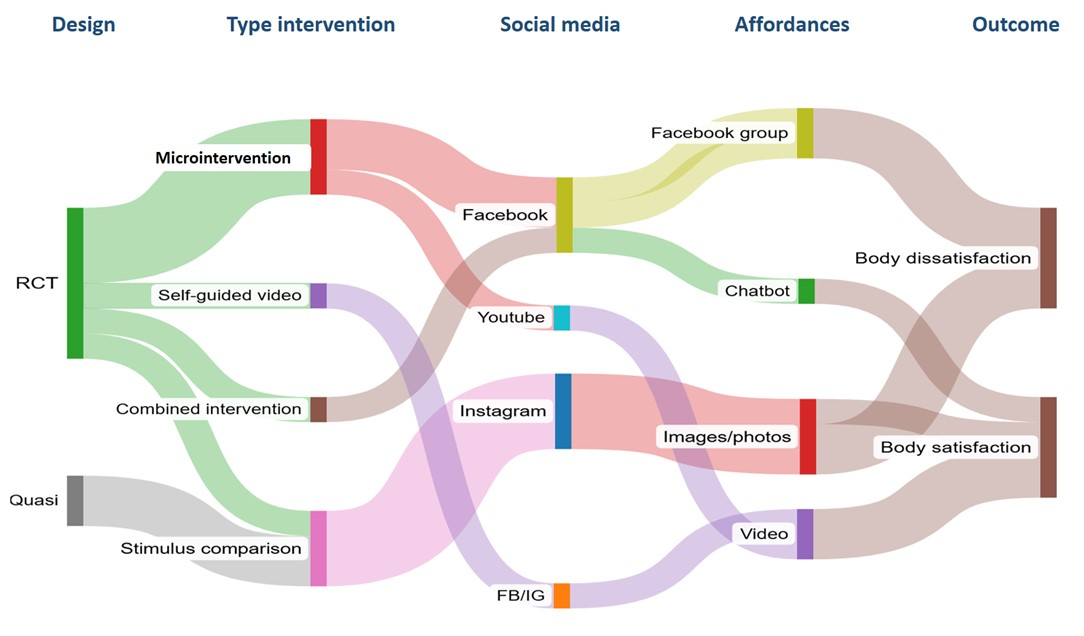 Figure 2. Graphical summary of the main characteristics and outcomes identified. The Effectiveness of Microintervention for Improving BI
Microinterventions, due to their ease of administration (ie, single or multiple), can generate an effective and positive sequence on the immediate impact of specific symptoms (eg, body satisfaction or dissatisfaction) []. The effectiveness of these interventions for improving BI is centered on reducing body comparison, developing strategies to mitigate criticism of media beauty standards, and cognitive reevaluation of body-related thoughts [,]. These types of interventions show positive effects when using gamified and interactive self-guided models or edutainment strategies for healthy behavior change [,]. Three studies included microinterventions to improve body satisfaction and/or dissatisfaction [,,]. They offered easily understandable content to adolescents and young adults on a single occasion or over a specific period, the latter usually daily, with different degrees of success. For example, African American girls did not show any improvement in body satisfaction after watching content on social media for comparison and pressure in a drama miniseries format (P=.11) []. In another study, gamified chatbot-based models did improve the body self-esteem of boys and girls, although with a small effect size (P<.02) []. A third study exposed adolescents and young adults to body-positive content on Facebook in different presentations (eg, access to nonidealized social beauty content presented in photos, images, external links, or access to other social media) in specific Facebook groups, resulting in reduced body dissatisfaction (P=.03) and reduced tendency to compare appearance (P<.01) [].
The Effectiveness of Comparative Stimulus Interventions
Three studies assessed how specific social media features (eg, posting photos or images) can change some aspects of BI in adolescents and young adult women [,,]. Exposure to idealized images (eg, attractive smiles of Instagram users) was found to reduce facial satisfaction (P<.01) []. In another study, creating profiles on social media platforms (eg, Instagram) with body-positive content increased positive mood and body satisfaction (ie, with the neutral image group) []. Strategies based on identifying self-affirming values (ie, selecting and reflecting on the most important value presented in the intervention) did not produce significant changes in BI and mood (P>.60) [].
The Effectiveness of a Combined Intervention
One study combined a workshop with group interactions on Facebook []. The brief workshop was focused on self-compassion competencies. Then, workshop participants shared previous workshop experiences and learnings in a private Facebook group. The evaluation showed a favorable reduction in body dissatisfaction (P<.01).
The Effectiveness of Self-Guided Video Activities
One study used a self-guided educational model consisting of short, sequential videos. These videos were shared on social media (Facebook or Instagram) to explore BI risk factors among young Indonesian women []. These activities were effective in reducing body dissatisfaction in girls and young women (P<.01), although with a small effect size (η2=0.05).
Efficacy of HVSM Interventions Comparison Between Adolescents and Young Adults
The studies targeting adolescents were mostly conducted in the Americas (ie, the United States or Brazil) with a variety of HVSM administration (eg, Facebook, Instagram, YouTube, or a combination of both HVSM) [,]. Overall, the time of the interventions in the adolescent group was shorter (ie, from 5 minutes to 3 days) compared to young adults (14 to 28 days) [,,-]. Only the adolescent group used video and chatbot interventions. Two of the 3 interventions for adolescents did improve BI, with small effects for reducing body dissatisfaction or improving body self-esteem (Cohen d=0.13) [,], while the interventions that achieved positive effects on BI in young adults focused on reducing body dissatisfaction.
Risk of Bias
A summary of the risk of bias assessment of the RCT studies is visible in . Three studies did not report enough details on randomization [,,,], leading to internal validity uncertainty. One study raised concerns about bias resulting from potential overestimated intervention effects [,]. All studies presented low risk in terms of missing data, outcome measurement validity, and outcome selection [,,,,,,].
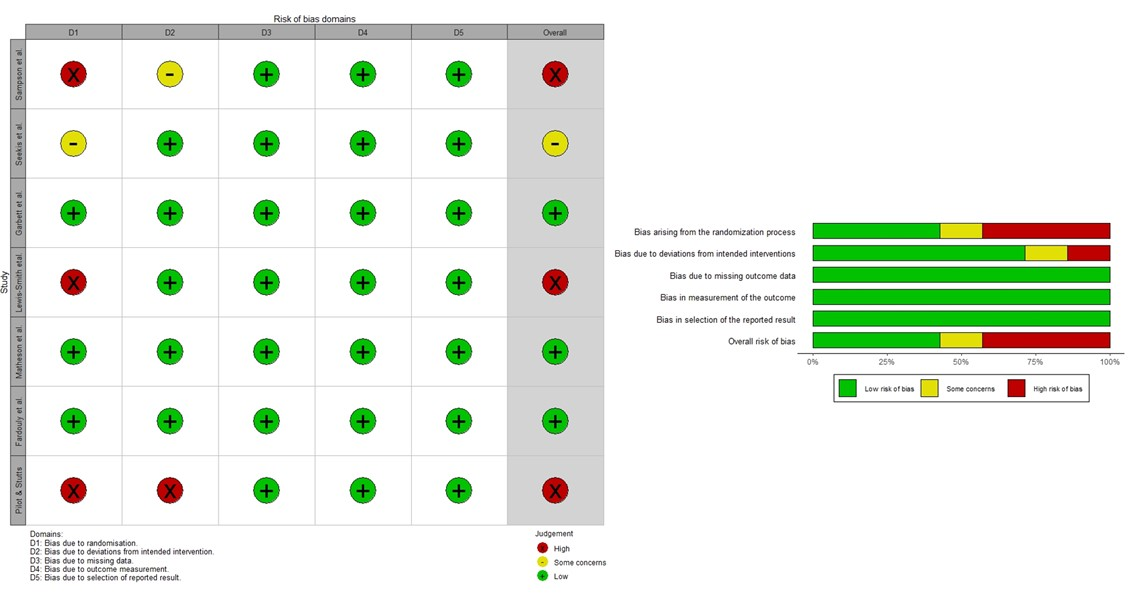 Figure 3. Risk of bias graph for randomized controlled trials.
DiscussionPrincipal Findings
This is the first systematic review of interventions that use HVSM platforms to tackle unhealthy BI in adolescents and young adults. While the number of available studies remains limited, the data suggest that these interventions—despite their variability—can support modest improvements in body-related outcomes. We classified these programs into 4 types: microinterventions, interventions based on comparative stimulus, combined interventions, and self-guided video activities. All intervention types showed improvements in BI, albeit with small effect sizes. Some risk of bias was detected, particularly a lack of randomization in half of the studies, which can compromise the validity of intervention effect estimates. Overall, the studies identified in the systematic review addressed both the increase in body satisfaction and the reduction in dissatisfaction.
Microinterventions can be effective under certain conditions, such as clarity in the actions directed to the target audience (eg, formative or interventionist), a combination of specific strategies (ie, how and when to implement the actions), including interactive strategies (eg, completing activities). Chatbot-based microintervention techniques (eg, social media content management, cognitive-behavioral models, and psychoeducational techniques) showed positive effects on body satisfaction []. Microinterventions using gamification for BI may be advantageous due to their narrow applicability (ie, even up to a single session), short duration (eg, videos less than 5 minutes long), and greater specificity (eg, adolescents in specific age ranges) [,]. Brief experiences followed by quick feedback—typical in social media—can produce rewarding experiences that promote engagement and adherence [,]. Similarly, microinterventions using a sequenced dosage of body-positive content (eg, photo posts, image posts, and links) in social media groups (eg, Facebook groups) were also beneficial in improving body satisfaction []. Thus, repeated and sequenced exposure to content that promotes body acceptance or is aesthetically neutral on a daily basis (eg, ~2 weeks and at least once a day) could reduce the internalization of beauty ideals and improve BI, acceptance, and body diversity by counteracting the effect of feeds of idealized images [].
Exposure to positive content on social media could increase cognitive flexibility regarding the internalization of socially acceptable beauty standards []. Even viewing neutral content (eg, travel, landscapes, art, etc) can motivate young women to decentralize their BI (ie, interests beyond appearance) [].
However, a microintervention based solely on a single online dramatization episode did not reduce body dissatisfaction []. This may be due to the indirect and unrealistic narrative (ie, presented in a single short video) of body dissatisfaction-related messages, as opposed to strategies based on successive videos (eg, miniseries or sequential videos) that can provide feedback on specific and direct topics []. The lack of human interaction may decrease the appeal of these interventions, especially for adolescents and young adults [,]. Likewise, having main characters that resemble thin-ideal standards (eg, in online series produced for an intervention) may encourage internalized appearance comparison, generating the indirect effect of body dissatisfaction [].
Comparison stimuli based on positive images or photographs (eg, more realistic bodies) or neutral content (eg, nature, landscapes, or trips) can reduce the effects of body dissatisfaction [,,]. Exposure to positive visual content can significantly reduce the evaluative determinants of body dissatisfaction (eg, increased stress and decreased subjective well-being) []. Neutral content (ie, related to nature) can generate subjective benefits through the sensation and appreciation of a healthy body [,]. However, images with thinness standards or fitspiration have been shown to increase thoughts directed toward social comparison with people subjectively perceived as superior (eg, artists, actors, influencers, or other stereotypes), increasing body dissatisfaction [].
Exposure to sequential educational series (ie, more than one chapter) that included interactive activities (eg, completing a comic or identifying the message of a specific episode) reduced body dissatisfaction []. The use of entertainment series (eg, drama series designed with educational content) may have a positive effect on attitude change []. Thus, the familiarity that the characters can generate and the interaction with the quality of the storyline (ie, the anticipatory effect) play a crucial role in the incorporation of the desired messages about thought control and the elimination of personal comparisons that promote risk factors in body dissatisfaction [].
The use of Facebook groups in combination with self-compassion workshops shows favorable results in reducing body dissatisfaction []. Combined strategies of conscious self-compassion through healthy self-talk, positive changes in self-worth, and physical warmth foster tolerance of one’s own physical appearance [,]. Added to the online component (eg, Facebook group), they can reduce appearance comparison ideals and body concerns. A combined intervention that includes active participation in Facebook groups (eg, reading others’ experiences and compassionate writing) may increase the benefits of joint feedback and how this can help recognize negative emotions related to corporality [,].
Despite the variability of the interventions, they share common elements such as (1) repeated dose and sequence (eg, microinterventions), (2) specific conceptual focus, that is, they must be centered on outcomes close to BI, and (3) adaptable, with plausible and culturally clear messages about body acceptance. Exposure to positive images on social media (eg, inspirational images that do not conform to hegemonic beauty standards) can foster self-improvement motives related to body satisfaction [,]. Furthermore, self-compassionate writing as a core component in interventions using private social media (eg, Facebook) can enhance interventions or workshops aimed at reducing body-related concerns [,]. Sequenced videos (eg, entertainment-education) primarily rely on psychoeducational components (eg, appearance-based comparisons) and elements of cognitive behavioral therapy, such as cognitive dissonance (ie, redirecting thoughts about physical changes), combined with interactive models that can generate motivation and adherence [,].
Our review identified differential effectiveness in BI interventions that align with the activities and needs of adolescents and young adults groups with a majority of women. In adolescent populations, interactive resources (eg, videos or game strategies) that incorporate cognitive-behavioral and coping components can help manage external validation, regulate feelings of BI self-worth, and address peer influence [,]. In contrast, young adults respond effectively to positive visual content (ie, photos, posts, or links), generating positive upward comparison (ie, motivation for self-improvement) []. Furthermore, the use of private groups can facilitate self-compassionate feedback to reduce preoccupation with rigid beauty ideals []. This suggests the need to develop differentiated strategies for both channels and content to optimize the effectiveness of interventions.
Overall, there is a methodological limitation in half of the studies, which may be considered unreliable results. Specifically, the studies by Sampson et al [], Seekis et al [], Pilot and Stutts [], and Lewis-Smith et al [] presented some risk of bias due to a lack of randomization and 2 studies also included issues regarding deviations from planned interventions [,]. Regardless of the intervention resource administered in HVSM, selection bias (D1) could exist, generating differences in potentially important prognostic characteristics (eg, related to baseline BI) [,]. This lack of comparability to overestimate the potential effects (eg, in a combined intervention workshop + Facebook group) means that the observed benefits could be attributed to the pre-existing characteristics of the participants, rather than the intervention itself []. Additionally, implementation bias (D2) could introduce further biases, such as potential contamination of the control group (eg, in interventions using HVSM), thus reducing the actual effects of the intervention group []. Despite this, another group of studies achieved a low risk of bias and identified high feasibility and acceptability with favorable results for HVSM interventions in different age groups (eg, adolescents and young adults) and intervention formats (ie, video, chat, and visual content) [,,]. This suggests that platforms such as Facebook and Instagram (or others) could be useful for improving BI once the methodological limitations identified in this study are overcome, potentially providing a strong rationale for future interventions.
While other reviews have explored various digital interventions (eg, apps or websites), this research is innovative because it focuses exclusively on social media as a core component of interventions to improve BI. To our knowledge, this is the first review to synthesize evidence specifically on social media–based interventions for BI disturbance (rather than broader digital or eHealth approaches), thereby expanding our understanding of the potential use of social media as an intervention delivery channel and active therapeutic ingredient. This review extends prior work by moving beyond platform descriptions to examine how interventions operate, identifying putative mechanisms of action used regardless of platform (eg, social comparison, cognitive dissonance, self-compassion, and behavioral modeling) and the intervention format used (eg, video-based content, stimulus comparison, and microinterventions). The contributions to the field include evidence suggesting that brief interventions can still be effective and the potential for large-scale reach and scalability. Although studies of social media–based interventions remain limited, our findings highlight clear targets for optimization that future intervention developers can incorporate. In real-world terms, social media–based tools could be embedded within platforms or delivered alongside routine social media use to help prevent or reduce symptoms of BI disturbance and counterbalance exposure to unhealthy beauty standards among groups at higher risk, including adolescents [,]. Realizing this potential may require platform-level design changes, clearer safeguarding standards, and supportive policy and regulatory frameworks, alongside partnerships with civil society organizations working to protect young people’s mental health [].
Strengths and Limitations
This study offers the first systematic evaluation of BI interventions implemented through HVSM platforms among youth and emerging adults. Furthermore, our study identifies the content and digital affordances that can improve body satisfaction in this vulnerable population. However, in the search strategy, other terms that encompass the full meaning of BI may not have been captured. To mitigate this, the research team comprehensively mapped search terms that could potentially capture BI-related words. The small number of studies identified precluded a meta-analysis, which would help to provide cumulative evidence for informed recommendations and clinical decision-making. Nevertheless, our study is useful in summarizing the updated information on this type of cost-effective intervention with a high adherence rate in improving mental health problems.
Conclusions
Interventions delivered through HVSM platforms to improve BI still require further development and research due to the preliminary evidence of their findings. Some formats—especially those that are interactive, brief, and visually engaging—appear to foster small but meaningful changes in how adolescents and young adults perceive their appearance. The identified methodological heterogeneity implies difficulty in obtaining a single estimate, which currently prevents a formal comparison of effects across included studies. This suggests that the interventions were designed exclusively for specific contexts and may not generate the same expected effects. However, this variety of intervention formats allows us to identify functional principles and adaptable conditions related to the dosage and mechanisms of healthy BI improvement, as well as the contextual sensitivity of success or failure in specific populations (eg, adolescents and young adults). Despite this challenge, social media remains a space with enormous reach and influence. If thoughtfully designed, interventions embedded in these platforms could become an important part of broader efforts to address BI issues and promote psychological well-being in vulnerable populations.
This review is independent research supported by the National Institute for Health and Care Research Applied Research Collaboration (ARC) North Thames. The views expressed in this publication are those of the author(s) and not necessarily those of the National Institute for Health and Care Research or the Department of Health and Social Care. The authors did not use generative artificial intelligence in the research and writing process.
This study was partially funded by Universidad Cesar Vallejo (project number 894). JCB-A was funded by the National Institute for Health Research (NIHR) 3 Research Schools’ Mental Health Programme (Grant Reference Number: MHF012).
The protocol generated or analyzed during this study is available in Zenodo [].
AC-L, JB-P, EG-R, and JCB-A conceived the study idea and prepared and published the protocol. AC-L and JB-P performed the search, review, and synthesis supervised by JCB-A. NMP, LCA, and GCDC carried out both phases of the extraction process. AC-L and JB-P drafted the manuscript, receiving iterative edits and feedback from JCB-A and EG-R. All authors provided final approval for the submitted version. AC-L is the guarantor for this submission.
None declared.
Edited by S Brini; submitted 04.Jul.2025; peer-reviewed by J Willoughby, B Jiménez-Alonso; comments to author 07.Oct.2025; accepted 11.Jan.2026; published 09.Feb.2026.
©Anthony Copez-Lonzoy, Janina Bazalar-Palacios, Nikol Mayo-Puchoc, Gustavo Calderon de la Cruz, Liliana Cruz-Ausejo, Evelyn Goicochea-Ríos, Juan Carlos Bazo-Alvarez. Originally published in the Journal of Medical Internet Research (https://www.jmir.org), 09.Feb.2026.
This is an open-access article distributed under the terms of the Creative Commons Attribution License (https://creativecommons.org/licenses/by/4.0/), which permits unrestricted use, distribution, and reproduction in any medium, provided the original work, first published in the Journal of Medical Internet Research (ISSN 1438-8871), is properly cited. The complete bibliographic information, a link to the original publication on https://www.jmir.org/, as well as this copyright and license information must be included.