
GSMArena Team,
9 February 2026.
1. Introduction, specs, unboxing2. Design, build quality, handling3. Our lab tests – display, battery life, charging speed, speaker4. Software and performance5. Camera – photo and video quality6. Final words, our verdict, pros and consInfinix Note Edge specificationUser opinions and reviewsReview comments (8)

Design, build quality, handling
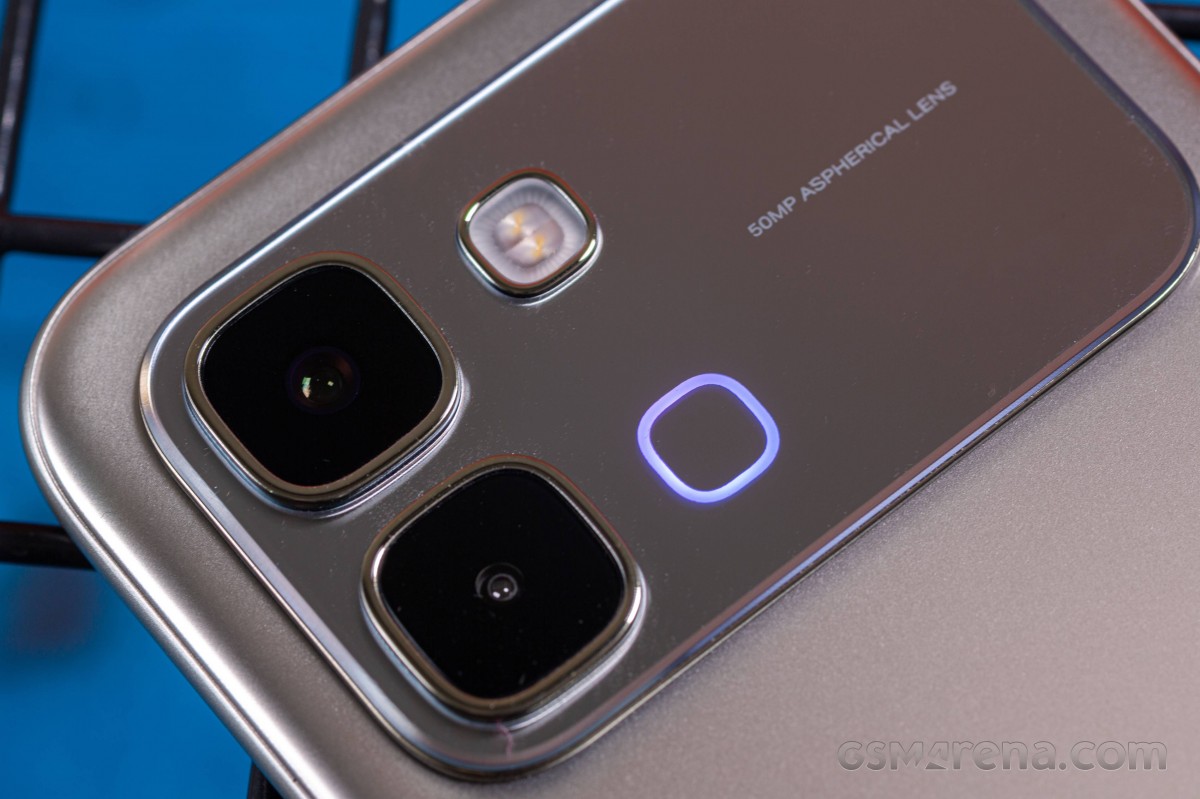
The Infinix Note Edge is a nice-looking device. The design team somehow combined shapes and proportions, particularly around the back, to create what is a surprisingly distinct Infinix aesthetic. Perhaps it’s the clever use of “squircle” shapes, or maybe it’s the odd symmetry and asymmetry combo. Or perhaps the colorful LED ring below the flash. Regardless, we think the Note Edge has a look of its own, which is much appreciated.
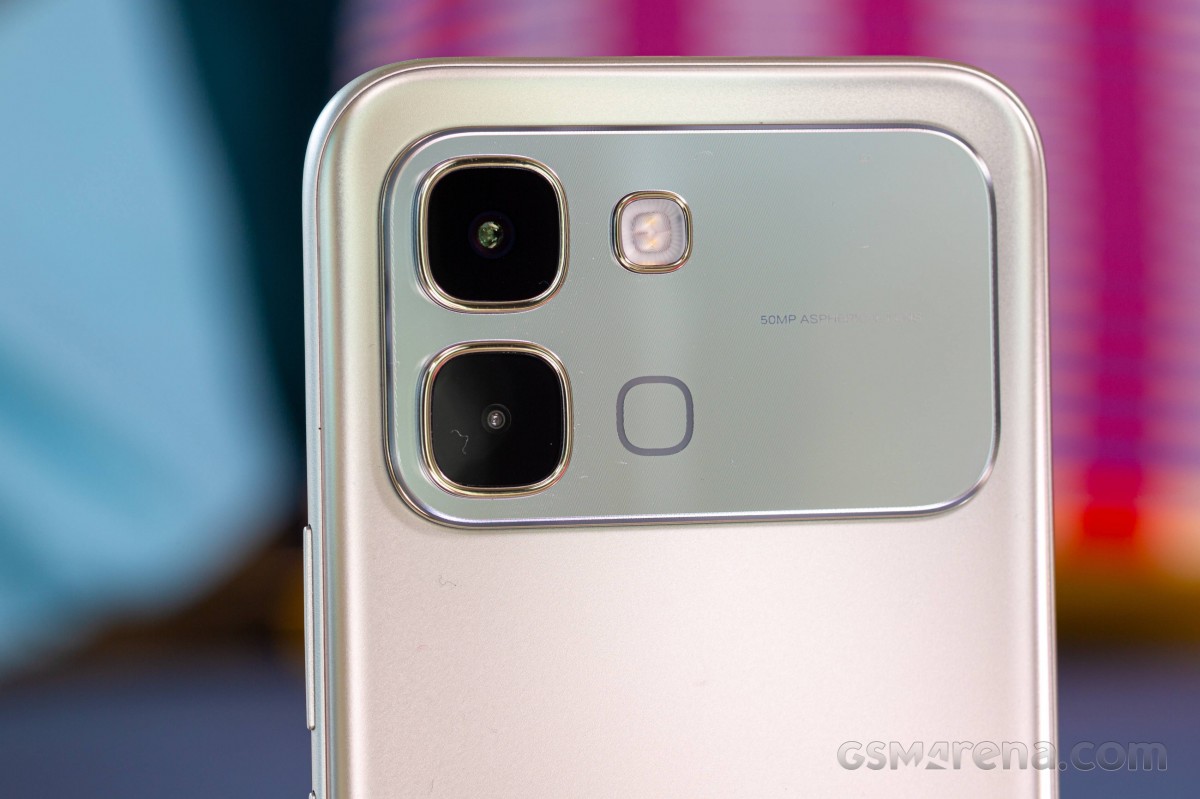
As already mentioned, the first time we saw the Note Edge, it was in a bold and very flamboyant orange color. For better or worse, it seems to be left out of the final color lineup. The colors we did get are Lunar Titanium, Silk Green, Stellar Blue and Shadow Black.
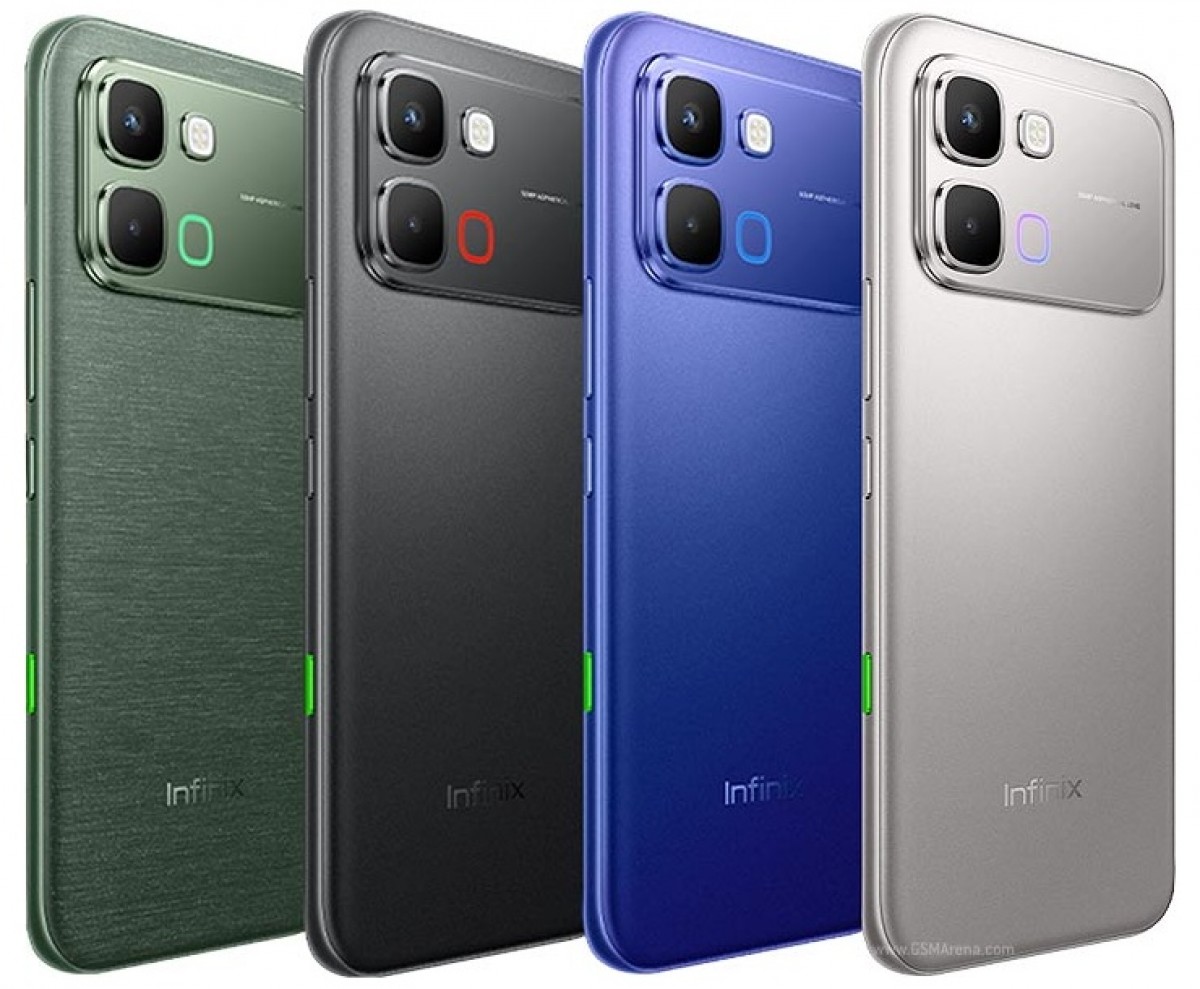
The Silk Green colorway comes with Infinix’s polyurethane water-wave brushed texture, which the company says draws inspiration from silk to create “a leather-like surface with silky smoothness”. The other colors utilize “high-strength composite materials infused with cat’s-eye gem effects, producing layered, premium matte finishes that shift elegantly with light and angle”, according to the official press release. Our unit is in Lunar Titanium, and it would fit right in at any board meeting.
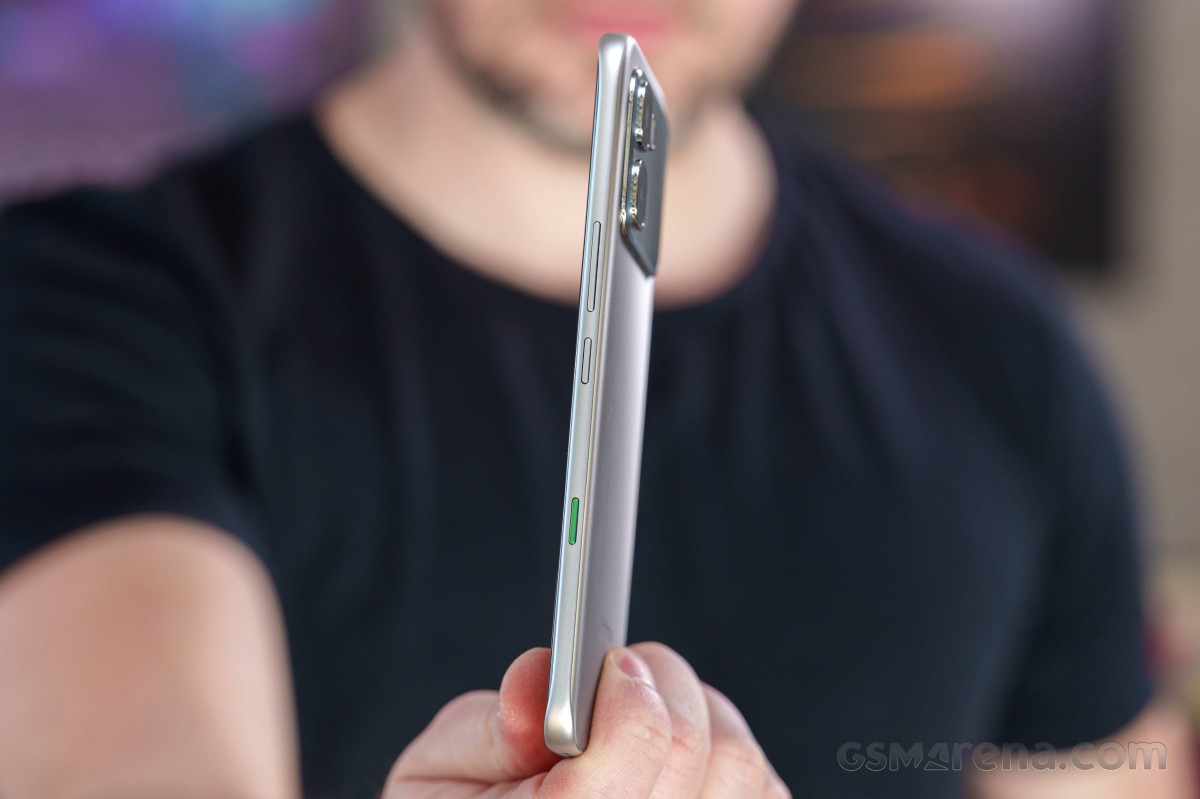
There is one design element that sort of stands out – the bright green customizable button, which is meant to activate Infinix’s Folax AI assistant.

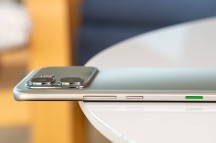

Infinix Note Edge
Other than that, the Note Edge has a pretty standard set of controls. The left-hand side is empty, while the right has all of the buttons, including the customizable key we mentioned, the power key and volume rocker. All three are well-positioned and quite clicky, with nice tactile feedback. There are speaker grills on both the phone’s top and bottom, which is great for sound balance and symmetry. The bottom also houses the main microphone, SIM tray and Type-C port.
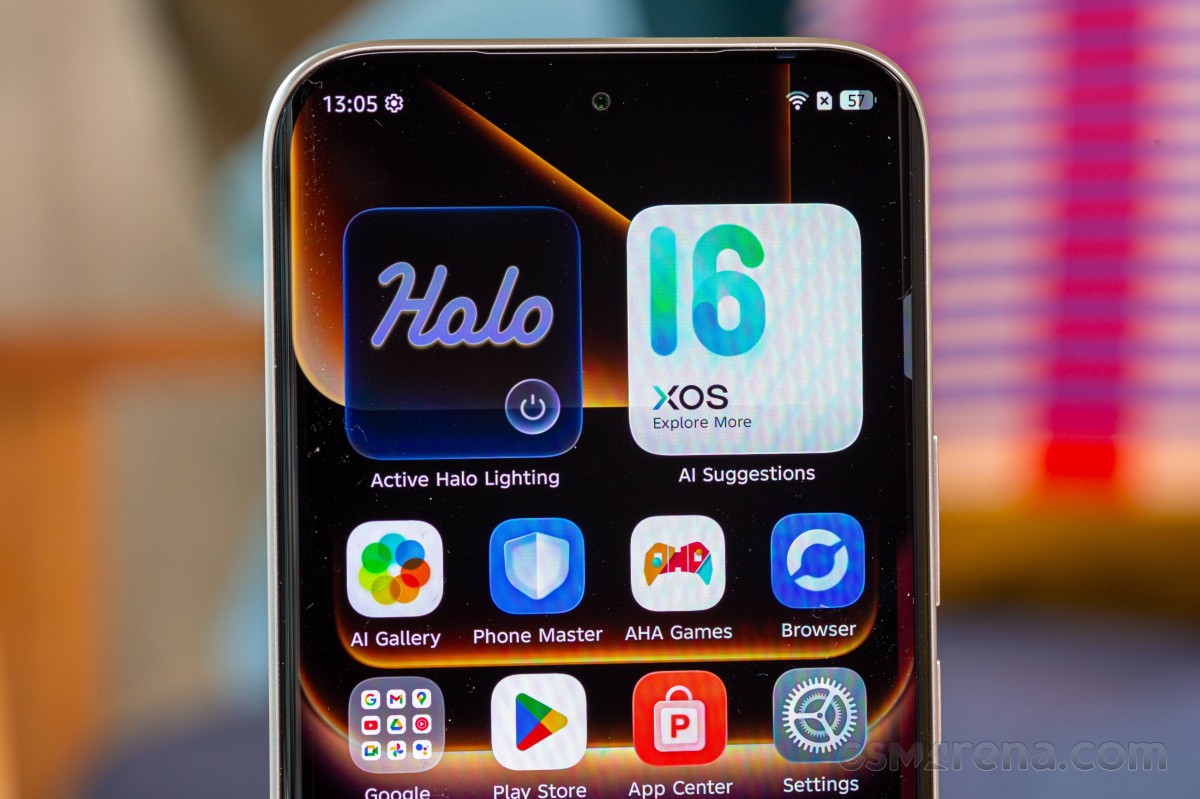
From the front, the Note Edge doesn’t look very modern, mostly because the aggressively curved display has been out of fashion for a while. We don’t particularly mind it, though; we’d admit we still like this approach.
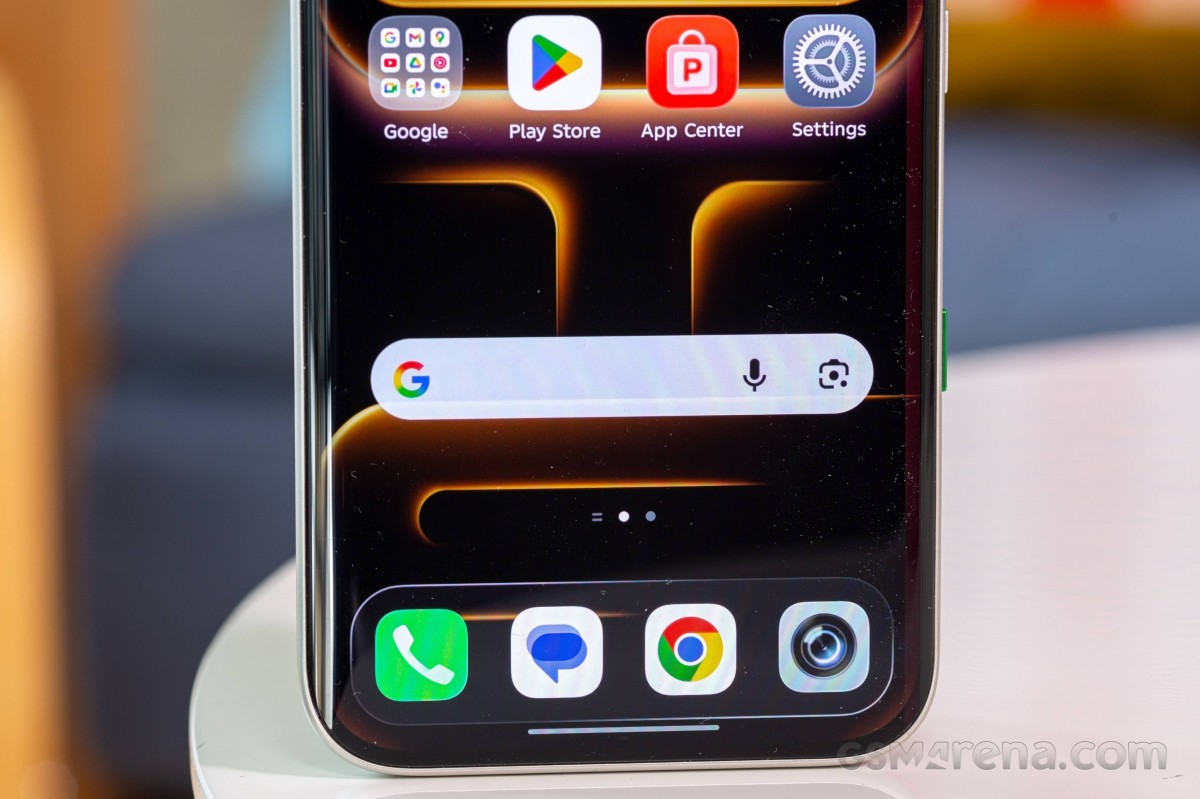
The display bezels are on the bigger end of the spectrum, but not huge by any stretch of the imagination. Neither is the selfie punch hole. There are no visible sensors on the front. Everything is nicely hidden away.
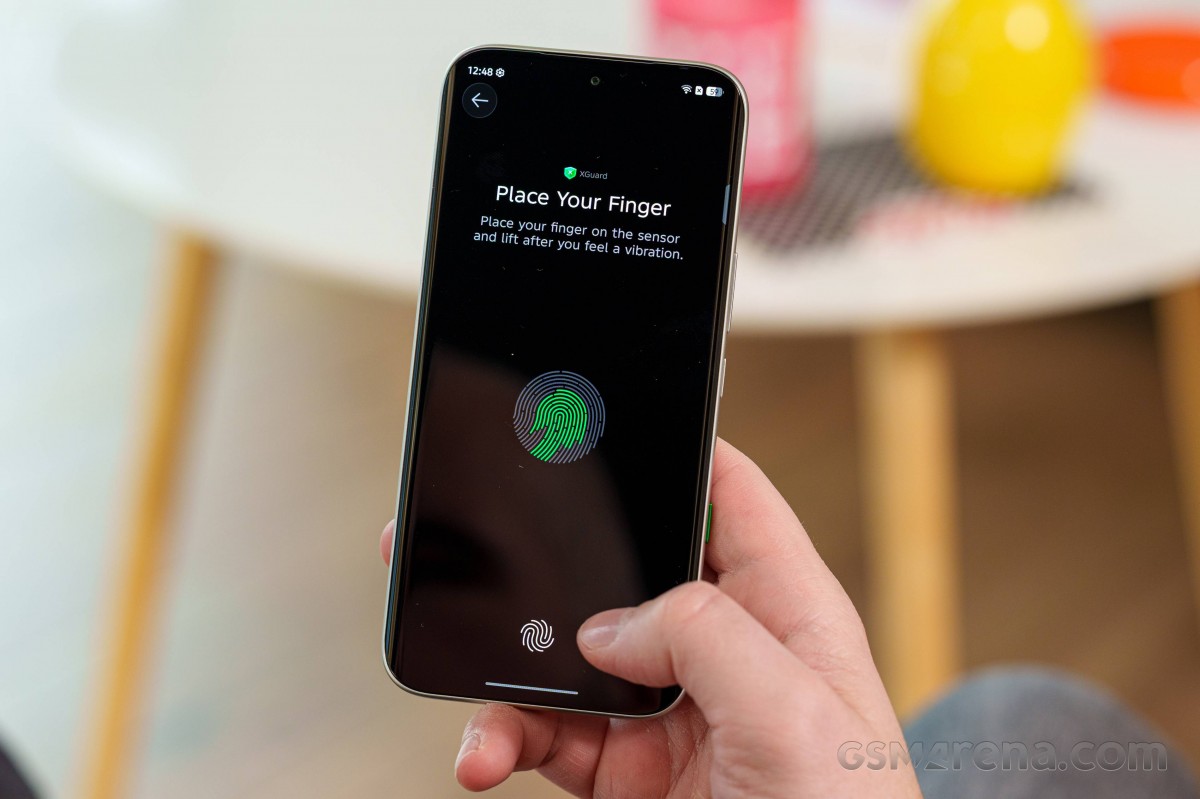
The Note Edge employs an under-display fingerprint reader. It is of the more widespread optical variety. In our testing, we found it both snappy and accurate. No complaints there.
The Infinix Note Edge is almost exclusively made from plastic – the back side, the middle frame too. That is not intrinsically a bad thing. On the contrary, plastic offers great structural qualities, is rather light and does not bend, dent or shatter quite like metal or glass. The Note Edge has practically no flex to its chassis, nor does it present any hollowness.
The Note Edge does come with some advanced protection in the form of an IP65 ingress certification. It should allow it to withstand low-pressure jets as well as short dips in clear water. There is also Corning Gorilla Glass 7i protection for the display. Both are great extras to see on such a budget phone.