
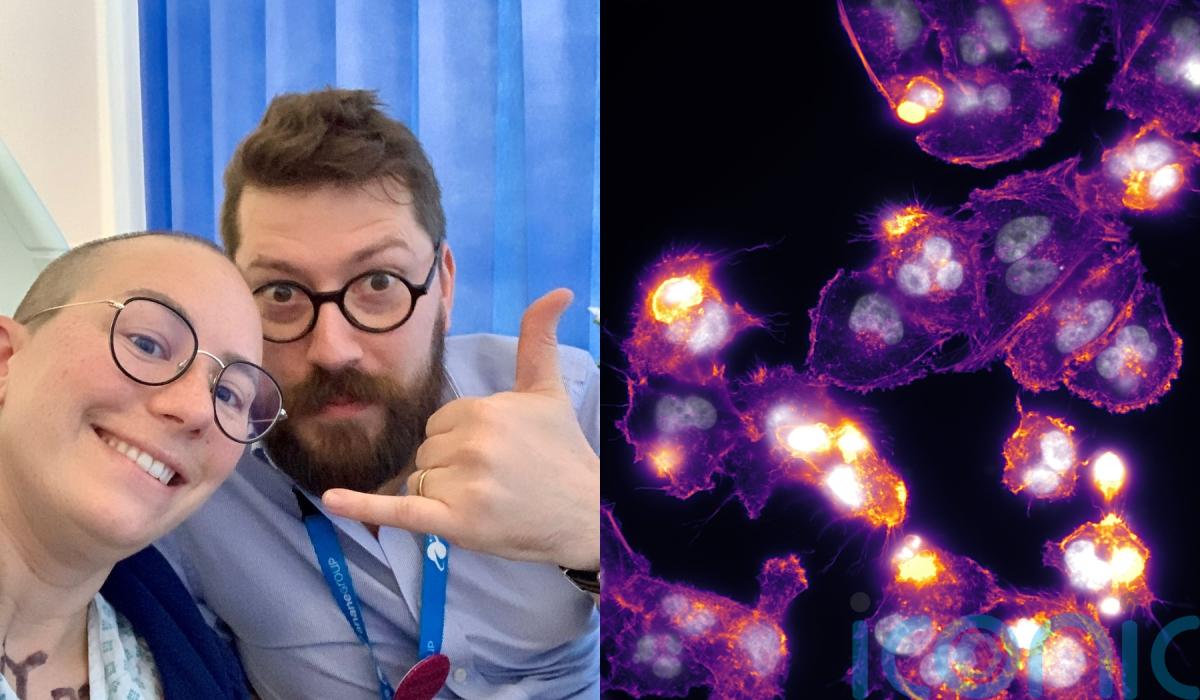
A scientist whose wife has incurable cancer has transformed microscope images of breast cancer cells into large-scale artworks for an exhibition to educate others and show there is “beauty in everything”.
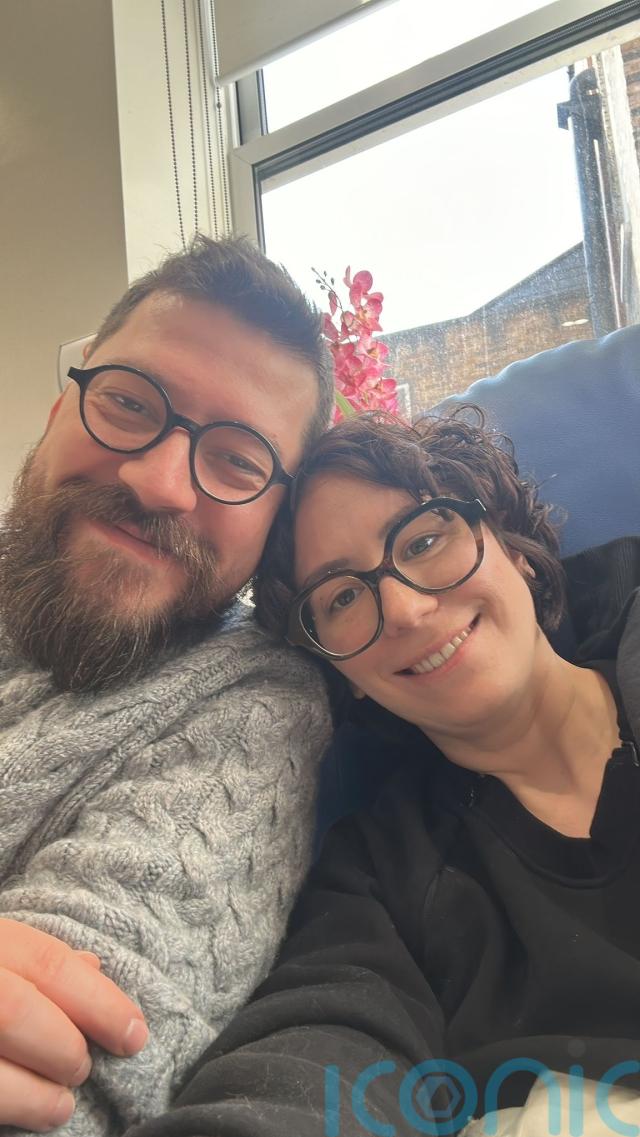
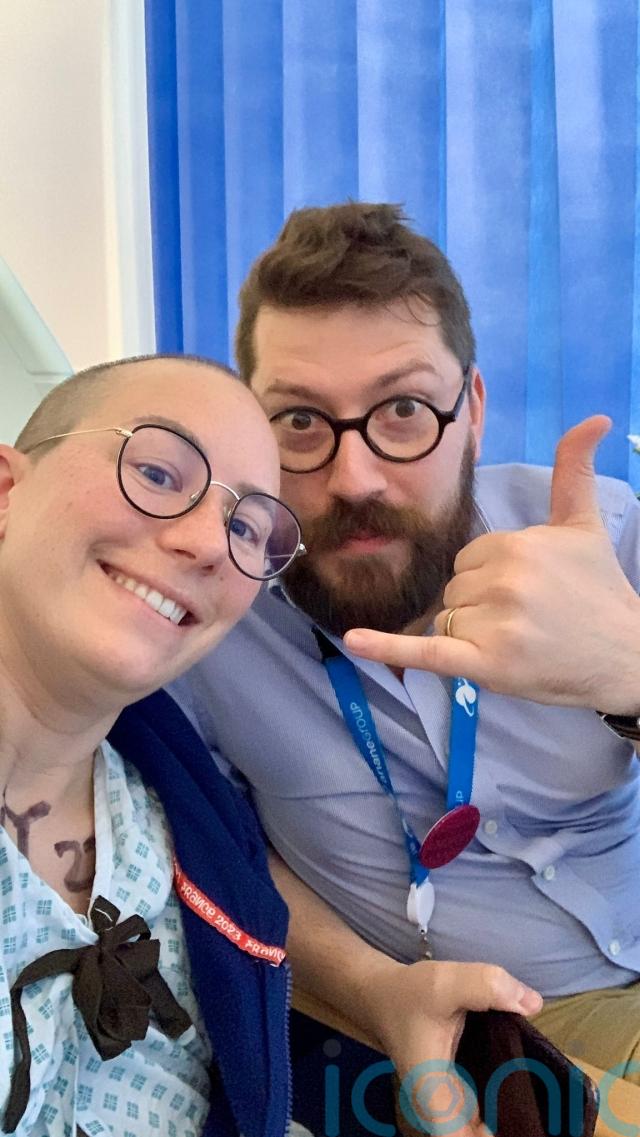
Anais Muczynski, 36, an orthoptist, who lives with her husband Vincent Muczynski, 41, a researcher, received her primary breast cancer diagnosis in January 2023 after discovering a quail egg-sized lump in her left breast.
At the time, the London-based couple were “optimistic” as it was stage one – meaning the cancer is only in the breast tissue or in the lymph nodes close to the breast – and she underwent chemotherapy, immunotherapy and a double mastectomy.
Anais said she was deemed to be “disease free” in June 2024, but just a few months later, she discovered a new pea-sized lump on her collar bone – and this time, she was told her breast cancer is stage four and incurable.
Learning “how little” cancer patients often understood their diagnoses, Vincent wanted to create large-scale images of breast cancer cells, grown in a laboratory, being treated with a next-generation anti-cancer immunotherapy for an exhibition.
The Beyond The Ribbon exhibition, hosted by the Pink Ribbon Foundation, which provides wellbeing and practical support to people affected by breast cancer through the charities they fund, is being shown at the Firepit Art Gallery in Greenwich until Saturday 14 February.
Anais told PA Real Life: “For me, as a patient, Vincent’s images are incredibly cathartic because you are able to face your cancer.
“They are not my cells, but they are treated breast cancer cells, so they are the same type of cancer as mine.
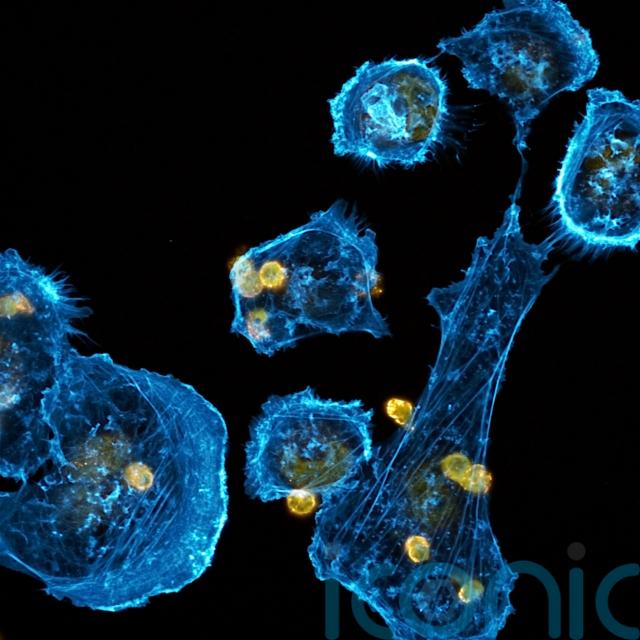
“It’s striking to see the cancer cells being blasted… to see the magic and the power of the science.
“It helps you realise there is beauty in everything.”
Anais said she has always been “super sporty” and never had any health issues – until on January 2 2023, she discovered a quail egg-sized lump in her left breast while showering.
At the time, she and Vincent were trying to get pregnant, so she assumed it was hormone-related, but after visiting her GP and having an ultrasound and biopsy, it was confirmed on January 26 2023 that she had stage-one breast cancer.
“It was a real shock because I don’t have any family history of cancer,” Anais explained.
“You’ve got that sheer fear of ‘I’m going to die’, because cancer can be a fatal disease – and in our society, when you’re in your 30s, you’re not meant to die.
“All of a sudden, you’ve got this life-threatening illness and you’re facing your own mortality, and that’s not something we are prepared for.”
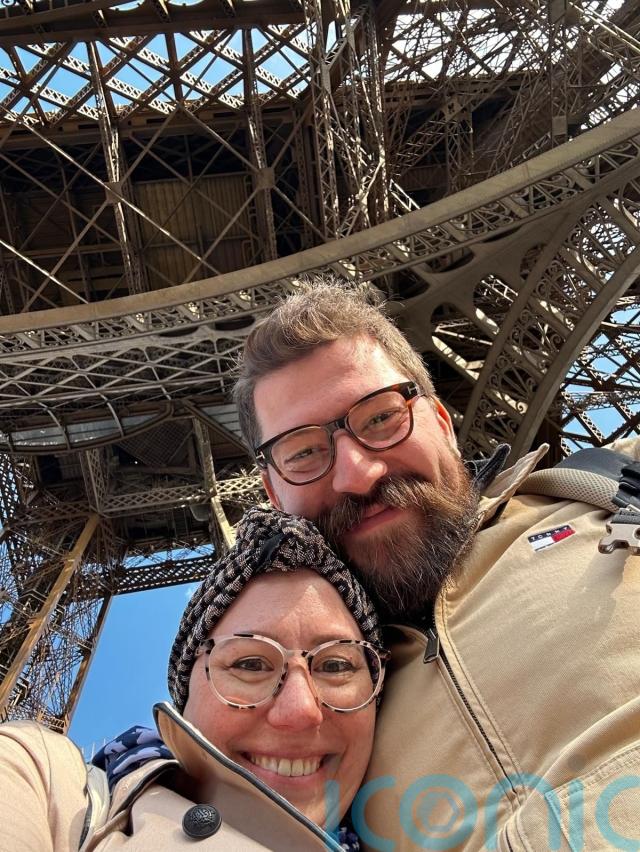
Vincent, a research fellow at the UCL Cancer Institute, said: “Your life is properly shattered in the sense that everything explodes.
“You get out of that meeting and you need to puzzle out the pieces to say, ‘OK, what’s next? What are the critical things that need to be done straightaway?’
“I’m a researcher in oncology, so my daily job is to develop next generation therapies for cancer patients… but I never considered that my job could become so close to my own personal life.”
Anais later learned she had triple negative breast cancer, meaning the cancer cells do not have receptors for the hormones oestrogen and progesterone and a protein called Human Epidermal Growth Factor Receptor 2 (HER2).
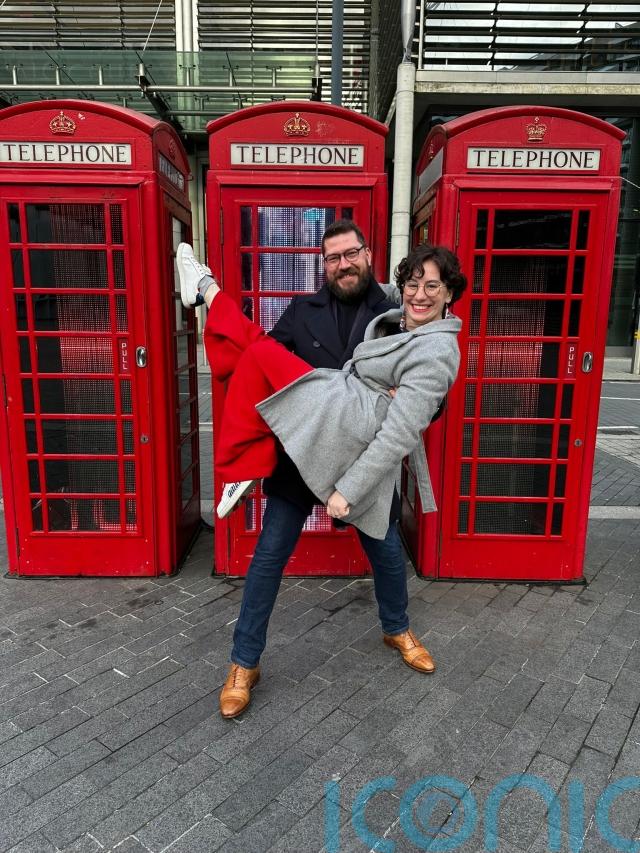
She therefore could not have hormonal or standard HER2-targeted therapies, but instead underwent chemotherapy and immunotherapy, which caused hair loss and nausea, a double mastectomy and reconstruction surgery, followed by more immunotherapy.
Anais finished her treatment in June 2024 and said she was deemed to be “disease free”, but in the November, she discovered another pea-sized lump on her collar bone – one of the “red flags” that signified the cancer had returned.
After having another biopsy, she was told the cancer is stage four and it is treatable but not curable.
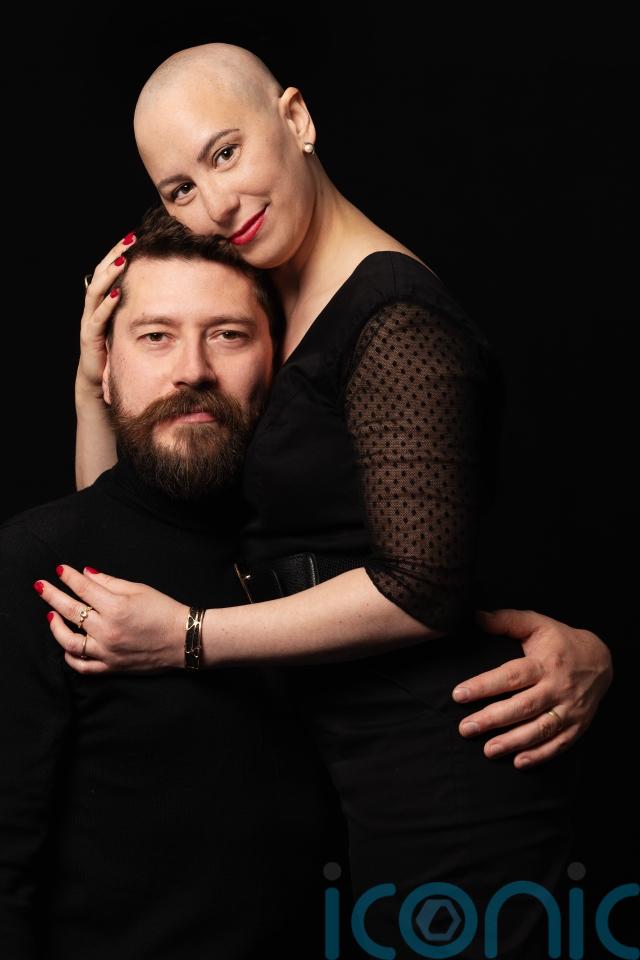
“Two weeks before finding that lump, we were actually in a museum and I was telling Vincent, ‘Finally, cancer is not our everyday any more’,” Anais said.
“We were having that conscious discussion about turning the page, slowly closing that chapter and being able to build something new.
“But then I found the lump and there’s no denial possible at this stage.
“This is your life and there is no end to the treatment.”
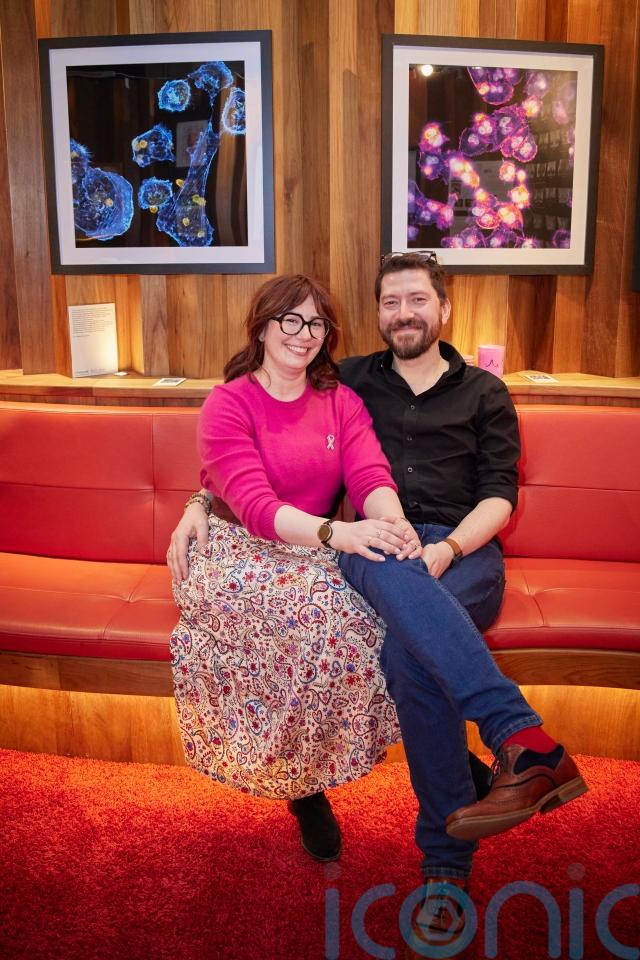
Vincent added: “The secondary diagnosis, at least for me, slapped us in the face much harder than the first time.
“Just at the moment where we started to lower those defences, we took the second blow.
“It felt like you’ve been drowning in the water for nearly two years and, all of a sudden, you get your heads above water, and then someone pulls you down and you didn’t have the time to take a breath and you’re just sinking again.
“There is no coming back from this, it becomes your everyday.”
Anais said she was “lucky” to be accepted onto a clinical trial in January 2025 and she is currently “tolerating the treatment well”, meaning she has been able to return to work and take part in aerial arts classes in her spare time.
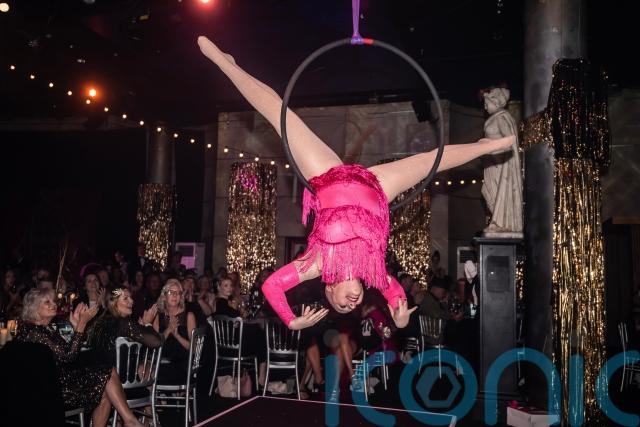
Last year, Anais even performed at the PINKLondon2025 charity gala in aid of the Pink Ribbon Foundation, which was 1920s-themed, and this was a “very powerful moment”.
While she has experienced periods of “grieving”, Anais said she wants to “make the most of the good days” and she is grateful for the solid support network around her.
Speaking about Vincent and his support, Anais said: “I am really lucky to be loved the way I am.
“A life like mine is worth living also because of him.”
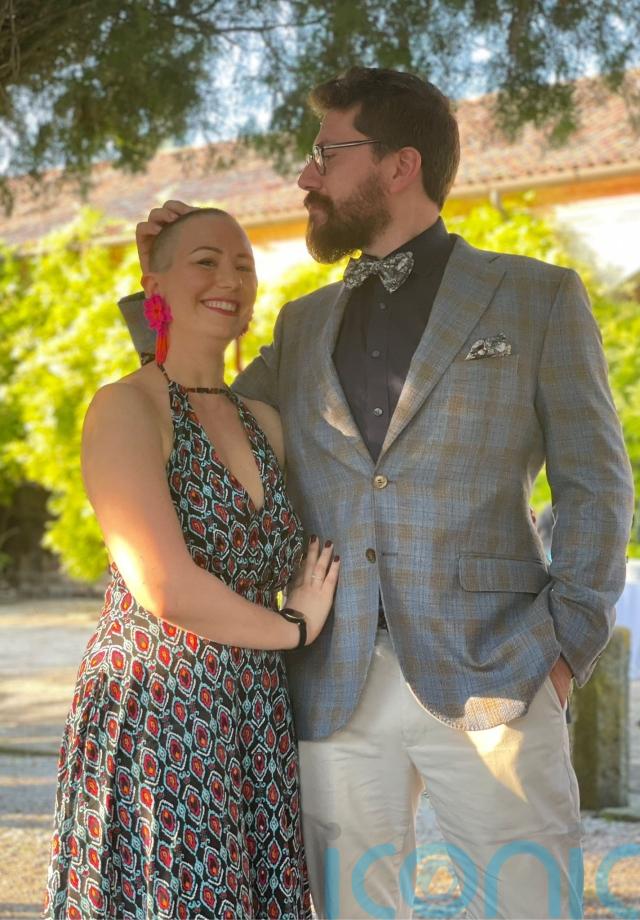
Anais has worked closely with the Pink Ribbon Foundation since her first diagnosis, and she loves how the charity celebrates women, their beauty and their identity through cancer diagnoses.
Inspired by Anais and other patients, Vincent had the idea to create large-scale images of breast cancer cells being treated with a next-generation anti-cancer immunotherapy to help educate those affected by the disease.
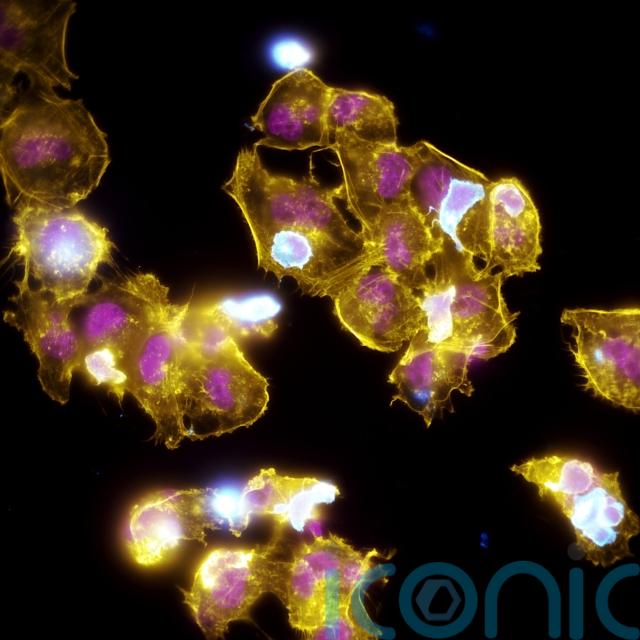
The images are of real breast cancer cells used in laboratory research, frozen in time and photographed using advanced fluorescent microscopy, before being artistically reworked by Vincent.
Each piece offers a rare visual insight into the disease and the treatments used to fight it, and the images are currently being exhibited at the Firepit Art Gallery in Greenwich, which is free to access any time during the venue’s opening hours until February 14.
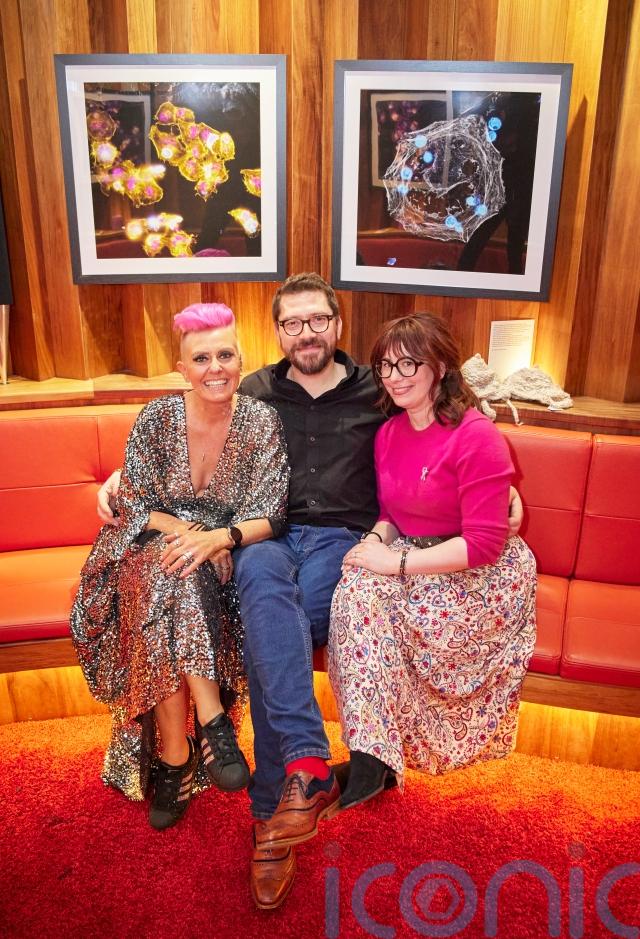
The couple hope it helps patients, families and colleagues gain a greater understanding of breast cancer and how treatments target the cells inside the body.
“Microscopy is a powerful imaging technique widely used in research laboratories across the world,” Vincent said.
“By magnifying what is invisible to the human eye, it opens a window on a world that not many people have the chance to see.
“It’s a world full of artistic shapes and unsuspected activity, where cells are growing, moving around, thriving, fighting each other and eventually dying.
“It’s a way of showing the beauty behind a very nasty disease.”
Lisa Allen, spokeswoman for the Pink Ribbon Foundation, said: “Breast cancer doesn’t just affect older women, and it doesn’t always end when treatment finishes.
“We fund hundreds of charities in the UK who are helping people with cancer and their families outside of their medical needs.
“This exhibition is meaningful to us because behind every cancer cell is a human story.”
To find out more about the Pink Ribbon Foundation, visit: pinkribbonfoundation.org.uk.
For more information about the Firepit Art Gallery and the exhibition, visit: www.firepit.art.