
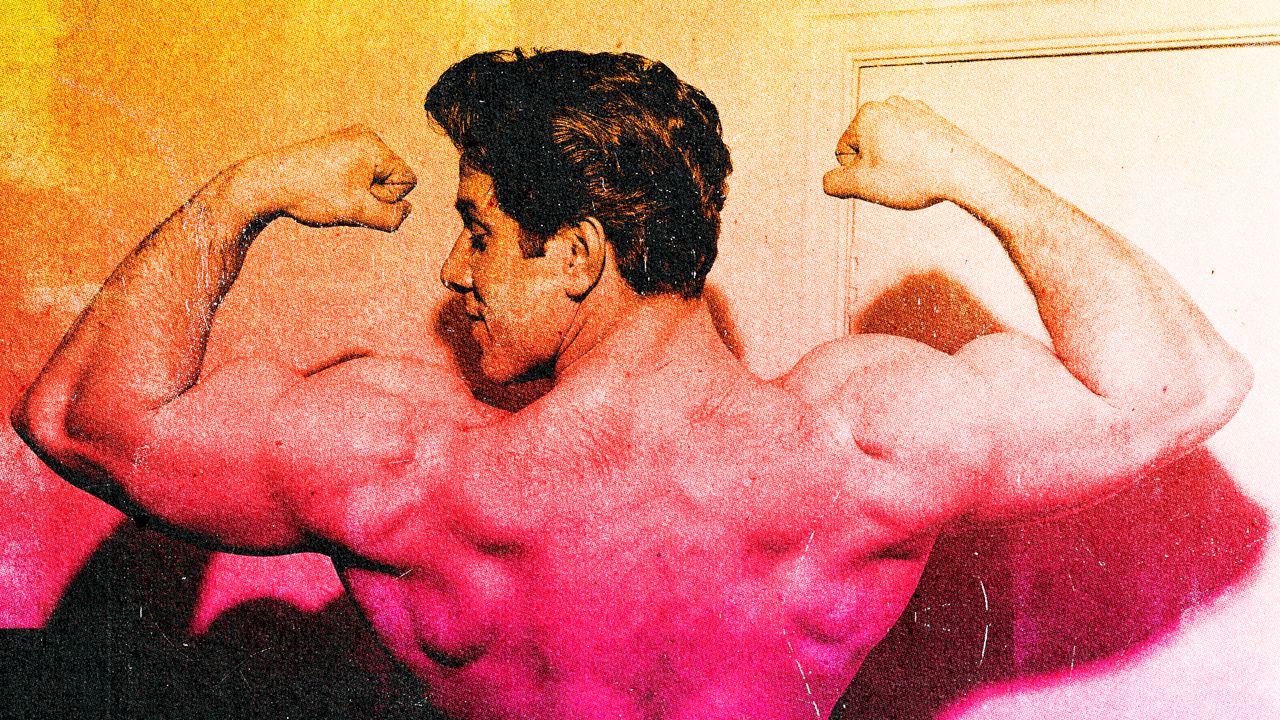
“Getting lean” is one of those fitness-isms that doesn’t actually mean anything—like “toning,” or “nourishment.” It sort of vaguely means getting in better physical shape. And if you had to put a finer point on it, you could say that to get lean is to lose weight while maintaining or gaining muscle. “Generally, when we talk about leaning out, we’re talking about body recomposition—building muscle while burning fat,” says dietician Maddie Pasquariello, MS, RD.
But beyond the desire or pressure to look a certain way, getting lean (the right way) may also come with health benefits.
“The idea of getting lean has certainly evolved over time, because it’s no longer just something that’s reflected in scale weight,” says Glenn DeSimone, a personal trainer at Life Time Boulder. “We now know that muscle is one of the best indicators for longevity, and having a high muscle-to-fat ratio can lower the threat of things like cardiovascular disease, type 2 diabetes, high blood pressure, and even cancers. It’s about putting ourselves into a healthy, functioning metabolic state.”
Regardless of the “what” of getting lean, or your “why” for wanting to do it, the “how” of getting there remains the same. At the end of the day, it all comes down to a relatively simple combination of diet and exercise.
“A good program in the gym will be your best friend while you’re trying to lean out, but eating enough calories and protein is just as important,” Pasquariello says. “If all you did was change your diet, but you did so in a meaningful way over a significant amount of time, you’d start to see changes in overall body composition, even without changing your workouts too much. But without the work in the gym, you won’t get the defined muscle you’re looking for.”
Whatever getting lean means to you, here are Pasquariello and DeSimone’s top tips for simultaneously building muscle, burning fat, and restoring balance to your body.
Make strength training your priority
A common misconception about getting lean is that it’s all about cutting calories and lumbering endlessly on the treadmill. But if there’s one absolutely indispensable component to getting lean, it’s resistance training. “If we don’t leverage resistance training, we’re not going to be able to create that lean tissue that we’re talking about, which of course is muscle,” says DeSimone.
Strength training isn’t just about building muscle, either. Pumping iron is also a pretty big part of your fat-burning strategy. “The more muscle we have on our body, the more metabolically active we are—and that’s really important,” DeSimone says. “Basically, the more muscle we have, the more fat we burn at rest.”
Crucially, strength training also stimulates the production of anabolic hormones like testosterone and insulin-like growth factor-1 (IGF-1), which do double duty to help you pack on muscle and burn fat. According to a 2005 research review published in the journal Sports Medicine, these hormones spike following resistance training—particularly workouts that focus on the larger muscle groups. “We want to make sure we’re doing compound lifts,” says DeSimone, who recommends strength training at least three or four times a week and building workouts around multi-joint, functional exercises like squats, deadlifts, presses, and pulls.
Cast cardio in a supporting role
“This may be the right time to reduce your cardio a bit, if that’s the majority of what you do—and instead focus on weights,” Pasquariello says. At the end of the day, you can get lean with just strength training and a dialed-in diet. That said, if you’re able to make time for one or two cardio sessions a week, a little can go a long way.