

Your shoulders do a lot of the heavy lifting, and I don’t just mean during exercise. Therefore, building strong, stable shoulder joints should be a priority in anyone’s routine, whether it’s to support healthy ageing, reduce the risk of injury, or improve athletic performance.
Your shoulders contribute toward proper posture, and a lack of mobility at any age will only become more problematic as you get older. The good news is, it’s never too late to make positive changes.
What are the shoulder exercises?
I recommend spending 30-45 seconds on each exercise, then repeating for several rounds. If you prefer to work with sets and reps, then aim for 8-12 reps and 2-3 sets.
We want to move your shoulders through rotation (hence the first exercise: shoulder dislocations), elevation and depression (the second exercise: pull-downs), then protraction and retraction (pull-aparts), so that we account for all directions.
Aside from a very slight shrug of the shoulders during the first exercise as you raise the band up, try to keep your shoulders drawn down away from your ears. As you pull the band down during the second move, focus on drawing your shoulder blades down your back and knitting them together, then allow them to elevate and part as you reverse the movement.
You may like
Finally, the third exercise. Pull-aparts are brilliant at training your shoulders to draw toward and away from each other, so really slow the exercise down as you pull the band apart with your hands and feel each stage of the movement. There’s no rush, so take your time to feel what your muscles are doing as they hold contraction and tension due to the band’s resistance.
What are the benefits?
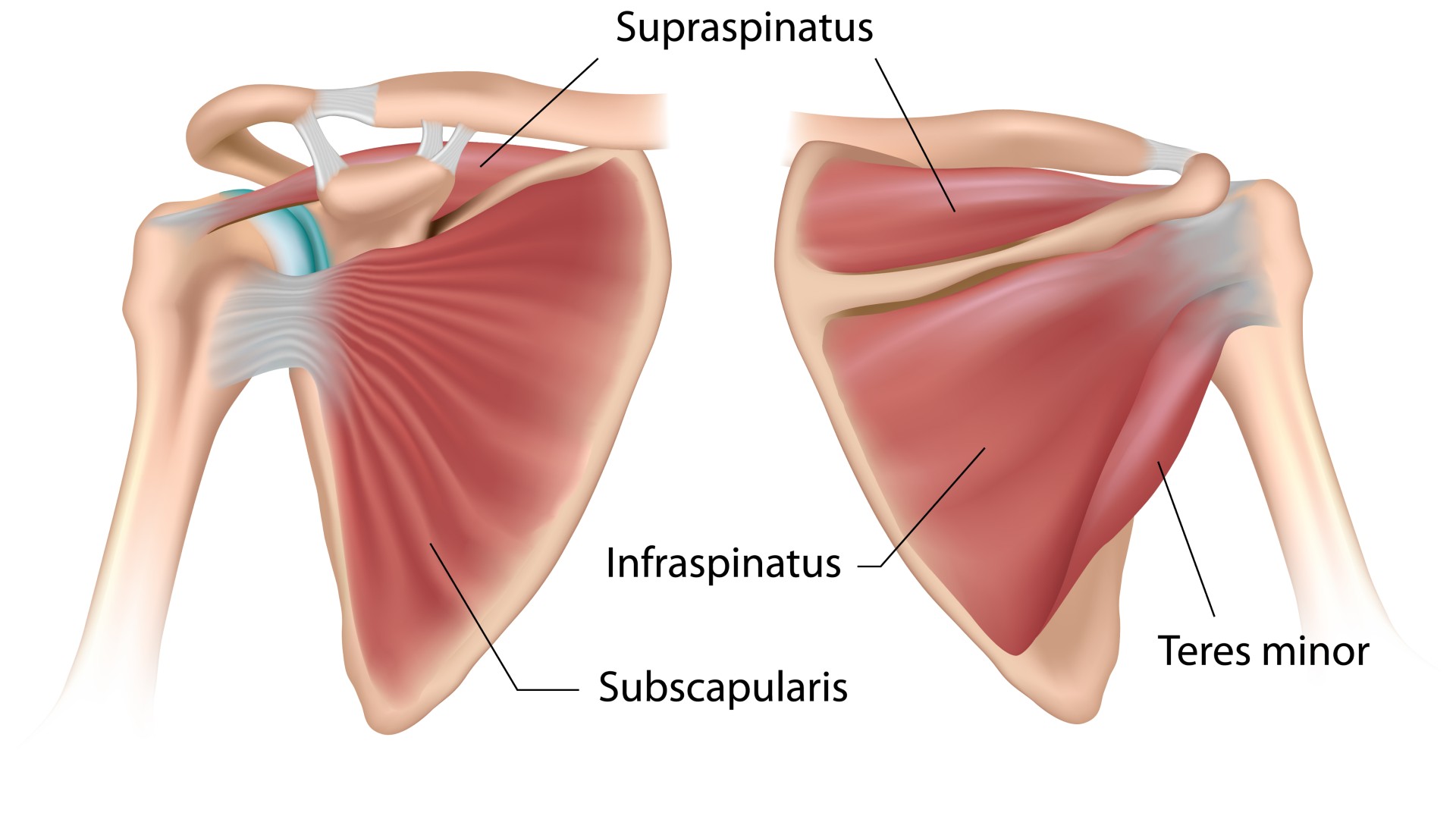
(Image credit: Shutterstock)
Our shoulders have the most potential for movement as the joints are technically the most mobile, but they are also susceptible to becoming weak and overly internally rotated because of our lifestyles.
Weak or imbalanced shoulders can also strain the back muscles and lead to weakness in muscles like the rhomboids, serratus anterior and rotator cuff. If you notice symptoms like poor posture, hunching, or tight or weak shoulders or trapezius muscles (the muscles that sit below the neckline), it could be time to work on shoulder mobility.
Training your shoulders to be stronger and more stable will benefit you in the long run during workouts and day-to-day movements, like carrying groceries or playing with your children.
You may like
If you have a shoulder-related injury, any pre-existing health conditions, or if you experience pain, speak with a qualified personal trainer or medical physician first before trying this routine for the first time.

Follow Tom’s Guide on Google News and add us as a preferred source to get our up-to-date news, analysis, and reviews in your feeds.
More from Tom’s Guide