
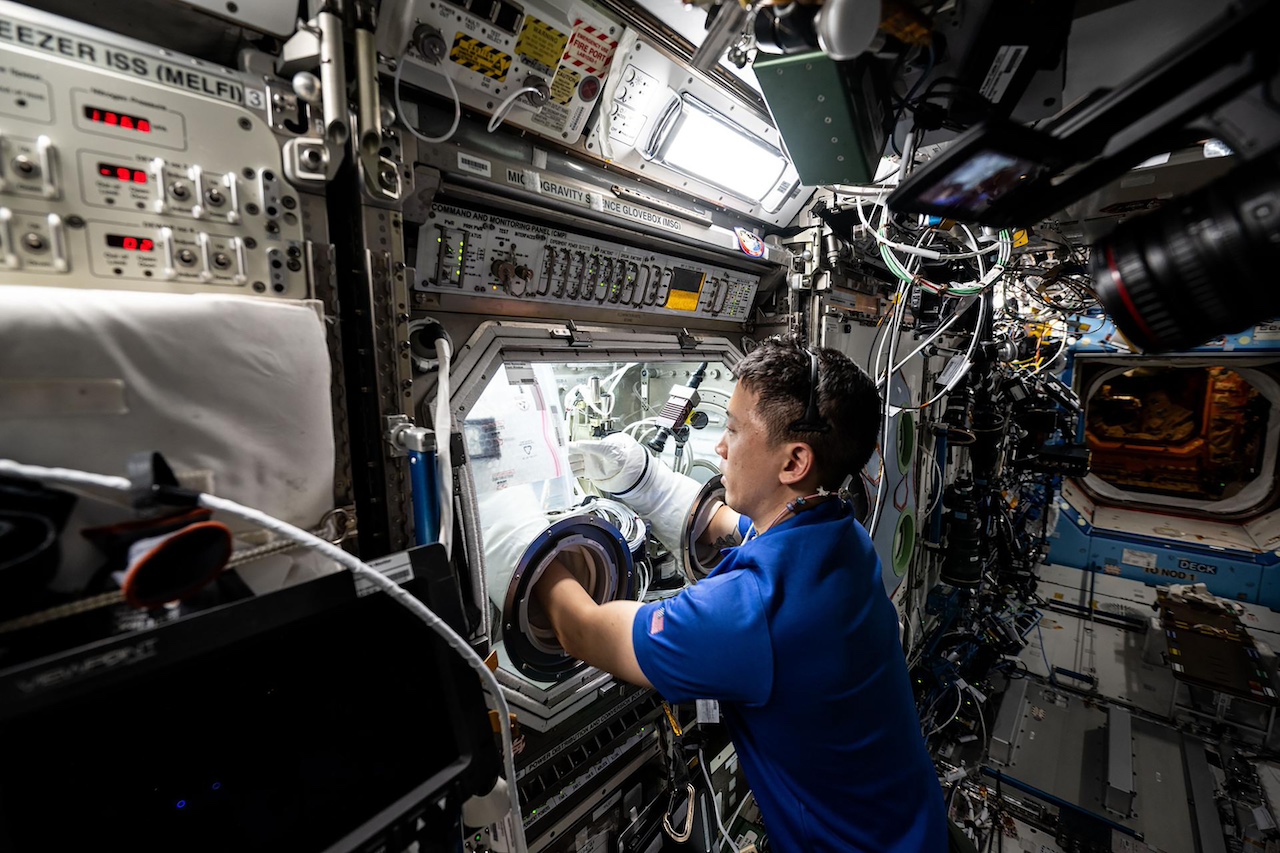
As humans spend increasing amounts of time in space, whether for work or tourism, scientists are calling for urgent research into the effect of spaceflight on human reproductive health in a new paper that argues questions around fertility and pregnancy in space are no longer just theoretical.
The international report, published in Reproductive Biomedicine Online, points out that policymakers cannot currently keep up with the reproductive implications of increasing human time and activity in space. It points out that assisted reproductive technologies have become “highly advanced, increasingly automated and widely accessible” but are underexplored when it comes to how human reproduction, natural or assisted, will function beyond Earth.
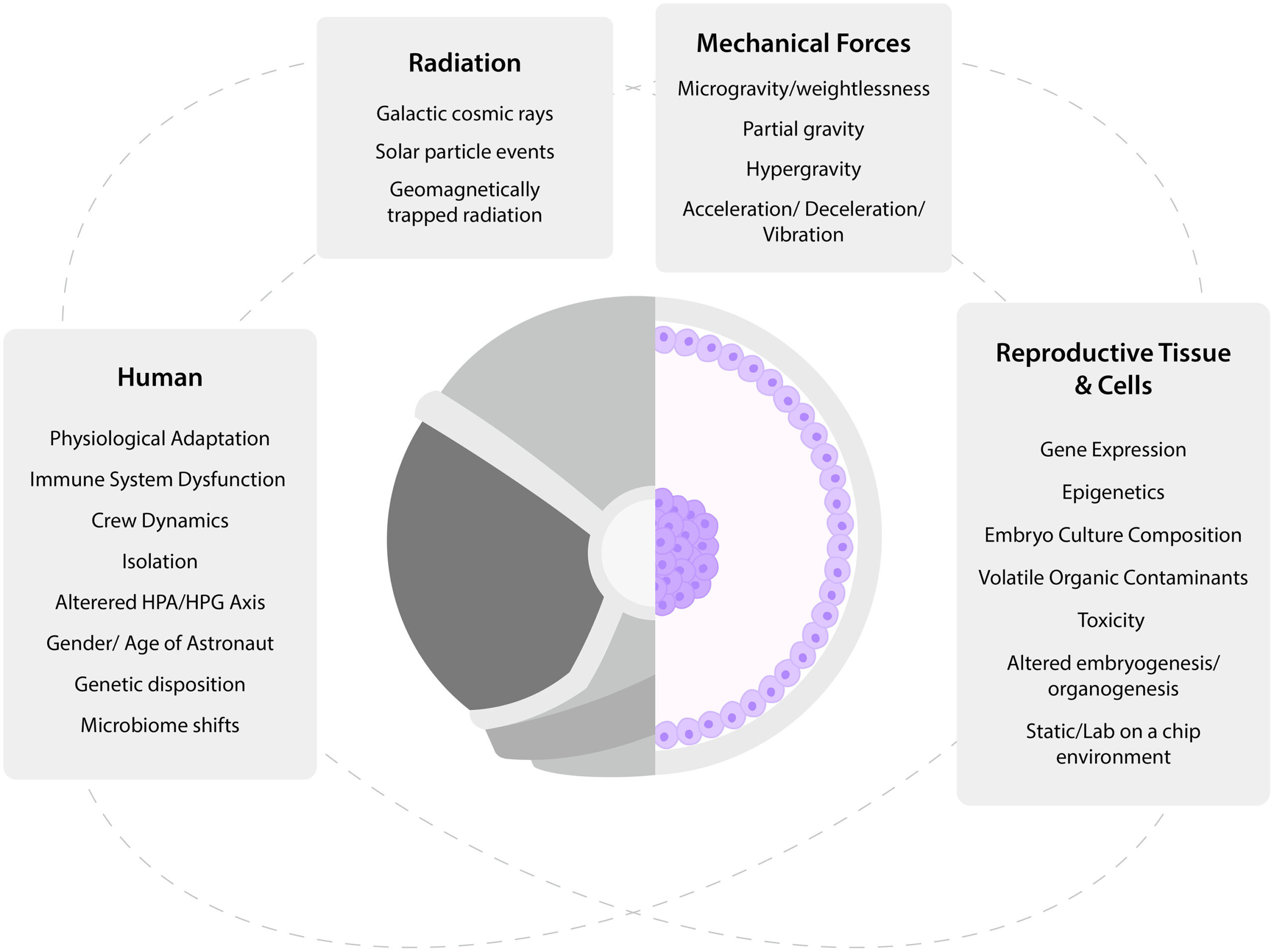
Managing reproductive health risks in space should be a priority, the authors say. Those risks include exposure to altered gravity, cosmic radiation, disruption to circadian rhythm, and psychological and physical stress. Reviewing both lab results and limited human data, the authors found that “female reproductive systems appear to be especially vulnerable, with implications for oogenesis [the process that creates a mature, ready egg] and embryonic development in microgravity.
 © G. A. Palmer et al.
Male reproductive function suffers in space too, showing “compromised DNA integrity, even when motility appears to be preserved.” Abnormal cell division and impaired development were found during the gestation of embryos in rodents in space.
The paper also looked at the ethical considerations of space work and space as a destination for non-professional astronauts of all ages, including people of reproductive age, given the risks. In the last decade, the number of people spending time in space has surged, thanks to the advent of commercial spaceflights. Yet animal studies have shown even short-term exposure to radiation can disrupt menstrual cyclesand increase chances of developing cancer. Reproductive tissues in particular are vulnerable to DNA damage, the study warns.
In the absence of long-term studies of both male and female astronauts after extended periods in space, “critical knowledge gaps” remain, the authors say. One of those gaps is an understanding of the impact of cumulative radiation on male fertility over the course of long missions in space, and when they return.
 © NASA
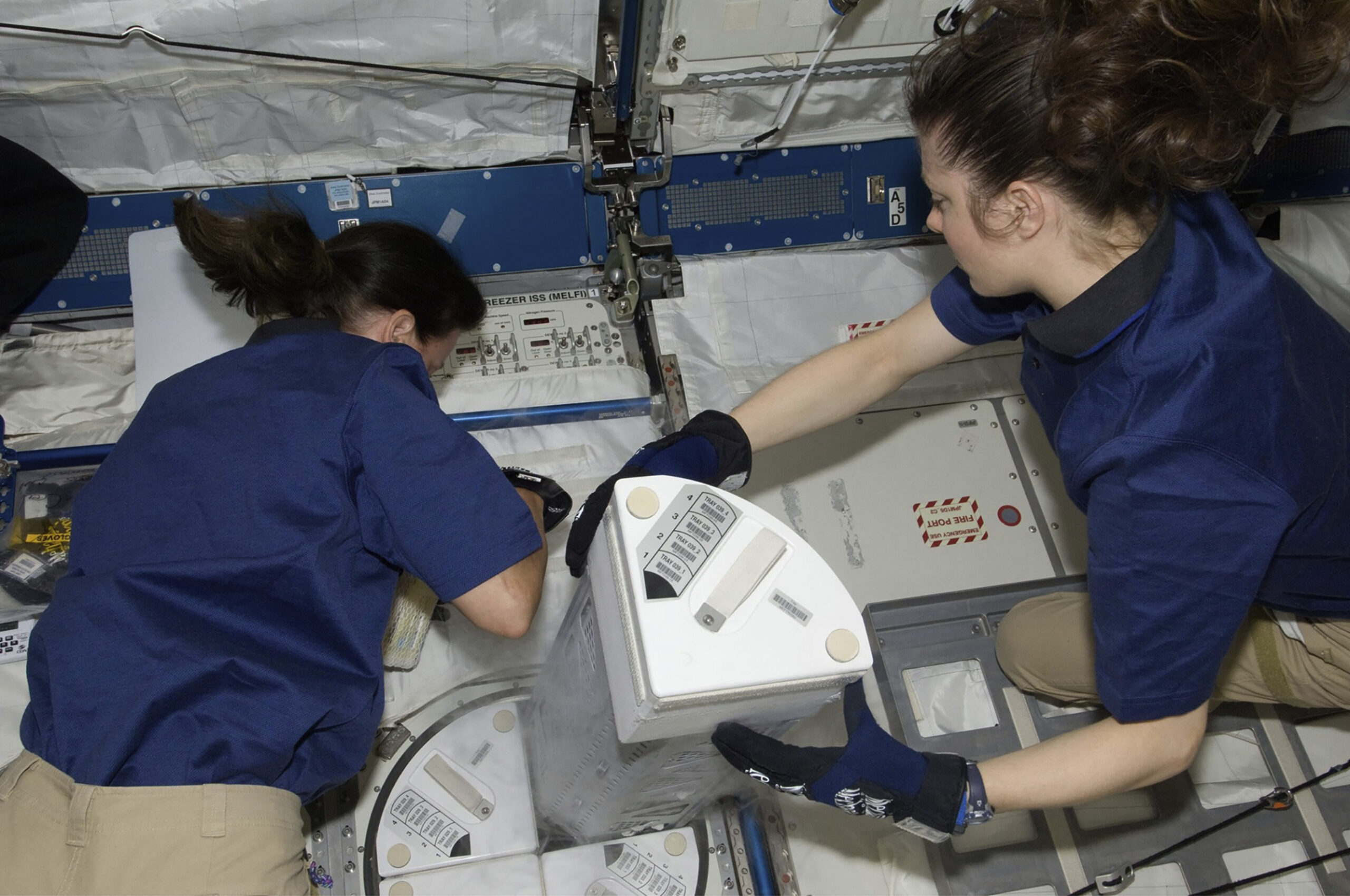
Techniques that could be used in space-based reproductive research and practice include automated fertilisation and cryopreservation, the study argues. But to address some of the holes in understanding would require policymakers to catch up with the ethical concerns in this area.
“As human presence in space expands, reproductive health can no longer remain a policy blind spot,” said Dr Fathi Karouia, a senior author of the study and a research scientist at NASA. The paper therefore proposes a collaborative framework for future research, with the aim of boosting cross-disciplinary dialogue and guiding the “next generation of reproductive biomedical research in space.”