

Your support helps us to tell the story
From reproductive rights to climate change to Big Tech, The Independent is on the ground when the story is developing. Whether it’s investigating the financials of Elon Musk’s pro-Trump PAC or producing our latest documentary, ‘The A Word’, which shines a light on the American women fighting for reproductive rights, we know how important it is to parse out the facts from the messaging.
At such a critical moment in US history, we need reporters on the ground. Your donation allows us to keep sending journalists to speak to both sides of the story.
The Independent is trusted by Americans across the entire political spectrum. And unlike many other quality news outlets, we choose not to lock Americans out of our reporting and analysis with paywalls. We believe quality journalism should be available to everyone, paid for by those who can afford it.
Your support makes all the difference.Read more
The most effective exercises for tackling symptoms of depression and anxiety include running, swimming and dancing, a new study suggests.
Group workouts may offer even greater benefits for those with depression, especially young adults and new mothers.
Researchers, whose findings were published in the British Journal of Sports Medicine, are urging mental health professionals to “prescribe exercise with the same confidence as traditional treatments”.
The review, conducted by Australian experts, analysed 63 studies and concluded that aerobic exercises had the “most substantial impact” on both conditions.
Group workouts were linked to a greater reduction in depression, with people aged 18 to 30 and postnatal women benefiting most.
Meanwhile, working out for a shorter amount of time and at a lower intensity was more effective at reducing anxiety.
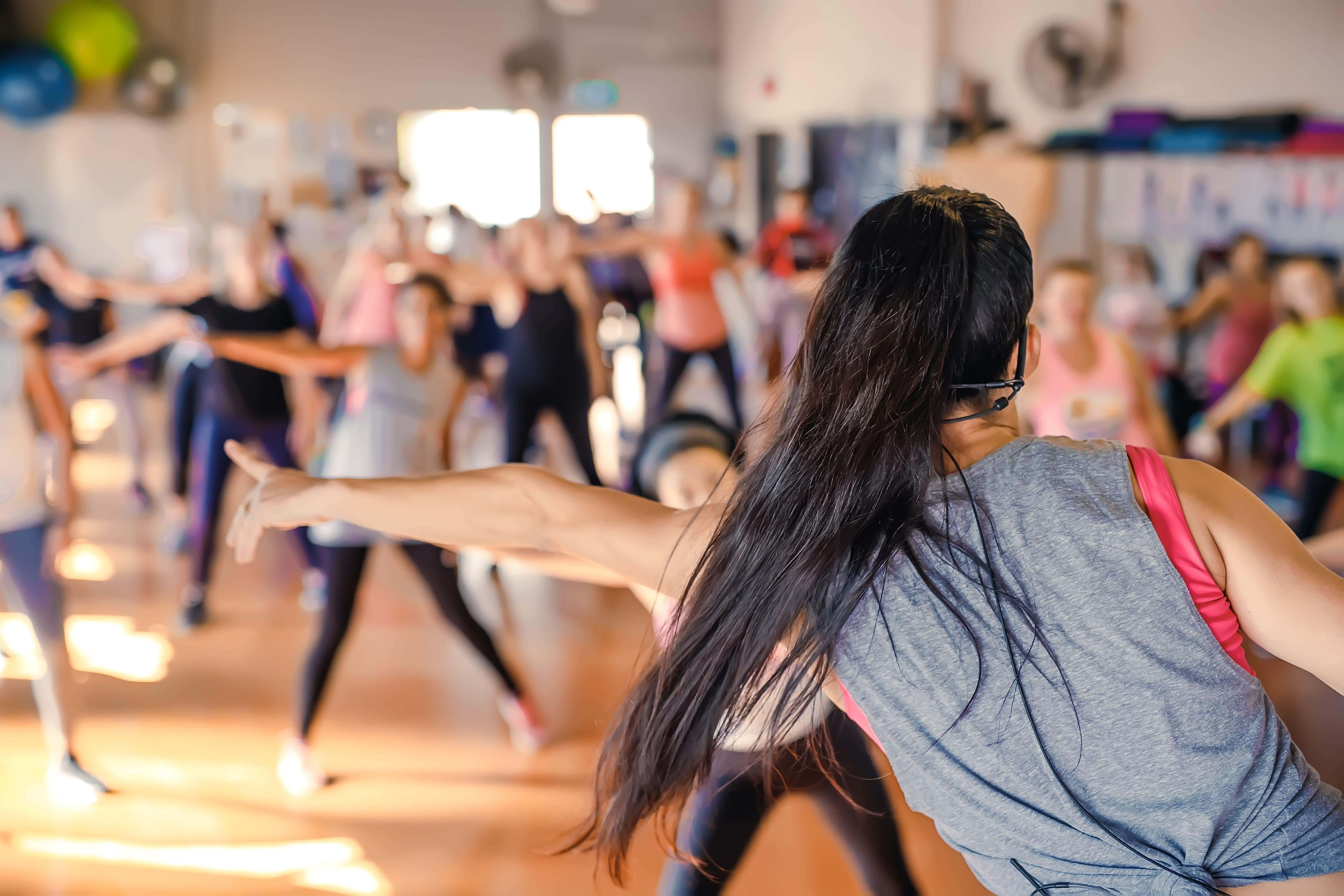 Group workouts may offer greater benefits for those with depression
However, researchers said that exercise “in all formats and parameters” may help those with the mental health conditions.
According to the mental health charity Mind, one in four people in England will experience a mental health problem of some kind each year.
Researchers said: “Mental health professionals should prescribe exercise with the same confidence as traditional treatments, recognising that all exercise formats demonstrate positive effects while tailoring programmes to individual profiles and preferences.
“Public health guidelines should position exercise as an accessible, evidence-based first line intervention for mental health, particularly targeting emerging adults and perinatal populations where effects are strongest.”

Symptoms of depression and anxiety
According to the NHS, symptoms of depression can include continuous low mood, feelings of hopelessness, loss of interest in life, and low self-esteem, lasting for weeks or months.
Physical symptoms can include moving or speaking more slowly than usual, changes in appetite or weight, constipation, unexplained aches and pains, and disturbed sleep.
The NHS advises people to see a GP if they experience symptoms of depression for most of the day, every day, for more than two weeks.
Symptoms of anxiety can include uncontrollable worry, irritability, restlessness, heart palpitations, dizziness and trembling.
Anyone experiencing anxiety is advised by the NHS to seek help if it is affecting their life or they are struggling to cope.