
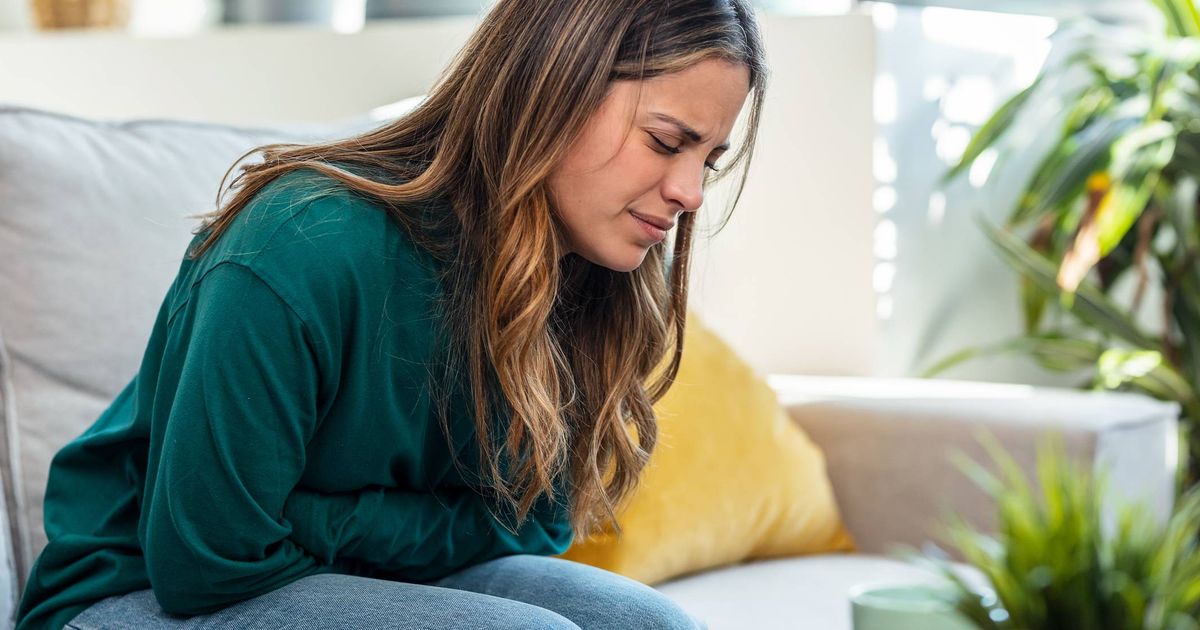
Ireland is witnessing a sharp rise in cases of a highly infectious illness that the HSE has cautioned “is not always possible to avoid” contracting.
Norovirus, commonly referred to as the winter vomiting bug, is “currently circulating at high levels in the community” and represents a very frequent cause of gastroenteritis. It transmits readily through close proximity as well as contaminated surfaces, objects or food, making outbreaks challenging to control once they start, reports the Irish Mirror.
In an update released yesterday, the Health Protection Surveillance Centre (HPSC) stated: “Norovirus, a very common cause of gastroenteritis, is currently circulating at high levels in the community. Norovirus (often called the winter vomiting bug), causes vomiting and diarrhoea and is highly infectious, easily spread by close contact between people.
“Norovirus, for most people, is an unpleasant but mild illness that passes off quickly without any treatment. It can usually be managed at home – drinking plenty of fluids is usually all that is needed. It’s not always possible to avoid getting norovirus, but following the advice can help stop the virus spreading.”
Health authorities in Ireland are encouraging everyone to adopt straightforward measures to safeguard themselves and others, particularly in hospitals, care facilities and around vulnerable individuals. The HPSC continued: “This seasonal surge in norovirus puts extra pressure on health and care services. We can all help by taking simple precautions. If you have respiratory symptoms, or vomiting or diarrhoea, do not visit hospitals, nursing homes or vulnerable people at home.
“Avoid social visits to care settings while unwell. Outbreaks of norovirus in hospitals and nursing homes can cause serious disruption and increase risks for patients and staff. Your actions make a difference.”
Stay away from work or school
The HSE advises that individuals suffering from vomiting or diarrhoea should remain absent from work or school for a minimum of 48 hours following the cessation of symptoms, steer clear of hospital or care home visits and avoid socialising whilst ill and for two days thereafter.
Those presenting with norovirus symptoms are additionally urged to avoid attending Emergency Departments where feasible, and instead obtain guidance from a pharmacist or GP via telephone.
Nevertheless, people who feel severely unwell “should not delay” attending the Emergency Department, though should alert reception staff if experiencing vomiting or diarrhoea to enable appropriate precautions.
The HSE has warned that bringing norovirus into health or care facilities can result in staff illness, service interruption or even closures, whilst vulnerable patients may encounter “serious consequences” should they become infected. The public is also being urged to wash hands regularly and properly with soap and water, as alcohol-based hand sanitisers are ineffective against norovirus.
Potentially contaminated surfaces should be cleaned using a bleach-based product, while any impacted clothing or bedding should be laundered separately on a hot wash. Towels and flannels shouldn’t be shared, and any vomit or contaminated waste should be disposed of down the toilet with the surrounding area cleaned meticulously. People are also encouraged to steer clear of consuming raw, unwashed produce.
The HSE stated: “Norovirus causes diarrhoea and vomiting. It is one of the most common stomach bugs in Ireland. It’s also called the ‘winter vomiting bug’. This is because it’s more common in winter. But you can catch it at any time of the year.
“Norovirus can be unpleasant but it usually clears up by itself in a few days. You can normally look after yourself or your child at home. Try to avoid going to your GP, as norovirus can spread to others very easily.”
How do I know if I have norovirus?
Symptoms to look out for include:
feeling sickgetting sick (vomiting)having diarrhoea
It added: “Some people also have a slight fever, headaches, painful stomach cramps and aching limbs. The symptoms start one to two days after you become infected and last for up to two or three days.
“The best thing to do is to stay at home until you’re feeling better. There’s no cure for norovirus, so you have to let it run its course. Antibiotics will not help because it’s caused by a virus. You do not usually need to get medical advice unless there’s a risk of a more serious problem.”
Want to see more of the stories you love from Dublin Live? Making us your preferred source on Google means you’ll get more of our exclusives, top stories and must-read content straight away. To add Dublin Live as a preferred source, simply click here.
Join our Dublin Live breaking news service on WhatsApp. Click this link to receive your daily dose of Dublin Live content.
We also treat our community members to special offers, promotions, and adverts from us and our partners. If you don’t like our community, you can check out any time you like. If you’re curious, you can read our Privacy Notice .